Ultimate Tbilisi Travel Guide 2026
This Tbilisi Travel Guide 2026 reveals the best of Georgia's capital, from sulfur baths to incredible local food spots.
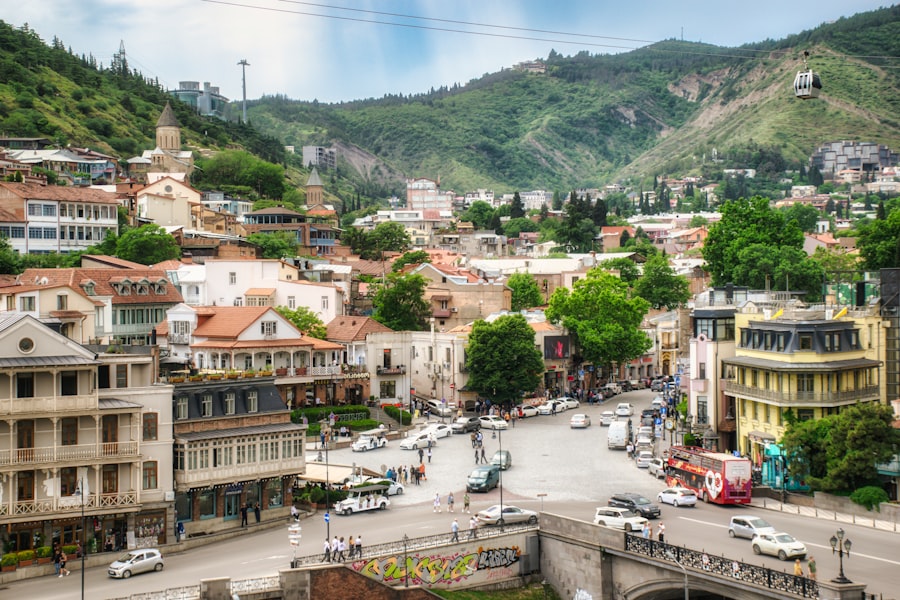
Welcome to the ultimate Tbilisi Travel Guide 2026, your comprehensive companion to exploring one of the most captivating, ancient, and rapidly evolving capitals in Eurasia. Nestled snugly in the dramatic valley of the Mtkvari River and guarded by the ancient Narikala Fortress, Tbilisi is a city where centuries-old sulfur baths sit alongside ultra-modern steel-and-glass architecture. Whether you are a history buff, a culinary adventurer, or a digital nomad looking for the next hot destination, this 2026 guide is designed to help you navigate this Georgian gem with absolute ease.
In recent years, the city has undergone a remarkable transformation. According to updated data from the Tbilisi Municipal Portal and leading reservation platforms like Booking.com, Tbilisi has expanded its boutique hotel offerings and modernized its public infrastructure, making it more accessible than ever before. Let us dive into everything you need to know to plan your perfect trip this year.
Choosing Your Perfect Neighborhood to Stay
If you are wondering about where to pitch your tent during your stay, Tbilisi offers a diverse range of neighborhoods, each boasting its own distinct personality. Choosing the right base will define your experience in the Georgian capital.
Old Tbilisi (Dzveli Tbilisi)
For first-time visitors, Old Tbilisi is the undisputed heart of the action. This is where you will find the iconic wooden balconies, winding cobblestone alleys, and the famous sulfur bath houses. It is incredibly picturesque, though it tends to be the most tourist-heavy area. Booking.com listings for 2026 show a massive rise in restored heritage guesthouses here, offering a perfect blend of historic charm and modern comfort.
Vake and Saburtalo
Moving on to the more contemporary side of the city, Vake is the upscale district favored by expats and wealthy locals. Here, you will find leafy avenues, high-end fashion boutiques, and trendy cafes. Saburtalo, located further northwest, is a bustling residential and commercial hub. It is less touristy, highly affordable, and offers excellent subway connections to the rest of the city.
Marjanishvili and Chugureti
If you prefer a bohemian, hipster vibe, head over to the left bank of the river. Marjanishvili and Chugureti are famous for Fabrika, a former Soviet sewing factory turned into a multi-functional urban space. This neighborhood is packed with street art, indie cafes, and co-working spaces, making it the absolute favorite for younger travelers and digital nomads in 2026.
Money-Saving Secret: Do not buy individual transit tickets. Purchase a Metromoney card or a multi-day transport card at any metro station for just 2 GEL (about 0.75 USD). This card can be loaded with credit and shared among multiple people for buses, the metro, and even the Rike Park cable car, saving you up to 50 percent on standard tourist transit fares.
Top Things to Do in Tbilisi in 2026
The city offers an incredible mix of historical landmarks and modern attractions. To help you structure your itinerary, here is a curated list of the absolute best experiences you cannot miss, compiled by our experts and backed by top TripAdvisor ratings.
- Explore Narikala Fortress and Ride the Cable Car: Take the scenic cable car ride from Rike Park up to the ancient fortress. The ride costs just 2.50 GEL and offers breathtaking 360-degree views of the entire city. Once at the top, walk over to the towering Mother of Georgia statue.
- Soak in the Abanotubani Sulfur Baths: These historic dome-shaped brick baths are legendary. I recommend you book a private room at Gulo Thermal Baths or No. 5 Sulfur Bath. Prices range from 80 GEL to 300 GEL per hour depending on luxury levels. Do not skip the optional scrub (Kisa) for an extra 20 GEL; it is incredibly rejuvenating.
- Marvel at the Chronicles of Georgia: Often referred to as the Stonehenge of Tbilisi, this massive monument sits near the Tbilisi Sea reservoir. It depicts scenes from Georgian history and the life of Christ. It is free to enter and offers a surreal photo backdrop.
- Wander through the Dry Bridge Market: This daily flea market is a treasure trove of Soviet memorabilia, antique cameras, old coins, hand-painted art, and traditional Georgian carpets. Remember to haggle politely, as initial prices for tourists can be high.
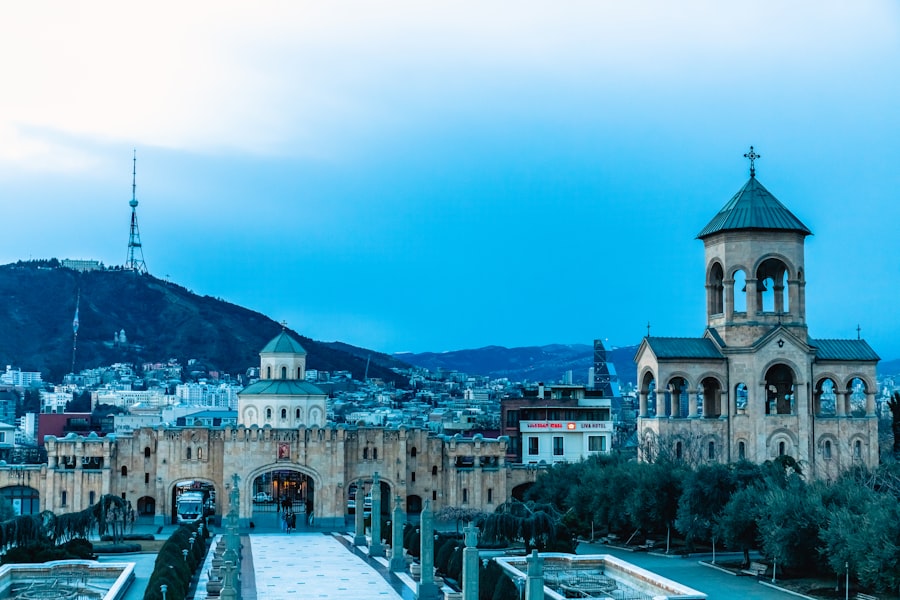
- Visit the Holy Trinity Cathedral (Sameba): As one of the largest Orthodox churches in the world, Sameba dominates the Tbilisi skyline. Its golden dome is visible from almost anywhere in the city, and the surrounding gardens are beautiful to stroll through at sunset.
To make the most of these attractions, this Tbilisi Travel Guide 2026 recommends dedicating at least three full days to exploring the city proper before taking any day trips into the Caucasus mountains.
How to Get Around the City Efficiently
Now let us talk about transport. Getting around Tbilisi is highly affordable, but it can be a bit chaotic if you do not know the local systems. Fortunately, the city has upgraded its public transit network significantly for 2026.
- The Metro: Tbilisi has two metro lines (Red and Green) that intersect at Station Square. It is the fastest way to beat the notorious rush-hour traffic. Trains run frequently from 6:00 AM to midnight.
- Buses and Marshrutkas: The bright blue and green municipal buses run on dedicated lanes along major avenues. Marshrutkas (yellow minibuses) cover more niche routes. You can tap your Metromoney card or a contactless Visa/Mastercard to pay.
- Ride-Hailing Apps: Avoid hailing random taxis on the street, as they lack meters and often overcharge tourists. Instead, download Bolt or Yandex Go. A typical ride across the city center costs between 5 to 12 GEL (2 to 5 USD).
Pro tip for you: When using this Tbilisi Travel Guide 2026, always keep a translation app handy. While younger locals speak excellent English, transit staff and older taxi drivers often only speak Georgian or Russian.
Where to Eat: The Ultimate Georgian Feast
Georgian cuisine is a massive highlight of any trip. It is a delicious fusion of Mediterranean, Middle Eastern, and Eastern European flavors, characterized by fresh herbs, walnuts, garlic, and cheese. Tbilisi has seen a culinary renaissance, with traditional taverns and modern fusion restaurants thriving side-by-side.
If you want to dine like a local, you must know what to order. Here is a quick guide to the absolute must-try dishes and where to find them:
- Khachapuri: The famous cheese-filled bread. Try the Adjaruli version (shaped like a boat with a raw egg and butter on top) at Sakhachapure No. 1 or Cafe Stamba.
- Khinkali: Giant spiced meat dumplings filled with broth. I recommend you take a culinary class or head to Pasanauri or Shavi Lomi to try them. Remember: hold them by the crown, bite a small hole to suck out the hot broth, and then eat the rest, leaving the doughy handle behind.
- Badrijani Nigvzit: Fried eggplant rolls stuffed with a rich, savory walnut garlic paste, topped with fresh pomegranate seeds. You can find excellent versions at Cafe Linville.
- Georgian Wine: Georgia is the cradle of wine, boasting an 8,000-year-old winemaking tradition using clay jars called Qvevri. Visit 8000 Vintages for a curated wine tasting experience with professional sommeliers.
According to TripAdvisor ratings, food and wine tours remain the most highly-rated activities in the city, so make sure to reserve your spots in advance, especially during the peak summer and autumn seasons.
Practical Tips and Safety for Your 2026 Trip
As we wrap up this comprehensive Tbilisi Travel Guide 2026, let us cover a few essential logistics to ensure your trip runs smoothly. Georgia is generally an incredibly safe country for solo travelers, families, and couples alike. Violent crime is rare, but petty theft can happen in crowded tourist spots.
The local currency is the Georgian Lari (GEL). While credit cards are widely accepted in hotels, restaurants, and supermarkets across Tbilisi, it is always wise to carry some cash for small street vendors, flea markets, and tips. ATMs are plentiful throughout the city.
For internet connectivity, you can easily purchase an eSIM online before arrival or buy a physical local SIM card from Magti or Silknet at the Tbilisi International Airport. A weekly unlimited data package costs around 10 to 15 GEL, which is incredibly cheap and highly reliable.
With its warm hospitality, breathtaking architecture, and mouth-watering food, Tbilisi is bound to capture your heart. Use this Tbilisi Travel Guide 2026 to navigate the streets like a pro, and enjoy every moment of your journey through this historic yet modern metropolis!
Frequently Asked Questions
What is the best time to visit Tbilisi in 2026?
The best time is from May to June or September to October, when the weather is mild and crowds are smaller. Summer can be hot, and winter is chilly but festive.
Do I need a visa to visit Tbilisi in 2026?
Most travelers from the US, UK, EU, and many other countries can enter Georgia visa-free for up to 365 days. Always check current regulations before traveling.
Is Tbilisi a safe city for tourists?
Yes, Tbilisi is generally safe, with low violent crime, but be mindful of pickpocketing in crowded areas like metro stations and tourist spots.
What is the local currency and can I use cards in Tbilisi?
The local currency is the Georgian Lari (GEL). Credit cards are widely accepted in hotels, restaurants, and shops, but carry cash for street markets and small vendors.
How easy is it to get around Tbilisi without speaking Georgian?
English is spoken in many tourist areas, and the metro, buses, and ride-sharing apps like Bolt are easy to use. Learning a few Georgian phrases helps.

Isabella Conti writes in-depth travel guides that turn a new destination into familiar ground. She covers what to see, when to go and how to make the most of your time, with practical detail you can actually use.
💬 Comments (0)
No comments yet. Be the first!