Oaxaca Travel Guide 2026: Local Tips
Navigate the vibrant streets of Mexico's culinary capital with our comprehensive Oaxaca Travel Guide 2026.
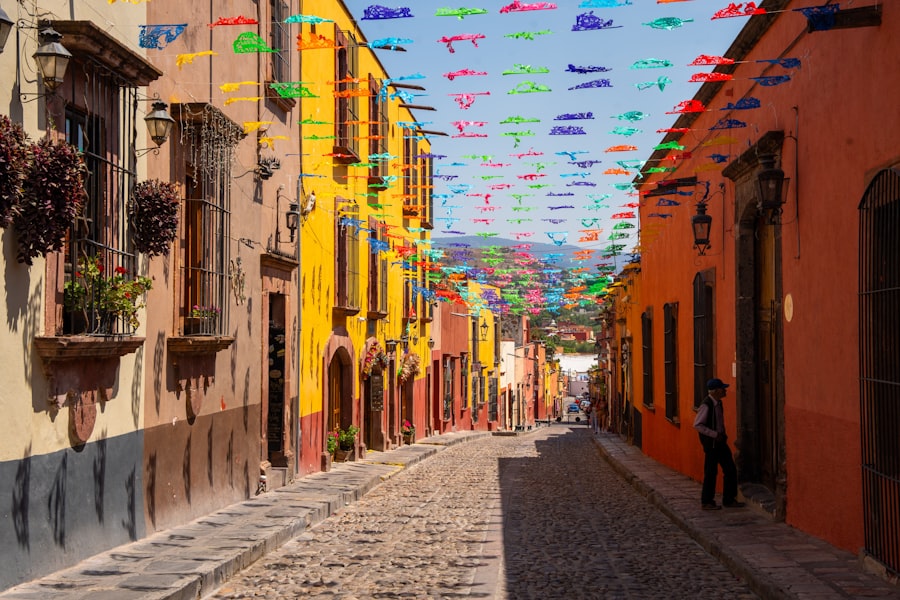
Welcome to your ultimate Oaxaca Travel Guide 2026, your trusted companion for planning an unforgettable journey to the cultural heartbeat of Mexico.
Whether you are a food lover chasing the perfect black mole, an art enthusiast seeking vibrant street murals, or an adventurer looking to explore ancient ruins, this southern Mexican state delivers an unparalleled travel experience. In 2026, Oaxaca continues to captivate global travelers with its seamless blend of indigenous traditions and modern creative energy. Let us dive into everything you need to know to navigate this magical destination like a seasoned local.
Why Oaxaca is Your Go-To Destination in 2026
Oaxaca has transcended its status as a hidden gem to become a premier global destination, yet it remarkably retains its authentic, soulful charm. The city and its surrounding valleys offer a sensory explosion of colors, scents, and sounds. From the moment you step onto the cobblestone streets of the historic center, you will realize why travelers return here year after year.
According to recent Booking.com availability trends for 2026, boutique hotels in the city center are booking out up to six months in advance, proving that the global love affair with this region is stronger than ever. The state tourism board data also highlights a rise in sustainable community-based tourism, making it easier for you to support local artisans directly. Planning your trip using a comprehensive Oaxaca Travel Guide 2026 ensures you beat the crowds and experience the true essence of this region.
Where to Stay: Choosing Your Perfect Neighborhood
If you are wondering about the best place to lay your head at night, Oaxaca City offers distinct neighborhoods that cater to different travel styles. Finding the right base will shape your entire experience.
Centro Historico
This is the heart of the action. Staying here puts you within walking distance of the Santo Domingo Church, major markets, and top-tier restaurants. The architecture is stunning, featuring colorful colonial mansions converted into cozy bed and breakfasts. Expect to pay between 1,200 to 3,500 Mexican Pesos (MXN) per night for mid-range accommodations here.
Jalatlaco
For a quieter, more artistic vibe, head to Jalatlaco. This historic barrio is famous for its cobblestone streets, low-rise buildings, and vibrant murals. It is incredibly picturesque and feels like a peaceful village tucked away inside a bustling city. It is the perfect spot for digital nomads and slow travelers.
Xochimilco
As the oldest neighborhood in the city, Xochimilco is famous for its historic stone aqueduct and traditional textile workshops. It offers a highly authentic local feel while still being a manageable 15-minute walk to the central plaza.
Money-Saving Secret: Many local guesthouses and family-run hostels do not list their rooms on major booking engines. If you are traveling on a budget, look up properties on local tourism directories and book directly via WhatsApp. You can easily save 15% to 20% by avoiding third-party platform fees.

How to Get Around the City and Valleys
Navigating Oaxaca is relatively straightforward once you understand the local transportation ecosystem. While the historic center is highly walkable, you will need to use public transit or private drivers to explore the surrounding craft villages and archaeological sites.
Now let us talk about your transportation options so you can move around efficiently and safely during your stay:
- Colectivos (Shared Taxis): These are red-and-white sedans that run on fixed routes between the city and outlying villages like Tlacolula or Ocotlan. You can catch them near the Central de Abastos market. They are incredibly cheap, usually costing between 20 to 45 MXN per seat.
- Local Buses: City buses are highly affordable, costing around 8 to 10 MXN per ride. Look for the destination written on the windshield. Take the "Colonia Reforma" line if you want to travel north from the center.
- Didi and Official Taxis: While Uber does not operate here, the Didi ride-hailing app is widely used and highly secure. Alternatively, you can hail yellow city cabs. Always agree on the fare before stepping inside, as they do not use meters. A typical ride within the center should cost 50 to 80 MXN.
- Car Rentals: Renting a car gives you ultimate freedom to explore the Sierra Norte mountains. Major agencies operate out of the Oaxaca International Airport (OAX), with daily rates starting around 600 MXN in 2026.
Top Things to Do in Oaxaca
No Oaxaca Travel Guide 2026 would be complete without a curated list of must-visit attractions. To help you structure your itinerary, here are the absolute non-negotiable experiences you must add to your travel bucket list.
Moving on to the essential experiences that define this beautiful region:
- Explore Monte Alban: This ancient Zapotec capital sits on a flattened mountaintop overlooking the valley. Arrive at 8:00 AM sharp to beat the midday sun and the tour buses. Entry is around 95 MXN, and you should budget at least three hours to explore the pyramids and plazas.
- Marvel at Hierve el Agua: These stunning petrified waterfalls are a natural wonder. You can swim in the cliffside mineral pools while gazing out at the rugged mountains. For the best experience, hire a local guide from the San Lorenzo Albarradas community.
- Visit the Sunday Market in Tlacolula: This is one of the oldest continuously operating markets in Mesoamerica. You will see indigenous merchants wearing traditional dress, selling everything from handmade pottery to live poultry. It is a true sensory adventure.
- Admire the Templo de Santo Domingo: This baroque masterpiece features an interior covered in glittering gold leaf. The adjacent botanical garden, Jardin Etnobotanico, is equally spectacular but requires a guided tour to enter.
Pro tip for you: When visiting Hierve el Agua, bypass the crowded main pools and take the short, steep hiking trail that leads down to the base of the petrified waterfall. You will get a completely different perspective of the massive stone formations, and you will likely have the entire trail to yourself.
A Culinary Journey: Where and What to Eat
Oaxaca is widely regarded as the culinary capital of Mexico. The local cuisine is deeply rooted in ancestral techniques, utilizing unique ingredients like heirloom corn, dried chilies, and even edible insects.
If you check TripAdvisor ratings, you will find that even the humblest market stalls in this city rival the finest dining establishments in terms of flavor and satisfaction. Here is where you should eat to experience the best of the local food scene:
- Mercado 20 de Noviembre: Head straight to the "Pasillo de de Humo" (Hall of Smoke). This narrow alleyway is lined with vendors grilling tasajo (thinly sliced beef), cecina (spiced pork), and chorizo over hot coals. You buy your meat by the kilo, and tlayuda vendors will bring you fresh tortillas, grilled onions, and salsa to complete your feast.
- Criollo: For a high-end, modern interpretation of Oaxacan flavors, book a table at Criollo. Co-founded by chef Enrique Olvera, this restaurant offers a rotating multi-course tasting menu served in a beautiful, minimalist courtyard. Expect to pay around 1,500 to 2,000 MXN per person.
- Alfonsina: Located in the village of San Juan Bautista La Raya near the airport, this hidden gem is run by a mother-son duo. It serves exceptional traditional home cooking in a casual backyard setting. It is highly recommended to book your spot in advance.
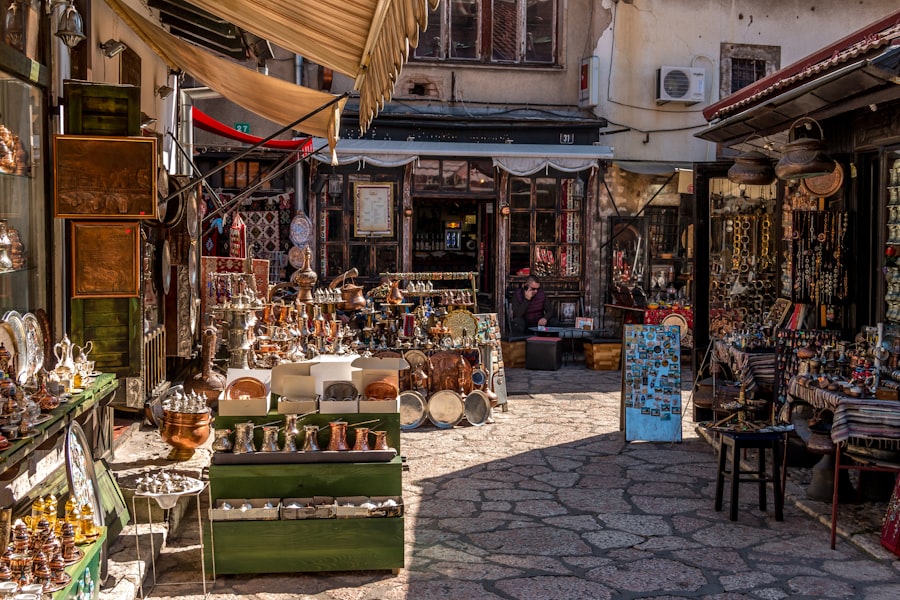
- Street Food Stands: Do not miss out on street-side tamales, memelas (thick corn cakes topped with bean paste, cheese, and salsa), and tetelas (triangular pockets of corn masa stuffed with beans and avocado leaf). These quick bites usually cost less than 25 MXN each.
Essential Practical Tips for Your 2026 Trip
To ensure your journey goes smoothly, keep these practical tips in mind as you finalize your plans using this Oaxaca Travel Guide 2026. First, cash is king. While high-end restaurants and boutique hotels accept credit cards, local markets, street food stalls, and public transport require cash. Always carry small bills (20, 50, and 100 MXN notes), as vendors often struggle to make change for larger bills.
Second, stay hydrated but never drink the tap water. Stick to bottled or filtered water, which is readily available. Most reputable restaurants use purified ice, but it is always wise to carry basic stomach remedies just in case your digestive system needs time to adjust to the rich local spices.
Finally, respect the local culture. When taking photos of indigenous artisans or market vendors, always ask for permission first out of courtesy. Purchasing their handmade goods directly at the asking price, without aggressive bargaining, is the best way to support the local economy and preserve these incredible traditions for years to come.
With its rich history, unparalleled culinary heritage, and welcoming locals, Oaxaca promises to be a destination that stays in your heart long after you return home. Use this Oaxaca Travel Guide 2026 to plan your daily adventures, embrace the slow pace of life, and immerse yourself fully in the magic of this southern Mexican paradise.
Frequently Asked Questions
What is the best time to visit Oaxaca in 2026?
Visit between October and April for dry, sunny weather, but book early for Day of the Dead (late October-early November) when the city is busiest.
Is it safe to travel to Oaxaca City as a tourist in 2026?
Yes, Oaxaca City is generally safe for tourists, but stick to well-lit areas at night and use official taxis or ride-hailing apps.
What local dishes should I not miss in Oaxaca?
Try tlayudas, moles, and chapulines (grasshoppers), and be sure to visit a local market for fresh quesillo and chocolate.
Are there any unique cultural events in Oaxaca in 2026?
Don't miss the Guelaguetza festival in July, featuring Indigenous dances and crafts, and the weekly market in Tlacolula for authentic local experiences.
How can I travel sustainably and support local communities in Oaxaca?
Stay in family-run guesthouses, buy crafts directly from artisans, and use shared or public transport like colectivos to reduce your carbon footprint.

Isabella Conti writes in-depth travel guides that turn a new destination into familiar ground. She covers what to see, when to go and how to make the most of your time, with practical detail you can actually use.
💬 Comments (0)
No comments yet. Be the first!