Cusco Travel Guide 2026: Ultimate Tips
Our comprehensive Cusco Travel Guide 2026 helps you navigate the historic Inca capital, find great food, and beat the crowds.
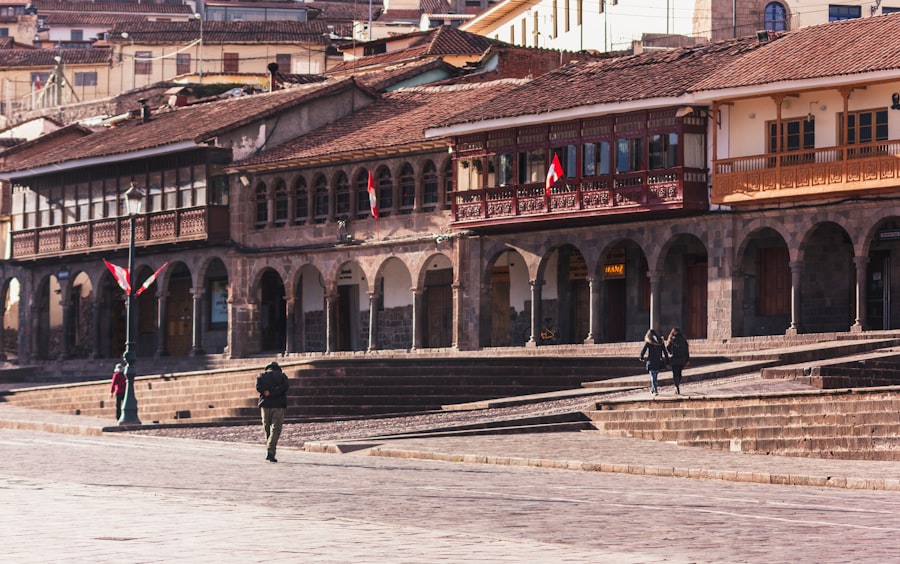
Welcome to the ultimate Cusco Travel Guide 2026, your definitive companion to navigating the ancient capital of the Inca Empire. Nestled high in the Peruvian Andes, this breathtaking city is much more than just a gateway to Machu Picchu. In 2026, Cusco continues to captivate global travelers with its seamless blend of massive Incan stone walls, colonial Spanish architecture, and a thriving modern culinary scene. Whether you are a history buff, an adventure seeker, or a digital nomad, this guide will help you navigate the cobblestone streets like an experienced local.
Planning a trip to the Andes requires careful preparation, especially regarding altitude, local transport, and reservation timelines. According to recent data from the official Cusco tourism board, visitor numbers are reaching new peaks, making forward planning more critical than ever. In this comprehensive Cusco Travel Guide 2026, we will cover everything from acclimation strategies and neighborhoods to the best local eateries, ensuring your Andean adventure is nothing short of extraordinary.
Understanding Cusco: Climate, Altitude, and Best Time to Visit
Before you pack your bags, you must understand the unique geography of this high-altitude destination. Cusco sits at an elevation of approximately 3,400 meters (11,152 feet) above sea level. This is significantly higher than the Sacred Valley and even Machu Picchu itself. If you do not prepare for the altitude, your first few days could be marred by headaches and fatigue. I recommend you take at least 24 to 48 hours to rest, hydrate, and adjust before embarking on any strenuous hikes.
The weather in Cusco is divided into two distinct seasons: the dry season (May to October) and the wet season (November to April). The dry season offers clear blue skies and sunny days, which are perfect for trekking, though nights can drop below freezing. The wet season brings frequent rain showers, but it also turns the surrounding mountains a brilliant green and dramatically reduces the crowds. According to current Booking.com availability trends for 2026, hotel rates drop by up to thirty percent during the shoulder months of April and November, offering a fantastic balance of decent weather and lower prices.
Traveler’s Warning: Do not underestimate soroche (altitude sickness). Avoid heavy meals, alcohol, and intense physical activity on your first day. Drink plenty of coca tea, which is readily available in almost every hotel lobby, and consider asking your doctor for an acetazolamide prescription before you leave home.
How to Get to Cusco and Navigate the City
Most international travelers arrive in Peru via Jorge Chavez International Airport in Lima before catching a domestic flight to Alejandro Velasco Astete International Airport in Cusco. The flight from Lima takes about one hour and twenty minutes. Keep in mind that afternoon flights into Cusco are frequently delayed or canceled due to high winds in the Andes, so I highly recommend booking a morning departure.
If you are wondering about the best way to navigate the city once you arrive, you will be pleased to know that Cusco is highly walkable, especially around the historical center. However, those steep cobblestone hills can quickly leave you out of breath. Fortunately, local transport is both abundant and highly affordable.
How to Get Around Cusco
- Colectivos (Local Buses): These are small vans that run designated routes throughout the city. They cost around 1 to 1.50 Peruvian Soles (about 0.30 to 0.40 USD) per ride. Look for the destination signs on the windshield, or ask locals for the right route.
- Official Taxis: You will find thousands of taxis roaming the streets. Always agree on a price before getting in, as they do not use meters. A standard ride within the historic center should cost between 7 and 10 Soles (2 to 3 USD).
- Ride-Hailing Apps: In 2026, apps like Uber and Cabify operate reliably in Cusco. This is often the safest and most convenient option for travelers who prefer a fixed price and GPS tracking.
Where to Stay: Cusco’s Best Neighborhoods
Choosing the right neighborhood can make or break your experience. This Cusco Travel Guide 2026 highlights the three best areas to base yourself, depending on your travel style and budget.
San Blas: The Bohemian Artisan District
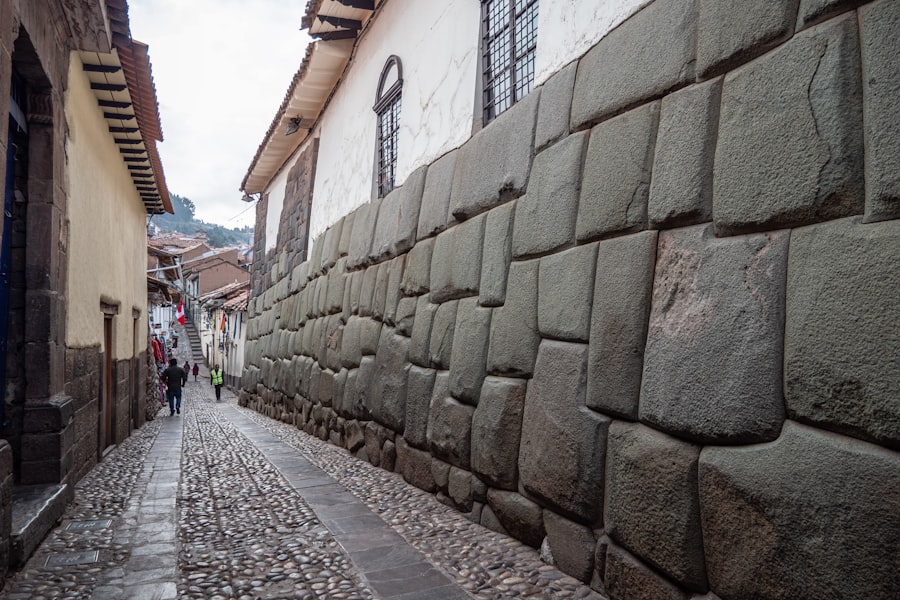
If you love narrow cobblestone alleys, artisan workshops, and trendy vegetarian cafes, San Blas is the neighborhood for you. Located just a steep climb uphill from the main square, this area offers incredible panoramic views of the city. It feels like a quiet village tucked away from the bustling center. Just be prepared for a daily workout climbing the steps to your hotel.
Centro Historico: The Heart of the Action
For first-time visitors who want to be steps away from top sights, the Centro Historico is the ideal choice. Staying near the Plaza de Armas puts you within walking distance of the Cusco Cathedral, museums, and high-end restaurants. Hotels here range from budget-friendly hostels to five-star luxury properties housed in restored colonial monasteries.
Lucrepata and Santa Ana: Quieter Local Alternatives
Moving on to those who prefer a quieter, more residential vibe, Lucrepata is a fantastic option. It is located just next to San Blas but features fewer steep climbs and a more relaxed local atmosphere. Santa Ana is another historic neighborhood that offers stunning views and budget-friendly guesthouses, though it is a bit further from the main tourist hubs.
Top Things to Do in Cusco in 2026
Cusco is packed with historical landmarks, vibrant markets, and ancient ruins that demand your attention. You could easily spend a week here and still not see everything. Based on high TripAdvisor ratings and feedback from seasoned travelers, here are the absolute must-visit attractions to add to your itinerary.
Top Things to Do
- Explore the Plaza de Armas and Cusco Cathedral: Start your journey in the beautiful main square, admiring the grand colonial architecture built directly on top of ancient Inca palaces.
- Marvel at Sacsayhuaman: This massive Inca fortress sits on a hill overlooking the city. The giant stones are fitted together so precisely that you cannot even slip a piece of paper between them.
- Shop at San Pedro Market: Immerse your senses in this bustling local market. Here you can find everything from colorful handwoven textiles and fresh tropical fruits to local specialties like frog broth and alpaca jerky.
- Visit the Temple of the Sun (Qorikancha): Once the most important temple in the Inca Empire, its gold-lined walls were looted by the Spanish, who then built the Convent of Santo Domingo directly on top of the masterfully carved Incan foundations.
Pro tip for you: If you plan on visiting multiple archaeological sites in Cusco and the Sacred Valley, you must purchase the Boleto Turistico (Tourist Ticket). This ticket cannot be bought online; you must purchase it in person at the official office on Avenida El Sol or at the entrance of any major site included on the ticket. It costs 130 Soles (around 35 USD) for the full 10-day pass, which is a massive money-saver compared to buying individual entry tickets.
Where to Eat: Experiencing Cusco’s Culinary Revolution
Now let's talk about the incredible food scene. Peruvian cuisine is celebrated worldwide, and Cusco is a culinary powerhouse in its own right. From traditional Andean dishes like cuy (guinea pig) and alpaca steak to modern fusion concepts, your taste buds are in for a treat. In this Cusco Travel Guide 2026, we highly recommend trying both high-end establishments and local family-run eateries known as picanterias.
Where to Eat
- Morena Peruvian Kitchen: Located just off the Plaza de Armas, this colorful restaurant offers modern, beautifully presented twists on classic Peruvian dishes like Lomo Saltado and Ceviche. Booking in advance is highly recommended.
- Cicciolina: A legendary upscale dining spot located in a warm, rustic attic. It serves exceptional Mediterranean-Andean fusion cuisine and features an outstanding wine list.
- Organika: Perfect for health-conscious travelers, this restaurant sources its fresh ingredients directly from its organic garden in the Sacred Valley, offering delicious farm-to-table dishes.
- San Pedro Market Food Stalls: For the ultimate budget meal, head to the back of the market and order a hearty plate of Arroz con Pollo or a steaming bowl of chicken noodle soup for less than 3 USD.
Final Tips for an Unforgettable Trip
As you finalize your itinerary using this Cusco Travel Guide 2026, remember that the key to a successful Andean journey is flexibility. Mountain weather can change in an instant, and striking transport strikes can occasionally disrupt travel plans. Always carry some cash in Peruvian Soles, as small shops and market vendors rarely accept credit cards. Keep an open mind, respect the local traditions, and take your time to savor the magical energy of this ancient mountain city. Your journey to the heart of the Inca world promises to be an experience you will cherish for a lifetime.
Frequently Asked Questions
What is the best time to visit Cusco in 2026?
The best time is during the dry season from May to September, when you'll enjoy sunny days and clear skies. Avoid March and April if possible, as heavy rains can disrupt travel plans.
Do I need to acclimatize to the altitude in Cusco before exploring?
Yes, absolutely—spend at least 2 days in Cusco (3,400m) to acclimatize before heading to higher sites like Machu Picchu. Drink plenty of water, avoid heavy meals, and consider natural remedies like coca tea.
What are the must-see attractions in Cusco besides Machu Picchu?
Don't miss the Sacred Valley, Sacsayhuamán fortress, Qorikancha temple, and the vibrant San Pedro Market for local culture. Combine these with less crowded ruins like Tambomachay for a fuller experience.
Is it safe to travel to Cusco in 2026?
Yes, Cusco is generally safe for tourists, but petty theft can occur—stay alert in crowded areas and use official taxis. Follow local advice and avoid walking alone late at night in isolated neighborhoods.
What essential items should I pack for a Cusco trip?
Pack layers for temperature swings, including a warm jacket, sun protection (hat, sunglasses, high-SPF sunscreen), and rain gear. Don't forget comfortable walking shoes and medication for altitude sickness as a backup.

Isabella Conti writes in-depth travel guides that turn a new destination into familiar ground. She covers what to see, when to go and how to make the most of your time, with practical detail you can actually use.
💬 Comments (0)
No comments yet. Be the first!