Sarajevo Travel Guide 2026: Local Tips
Discover the best things to do in Bosnia's capital with our complete Sarajevo Travel Guide 2026, from local food to history.
If you are planning an unforgettable journey to Europe's most captivating crossroads, this comprehensive Sarajevo Travel Guide 2026 is your ultimate resource to navigate a city where East meets West in perfect harmony.
Why Sarajevo is Europe's Most Compelling Destination in 2026
Sarajevo is a city that captures your soul the moment you step onto its historic streets. Nestled in a valley surrounded by the Dinaric Alps, the capital of Bosnia and Herzegovina has emerged as a premier cultural destination for travelers seeking authenticity, deep history, and warm hospitality. Unlike other European capitals that feel overcrowded and commercialized, Sarajevo in 2026 retains its raw charm and incredibly affordable prices.
Whether you are standing on the spot that triggered World War I or sipping Bosnian coffee in a centuries-old bazaar, the city offers a sensory journey unlike any other. According to recent data from the official Sarajevo Tourism Board, visitor numbers have steadily grown, yet the city remains remarkably budget-friendly compared to its regional neighbors. Let us dive into everything you need to know to plan your perfect trip.
The Best Neighborhoods to Explore and Where to Stay
If you are wondering about the best places to base yourself, Sarajevo is a highly walkable city divided into distinct historical zones. I recommend you choose your accommodation based on the vibe you want to experience.
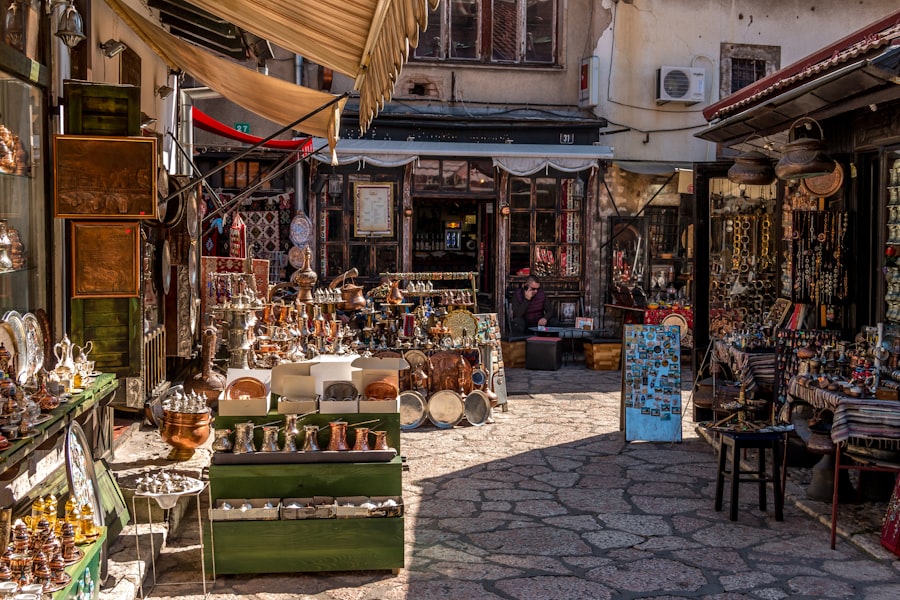
Bascarsija: The Ottoman Heart
This is the historic 15th-century Ottoman bazaar and the emotional core of the city. Staying here means you will wake up to the sound of coppersmiths hammering in alleyways and the aroma of freshly baked somun bread. The cobblestone streets are filled with boutique guesthouses. Booking.com availability for traditional pensions in this area is excellent if you reserve a few weeks in advance, with prices ranging from 30 to 60 BAM (Bosnian Convertible Mark) per night, which is roughly 15 to 30 Euros.
Centar: The Austro-Hungarian Elegance
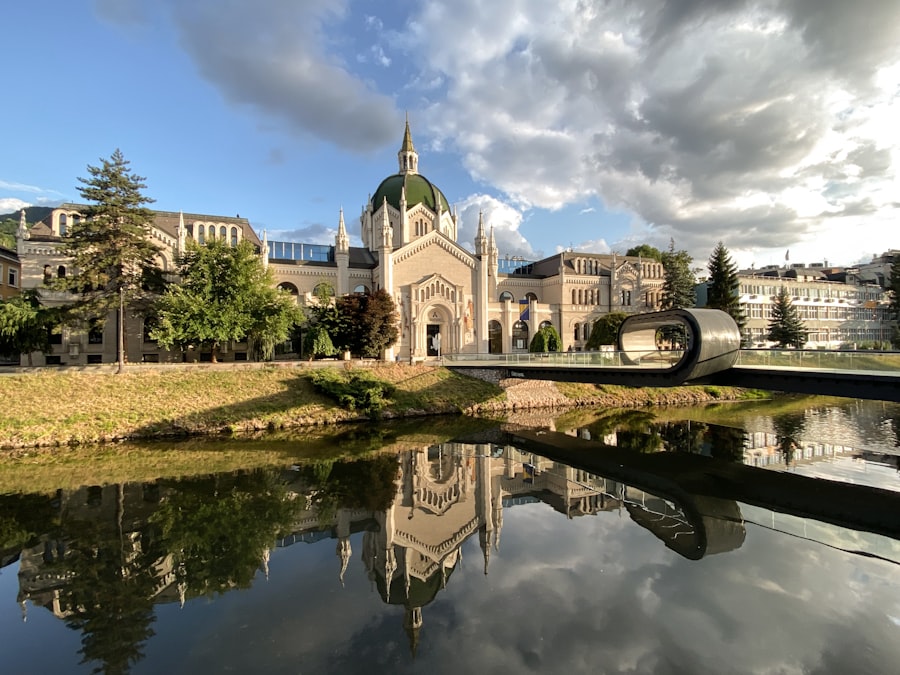
Just a short walk from the bazaar, the architecture transitions seamlessly into grand Austro-Hungarian buildings. Centar is ideal if you prefer modern hotels, trendy cafes, and shopping districts. It hosts the Sarajevo National Theater and major museums. This area is highly recommended for first-time visitors who want a mix of historical charm and modern amenities.
Grbavica: The Local, Green Escape
If you want to escape the tourist crowds, head further down the Miljacka River to Grbavica. This neighborhood is famous for its leafy avenues, socialist-era architecture, and fantastic riverside walking paths. It offers a authentic glimpse into local life, with superb local green markets and cheap dining options.
Money-Saving Secret: While major hotels accept credit cards, Bosnia and Herzegovina remains a heavily cash-based society. Always carry local cash (Bosnian Convertible Mark, abbreviated as BAM or KM). Many small bakeries, tram kiosks, and market stalls do not accept cards, and you will get a much better exchange rate using local ATMs rather than airport exchange booths.
Top Things to Do: Your Ultimate Sarajevo Itinerary
Now let's talk about the absolute highlights of your trip. Sarajevo is a city where every corner tells a story, and you will want at least three full days to take it all in. This Sarajevo Travel Guide 2026 recommends prioritizing a mix of historical sites and natural viewpoints.
- Visit the Latin Bridge: Stand on the historic northern corner of this Austro-Hungarian bridge where Archduke Franz Ferdinand was assassinated in 1914, an event that sparked the First World War.
- Take the Sarajevo Cable Car to Trebevic Mountain: Reopened and modernized, this cable car takes you from the edge of the old town up to Mount Trebevic in just nine minutes. You can walk along the abandoned 1984 Winter Olympics bobsled track, which is now covered in vibrant graffiti.
- Explore the Tunnel of Hope (Tunel Spasa): This underground tunnel was the hand-dug lifeline for the city during the historic siege in the 1990s. It is an emotional, educational, and essential stop to understand the city's modern history.
- Drink from the Sebilj Fountain: Legend says that if you drink water from this wooden, Ottoman-style fountain in the center of Bascarsija square, you will return to Sarajevo in the future.
How to Get Around: Public Transport and Navigation
Moving on to the logistics of navigating the city, Sarajevo is highly accessible, though its unique geography means you will use a mix of walking and public transit.
The city stretches along a narrow valley, meaning it is very easy to navigate. You can follow the river to find your way back to the center. For longer distances, the public transport network is efficient and highly affordable.
- Trams (Line 3): This is the most crucial transit line for tourists. Tram Line 3 runs from the Ilidza suburb all the way to Bascarsija, cutting straight through the main boulevard of the city. Single tickets cost 1.80 BAM when bought at a kiosk, or 2.50 BAM directly from the driver.
- Trolleybuses: These lines (such as 101 and 103) connect the northern parts of the city to the southern neighborhoods like Grbavica, running parallel to the tram lines.
- Taxis: Taxis are highly affordable compared to Western European standards. Ensure the driver turns on the taximeter (which starts at 2.50 BAM). A ride from the city center to the main bus station should not cost more than 10 BAM.
Pro tip for you: If you plan to visit the Sarajevo Tunnel of Hope independently, take Tram Line 3 to the final stop at Ilidza, and then board Bus 32 to Kotorac. It is much cheaper than booking a private taxi and offers a wonderful glimpse into the daily suburban life of locals.
Where to Eat: A Culinary Journey in Sarajevo
Bosnian cuisine is a delicious blend of Ottoman, Austro-Hungarian, and Balkan influences. It is hearty, meat-heavy, and incredibly satisfying. No Sarajevo Travel Guide 2026 would be complete without highlighting the best local dishes you must try.
You must throw away your diet plans when visiting this city because the bakeries and grill houses are irresistible. Food here is treated as an art form, and meals are meant to be enjoyed slowly over deep conversations.
- Cevabdzinica Zeljo: Located in the heart of Bascarsija, this legendary spot has a near-perfect TripAdvisor rating from thousands of travelers. You must order the traditional Cevapi (grilled minced meat sausages served inside flatbread called somun, with onions and kaymak cream).
- Buregdzinica Sac: This is where you go to try traditional Bosnian pies (pita). Cooked under a metal dome covered with hot coals, the meat-filled Burek, potato-filled Krompirusa, and cheese-filled Sirnica are crispy, flaky, and rich.
- Cajdzinica Dzirlo: A cozy, whimsical tea house near the yellow fortress where you can experience authentic Bosnian coffee served in traditional copper pots (dzezva) alongside Turkish delight.
Safety and Practical Tips for Travelers
If you are wondering about safety in 2026, Sarajevo is incredibly safe, boasting lower violent crime rates than many major Western European capitals. However, as with any popular tourist destination, basic precautions apply.
Pickpocketing can occasionally occur on crowded public transport, especially on Tram Line 3 during peak afternoon hours. Keep your belongings secure and your backpacks worn on your front when riding the tram. Additionally, if you hike in the mountains surrounding the city, always stick to marked paths, as some Uncleared minefields from the 1990s war still exist in remote, deep forest areas far away from the city.
In conclusion, Sarajevo is a city of resilience, warmth, and breathtaking beauty. By following this Sarajevo Travel Guide 2026, you will navigate the streets like a local, eat the best food the Balkans have to offer, and create memories that will last a lifetime. Pack your walking shoes and prepare to fall in love with this unforgettable European gem.
Frequently Asked Questions
What is the best time of year to visit Sarajevo in 2026?
Spring (April-May) and early autumn (September-October) offer pleasant weather and fewer crowds, ideal for exploring the city. Winter is also magical for snow and cozy cafés, but be prepared for cold temperatures.
How can I get around Sarajevo like a local?
Use the city's tram network and walkable old town—locals often walk or use trams for main routes. Taxis are affordable but make sure to confirm the fare or use a ride-hailing app.
What local dishes should I not miss in Sarajevo?
Try ćevapi (grilled minced meat), burek (flaky pastry), and the traditional Bosnian coffee. For dessert, don't skip the baklava or tufahija (stuffed apple).
Is Sarajevo safe for tourists in 2026?
Yes, Sarajevo is generally safe, but like any city, stay alert in crowded areas and avoid unlit streets at night. Petty theft is rare but keep an eye on your belongings in busy markets.
What are some hidden gems off the tourist path?
Visit Vratnik old town's fortifications for panoramic views, explore the War Tunnel Museum for history, and hang out at local coffee spots in the artsy district of Čaršija. Also, check out the abandoned Olympic bobsled track on Trebević Hill.

Lars Lindgren puts together detailed guides to cities and regions, drawing on his own travels to flag the things worth your time. He focuses on clear, honest advice that holds up once you are actually on the ground.
💬 Comments (0)
No comments yet. Be the first!