Siena Travel Guide 2026: The Ultimate Tuscan Trip
Plan your Tuscan getaway with our comprehensive Siena Travel Guide 2026, featuring historic spots and local photography tips.
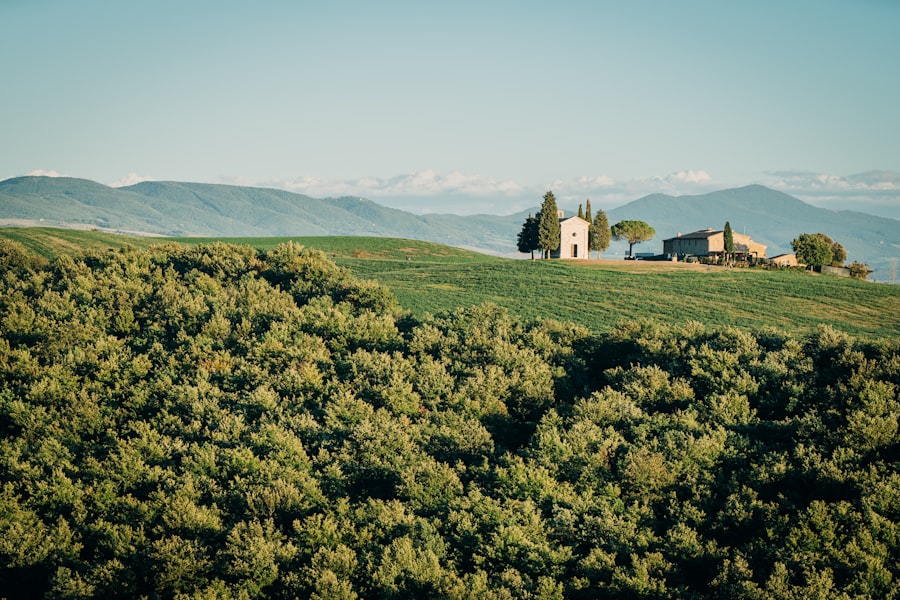
If you are planning a trip to Tuscany, this comprehensive Siena Travel Guide 2026 is your ultimate companion to navigating one of Italy’s most enchanting medieval cities. With its soaring brick towers, winding cobblestone alleys, and rich traditions, Siena offers a step back in time that rivals any destination in Europe. Unlike its bustling neighbor Florence, Siena retains an intimate, slow-paced charm that makes it perfect for both a weekend getaway and a base for exploring the Tuscan countryside in 2026.
Why Siena Belongs on Your 2026 Travel Itinerary
Siena is a masterpiece of medieval preservation. Built across three hills, the city is divided into seventeen distinct districts, or contrade, each boasting its own museum, fountain, and fierce neighborhood pride. The entire historic center is designated as a UNESCO World Heritage site, and stepping inside its walls feels like walking through a living museum.
In 2026, the city is more accessible and vibrant than ever. According to recent data from the Siena Official Tourism Board website, the city has implemented new eco-friendly initiatives to preserve its historic streets while expanding pedestrian-only zones. This means you can wander the ancient pathways with fewer crowds and cleaner air, making your experience truly unforgettable.
Top Things to Do in Siena
Whether you have twenty-four hours or a full week, planning your itinerary is the most exciting part of reading a Siena Travel Guide 2026. The city is compact, but it is packed with cultural treasures. Here is a curated list of the absolute best things to do during your visit:
- Marvel at the Piazza del Campo: This shell-shaped public space is the heart of the city. Grab a gelato, sit on the sun-warmed bricks, and admire the Palazzo Pubblico and the Torre del Mangia.
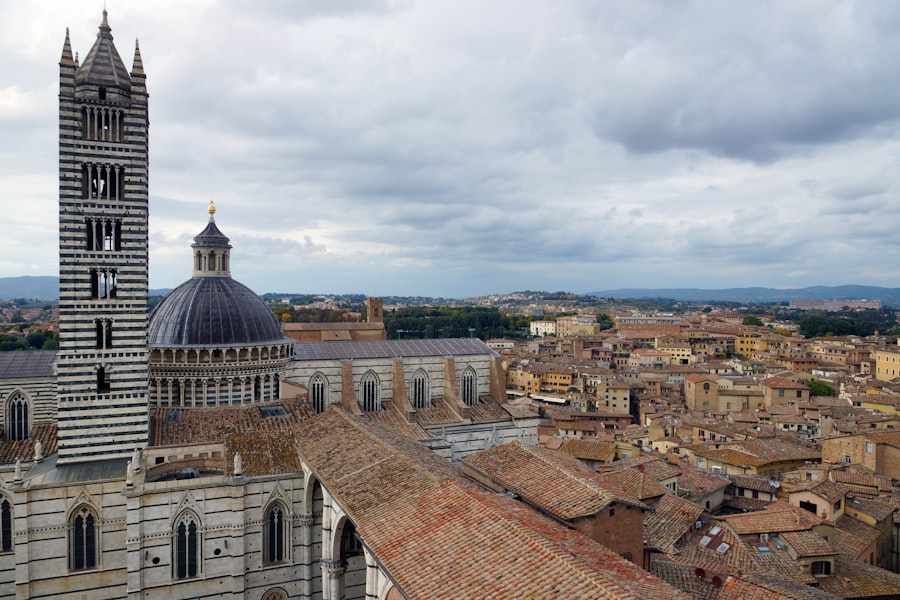
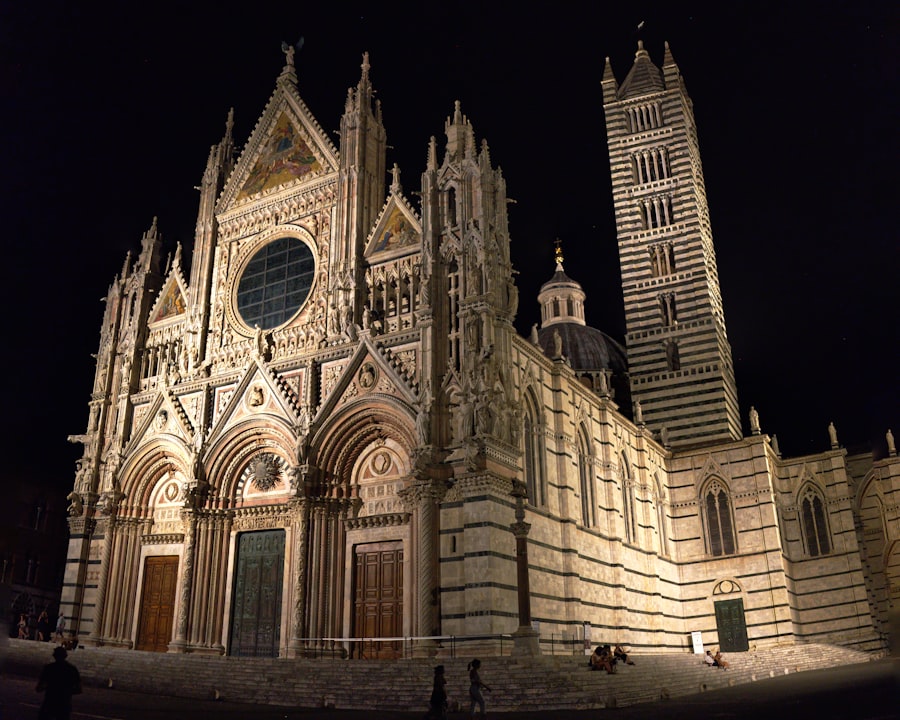
- Explore the Duomo di Siena: The cathedral is a gothic masterpiece. Do not miss the breathtaking marble pavement, which is fully uncovered for public viewing only a few weeks each year, usually in late summer.
- Climb the Torre del Mangia: For the best view in town, climb the 400-plus steps of this 88-meter tower. The panoramic vistas of the Tuscan hills are worth every single step.
- Visit the Santa Maria della Scala: Once one of Europe’s first hospitals, this massive complex across from the Duomo is now a fascinating museum housing centuries of art and history.
- Stroll Through the Fortezza Medicea: Built by the Medici family, this massive fortress is now a public park where locals jog, walk their dogs, and enjoy outdoor wine tastings in the evening.
If you're wondering about the best time to visit, spring and autumn offer the most pleasant weather, with temperatures ranging from 15 to 22 degrees Celsius. Summer brings the famous Palio horse race on July 2 and August 16, which is an incredible spectacle but also brings massive crowds and peak accommodation prices.
Traveler’s Warning: If you plan to visit Siena during the Palio horse race weeks in July or August 2026, you must book your accommodation at least eight to ten months in advance. Room rates on Booking.com routinely triple during this period, and many central streets are completely closed to regular pedestrian traffic on race days.
Where to Eat: Authentic Sienese Flavors
Now let's talk about food, which is a vital part of any Italian adventure. Sienese cuisine is rustic, hearty, and deeply connected to the surrounding farmland. From thick pici pasta to sweet panforte, your taste buds are in for a treat.
When searching for the best dining spots, TripAdvisor ratings are a great starting point, but the real secret is to wander away from the main squares into the quieter contrade. Here are a few highly recommended spots to satisfy your cravings:
- Osteria Boccon del Prete: Located just a short walk from the Duomo, this cozy spot serves incredible pici alle briciole (thick pasta with breadcrumbs) and tender wild boar stew. Expect to spend 18 to 30 Euros per person for a full meal.
- Antica Salumeria Salvini: Located slightly outside the city walls, this is the place to go for a casual lunch. Order a custom-made panino filled with local pecorino cheese and finocchiona (fennel salami) for about 6 to 8 Euros.
- Gino Cacino di Angelo: A paradise for cheese and cured meat lovers. Sit at the counter and let the owner curate a custom tasting platter paired with local Chianti Classico wine.
- Pasticceria Nannini: The most famous pastry shop in Siena. Stop by for a morning espresso and a slice of ricciarelli (soft almond cookies) or panforte (dense spiced fruit cake).
Pro tip for you: avoid restaurants with tourist menus translated into five languages displayed outside the door. True Sienese trattorias usually have small, daily changing menus written only in Italian.
Navigating the City: How to Get Around
Moving on to logistics, navigating Siena is relatively straightforward once you understand its layout. The historic center is almost entirely pedestrianized, meaning you will do a lot of walking. Comfortable shoes are not optional; they are a necessity, as the streets are steep and paved with uneven stones.
To help you plan your transit, here is a quick guide on how to get around the city and reach nearby Tuscan destinations:
- By Foot: This is the best way to see the city. Most major attractions are within a 15-minute walk of each other, though the hills will give your legs a great workout.
- Local Buses (Autolinee Toscane): If your legs need a break, local minibuses (Pollicino) navigate the narrow streets of the historic center. Tickets cost 1.70 Euros and are valid for 90 minutes.
- Taxis: Taxis are available at designated ranks near the train station and Piazza Matteotti. A ride within the city walls typically costs between 8 and 12 Euros.
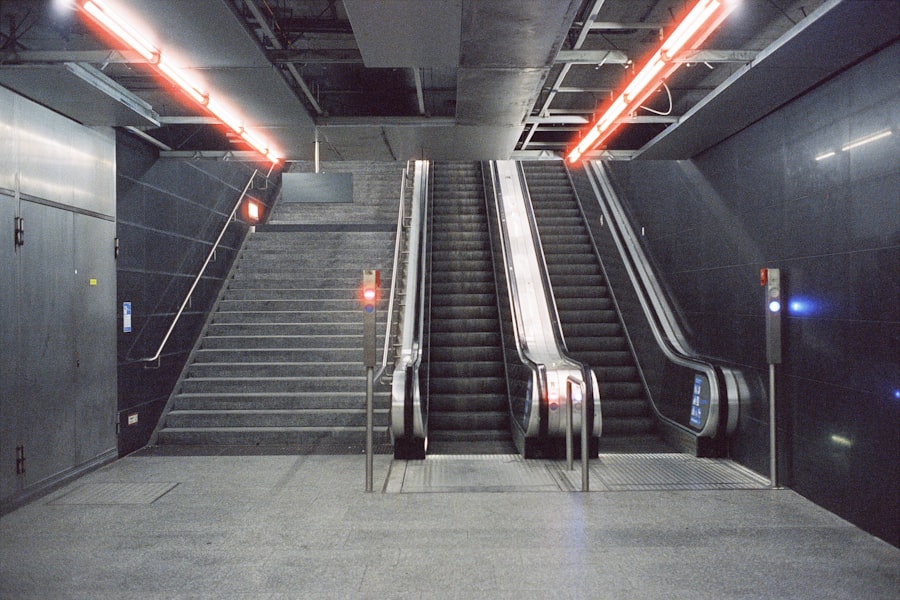
- Regional Trains: The Siena Train Station is located at the bottom of the hill. You can take a direct train to Florence (about 1.5 hours, costing around 10 Euros) or connect to Pisa and Rome. An underground system of escalators (Risalita Stazione) connects the station to the city center near Porta Camollia.
If you're wondering about arriving by car, remember that driving inside the historic walls is strictly prohibited for non-residents. You will face heavy fines if you enter the ZTL (Zona a Traffico Limitato). Instead, park in one of the paid parking lots outside the walls, such as Parcheggio Stadio or Parcheggio San Francesco, which cost about 2 Euros per hour or 20 Euros per day.
Where to Stay: Neighborhood Guide
Choosing the right neighborhood can make a big difference in your experience. Since the city is divided into distinct districts, each has its own unique vibe. For your 2026 trip, check Booking.com availability early to secure the best spots in these top areas.
Terzo di Citta
This is the oldest part of Siena, situated on the highest clay hills. It is quiet, incredibly atmospheric, and home to the Duomo. Staying here means you will wake up just steps from the cathedral, making it perfect for couples and history enthusiasts looking for a romantic atmosphere.
Terzo di San Martino
Located around the Piazza del Campo, this area is vibrant and bustling. It is the ideal place to stay if you want to be in the center of the action, with dozens of bars, restaurants, and shops right at your doorstep. It can be a bit noisy at night, but the energy is unmatched.
Terzo di Camollia
This northern district is flatter and more residential. It stretches towards the train station, making it highly convenient if you plan to take day trips to Florence or San Gimignano. It offers a more authentic, local feel and generally cheaper accommodation rates than the areas directly surrounding the main square.
A Perfect Day in Siena: A 2026 Itinerary
To help you put all this information together, here is how to spend a perfect 24 hours using this Siena Travel Guide 2026. Start your morning early at 8:30 AM to beat the crowds at the Duomo. Admire the stunning facade, then head inside to see the Piccolomini Library and the incredible marble floors.
By mid-morning, walk over to the Piazza del Campo. Grab a coffee at a cafe along the edge of the square and climb the Torre del Mangia for breathtaking views of the Tuscan landscape. For lunch, wander down a quiet side street to enjoy a plate of fresh pici pasta.
In the afternoon, immerse yourself in the local culture by exploring the winding streets of the contrade. Keep an eye out for the unique bronze animal symbols on the streetlamps, which indicate which neighborhood you are currently walking through. Finish your day with a glass of local Chianti wine at a cozy enoteca as the sun sets over the brick rooftops.
Pro Tip: On my last trip, I discovered that the absolute best view of the city at sunset is not from the towers, but from the viewpoint next to the Basilica of San Domenico. Walk there just before dusk; the view of the Duomo illuminated by the golden Tuscan light is a photo opportunity you do not want to miss.
Final Thoughts for Your 2026 Trip
As you wrap up your planning, remember that Siena is a city that rewards slow exploration. Do not rush from one monument to the next. Instead, allow yourself to get lost in the labyrinth of medieval alleys, strike up conversations with local shopkeepers, and savor every bite of authentic Tuscan food.
With the help of this Siena Travel Guide 2026, you are fully prepared to navigate the historic streets, find the best local eats, and experience the timeless magic of this Italian gem. Pack your most comfortable walking shoes, keep this guide handy, and get ready for the ultimate Tuscan adventure in 2026!
Frequently Asked Questions
When is the best time to visit Siena in 2026?
Visit in spring (April-May) or autumn (September-October) for mild weather and fewer crowds, while July 2 and August 16 are perfect for the Palio horse race.
How do I get from Florence to Siena?
Take a direct bus from Florence's bus station (about 1 hour 15 minutes) or drive via the SS222 highway; there's no direct train.
What are the must-see attractions in Siena?
Don't miss Piazza del Campo, the Siena Cathedral, and the Piccolomini Library; also climb the Torre del Mangia for panoramic views.
Is Siena walkable, and do I need public transport?
Siena's historic center is compact and car-free, so walking is the best way to explore, but a public elevator connects the lower town to the hilltop due to steep terrain.
What local foods should I try in Siena?
Sample panforte (spiced fruit cake), pici pasta with garlic sauce, and local Chianti wines; also try the regional pecorino cheese with honey.

Isabella Conti writes in-depth travel guides that turn a new destination into familiar ground. She covers what to see, when to go and how to make the most of your time, with practical detail you can actually use.
💬 Comments (0)
No comments yet. Be the first!