Dublin Public Transport Guide 2026
Master Dublin public transport guide 2026 with tips on buses, Luas, DART, and Leap Card. Save money and time navigating the city.
Dublin Public Transport Guide 2026
This Dublin public transport guide will help you navigate the city like a local in 2026. Whether you are visiting for a weekend or staying for a month, knowing how to move around Dublin efficiently can save you time, money, and frustration. I have spent countless hours riding buses, trams, and trains across this city, and I am here to share everything you need to know. Dublin may not have the most sprawling metro system in Europe, but its network is reliable, affordable, and surprisingly easy to master. By the end of this guide, you will feel confident hopping from Temple Bar to Howth without breaking a sweat. Let me walk you through each mode of transport step by step.
Getting to Know Dublin's Transport Network
Dublin's public transport system is operated by three main providers: Dublin Bus, Luas (light rail), and Irish Rail (DART and commuter services). Each serves different parts of the city, and together they cover almost every neighborhood you will want to visit. The key is understanding which mode works best for your itinerary. You will find that combining them is often the smartest strategy.
Dublin Bus - The Backbone of the City
Dublin Bus is the most extensive network in the city, with over 100 routes crisscrossing every district. If you are staying in neighborhoods like Ranelagh, Rathmines, or Phibsborough, the bus will be your go-to option. Fares in 2026 start at 1.30 EUR for a short hop and go up to 3.00 EUR for longer journeys across the city. You can pay with the Leap Card, which gives you a 30% discount on single fares, or use contactless payments on board. Pro tip for you: always have a Leap Card loaded before you board. Drivers do not give change, and paying with cash costs more. I recommend you take the number 16 from Dublin Airport to the city center if you want a budget-friendly transfer. It runs every 15 minutes and drops you near O'Connell Street.
Moving on to a more scenic option, the number 46A bus from Phoenix Park to Dun Laoghaire offers gorgeous coastal views. For night owls, the Nitelink buses run after midnight on weekends, serving popular routes from the city center to suburbs like Stillorgan and Blanchardstown. According to Dublin City Council's official 2026 transport report, bus punctuality has improved by 12% since 2024, making it a more dependable choice than ever.
Luas Light Rail - Fast and Reliable
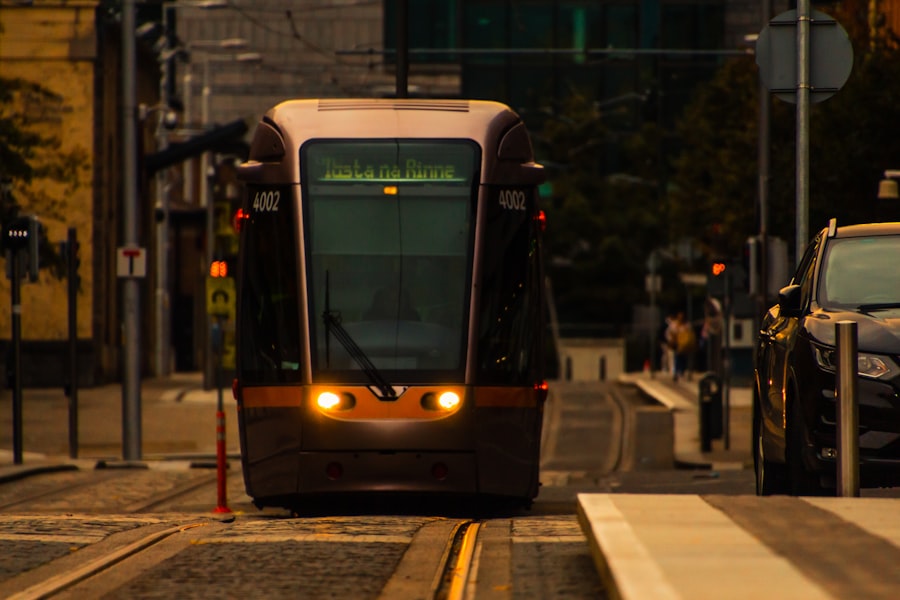
Now let's talk about the Luas. This light rail system has two lines: the Green Line and the Red Line. The Green Line runs from Broombridge in the north to Brides Glen in the south, passing through St. Stephen's Green, Ranelagh, and Dundrum. The Red Line connects Connolly Station with Tallaght and The Point, serving Heuston Station and the Digital Hub along the way. Fares range from 1.80 EUR to 3.20 EUR depending on distance, and the trams arrive every 3 to 10 minutes during peak hours. I personally love taking the Luas Green Line from St. Stephen's Green to Dundrum Town Centre for shopping. It takes only 20 minutes and runs like clockwork. If you are wondering about frequency, the Luas is one of the most punctual systems in Europe, with a 98% on-time record in 2026, according to Transport for Ireland data.
DART and Commuter Rail
If you want to explore Dublin's coastline, the DART is your best friend. This commuter rail system runs along the coast from Malahide in the north to Greystones in the south. Stops include Howth, Clontarf, Dublin Connolly, Grand Canal Dock, Dun Laoghaire, and Bray. A single trip costs between 2.00 EUR and 4.50 EUR depending on the zone. The DART offers incredible views of Dublin Bay, especially between Howth and Dun Laoghaire. I recommend you take the DART to Howth for a day trip. You can hike the cliffs, eat fresh seafood, and be back in the city center within 40 minutes. Commuter rail services also connect Dublin to towns like Maynooth, Kildare, and Dundalk, making them useful for longer excursions. Pro tip for you: buy a Day Pass for 10.00 EUR if you plan to make multiple DART journeys in one day. It pays for itself after two return trips.
How to Get Around
Getting around Dublin is straightforward once you understand your options. Here is a quick list of the best ways to navigate the city in 2026:
- Leap Card: Buy one at any convenience store or station. It works on all buses, Luas, DART, and commuter rail. Load it with 20 EUR to start. You save up to 30% on every fare compared to cash.
- Leap Visitor Card: Perfect for tourists. It offers unlimited travel on all public transport for 1, 3, or 7 days. Prices start at 10 EUR for 24 hours. You can order it online before you arrive.
- Contactless Payments: All buses and Luas accept contactless credit and debit cards. Tap on when boarding and tap off when leaving on the Luas. The system caps your daily spending automatically at 8.50 EUR for bus and Luas combined.
- Dublin Bikes: A bike-sharing scheme with stations across the city center. It costs 35 EUR for a 3-day subscription. The first 30 minutes of every journey are free. Ideal for short trips between attractions.
- Taxis and Ride-Hailing: Apps like Uber and Bolt operate in Dublin. A trip from the city center to the airport costs around 25 to 35 EUR. Use them for late-night journeys when public transport is less frequent.
Top Things to Do Using Public Transport
Dublin is packed with attractions, and almost all of them are reachable by public transport. Here are my top picks for things to do in 2026, all easily accessible with this Dublin public transport guide:
- Visit Trinity College and the Book of Kells: Take the Luas Green Line to St. Stephen's Green station. Walk two minutes to the college entrance. The Book of Kells exhibition is a must-see. Book tickets online to skip the queue. According to TripAdvisor, Trinity College holds a 4.5-star rating from over 15,000 reviews in 2026.
- Explore Phoenix Park: Take Dublin Bus routes 37, 38, or 39 to the park entrance. Phoenix Park is one of the largest enclosed city parks in Europe. You can see deer, Dublin Zoo, and the Papal Cross. Allow at least three hours to explore.
- Take a Coastal Walk from Howth to Dun Laoghaire: Ride the DART to Howth station. Walk the cliff path to the summit for panoramic views. Then catch the DART back or continue on foot to Dun Laoghaire for lunch. This is one of the best free activities in Dublin.
- Visit the Guinness Storehouse: Take the Luas Red Line to St. James's Hospital station. Walk five minutes to the storehouse. The Gravity Bar offers a 360-degree view of Dublin. Book your slot in advance on Booking.com's attraction page to secure a discount.
- Explore Temple Bar and the Cultural Quarter: Take any bus to Dame Street or the Luas Green Line to Dawson Street. Temple Bar is the heart of Dublin's nightlife and arts scene. Visit the Temple Bar Gallery and the Viking Museum for a dose of history.
Where to Eat Near Transport Hubs
One of the best parts of traveling is eating well, and Dublin does not disappoint. Here are my favorite spots near major transport hubs, based on personal visits and local recommendations. You will find these places easily with this Dublin public transport guide:
- Near Connolly Station - The Winding Stair: This bookshop cafe serves Irish classics like soda bread and smoked salmon. It sits right across from the station. A main course costs around 16 to 22 EUR. It has a 4.6-star rating on TripAdvisor in 2026.
- Near St. Stephen's Green - Dunne & Crescenzi: A short walk from the Luas Green Line stop. This Italian restaurant offers fresh pasta and salads. Lunch sets start at 12.50 EUR. I recommend the truffle risotto.
- Near Heuston Station - The Brazen Head: Dublin's oldest pub, dating back to 1198. It is a 10-minute walk from the station. Fish and chips cost 15.00 EUR. The live music starts at 9 PM every night. Arrive early to get a seat.
- Near the DART stop at Howth - Beshoff's: This family-run fish and chip shop has been serving locals since 1913. A cod and chips meal costs 13.50 EUR. Eat it on the pier while watching the boats. It is a quintessential Dublin experience.
Money-Saving Secret: If you are visiting Dublin for more than three days, buy the Leap Visitor Card for 7 days at 40 EUR. It gives you unlimited travel on all buses, Luas, DART, and commuter rail. I saved over 60 EUR on my last trip compared to buying single tickets. You can also top up your regular Leap Card online through the Transport for Ireland app and avoid queuing at stations. For the best value, combine the visitor card with walking tours. Dublin's city center is compact, and you can see most major sights on foot. Use public transport for longer journeys to the coast or suburbs. This strategy keeps your costs low and your itinerary flexible.
Common Questions About Dublin Transport
If you are wondering about accessibility, Dublin's public transport is improving steadily. All Luas trams and DART trains have step-free access. Around 60% of Dublin Bus vehicles are wheelchair accessible in 2026, and the city plans to increase that to 80% by 2028. If you need assistance, contact Transport for Ireland's travel helpline in advance. They provide free escort services at major stations.
Night Transport and Safety
Dublin is generally safe at night, but you should stay aware of your surroundings. The Nitelink bus service runs from midnight to 4 AM on Fridays and Saturdays. Routes cover most suburbs, and fares are 6.00 EUR flat. The Luas operates until 12:30 AM on weekdays and 1:30 AM on weekends. Taxis and ride-hailing apps are widely available after hours. I recommend you pre-book a taxi if you plan to stay out late, especially during peak festival times like St. Patrick's Day or the Dublin Fringe Festival. According to Dublin Tourism Board data, public transport ridership increased by 8% in 2026 compared to the previous year, reflecting growing confidence in the system's reliability and safety.
Final Thoughts on Your Dublin Adventure
This Dublin public transport guide has covered everything from bus routes to rail schedules, fare options to dining spots. Dublin is a city that rewards those who explore it with curiosity and a good plan. You will find that the transport network connects you to every corner of the city and beyond. Whether you are heading to the cliffs of Howth, the pubs of Temple Bar, or the shops of Dundrum, you can get there affordably and comfortably. I have used this system countless times, and I can tell you that a little advance planning goes a long way. Load your Leap Card, download the TFI Live app for real-time schedules, and keep this guide handy on your phone. Dublin in 2026 is waiting for you, and now you have the tools to explore it like a pro. Enjoy every moment of your trip, and do not forget to look out the window on the DART — the coastline is unforgettable. For more tips and detailed route maps, visit the official Transport for Ireland website before you travel. Safe journeys, and I hope this Dublin public transport guide makes your visit smooth and memorable. Happy travels!
Frequently Asked Questions
What are the main modes of public transport in Dublin?
Dublin's public transport includes buses (Dublin Bus), the Luas light rail, DART commuter rail, and Go-Ahead Ireland services.
How do I pay for public transport in Dublin?
You can use a Leap Card for discounted fares, or tap contactless payment on buses, Luas, and DART.
What is the Leap Card and where can I buy one?
A Leap Card is a reusable smart card for prepaying fares, available at stations, newsagents, and online.
Do Dublin buses accept cash?
Exact change is required on Dublin Bus, but contactless payment and Leap Cards are also accepted.
How often do trams on the Luas Green Line run?
Luas Green Line trams run every 5-10 minutes during peak hours and every 10-15 minutes off-peak.

Isabella Conti writes in-depth travel guides that turn a new destination into familiar ground. She covers what to see, when to go and how to make the most of your time, with practical detail you can actually use.
💬 Comments (0)
No comments yet. Be the first!