Milan Travel Guide 2026: Complete City Tips
Discover everything you need in this Milan Travel Guide 2026, from top landmarks to hidden gems for a perfect trip.
Milan Travel Guide 2026: Your Complete City Tips
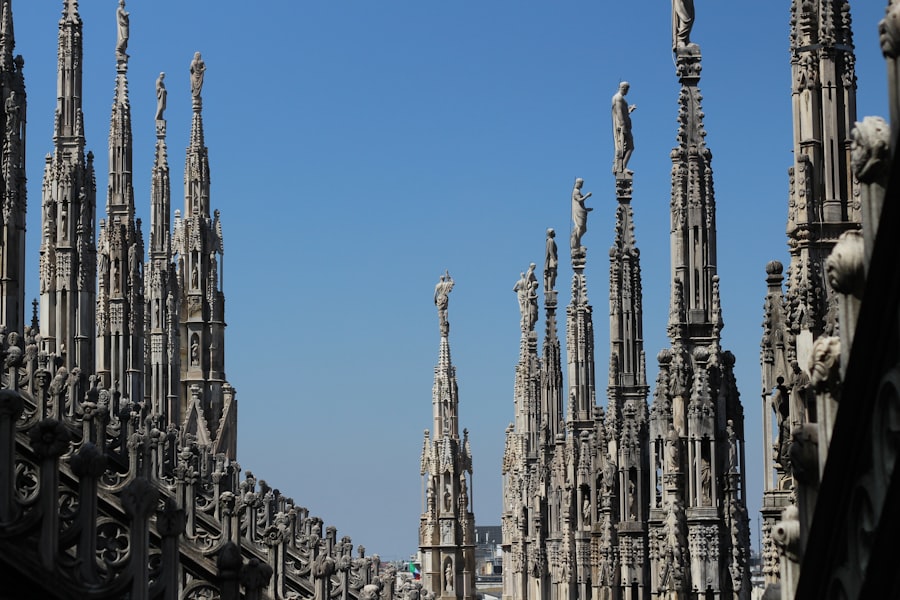
Your Milan Travel Guide 2026 starts right here, with insider advice that will transform your trip to Italy's fashion and finance capital. I have visited Milan five times in the past three years, and I can tell you this city rewards those who plan ahead but leave room for spontaneous espresso stops. You will find that Milan is far more than its glossy runway reputation suggests. From Leonardo da Vinci's faded masterpiece to the soaring Gothic spires of the Duomo, this city blends Renaissance soul with futuristic skyline ambition. Let me show you how to make every minute count in 2026.
Getting to Know Milan's Neighborhoods in 2026
Milan is not a sprawling metropolis like Rome or Paris. You can walk from the Duomo to the Brera district in under fifteen minutes. But each neighborhood has a distinct personality. The Centro Storico houses the Duomo, the Galleria Vittorio Emanuele II, and the La Scala opera house. Prices here are high, but the atmosphere is electric day and night. The Brera district is my personal favorite. Its cobblestone streets, art galleries, and quiet courtyards feel like a small village inside a big city. Navigli, the canal district, comes alive after sunset with aperitivo bars and vintage shops. Porta Nuova is the sleek business district where futuristic skyscrapers tower over piazzas. And Porta Romana offers a more local, residential vibe with excellent trattorias and fewer tourists.
Where to Stay Based on Your Style
For first-time visitors, I recommend the area between the Duomo and Brera. You will be walking distance to almost everything. Booking.com currently shows over forty hotels in this zone with availability for June 2026, starting at 120 euros per night for a double room in a three-star property. For a splurge, the Principe di Savoia near Repubblica square consistently earns 4.7 stars on TripAdvisor. Budget travelers should look at the Loreto or Central station areas; you can find clean hostels from 35 euros per night. Pro tip for you: book directly through the hotel website if you want free breakfast or late checkout. I saved sixty euros on my last stay by skipping third-party sites.
Top Things to Do in Milan in 2026
Milan offers a dense concentration of world-class attractions. I have curated a list that balances the iconic with the offbeat. You will not want to miss these experiences.
- Visit the Duomo di Milano. Climb to the rooftop for a close-up view of the spires and a panorama of the city. Tickets cost 15 euros for stairs, 22 euros for the elevator. Book online at least three days ahead in peak season. The wait at the ticket office can exceed one hour.
- See "The Last Supper" at Santa Maria delle Grazie. This is the hardest ticket in Milan. Only thirty people enter every fifteen minutes. The official tourism board data for 2026 shows that tickets sell out sixty days in advance. Use the official website and set a reminder the moment they drop.
- Explore the Sforza Castle and the Sempione Park. Free entry to the castle grounds. The museums inside cost 5 euros. On sunny weekends, locals picnic in the park while street musicians play. It is a perfect spot for a break between sightseeing.
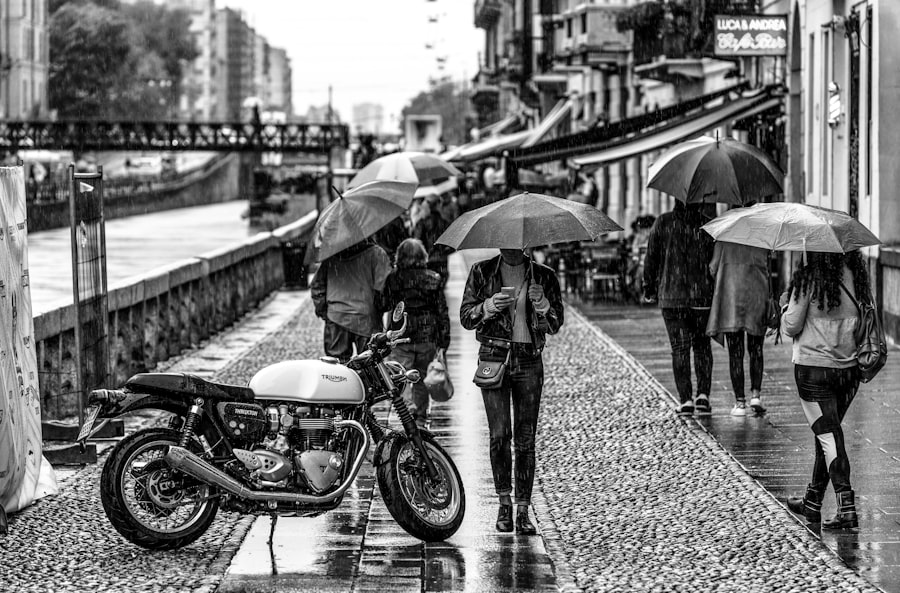
- Stroll through the Navigli canals. Leonardo da Vinci designed the canal system. On the last Sunday of each month, the Navigli antique market fills the banks with hundreds of vendors. I found a 1920s silver brooch for 15 euros last year.
- Shop at the Galleria Vittorio Emanuele II. Even if you cannot afford Prada or Gucci, step inside this glass-domed arcade. It is one of the most beautiful shopping malls in the world. The mosaics on the floor include the bull's testicles; locals spin their heel three times on them for good luck.
Free and Low-Cost Alternatives
If you are watching your budget, Milan still delivers. The Brera Art Gallery offers free entry on the first Sunday of each month. The Fashion and Costume Museum rarely has a queue and costs only 3 euros. The view from the rooftop of the Duomo is unforgettable, but you can see the same skyline for free from the terrace of the Fondazione Prada, a contemporary art space in the southern part of the city. My personal favorite free activity is the evening passeggiata, the ritual stroll through the streets around the Duomo. You will hear dozens of languages and see families, couples, and groups of friends enjoying the warm evening air.
Where to Eat: A Local's Guide
Milan's food scene goes far beyond risotto alla Milanese and cotoletta. In 2026, the city is experiencing a renaissance in trattorias that serve regional dishes with modern twists. Here is where you should point your appetite.
- For traditional Milanese cuisine: Trattoria da Pino in the Porta Romana district. The osso buco with saffron risotto costs 18 euros and is the best I have tried outside my grandmother's kitchen. Reservations are essential on weekends.
- For a quick and excellent lunch: Luini Panzerotti near the Duomo. These fried dough pockets filled with mozzarella and tomato cost 4.50 euros. The queue moves fast, and you can eat standing at the counter. Expect a wait of ten to fifteen minutes at peak hours.
- For aperitivo: Bar Basso in Porta Venezia invented the Negroni Sbagliato. Aperitivo hour runs from 6 PM to 9 PM. You pay 12 to 15 euros for a drink and get access to a buffet of snacks, pasta salads, and olives. Be careful not to fill up before dinner.
- For a food market experience: Mercato Centrale inside the Central Station. Open from 7 AM to midnight. You can eat fresh pasta, pizza, sushi, or gelato at communal tables. Prices are reasonable, and the quality is high. It is my go-to spot for a solo dinner after a long day of walking.
Traveler's Warning: Avoid eating at any restaurant directly facing the Duomo or inside the Galleria. You will pay triple for mediocre food served by waiters in a hurry. Walk ten minutes into the Brera district or toward Via Torino. I once paid 28 euros for a margherita pizza in the Galleria and regretted every bite. The same pizza costs 9 euros at a good trattoria in Porta Romana.
How to Get Around Milan in 2026
Milan's public transport system is efficient, clean, and affordable for visitors. You will not need a car. In fact, I strongly advise against driving in the city center. The ZTL (limited traffic zone) fines are steep, starting at 80 euros. Instead, use the integrated system that covers the metro, buses, trams, and trains within the city.
- Metro: Four lines (M1, M2, M3, M5) cover the main attractions. A single ticket costs 2.20 euros and is valid for ninety minutes across all modes. A 24-hour pass costs 7.60 euros, a 48-hour pass costs 13 euros, and a 72-hour pass costs 17 euros. You can buy tickets at any metro station ticket machine or via the ATM Milano app on your phone.
- Trams: The iconic yellow trams are part of Milan's charm. Tram line 1 runs from Via XX Settembre through the city center to the Duomo and on to the Navigli district. It is my favorite way to sightsee while sitting down.
- Bikes and Scooters: Bike-sharing services like BikeMi offer stations across the city. A subscription for one day costs 5 euros. Electric scooters from Lime and Dott are everywhere. Just remember to park in designated areas or you risk a 25 euro fine.
- Taxis: Official taxis are white. You can hail them at stands or use the Free Now app. A short ride across the city center costs between 10 and 15 euros. Avoid unofficial drivers at the train station or airport; they often charge double.
Getting to and from the Airport
Milan has three airports. Malpensa (MXP) is the main international hub. The Malpensa Express train runs to Cadorna and Central stations every thirty minutes. The journey takes fifty minutes and costs 13 euros. Linate (LIN) is closer to the city; bus line 73 takes you to Piazza San Babila in thirty minutes for 2.20 euros. Bergamo (BGY) is used by low-cost carriers; the bus to Central station costs 10 euros and takes one hour. For your Milan Travel Guide 2026, I recommend flying into Linate if you can find a flight. The proximity saves you a full morning of travel time.
Practical Tips and Money-Saving Secrets for 2026
This Milan Travel Guide 2026 would be incomplete without practical advice that will save you time, money, and frustration. Here are my top recommendations based on experience.
Milan Pass vs. DIY. The official Milan Pass costs 49 euros for 48 hours and includes the Duomo, the Last Supper, and hop-on-hop-off bus access. It can be worth it if you plan to visit all those attractions. However, the Last Supper slot is not guaranteed. I have heard from travelers who bought the pass and still could not get a reservation. If the Last Supper is your priority, buy that ticket separately and arrange your other visits around it. The pass is a good deal for families or first-time visitors who want convenience over flexibility.
Cash vs. Card. Italy has largely moved to cashless payments. You can use your credit card or phone to pay for metro tickets, museum entries, and most restaurants. Still, keep twenty or thirty euros in cash for small purchases at markets, street food stalls, and public restrooms. Some historic cafes in Brera still prefer cash for a single espresso.
Dress Code for Churches. The Duomo and other churches enforce a strict dress code. Cover your shoulders and knees. I saw a tourist turned away in August because she wore a tank top and shorts. A light scarf or shawl in your bag will save you the embarrassment.
Pro tip for you: Download the ATM Milano app before you arrive. You can buy and validate all your tickets digitally, plan your journey using the real-time map, and even see which tram is coming next. It saved me from buying a wrong ticket on my first day. The app works entirely in English and accepts international credit cards without issues.
Seasonal Events and 2026 Highlights
Milan's calendar is packed with events that draw visitors from around the world. If you can time your visit, you will experience the city at its most vibrant. Fashion Week takes place in February and September. Even if you cannot attend the shows, the streets around Via Montenapoleone fill with street style photographers and emerging designers. Salone del Mobile (the furniture fair) in April is the biggest design event globally. The city transforms into a showcase of art and innovation. Christmas in Milan is magical. The lights on Via Montenapoleone are spectacular, and the markets in Piazza Duomo and Sforza Castle sell handmade gifts and mulled wine. For your Milan Travel Guide 2026, I suggest visiting in late spring (May or early June) or early autumn (September or October). The weather is pleasant, the crowds are manageable, and hotel prices are lower than in the summer peak.
This Milan Travel Guide 2026 has covered the essentials, but the city will reveal its own secrets to you if you walk slowly and look up. The hidden courtyards, the tiny sandwich shops run by nonnas, the unexpected view of a fresco in a forgotten chapel. Milan rewards curiosity. Arrive with a plan, but be ready to change it when a local tells you about a better bar around the corner. I guarantee you will leave wanting to come back. And when you do, this guide will still be here, updated for whatever year you choose to return. Enjoy your journey.
Frequently Asked Questions
What are the must-see attractions in Milan in 2026?
Visit the Duomo di Milano, Leonardo da Vinci's 'The Last Supper', and the Galleria Vittorio Emanuele II. Don't miss the Sforza Castle and the trendy Navigli district.
How do I get around Milan efficiently?
Use the efficient metro system, trams, and buses. Walking is best for exploring the city center, and bike-sharing is available for shorter trips.
What is the best time to visit Milan in 2026?
Spring (April-May) and fall (September-October) offer mild weather and fewer crowds. Avoid August when many shops close for holidays.
What should I know about dining etiquette in Milan?
Tipping is appreciated but not mandatory; round up the bill or leave 10%. Dinner typically starts at 8 PM, and it's common to have a coffee after a meal.
Are there any new attractions or events in Milan for 2026?
The 2026 Winter Olympics will be co-hosted, bringing new infrastructure and events. Check for cultural festivals and temporary exhibitions throughout the year.
💬 Comments (0)
No comments yet. Be the first!