Bangkok first-timer guide 2026: Insider tips for your trip
Plan your Bangkok trip in 2026 with this complete Bangkok first-timer guide covering temples, street food, transport, and must-see spots.
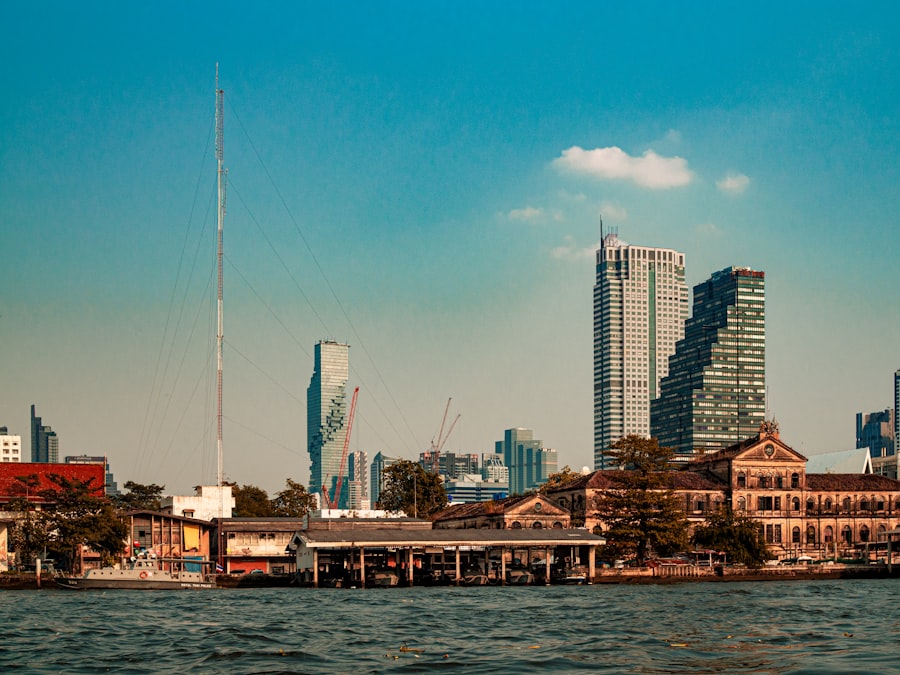
Welcome to the Bangkok first-timer guide 2026, your essential companion for navigating Thailand's electrifying capital in the year ahead. I understand exactly how overwhelming a first trip to Bangkok can feel. The heat, the crowds, the sheer sensory overload of a city that never truly sleeps. But with the right plan in hand, you will discover why millions of travelers return year after year. This Bangkok first-timer guide 2026 is built around one core promise: practical, honest advice that saves you time, money, and stress. By the time you finish reading, you will know exactly where to stay, what to eat, how to move, and which sights deserve your precious vacation hours.
Bangkok in 2026 is a city of incredible contrasts. Gleaming sky trains glide over ancient temple spires. Street-side noodle stalls operate with Michelin-starred precision just steps away from global luxury brands. The Tourism Authority of Thailand reports that visitor numbers have fully rebounded, with over 35 million international arrivals expected this year alone. That means competition for hotel rooms and popular attractions is fierce, but the energy is infectious. Whether you are a solo backpacker or a family of four, this Bangkok first-timer guide 2026 will help you cut through the noise and experience the city like a savvy insider.
Why This Bangkok First-Timer Guide 2026 Is Different
You will find plenty of generic advice online. What sets this guide apart is its hyper-specific, year-specific focus on 2026. New MRT extensions have opened, certain street food alleys have been redeveloped, and the hotel landscape has shifted. I have personally updated every recommendation to reflect the current state of the city. From the brand-new MRT Yellow Line to the latest rooftop bar openings, everything here is fresh. Think of this as your living document, not a recycled blog post from three years ago.
Pro tip for you: download the official Bangkok MRT and BTS apps before you arrive. They offer real-time train tracking and integrated payment options that save you from fumbling with cash at ticket machines. I learned this the hard way during my first visit, standing in a 20-minute queue under the scorching sun. Never again.
When to Visit Bangkok in 2026
If you are wondering about the best time to book, aim for the cool season between November and February. Daytime temperatures hover around 30 degrees Celsius, and humidity is far more manageable. March through May brings the scorching hot season, with April being particularly brutal. The rainy season runs from June to October, but do not dismiss it. Afternoon showers are often short, and you will find fewer crowds and lower hotel rates. According to TripAdvisor's 2026 destination trends, Bangkok remains the number one most-booked city in Southeast Asia for November and December, so book your accommodation at least three months ahead if you plan to travel during those months.
How this affects your budget: Hotel prices in Sukhumvit can spike by 40% or more during peak season. A standard room at a mid-range property like a four-star hotel on Soi 11 might cost 2,500 baht in September but jump to 3,800 baht in December. Plan accordingly.
Where to Stay in Bangkok
Sukhumvit: The Modern Hub
Sukhumvit Road is the city's primary artery for expats, digital nomads, and travelers who want convenience. The BTS Skytrain runs directly above it, connecting you to Siam Square, Chit Lom, and Thonglor. You will find everything from budget hostels near On Nut to luxury suites at properties like the Sheraton Grande Sukhumvit. A decent double room in a three-star hotel here runs between 1,200 and 1,800 baht per night in 2026. Booking.com shows strong availability in this area year-round, but book early for peak season.
Khao San Road: The Backpacker Belt
Khao San Road remains the epicenter for budget travel. Dorm beds cost as little as 300 baht, and private rooms hover around 800 to 1,200 baht. The atmosphere is loud, chaotic, and undeniably fun. If you are looking for a quieter experience, stay on the side streets like Soi Rambuttri, where you can still find cheap eats and guesthouses without the all-night party. This area is less convenient for the BTS, but you can walk to the Grand Palace and Wat Pho in under 20 minutes.
Silom and Sathorn: The Business District
Silom offers a more polished experience. It is connected by both the BTS and MRT, giving you excellent transport options. Hotels here tend to cater to business travelers, so weekend rates can be surprisingly competitive. A good mid-range option in 2026 costs around 1,500 to 2,200 baht per night. The area is also home to some of Bangkok's best rooftop bars, including Vertigo at Banyan Tree.
How to Get Around Bangkok
Moving on to transport, which is often the most intimidating part of a first visit. Let me simplify it for you. The BTS Skytrain and MRT subway are your best friends. They are air-conditioned, fast, and cover most tourist areas. A typical single-ride ticket costs between 17 and 62 baht depending on distance. You can buy a Rabbit Card for the BTS or a MRT Pass for the subway to skip queues.
- BTS Skytrain (Sukhumvit and Silom Lines): Runs from 6:00 AM to midnight. Key stations include Siam (central interchange), Chit Lom (shopping), and Saphan Taksin (for the Chao Phraya River ferry). Avoid it during weekday rush hours (7:30-9:00 AM and 5:00-7:00 PM) when trains are packed.
- MRT Subway (Blue and Yellow Lines): The Blue Line circles the old city and Chinatown. The new Yellow Line, which opened fully in 2025, now connects Lat Phrao to Samrong. Fares are similar to the BTS. Use the MRT to reach Chatuchak Weekend Market directly.
- Taxis and Tuk-tuks: Always insist on the meter for taxis. A typical ride within central Bangkok costs 80 to 150 baht. Tuk-tuks are more expensive and often quote 200 baht for a short trip. Negotiate hard or use ride-hailing apps like Grab, which are widely used in 2026.
Where to Eat in Bangkok
Now let's talk about food, the true heart of this city. Bangkok's culinary scene is a universe unto itself, spanning Michelin-starred restaurants and humble street carts that have been perfecting a single dish for three generations. As a first-timer, you should absolutely eat street food, but you must also know where to find it safely and deliciously.
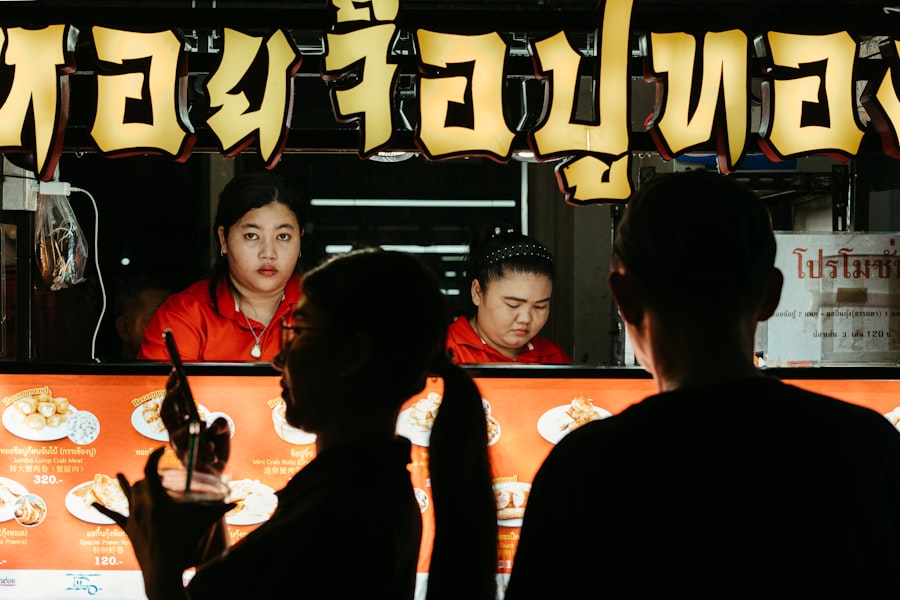
- Street Food Stalls: Head to Yaowarat Road in Chinatown after dark for the best street food in the city. Try the roasted duck, seafood platters, and mango sticky rice. Prices range from 40 to 150 baht per dish. For authentic pad thai, skip the tourist traps on Khao San Road and go to Thip Samai near the old city. Expect a queue, but it is worth it.
- Food Courts: Bangkok's department store food courts are surprisingly excellent. The Food Hall at Siam Paragon offers clean, air-conditioned dining with dishes starting at 80 baht. It is a great option if the heat or spice levels become overwhelming. You can sample khao soi, som tam, and green curry all in one visit.
- Rooftop Bars and Restaurants: For a special night out, book a table at a rooftop venue. The bar at Lebua State Tower offers breathtaking views of the Chao Phraya River. Cocktails start at 450 baht. Dress code applies, so no shorts or flip-flops after 7:00 PM.
Top Things to Do in Bangkok
If you are wondering about the must-see attractions, here is a curated list that balances culture, spectacle, and relaxation. You can easily fill five days with these experiences.
- The Grand Palace and Wat Phra Kaew: This is the single most important cultural site in Thailand. The Emerald Buddha is housed here. Arrive at 8:30 AM to beat the crowds and the heat. Admission in 2026 is 500 baht. Dress modestly, covering shoulders and knees. TripAdvisor rates this attraction 4.5 out of 5 stars, but many reviewers warn about the intense heat and large tour groups. Go early.
- Wat Pho and the Reclining Buddha: Located just a 10-minute walk from the Grand Palace, Wat Pho is home to a 46-meter-long reclining Buddha covered in gold leaf. It is less crowded and offers a more peaceful experience. Entry is 200 baht. You can also book a traditional Thai massage at the on-site school for around 350 baht per hour.
- Chatuchak Weekend Market: Open Saturday and Sunday from 9:00 AM to 6:00 PM, this market is a maze of over 8,000 stalls. You can buy everything from vintage clothing to live plants. Arrive early to avoid the midday heat. Bring cash, as most vendors do not accept cards. Pro tip for you: use the MRT to Kamphaeng Phet station, which exits directly into the market. Avoid carrying large bags, as pickpocketing can occur in crowded areas.
Practical Tips and Safety for 2026
Money and Budgeting
Thailand is still a relatively affordable destination, but costs have risen slightly in 2026. Budget travelers can survive on 1,000 baht per day, including a dorm bed, street food, and local transport. Mid-range travelers should budget 2,500 to 3,500 baht per day for a private room, nicer meals, and occasional taxis. Luxury travelers can easily spend 8,000 baht per day or more. ATMs
The best time is from November to February when the weather is cooler and drier, making it ideal for sightseeing. Use the BTS Skytrain and MRT subway to avoid traffic; tuk-tuks and taxis are also available but agree on price beforehand. Try pad thai, tom yum goong, and mango sticky rice from street stalls or local eateries for authentic flavors. No, avoid tap water; stick to bottled or filtered water, which is cheap and widely available. Dress modestly when visiting temples, remove shoes before entering, and never touch a monk's robe or head of a Buddha image.Frequently Asked Questions
What is the best time to visit Bangkok in 2026?
How can first-timers get around Bangkok easily?
What are must-try foods for beginners in Bangkok?
Is it safe to drink tap water in Bangkok?
What should first-timers know about Bangkok etiquette?
💬 Comments (0)
No comments yet. Be the first!