Nuremberg Travel Guide 2026: Local Tips
Explore Bavaria with this Nuremberg Travel Guide 2026, packed with local secrets to make your trip unforgettable.
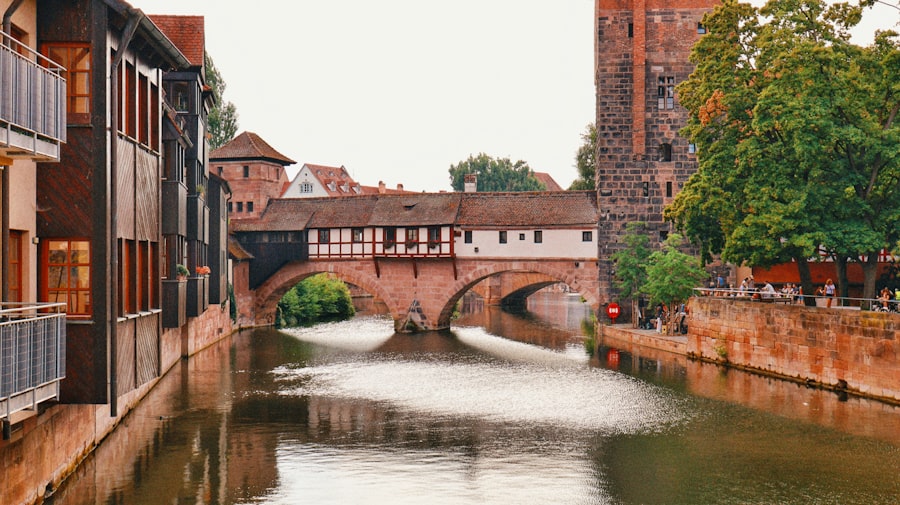
Welcome to the ultimate Nuremberg Travel Guide 2026, your definitive companion to exploring one of Germany most historic, vibrant, and visually stunning cities. Whether you are a history buff, a culinary enthusiast, or a photographer looking for that perfect timber-framed house shot, Nuremberg in 2026 offers an unforgettable mix of medieval charm and modern Bavarian energy. As you plan your journey, you will find that this city seamlessly blends its rich, sometimes complex past with a forward-looking cultural scene. In this comprehensive guide, I will take you through the cobblestone streets, reveal secret local viewing points, and share practical advice to make your 2026 vacation absolutely seamless.
Why Nuremberg Should Be on Your 2026 Travel Radar
If you are wondering about what makes this Bavarian gem so special in 2026, the answer lies in its incredible preservation and active cultural calendar. Nuremberg is much more than just a stopover on the way to Munich. According to recent data from the Nuremberg Tourism Board, the city has expanded its pedestrian-only zones in the historic Altstadt (Old Town), making it one of the most walkable and visitor-friendly destinations in Central Europe for 2026. From the towering Imperial Castle to the sobering history of the Documentation Center Nazi Party Rally Grounds, the city offers a deep, multi-layered travel experience that caters to all types of adventurers.
Moving on to the atmosphere, 2026 brings refreshed museum exhibitions, highly efficient green public transit upgrades, and an exciting culinary renaissance where traditional bratwurst meets modern vegan gastronomy. Booking.com availability searches show that boutique hotels within the historic city walls are in high demand this year, so planning your neighborhood stays early is highly recommended to secure the best views and rates.
Getting Around Nuremberg in 2026
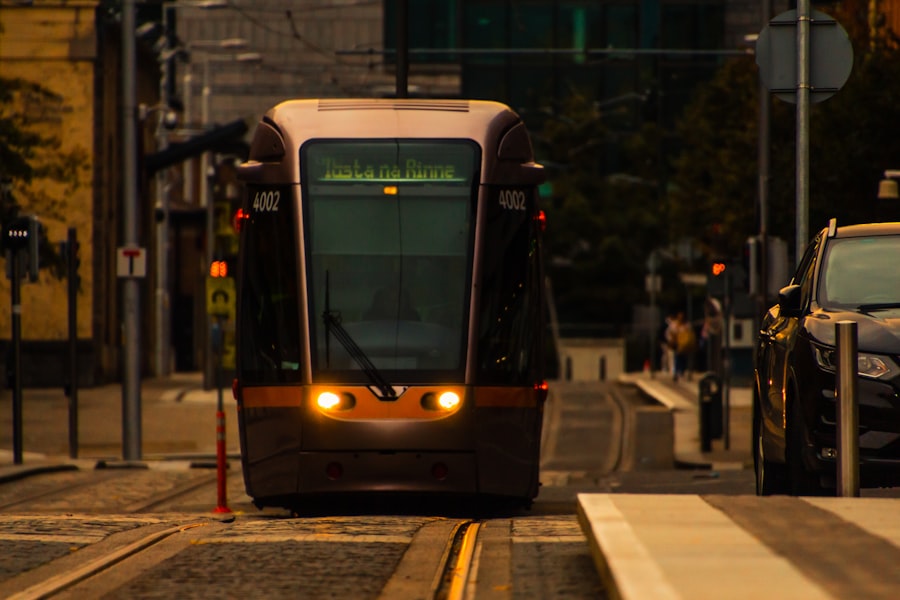
Navigating the city is incredibly straightforward, thanks to one of the most reliable public transit networks in Germany. The local transport association, VGN, operates a seamless web of subways (U-Bahn), trams, and buses that can whisk you from the airport to the city center in less than 15 minutes.
Now let's talk about the specific transit lines and ticket options you will need to navigate like a local during your stay:
- The U-Bahn (Subway): The U2 line connects the Nuremberg Airport directly to the Hauptbahnhof (Central Station). The U1 line is your go-to for traveling between the main shopping districts in the Altstadt and the trendy neighborhood of Goho.
- Trams and Buses: Tram Line 4 is highly useful for tourists, taking you close to the historic castle area and various museum sites.
- The Nuremberg Card: Highly recommended by this Nuremberg Travel Guide 2026, this card costs around 33 Euros and gives you free, unlimited transit for 48 hours, plus free entry to over 30 museums.
- Walking: The Altstadt is highly pedestrianized. You can walk from the northern castle district to the southern train station in about 25 minutes.
Traveler’s Warning: Do not buy individual single-trip tickets if you plan to travel more than twice a day. The single ticket costs around 3.40 Euros, whereas a Day Ticket Solo costs roughly 9 Euros and pays for itself on your third ride. Always validate your paper ticket at the orange machines before boarding the U-Bahn or tram to avoid a hefty 60 Euro fine.
Top Things to Do in Nuremberg
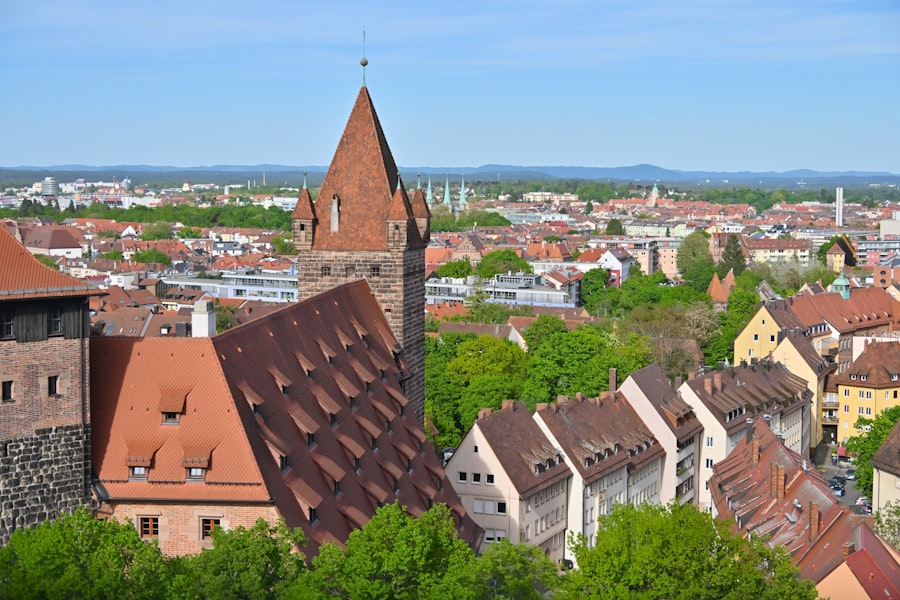
If you want to experience the very best of the city, you need a balance of medieval architectural wonders and modern cultural landmarks. The city is divided by the Pegnitz River into two historic districts: Sebald in the north and Lorenz in the south. You will want to explore both thoroughly.
Here is a curated list of the absolute top things to do, which consistently rank with 4.5+ stars on TripAdvisor ratings by global travelers:
- Imperial Castle of Nuremberg (Kaiserburg): Dominating the northern skyline, this medieval fortress offers panoramic views of the red-tiled roofs below. Admission to the castle gardens is free, while the palace museum ticket costs around 9 Euros.
- Albrecht Durer House: Visit the preserved home of Germany most famous Renaissance artist. Located near the Tiergärtnertor, this museum charges about 7 Euros for entry and features fantastic interactive audio guides.
- The German National Museum (Germanisches Nationalmuseum): This is the largest museum of German art and culture in the world, housing everything from prehistoric tools to famous Renaissance paintings.
- Documentation Center Nazi Party Rally Grounds: Located in the south of the city, this museum offers a vital, educational look into the dark history of the National Socialist regime. Take tram line 8 or S-Bahn S2 to get here.
- Way of Human Rights (Strasse der Menschenrechte): A powerful outdoor art installation consisting of 30 white pillars, each engraved with an article of the Universal Declaration of Human Rights.
Exploring the Historic Rock Cut Cellars
Deep beneath the cobblestones of the Altstadt lies an intricate labyrinth of medieval beer cellars. For centuries, locals used these cool underground passages to ferment and store their traditional red beer. Today, you can take guided tours of these historic rock-cut cellars (Historische Felsengänge). It is an absolute must-visit for anyone following this Nuremberg Travel Guide 2026, especially during the warm summer months when the underground temperature remains a refreshing 8 to 10 degrees Celsius.
The Charm of Weissgerbergasse
If you are looking for that postcard-perfect photo of Nuremberg, head straight to Weissgerbergasse (Tanners Lane). This narrow street survived the air raids of World War II remarkably well and boasts the largest collection of historic half-timbered houses in the city. Now let's talk about timing: visit early in the morning, around 8:00 AM, to capture the beautiful morning light reflecting off the colorful wooden facades without any tourist crowds in your frame.
A Walk Along the Historic City Walls
Nuremberg boasts nearly five kilometers of surviving medieval stone walls. Walking along the moat path (Graben) offers a peaceful escape from the bustling shopping streets. You will pass by massive towers, historic gates, and beautifully manicured local gardens that show how the city integrates its ancient history into modern, everyday urban life.
Where to Eat: Traditional Franconian Cuisine
Franconian food is hearty, delicious, and incredibly satisfying. While you are exploring, you must try the world-famous Nuremberg bratwurst, which has a protected geographical indication under European Union law. These small, marjoram-spiced sausages are traditionally grilled over beechwood fires.
To help you navigate the local culinary scene, here are the top places to eat and drink in 2026:
- Zum Gulden Stern: Operating since 1419, this is the oldest bratwurst kitchen in the world. Order the "6 auf Kraut" (six sausages on sauerkraut) for a truly authentic taste. Expect to pay around 12 to 15 Euros for a full platter.
- Albrecht Durer Stube: A cozy, family-run restaurant serving excellent Franconian classics like Schäufele (slow-roasted pork shoulder with a crispy crackling) and potato dumplings. Reservations are highly recommended.
- Hausbrauerei Altstadthof: Located near the castle, this local brewery is the perfect place to try Nuremberg traditional Rotbier (red beer). A half-liter costs around 4.80 Euros.
- Cafe Bergbrand: For the coffee lovers reading this Nuremberg Travel Guide 2026, this trendy spot in the historic district serves some of the best specialty, third-wave espresso drinks in the city.
Where to Stay: Choosing Your Neighborhood
If you are wondering about where to book your accommodation, Nuremberg offers distinct neighborhoods that cater to different travel styles. According to Booking.com availability trends for 2026, staying within the Altstadt walls keeps you within walking distance of all major landmarks, though hotels in the trendy surrounding suburbs offer more spacious rooms and quieter nights.
Altstadt-Sebald (The Castle District)
Ideal for first-time visitors and history lovers. You will wake up to views of the Imperial Castle and historic timber houses. It is a quieter, incredibly romantic area, though prices here tend to be slightly higher, ranging from 110 to 200 Euros per night for mid-range boutique hotels.
Altstadt-Lorenz (The Shopping District)
Located south of the Pegnitz River, this area is perfect for those who love shopping, lively dining spots, and easy transit access. You are steps away from the Hauptbahnhof, making it incredibly convenient if you plan to take day trips to nearby cities like Bamberg or Rothenburg ob der Tauber.
Gostenhof (Goho)
Often referred to as Nuremberg Soho, Gostenhof is the creative, hipster heart of the city. Located just west of the city walls, it is filled with vintage clothing stores, independent art galleries, vegan cafes, and lively bars. Accommodation prices here are more budget-friendly, making it a great base for younger travelers and digital nomads in 2026.
Pro Tips for Your 2026 Nuremberg Adventure
Pro tip for you: If you want to experience a truly magical sunset view that most tourists completely miss, head to the top floor of the Adlerstrasse multi-story parking garage (Parkhaus Adlerstrasse). It is located right in the center of the city. Take the elevator to the top open-air deck. From here, you get an unobstructed, elevated view of the Imperial Castle and the twin towers of Sebald Church glowing in the warm evening light. It is completely free, easily accessible, and makes for a phenomenal photo spot.
Additionally, if you are visiting during the late autumn or winter, this Nuremberg Travel Guide 2026 highly recommends planning your trip around the world-famous Christkindlesmarkt. While this market is highly popular, visiting on a weekday morning or early afternoon allows you to enjoy the traditional gingerbread (Elisenlebkuchen) and warm blueberry mulled wine (Glühwein) with plenty of space to wander.
With its unbeatable combination of efficient transport, rich historical significance, delicious Franconian gastronomy, and vibrant cultural neighborhoods, Nuremberg is guaranteed to be a highlight of your European travels in 2026. Pack your comfortable walking shoes, download the local VGN transit app, and get ready to fall in love with this remarkable Bavarian city.
Frequently Asked Questions
What is the best time to visit Nuremberg in 2026?
The best time is late spring (May-June) or early autumn (September-October) for mild weather and fewer crowds, while December is perfect for the iconic Christkindlesmarkt.
What local dish must I try in Nuremberg?
Try the famous Nuremberg sausages (Nürnberger Rostbratwürste), served with sauerkraut or in a bun, and pair them with local Franconian beer.
Is Nuremberg easy to explore on foot?
Yes, the historic center is compact and walkable, with most attractions like the Imperial Castle and Hauptmarkt within a 20-minute stroll.
What is an off-the-beaten-path tip locals suggest?
Instead of crowded cafés near the main square, locals recommend heading to the trendy Gostenhof district for authentic coffee, street art, and vintage shops.
Do I need to book tours to Nuremberg Castle in advance for 2026?
Booking tickets online is strongly recommended, especially in summer, to skip long lines, but you can also join a guided tour for deeper historical context.

Lars Lindgren puts together detailed guides to cities and regions, drawing on his own travels to flag the things worth your time. He focuses on clear, honest advice that holds up once you are actually on the ground.
💬 Comments (0)
No comments yet. Be the first!