Lucerne Travel Guide 2026: Expert Tips
This Lucerne Travel Guide 2026 helps you plan the ultimate Swiss trip, covering scenic lake views and historic landmarks.
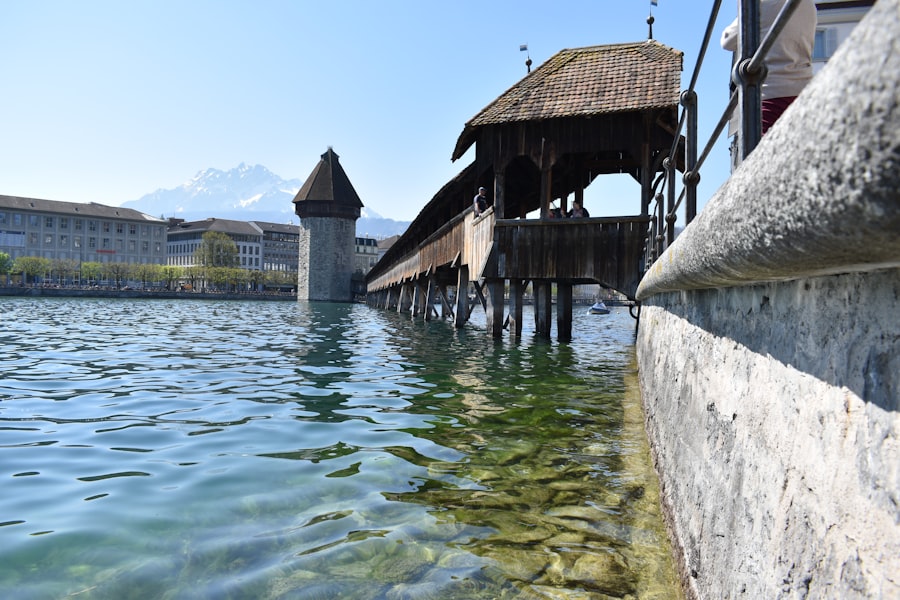
Welcome to your ultimate Lucerne Travel Guide 2026, your definitive companion to exploring one of Switzerland most breathtaking lakeside cities. Nestled amidst towering alpine peaks and the serene waters of Lake Lucerne, this destination seamlessly blends medieval charm with modern Swiss sophistication. Whether you are planning a weekend escape or using the city as a base for alpine adventures, this guide will help you navigate Lucerne like a seasoned pro. In 2026, Lucerne continues to capture the hearts of global travelers, ranking consistently as a top-tier destination on TripAdvisor with average traveler ratings of 4.8 out of 5 stars for its cleanliness, safety, and sheer natural beauty.
As a travel expert who has wandered through these cobbled streets multiple times, I want to share the exact strategies, routes, and local secrets that will save you time and money. From the historic Chapel Bridge to the heights of Mount Pilatus, let us dive into everything you need to know for an unforgettable trip.
Why You Need a Lucerne Travel Guide 2026 This Year
If you are planning a trip to Switzerland, you might wonder why Lucerne deserves a prime spot on your itinerary. The answer lies in its perfect scale and geographic advantage. Unlike sprawling cities like Zurich or Geneva, Lucerne offers an intimate, walkable historic center paired with immediate access to dramatic mountain excursions.
In 2026, the city has introduced smarter visitor infrastructure, making sustainable travel easier than ever. By utilizing this Lucerne Travel Guide 2026, you will navigate the updated ticketing systems, find the best times to avoid tour groups, and discover quiet corners that most tourists walk right past. Booking.com data shows that accommodation availability in the Old Town fills up months in advance for the summer and winter seasons, so early planning is absolutely essential for securing the best views and rates.
Money-Saving Secret: Do not buy individual train and boat tickets if you plan to explore the region. The Swiss Travel Pass or the regional Tell-Pass offers unlimited travel on trains, buses, boats, and several mountain railways. In 2026, booking these passes online before you arrive can save you up to 20 percent compared to buying daily point-to-point tickets at the station.
Top Things to Do in Lucerne
Moving on to the highlights of your itinerary, Lucerne offers a rich tapestry of historical landmarks and natural wonders. You can easily spend three days soaking in the sights without ever feeling bored.
Here are the absolute top things to do that you must include in your travel plans:
- Walk the Chapel Bridge (Kapellbrucke): This iconic 14th-century wooden bridge is the symbol of the city. Walk through it early in the morning, around 7:00 AM, to admire the interior triangular paintings from the 17th century before the crowds arrive.
- Explore the Musegg Wall (Museggmauer): This historic rampart features nine tall towers overlooking the city. You can climb four of these towers for free to get panoramic views of the rooftops and the lake.
- Pay Respects at the Lion Monument (Lowendenkmal): Carved directly into a sandstone cliff, this poignant memorial commemorates the Swiss Guards who died during the French Revolution. Mark Twain famously called it the most mournful and moving piece of stone in the world.
- Take a Lake Lucerne Boat Cruise: Board a historic paddle steamer or a modern yacht from the main pier right opposite the train station. A classic round-trip cruise to Fluelen offers dramatic fjord-like views.
- Conquer Mount Pilatus or Mount Rigi: Take the golden round-trip to Mount Pilatus, which involves a boat ride, the world steepest cogwheel railway (max gradient of 48 percent), an aerial cableway, and a panorama gondola.

How to Get Around the City and Beyond
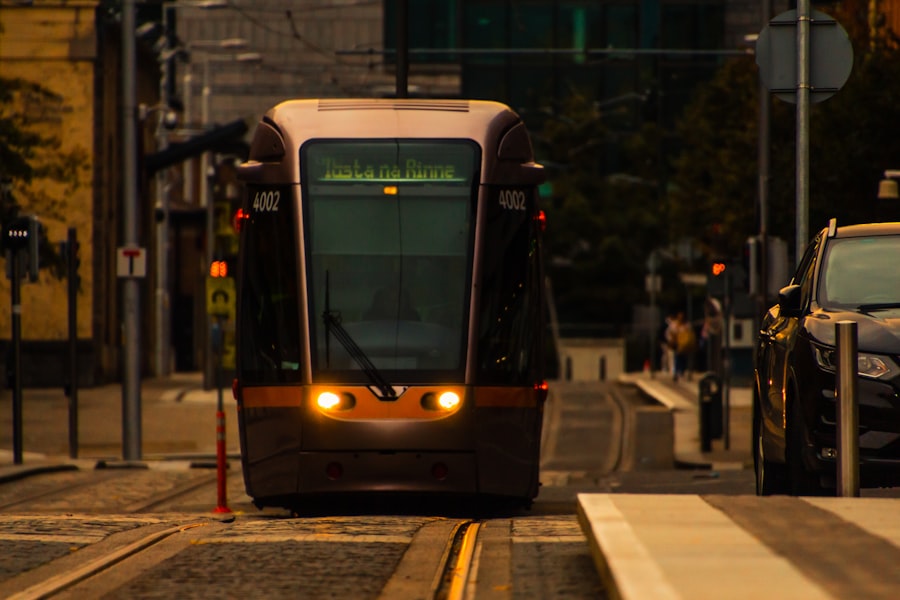
Now let us talk about transport, which is famously efficient in Switzerland. Lucerne is incredibly easy to navigate, and you will likely do most of your city exploring on foot. However, for longer distances and day trips, the public transit system is flawless.
If you are wondering about the best ways to get from point A to point B, follow this practical guide to local transit:
- The Lucerne Visitor Card: When you check into any official hotel, hostel, or guesthouse in the city, you will receive this card for free. It grants you unlimited free travel on all buses and trains within the city zone (Zone 10).
- Bus Lines 1 and 2: These are the workhorses of the city transport network, connecting the main train station (Bahnhof Luzern) to popular lakefront promenade spots and the historic Old Town edges.
- S-Bahn Central Switzerland: Use the local S-Bahn trains for quick trips to neighboring lakeside towns like Horw, Kriens, or Rotkreuz. They run every 15 to 30 minutes.
- Ferries and Steamers: Operated by SGV (Schifffahrtsgesellschaft des Vierwaldstattersees), these boats depart from the piers right outside the main train station. They are fully integrated into the national Swiss timetable.
Pro tip for you: If you are arriving from Zurich Airport, do not bother with an expensive taxi which can cost upwards of 250 Swiss Francs. Instead, take the direct IR75 train line from the airport station. It runs hourly, takes exactly 66 minutes, and drops you right in the center of Lucerne for a fraction of the cost.
Where to Eat: From Swiss Fondue to Modern Cafes
No Lucerne Travel Guide 2026 would be complete without pointing you toward the best culinary experiences. Swiss cuisine is hearty, comforting, and deeply rooted in alpine traditions. While Lucerne has a reputation for being expensive, you can find excellent value if you know where to look.
Here is a curated list of recommended dining spots for your visit:
- Fritschi (Sternenplatz 5): This colorful, traditional restaurant in the heart of the Old Town is the go-to spot for authentic cheese fondue and Raclette. Expect to pay around 35 to 45 Swiss Francs per person for a memorable cheese feast.
- Wirtshaus Galliker (Schutzenstrasse 1): A beloved local institution operating for generations. Try the Luzerner Chugelipastete, a traditional puff pastry shell filled with diced veal and mushrooms in a rich cream sauce.
- Tibits (Lucerne Train Station, 1st Floor): For a budget-friendly, healthy, and fast option, head to this vegetarian buffet. You pay by the weight of your plate, making it easy to control your spending while enjoying fresh salads, hot dishes, and desserts.
- Mill Feuille (Mill Place): Located right on the Reuss River, this trendy cafe is perfect for breakfast or an afternoon coffee. Sit outside and watch the historic wooden needle dam regulate the water levels of the lake.
Best Neighborhoods to Stay In
If you are looking at Booking.com to secure your accommodation, you will need to choose the right neighborhood. For first-time visitors using this Lucerne Travel Guide 2026, I highly recommend staying in the Old Town (Altstadt) or along the Lakefront. This keeps you within walking distance of the main train station, major attractions, and dining options.
For budget-conscious travelers, look for accommodations in the Neustadt district. Located just south of the train station, this vibrant neighborhood features trendy bars, local boutiques, and boutique hotels that are often 20 to 30 percent cheaper than those in the historic center.
Day Trips You Cannot Miss
Lucerne serves as the ultimate basecamp for exploring Central Switzerland. Beyond the city limits, you will find some of the most dramatic landscapes in the country. The official Lucerne Tourism board emphasizes that combining a city stay with mountain excursions offers the most complete Swiss experience.
I highly recommend taking a day trip to Engelberg and Mount Titlis. Located just a 43-minute train ride away on the Zentralbahn railway, Engelberg is home to the Titlis Rotair, the world first rotating cable car. At the summit, which sits at over 3000 meters above sea level, you can walk through a real glacier cave and cross the thrilling Titlis Cliff Walk, Europe highest suspension bridge.
Essential Tips for a Smooth Trip
As we wrap up this Lucerne Travel Guide 2026, let us cover some quick, essential tips to ensure your journey is completely seamless. The local currency is the Swiss Franc (CHF), and while Switzerland is highly digitalized and cards are accepted everywhere, it is always smart to carry a small amount of cash for mountain huts or small farm stands.
Tap water throughout Lucerne is exceptionally clean, safe, and delicious. You will find historic stone fountains dotting the city squares; feel free to fill up your reusable water bottle here for free. This simple habit will save you a significant amount of money over the course of your Swiss holiday.
By following this Lucerne Travel Guide 2026, you are fully equipped to enjoy the absolute best that this medieval lakeside gem has to offer. Pack your walking shoes, secure your rail pass, and get ready to experience the timeless magic of Central Switzerland!
Frequently Asked Questions
What is the best time to visit Lucerne in 2026?
Visit in late spring (May-June) or early autumn (September-October) for pleasant weather and fewer crowds.
How can I travel from Zurich Airport to Lucerne?
Take the direct train from Zurich Airport to Lucerne's main station; it takes about 1 hour and departs every 30 minutes.
Are Lucerne's main attractions walking distance apart?
Yes, most highlights like the Chapel Bridge, Lion Monument, and Old Town are within a 20-30 minute walk.
What are some must-try local foods in Lucerne?
Try the traditional Luzerner Chügelipastete (meat pie) and Swiss cheeses like raclette or fondue at local restaurants.
Is the Swiss Travel Pass worth it for visiting Lucerne in 2026?
Yes, the pass gives free access to Lucerne's public transportation, museums, and boat cruises on Lake Lucerne, making it cost-effective.

Lars Lindgren puts together detailed guides to cities and regions, drawing on his own travels to flag the things worth your time. He focuses on clear, honest advice that holds up once you are actually on the ground.
💬 Comments (0)
No comments yet. Be the first!