Uyuni reflection photography 2026 guide
Our complete guide to Uyuni reflection photography 2026 shows you how to shoot the mirror effect on Bolivia's famous salt flats.
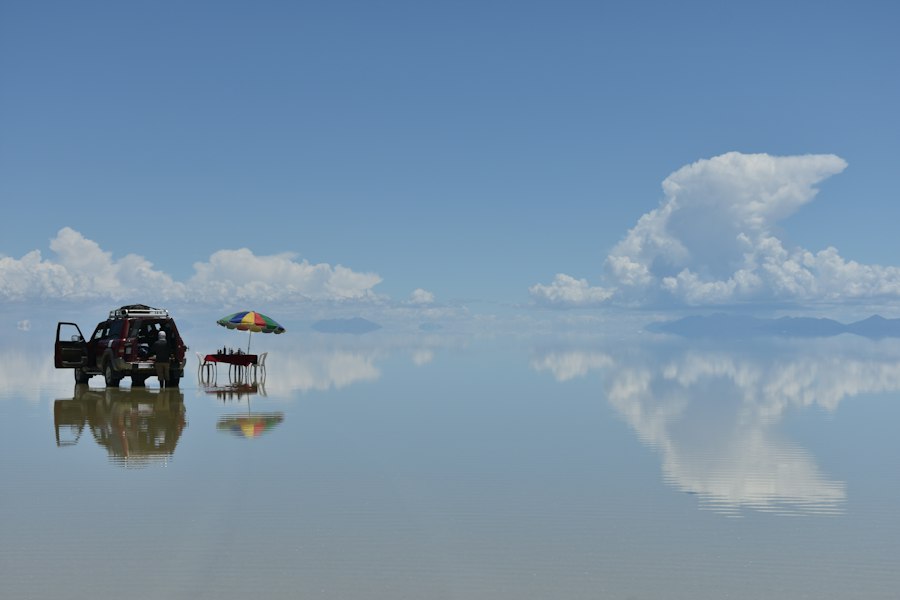
Mastering Uyuni reflection photography 2026 is the ultimate dream for landscape photographers, and I am here to help you turn that dream into breathtaking reality. Imagine standing on the edge of the earth, where the line between heaven and ground completely disappears. The Salar de Uyuni in Bolivia offers a mirror effect so perfect it feels like magic, but capturing it requires the right techniques. As your photography coach, I will guide you through the exact steps, gear setups, and creative secrets you need to conquer this otherworldly landscape this year.
First, let us look at why this location is so unique. During the wet season, a thin layer of water covers the vast salt flat, transforming it into the world largest natural mirror. But without the right knowledge, your dream trip can easily result in overexposed, blurry, or flat images. Today, we will unlock the secrets to perfect reflections so you can shoot with absolute confidence.
My Costly Mistake: A Quick Reflection Story
A few years ago, I stood on the salt flats during sunset, thinking I had everything figured out. I set up my tripod, pointed my camera at a gorgeous pink sky, and clicked away. When I got back to my hotel and opened my laptop, my heart sank. The sky was beautiful, but the reflection in the water was dark, muddy, and lacked all detail. I had made a classic rookie mistake: I relied on my camera automatic metering system, which got confused by the intense brightness of the salt and underexposed the entire scene.
To fix this, I had to learn how to manually control my light. In the Before image, the salt flat was a dull gray, and the horizon line was completely lost. In the After image, by adjusting my exposure settings and using manual focus, the reflection became a crystal-clear duplicate of the sky, with vibrant pastel colors and razor-sharp details. Let us make sure you get the After shot on your very first try!
The Gear You Need for Uyuni Reflection Photography 2026
The secret is that you do not need the most expensive camera on the market, but you do need the right tools to protect your gear and stabilize your shots. The harsh salt environment can be brutal on electronics, so preparation is key.
Must-Have Gear List
- A Sturdy Tripod: You will need this for long exposures and to keep your camera perfectly still. Choose carbon fiber if possible, as salt water can corrode aluminum quickly.
- Waterproof Boots: You will be standing in shallow water for hours. Keeping your feet warm and dry is essential for staying creative.
- Circular Polarizer (CPL) Filter: This tool helps you control reflections. You can rotate it to either maximize the mirror effect or cut through the glare to see the salt patterns beneath.
- Microfiber Cloths and Plastic Bags: Salt spray gets everywhere. Protect your camera body and wipe your lenses constantly.
Understanding the Photography Jargon
Before we dive into the step-by-step guide, let us quickly break down some essential photography terms in a simple way. Understanding these concepts will instantly elevate your Uyuni reflection photography 2026 skills.
First, let us talk about ISO. Think of ISO as your camera sensitivity to light. A low ISO, like ISO 100, gives you the cleanest, sharpest image. A high ISO allows you to shoot in the dark, but it introduces digital noise or grain. For clean reflections, we want to keep this as low as possible.
Next is Bokeh. This refers to the soft, out-of-focus background blur you see in portraits. While bokeh is great for close-up details, for wide landscape reflections, we actually want the opposite. We want everything from the foreground to the distant horizon to be sharp, which means using a narrow aperture like f/8 or f/11.
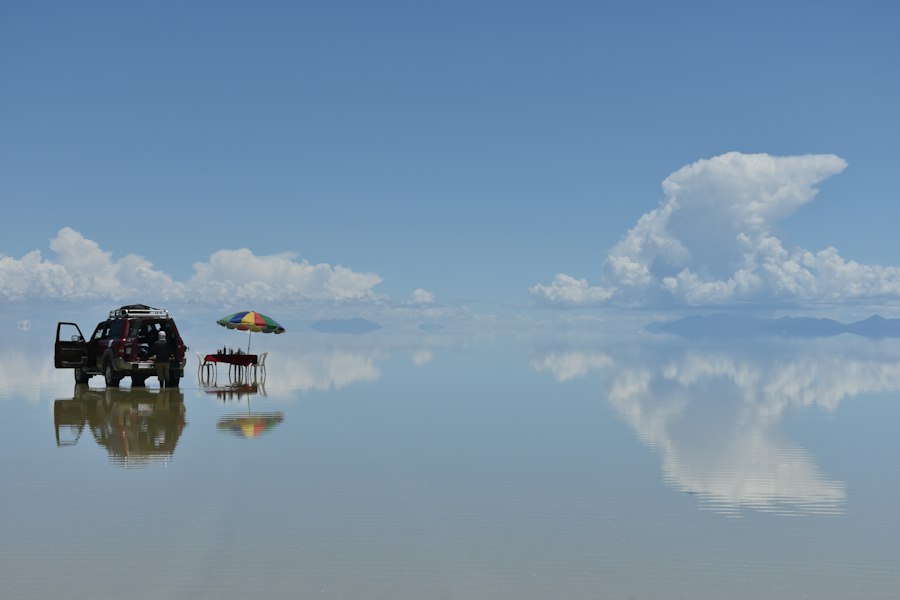
Then we have the Rule of Thirds. This classic composition rule suggests dividing your frame into a 3x3 grid. Usually, you place your horizon on the upper or lower third line. However, with reflection photography, breaking this rule by placing the horizon dead center often creates the most powerful, symmetrical mirror effect.
Finally, we must understand Exposure Compensation and the choice between RAW vs JPEG. Because the white salt is so bright, your camera automatic brain will try to darken the image. By using Exposure Compensation (the little +/- button), you can force your camera to make the image brighter. Always shoot in RAW rather than JPEG. A JPEG file discards a lot of color data, while a RAW file preserves all the details in the shadows and highlights, giving you maximum control when editing your photos later in software like Adobe Lightroom.
The Golden Rule of Uyuni Reflection Photography: Always keep your camera sensor level with the water surface. Even a slight tilt up or down can distort the symmetry of your reflection and ruin the illusion of infinite space.
Step-by-Step Guide to the Perfect Mirror Shot
Now try this exact workflow when you step onto the wet salt flats. This step-by-step guide will ensure you capture the magic of Uyuni reflection photography 2026 perfectly every time.
Step 1: Set Up and Level Your Tripod
Place your tripod firmly in the shallow water. Press the legs down into the salt to make sure they do not sink or drift during your exposure. Use the built-in bubble level on your tripod or camera screen to ensure your horizon is perfectly flat.
Step 2: Choose Your Camera Settings
Don't forget to switch your camera to Manual mode. Use these recommended settings to get started:
- Image Format: RAW (to capture maximum detail)
- ISO: 100 (for the cleanest image quality)
- Aperture: f/8 to f/11 (to keep both the sky and the water reflection sharp)
- Shutter Speed: Let your camera light meter guide you, but start around 1/125s during the day and slow it down as the sun sets.
- White Balance: Daylight or Cloudy (avoid Auto White Balance to prevent shifting colors)
Step 3: Focus and Compose
Switch your lens to manual focus. Find a distant point on the horizon, or use the screen zoom to focus on a friend standing in the distance. This ensures your entire scene remains sharp. Position your horizon line directly in the middle of the frame to emphasize the symmetry of your Uyuni reflection photography 2026 composition.
Step 4: Use a Remote Shutter or Timer
When you press the shutter button with your finger, you introduce tiny vibrations that can blur your shot. Use a 2-second self-timer or a remote shutter release to ensure absolute sharpness. This is especially crucial during sunset and twilight when your shutter speed slows down.
Advanced Techniques for 2026
If you want to take your images to the next level, try capturing the night sky. The Salar de Uyuni is one of the best places in the world for astrophotography. Capturing the Milky Way reflecting in the water creates an effect where it looks like you are floating in deep space. For this, you will need a fast lens with an aperture of f/2.8, a higher ISO like 3200, and an exposure time of around 15 to 20 seconds. You can learn more about choosing the right lenses for these extreme conditions by checking out the official camera specs on the Sony or Canon websites.
Another great tip for your Uyuni reflection photography 2026 journey is to look for perspective play. Because there are no visual reference points, you can create optical illusions where small objects close to the lens look massive compared to people standing far away in the background. Have fun, experiment, and let your creativity run wild!
Go Out and Capture the Mirror of the World
Now you have the knowledge, the settings, and the step-by-step plan to create stunning images. Remember to protect your gear from the salt, shoot in RAW, keep your horizon level, and do not be afraid to break the rules of composition to get that perfect symmetrical reflection. Your Uyuni reflection photography 2026 adventure is going to be unforgettable. Grab your camera, head out there, and show the world your vision!
Frequently Asked Questions
What is the best time of year for Uyuni reflection photography in 2026?
The wet season from December to March offers the strongest mirror reflections, with January and February typically the best. Visit in 2026 during these months for the deepest water coverage.
What camera gear do I need for Uyuni reflection photos?
Bring a wide-angle lens, a sturdy tripod, and lens filters to control harsh glare. A polarizer helps balance the sky and reflections in bright conditions.
How deep should the water be for perfect reflection shots?
A thin layer of water, roughly 2 to 5 centimeters deep, creates the sharpest mirror effect. Deeper water distorts the reflection and makes walking harder.
What are the best times of day to shoot reflections at Uyuni?
Shoot at sunrise and sunset for soft, colorful skies and calm winds. Midday light is harsh, so early morning or late afternoon gives the best results.
Do I need a guide for Uyuni reflection photography in 2026?
Yes, a local guide is essential to find safe, shallow water areas and navigate the vast salt flat. Many tours in 2026 include photography-focused itineraries with flexible timing.

Matthias Weber digs into the craft of travel photography, from camera settings to editing. He explains the technical side in plain language so you can spend less time fiddling with dials and more time shooting.
💬 Comments (0)
No comments yet. Be the first!