Jiufen Night Photography 2026 Guide
Master Jiufen night photography 2026 with our expert guide to capturing Taiwan's glowing lanterns and moody rainy streets.
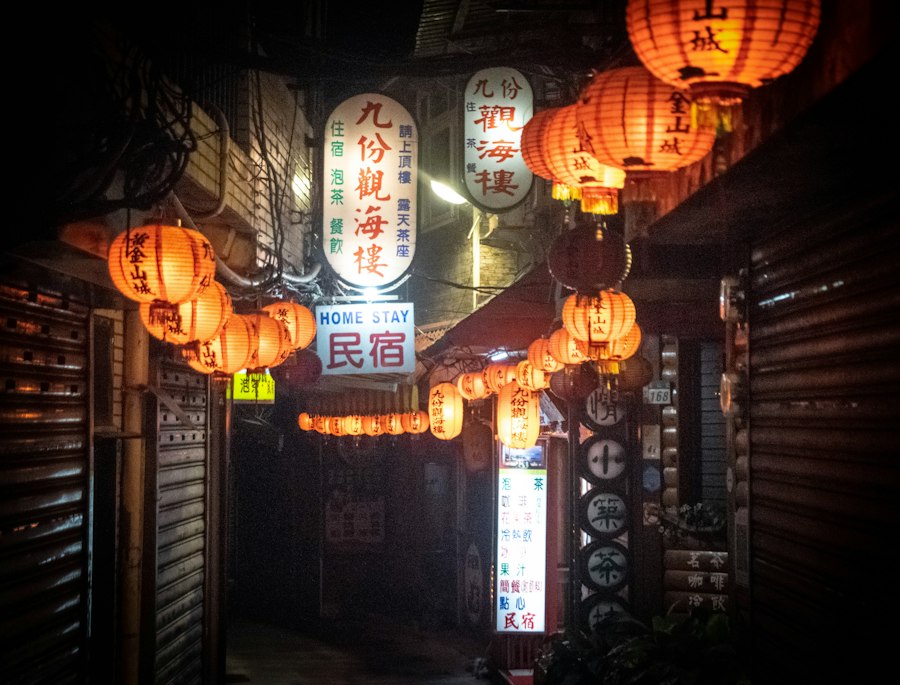
If you want to capture the magical, glowing lanterns of Taiwan's most famous mountain village, this ultimate Jiufen night photography 2026 guide will show you exactly how to capture those cinematic, Blade Runner meets Spirited Away vibes. I still remember my very first trip to these narrow, misty alleys years ago. I arrived with a cheap tripod, set my camera to auto mode, and ended up with a memory card full of blurry, blown-out orange blobs instead of beautiful lanterns. It was a disaster, but it taught me exactly what you need to do to get it right. Today, I am going to coach you through the exact camera settings, gear choices, and creative compositions you need to make your photos stand out in 2026.
Why Jiufen Night Photography 2026 Requires a Plan
Jiufen is beautiful, but it is also one of the most crowded and challenging environments you will ever shoot in. The narrow stairs of Shuqi Road are packed with tourists, the weather changes from clear to misty in seconds, and the high contrast between the dark night sky and the bright red lanterns can easily trick your camera sensor. To master Jiufen night photography 2026, you cannot just point and shoot. You need to understand how your camera sees light.
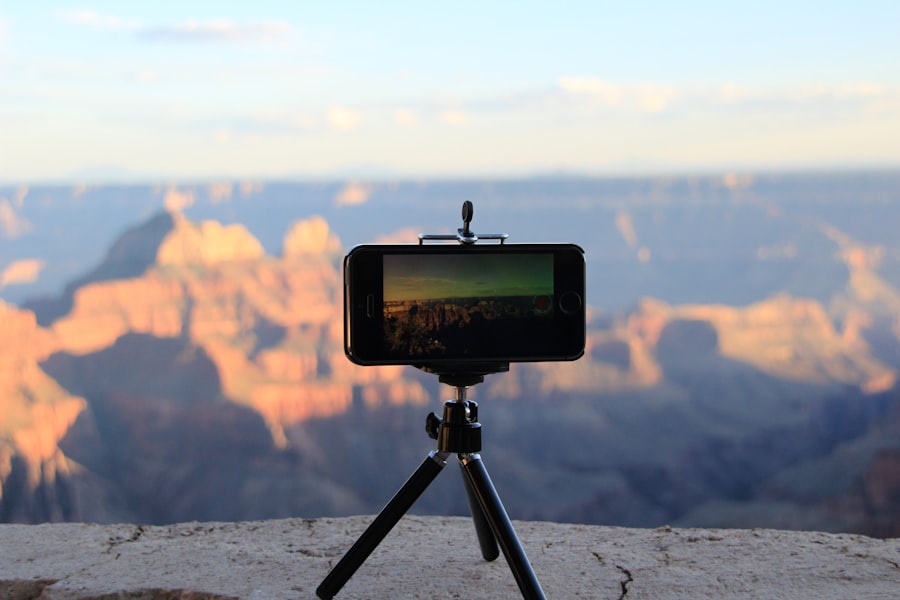
First, let's look at why your smartphone photos often look grainy or flat here. Mobile phones use tiny sensors that struggle to collect light in dark alleyways. By using a mirrorless or DSLR camera, you can control your exposure manually and create depth that a phone simply cannot match. Whether you are shooting on a modern camera body like the ones featured on the Sony official site or a classic DSLR, the principles of light remain the exact same.
The Golden Rule of Lantern Photography: Always expose for the highlights, not the shadows. It is much easier to recover dark shadows in post-processing than it is to fix a glowing red lantern that has been completely blown out to pure white.
Essential Gear for Your Night Shoot
Before you pack your bag and jump on the bus from Taipei, we need to talk about gear. Jiufen is steep, crowded, and often wet. You want to stay light on your feet, but you also need the right tools to handle the low-light conditions.
Must-Have Gear List
- A Fast Prime Lens: A 35mm or 50mm lens with a wide maximum aperture of f/1.8 or f/1.4 is your best friend. This allows maximum light to hit your sensor.
- A Compact Travel Tripod: Space is tight on the stairs. Leave the massive studio tripod at home and bring a sturdy, lightweight carbon fiber travel tripod.
- Lens Hood and Microfiber Cloth: Jiufen is famous for its sudden mountain rain. A lens hood keeps water drops off your glass, and a cloth is vital for wiping away condensation.
- Spare Batteries: Cold mountain air and long exposure times drain camera batteries much faster than usual.
Mastering the Camera Settings
Now try this: switch your camera dial from Auto to Manual (M) mode. Do not be scared! I am going to walk you through the three pillars of exposure so you can dial in your settings like a professional.
Recommended Settings for Jiufen
- Image Format: RAW (Never shoot in JPEG alone here. RAW files preserve all the color data in the shadows and highlights, which you can easily polish later using Adobe Photoshop and Lightroom tutorials).
- Aperture: f/1.8 to f/2.8 for portraits and detail shots (to get that beautiful blurry background); f/5.6 to f/8 for wide street landscapes where you want everything sharp.
- ISO: Keep this between 400 and 1600. ISO controls your camera sensor's sensitivity to light. Modern cameras handle higher ISO values well, but keeping it as low as possible reduces digital noise (grain).
- Shutter Speed: If you are shooting handheld, keep your shutter speed above 1/120th of a second to avoid camera shake. If you are using a tripod, you can drop this to 1 or 2 seconds to blur the moving crowds.
Step-by-Step Guide to the Perfect Lantern Shot
The secret is all in how you balance the ambient light of the lanterns with the dark mountain backdrop. Follow this simple step-by-step process once you find your spot on the steps of the A-Mei Tea House.
Your Step-by-Step Shooting Process
- Find your composition first: Use the Rule of Thirds. This is a classic composition technique where you divide your frame into a 3x3 grid. Place the glowing tea house on one of the vertical grid lines rather than dead center. This instantly makes your photo look more dynamic and professional.
- Lock down your tripod: Extend the legs and make sure it is stable on the uneven stone steps. Turn off your lens's Image Stabilization (IS) when mounted on a tripod, as the system can sometimes create artificial vibration.
- Switch to Manual Focus: In low light, autofocus can hunt and miss the target. Use your camera screen to zoom in digitally on a lantern, turn the focus ring until the Chinese characters on the lantern are tack-sharp, and then leave it locked.
- Adjust your Exposure Compensation: If your camera's light meter is trying to make the dark night sky look gray, your lanterns will be way too bright. Adjust your Exposure Compensation dial to -1 or -2 stops to keep the night dark and the lanterns rich in red and orange tones.
- Use a 2-Second Timer: When you press the shutter button with your finger, you shake the camera. By setting a 2-second self-timer, your hand will be away from the camera when the shutter actually opens, ensuring perfect sharpness.
Before and After: Fixing a Failed Night Photo
Let me paint a picture of a mistake I see dozens of tourists make every single night in Jiufen. They stand in front of the tea house, turn on their camera flash, and snap a picture.
The Before result? A harsh, flat photo where the foreground tourists are blindingly white, the beautiful red glow of the lanterns is completely washed out, and the background is pitch black. The atmosphere of the village is totally destroyed because the flash overpowered the natural, moody light.
Here is how we get the spectacular After shot. Turn off that flash! Instead, we embrace the ambient light. By opening our aperture to f/2.0, letting the ambient orange light paint the faces of the crowd, and using a slightly longer shutter speed, the background glows with warmth. The camera captures a beautiful contrast between the deep blue twilight sky and the warm golden lanterns. This creates a stunning 3D effect called Bokeh, where the out-of-focus background lights turn into soft, creamy circles of color. This is the hallmark of high-quality Jiufen night photography 2026.
Advanced Composition and Creative Ideas
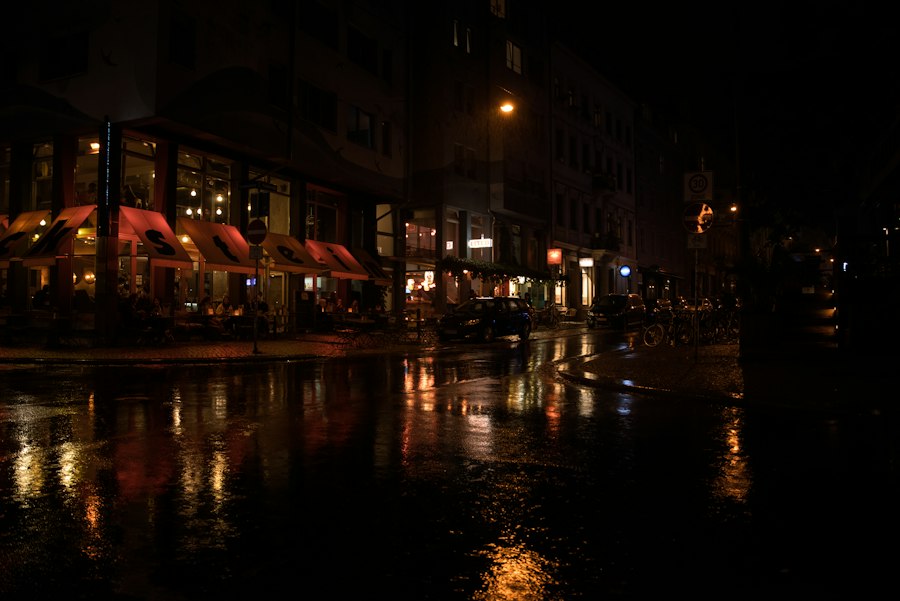
Do not stop at just the famous tea house view! Jiufen night photography 2026 is all about finding unique perspectives. Walk down the quiet side alleys away from the main tourist trail. Look for puddles on the wet stone steps after a rain shower. By positioning your camera low to the ground, you can use the puddle as a natural mirror to reflect the glowing lanterns, doubling the color and drama in your frame.
You can also look for leading lines. The handrails of the staircases, the hanging rows of lanterns, and the wooden eaves of the old buildings all act as visual pathways that guide your viewer's eyes straight through the image. Combine these leading lines with the Rule of Thirds to create photos that feel like stills from an award-winning movie.
Finally, don't forget to experiment with human elements. Waiting for a person carrying a traditional umbrella to walk through your frame adds a powerful sense of scale and storytelling to your work. Keep practicing, adjust your settings patiently, and you will leave Taiwan with breathtaking images that you will be proud to print and frame.
Frequently Asked Questions
What is the best time of year to photograph Jiufen at night in 2026?
Autumn and spring offer clearer skies and milder temperatures for night photography. Avoid typhoon season and heavy summer crowds for the best shots.
Where are the best viewpoints for night photography in Jiufen?
The Teapot Mountain trail and the rooftop terraces of A-Mei Teahouse provide iconic vantage points. The alleyways near Jishan Street also capture the glowing lanterns.
What camera settings do you recommend for Jiufen night photography?
Use a tripod, a low ISO (100-400), and a long exposure of 2-10 seconds to capture the lanterns and city lights. A wide-angle lens (16-35mm) works best for the layered streets.
Are there any new restrictions or fees for night photography in Jiufen in 2026?
As of 2026, some teahouses and private viewpoints may require a minimum purchase or small photography fee. Always check local signs and respect residents' privacy.
How can I avoid crowds when shooting Jiufen at night in 2026?
Visit on weekdays or after 9 PM when day-trippers have left. Staying overnight in Jiufen allows you to shoot the quiet alleyways early in the morning.
Camille Bernard shares travel photography tips for every kind of traveller, from phone snapshots to full kits. She breaks down light, composition and timing so you come home with photos that actually capture how a place felt.
💬 Comments (0)
No comments yet. Be the first!