Stockholm Metro Architecture 2026 Guide
Master Stockholm metro architecture 2026 photography with our expert guide to capturing the world's longest art gallery.
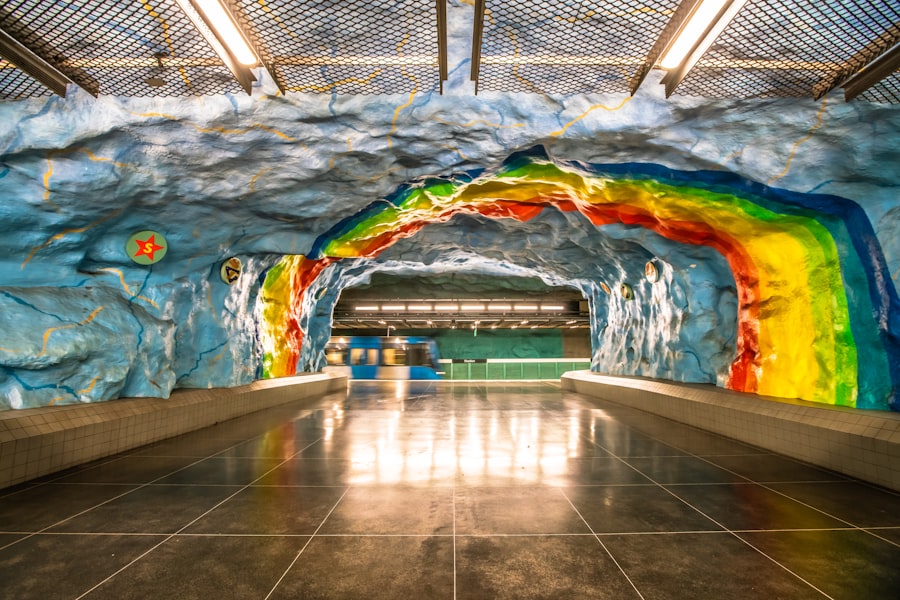
Mastering the art of Stockholm metro architecture 2026 photography is like stepping into the worlds longest art gallery with a camera in hand. Imagine standing inside a subterranean cavern, painted in vibrant blues and rust reds, where the rock face itself looks like it is melting over modern transit tracks. In 2026, the transit system of Sweden is more photogenic than ever, but shooting underground presents unique challenges for photographers of all skill levels. I will show you how to conquer the tricky lighting, master your camera settings, and capture breathtaking images that will make your portfolio stand out this year.
Why Stockholm Metro Architecture 2026 is a Photographers Dream
The underground stations of Stockholm are not just transit hubs; they are massive art installations carved directly into the bedrock. When you shoot the Stockholm metro architecture 2026 landscape, you are working with a mix of organic, rough-hewn stone surfaces and sleek, futuristic transit elements. This contrast between natural textures and human-made precision creates incredible visual tension.
Your photos will look like scenes from a science fiction film if you know how to balance your exposures. The secret is learning how to guide the viewers eye through these subterranean caves using light, leading lines, and scale. Let us dive into how you can turn these dark platforms into your personal studio.
Essential Camera Gear for Underground Architecture
Before you tap your transit card and head down the escalators, you need to pack the right gear. Underground spaces are notoriously dim, and while your eyes adapt quickly, your camera sensor has to work much harder to capture clean, sharp images.
Must-Have Gear for Your Kit
- Wide-Angle Lens: A lens with a focal length between 14mm and 24mm is essential to capture the massive scale of the caverns.
- A Sturdy Travel Tripod: While some stations ban bulky setups during rush hour, a compact travel tripod or a gorilla-pod is invaluable for long exposures.
- Lens Cleaning Cloth: Underground stations can be dusty, and any smudge on your glass will create nasty flares from the bright station lights.
- Comfortable Shoes: You will be walking miles of platforms and riding dozens of escalators to find the best angles.
If you are looking to upgrade your camera body for better low-light performance in 2026, check out the latest mirrorless options on the Canon Official Site or explore the high-resolution sensors detailed on the Nikon Official Site to see which system fits your shooting style.
Mastering Your Camera Settings Underground
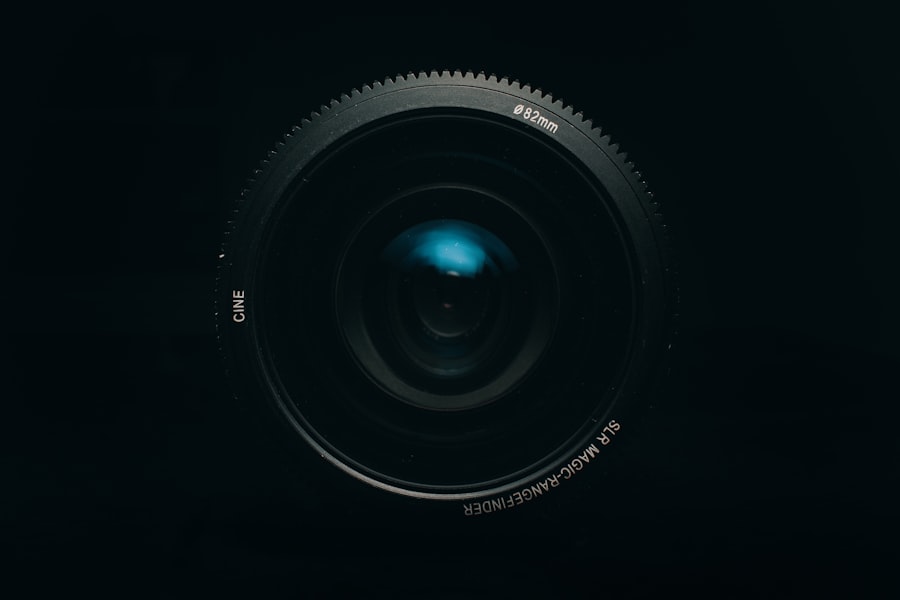
To capture the stunning details of Stockholm metro architecture 2026, you must move away from Auto mode. Let us break down the technical jargon so you can control your camera with absolute confidence.
First, let us look at RAW vs JPEG. Always shoot in RAW format. A JPEG file discards a lot of image data to save space. A RAW file preserves every bit of light information your sensor captures, allowing you to recover dark shadows and tone down bright neon signs later in editing. For a deep dive on how to process these files, you can read through the comprehensive Adobe Photoshop and Lightroom Tutorials.
Next, we must manage ISO, which controls your cameras sensitivity to light. A higher ISO lets you shoot in the dark, but it introduces digital noise (grain) that can ruin the crisp textures of the stone walls. The goal is to keep your ISO as low as possible, ideally between 100 and 800, by using slower shutter speeds or wider apertures.
The Golden Rule of Metro Photography: Always prioritize your aperture to control depth of field, keep your ISO below 1600 to prevent digital noise, and use exposure compensation to protect your highlights from blowing out under harsh station lights.
Recommended Camera Settings
- Shooting Mode: Manual (M) or Aperture Priority (A/Av)
- Aperture: f/8 to f/11 for maximum sharpness across the entire frame, or f/2.8 if you want a shallow depth of field with beautiful bokeh in the background.
- ISO: 100 (if using a tripod) or 800-1600 (if shooting handheld).
- Focus Mode: Single-point autofocus, aimed at a high-contrast edge on the stone wall.
- White Balance: Auto (AWB) or Daylight to preserve the warm and cool color casts designed by the artists.
Step-by-Step Guide to Shooting T-Centralen and Solna Centrum
Now try this practical workflow when you arrive at the stations. We will focus on two iconic spots that define the Stockholm metro architecture 2026 aesthetic: the blue vines of T-Centralen and the fiery red skies of Solna Centrum.
Step 1: Arrive During Off-Peak Hours
To get clean shots without crowds of commuters blocking your view, shoot between 10:00 AM and 3:00 PM, or late at night after 10:00 PM. This gives you the space to set up your shots safely and patiently.
Step 2: Find Your Leading Lines
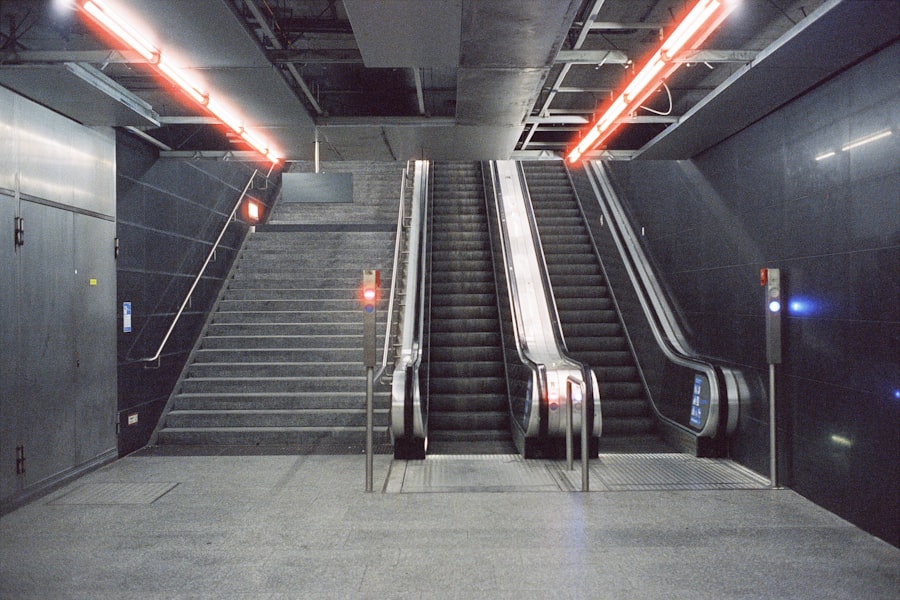
Use the platforms, train tracks, and escalators as natural leading lines that draw the viewer into the frame. Don't forget to apply the Rule of Thirds. Place the horizon or the main structural arches along the imaginary gridlines of your viewfinder to create a balanced, dynamic composition.
Step 3: Dial in Exposure Compensation
Metro stations have bright lightbulbs contrasted against dark, rocky ceilings. Your cameras light meter will get confused and try to overexpose the image, turning the colorful cave walls gray. Use your Exposure Compensation dial to lower the exposure by -1 or -2 stops. This keeps the shadows dark and rich while preserving the saturated colors of the artwork.
Step 4: Capture the Motion
Set your camera on a tripod, set your shutter speed to 1/2 a second or slower, and wait for a train to enter the frame. The moving train will blur into a dynamic streak of light, while the solid rock of the Stockholm metro architecture 2026 remains tack-sharp. This contrast between motion and stillness is incredibly powerful.
My Failed Shot: A Lesson in High Contrast
Let me share a personal story from when I first started shooting the Stockholm metro architecture 2026 locations. I was at Solna Centrum, eager to capture the intense red ceiling against the green forest mural. I set my camera to Auto, pointed, and shot.
The result was a total disaster. The bright lights on the platform were completely blown out into solid white blobs, while the beautiful textures of the red rock looked muddy, noisy, and gray. I had made the classic mistake of letting the camera make the decisions in a high-contrast environment.
To fix it, I switched to Manual mode, lowered my ISO to 200 to eliminate the noise, and set my aperture to f/8 for maximum sharpness. I then adjusted my shutter speed to underexpose the image slightly. This simple shift preserved the deep, fiery red tones of the ceiling and kept the platform lights under control. The before-and-after difference was night and day; the final image looked like a professional gallery print rather than a quick tourist snapshot.
Final Tips for Your Underground Adventure
As you explore, remember to look up and look behind you. Some of the best compositions in Stockholm metro architecture 2026 are found by turning away from the main platforms and looking at the ceiling transitions near the escalators.
Respect the local commuters and transit rules. Never step over safety lines, do not use flash photography as it can distract the train drivers, and keep your gear footprint small. With these techniques in your creative toolkit, your photos will capture the true, majestic spirit of Stockholms subterranean art world. Now get out there, experiment with your manual settings, and show the world your unique perspective!
Frequently Asked Questions
What are the most striking architectural features of the Stockholm metro in 2026?
The 2026 guide highlights new cavern stations with sculpted rock formations and integrated art installations, alongside preserved 1950s mosaic murals.
Which stations are newly redesigned or added by 2026?
New stations like Hagastaden and extension updates at Arenastaden showcase futuristic glass-clad entrances and color-coded ambient lighting.
How has sustainability influenced metro architecture in 2026?
Architects now use recycled materials, energy-saving LED art, and natural ventilation systems that blend with the surrounding granite bedrock.
Are there any guided tours focused on metro architecture in 2026?
Yes, visit Stockholm offers weekly guided walking tours through 10 key stations, with AR overlays showing original blueprints.
What should first-time visitors know about accessing metro art areas?
All art is accessible with a valid metro ticket, but some platforms require timed passes on weekends due to visitor limits.
Matthias Weber digs into the craft of travel photography, from camera settings to editing. He explains the technical side in plain language so you can spend less time fiddling with dials and more time shooting.
💬 Comments (0)
No comments yet. Be the first!