Budapest cityscape photography 2026 guide
Discover how to capture stunning landmarks with this Budapest cityscape photography 2026 guide for travelers.
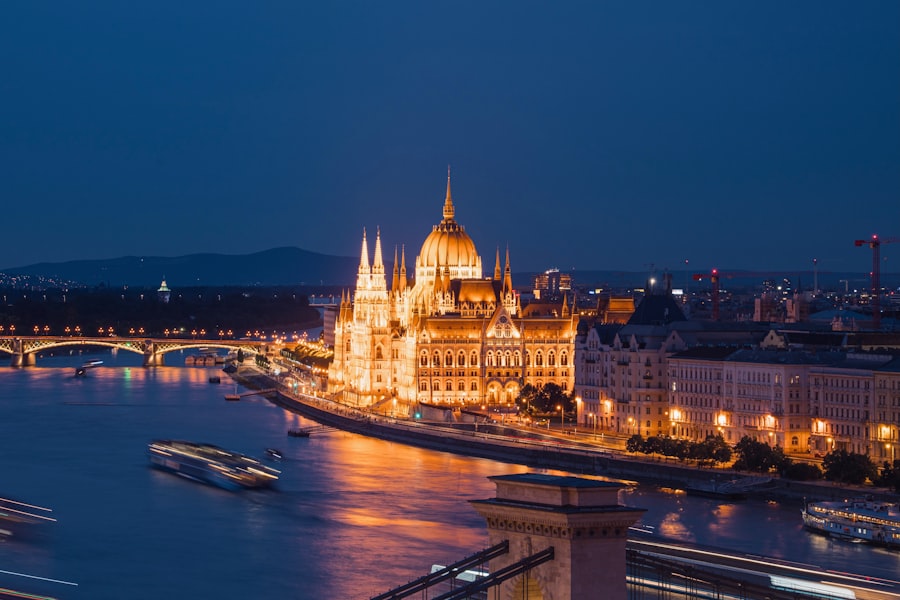
Mastering Budapest cityscape photography 2026 is one of the most rewarding challenges you can undertake as a travel photographer this year. The Hungarian capital, split down the middle by the majestic Danube River, offers a dramatic playground of gothic architecture, sweeping bridges, and glowing hillside vistas. Whether you are aiming to capture the golden illumination of the Parliament building or the historic charm of the Buda Castle district, I will show you how to elevate your shots from simple travel snaps to gallery-worthy masterpieces. Together, we will navigate the best vantage points, fine-tune your camera settings, and unlock the secrets of capturing this historic city in its best light.
The Magic of Budapest Light: Timing and Locations
Budapest is a city of two halves: flat Pest to the east and hilly Buda to the west. This geographical layout is a dream for photographers because it creates natural elevated platforms facing the rising or setting sun. To make your Budapest cityscape photography 2026 portfolio stand out, you must plan your shoots around the golden hour (the hour just after sunrise or before sunset) and the blue hour (the brief period of twilight when the sky turns a deep, rich blue).
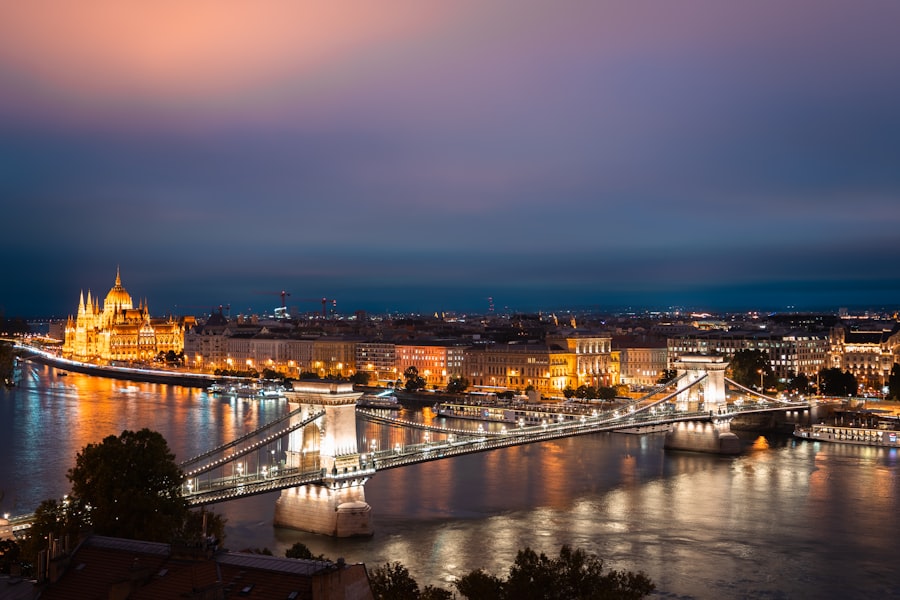
First, let's look at the ultimate classic view: the Hungarian Parliament building. To capture its massive grandeur, head across the river to the Bem Jozsef embankment or the elevated Fisherman's Bastion. During the blue hour, the warm yellow lights of the Parliament contrast beautifully with the cool blue tones of the sky. Another must-visit spot is Gellert Hill. From this high vantage point, the Chain Bridge and Elizabeth Bridge align perfectly, allowing you to shoot long exposures of traffic light trails bending across the river.
Golden Rule of Budapest Cityscape Photography 2026: Always arrive at your location at least 45 minutes before sunset. This gives you time to scout the perfect tripod placement, check your compositions, and watch how the ambient light interacts with the city's artificial illumination as it turns on.
Essential Gear for the Urban Landscape
Having the right tools will make your shooting experience much smoother. While you can take great photos with a smartphone, a mirrorless or DSLR camera gives you the manual control needed for complex lighting situations. Let us look at what you should pack in your camera bag for a successful shoot.
Must-Have Gear for Budapest Cityscapes
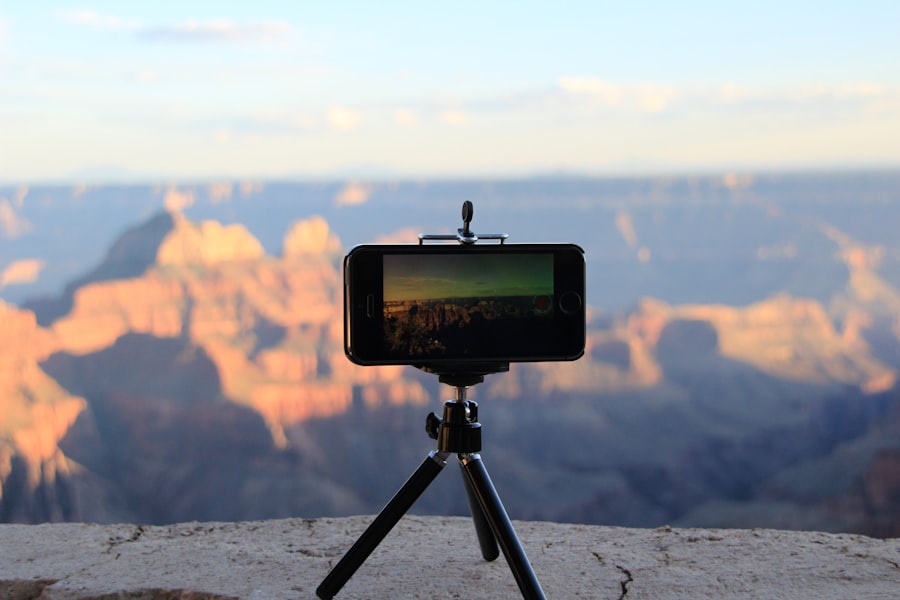
- A Sturdy Tripod: Essential for sharp night photos and long exposures. The winds along the Danube can be strong, so a flimsy tripod will result in blurry images.
- A Wide-Angle Lens: A focal length between 16mm and 35mm on a full-frame sensor will help you fit the massive architecture and the river into a single frame.
- A Telephoto Zoom Lens: A 70-200mm lens is perfect for compressing the distance between the bridges and isolating architectural details.
- Neutral Density (ND) Filters: These dark glass filters screw onto your lens to block light, allowing you to use slow shutter speeds even during the day to flatten river waves.
If you are looking to upgrade your camera system before your trip, check out the latest high-resolution bodies on the Sony Alpha camera page or explore the professional mirrorless options on the Canon official camera site to find a body with excellent dynamic range and low-light performance.
Understanding the Photography Jargon: Made Simple
Before we dive into the shooting steps, let us demystify some of the technical terms you will use during your Budapest cityscape photography 2026 sessions. Understanding these concepts will give you complete creative control over your images.
First is ISO, which measures your camera sensor's sensitivity to light. A low ISO (like 100) produces clean, sharp images, while a high ISO (like 6400) helps you shoot in the dark but introduces digital noise or grain. Next is Bokeh, which refers to the soft, out-of-focus background blur created when shooting with a wide aperture (like f/1.8). While great for portraits, we generally want to avoid too much bokeh in cityscapes, opting instead for a narrow aperture (like f/8 or f/11) to keep the entire city sharp from front to back.
To compose your shot, use the Rule of Thirds. Imagine your frame divided into a 3x3 grid. Instead of placing the horizon right in the middle, place it along the upper or lower third line to create a more dynamic composition. When your camera's automatic meter gets confused by the bright city lights against a dark sky, you can use Exposure Compensation to manually brighten or darken your image. Finally, always shoot in RAW vs JPEG. A JPEG is a compressed, finished file processed by your camera, while a RAW file preserves all the untouched data captured by your sensor, giving you maximum flexibility to recover shadows and highlights later in editing software.
How I Saved a Ruined Night Shot: A Personal Story
I will never forget my first attempt at photographing the Chain Bridge during a freezing autumn evening. I set up my tripod, composed a beautiful shot using the Rule of Thirds, and pressed the shutter. When I looked at the back of my screen, the photo was a complete mess. The bright lights on the bridge were completely blown out into solid white blobs, while the castle in the background was lost in pitch-black shadows.
The secret to fixing this was switching from automatic mode to manual mode and shooting in RAW. First, I lowered my ISO to 100 to eliminate the ugly digital noise. Then, I set my aperture to f/11 to get a deep depth of field and create a beautiful "starburst" effect on the streetlights. Finally, I used a technique called exposure bracketing—taking one dark photo for the bright highlights, one medium photo, and one bright photo for the dark shadows. Back in my hotel room, I blended these RAW files together. The result was a perfectly balanced, sharp image that truly captured the magic of the night. This is why mastering your camera settings is so crucial for Budapest cityscape photography 2026.
Step-by-Step Guide to Shooting a Budapest Sunset
Now try this step-by-step workflow during your next sunset session along the Danube. This systematic approach ensures you do not miss the fleeting moments of perfect light.
The Perfect Sunset Workflow
- Secure your position: Set up your tripod on solid ground. If you are on a bridge, try to stand close to the stone pillars where foot traffic causes less vibration.
- Switch to Manual Mode (M): This gives you total control over your exposure parameters.
- Set your ISO to 100: This ensures the highest possible image quality and sharpness.
- Choose your aperture: Set it between f/8 and f/11. This is the "sweet spot" for most lenses, offering maximum sharpness across the entire frame.
- Focus manually: Switch your lens to manual focus, use your camera screen to zoom in on a distant building light, and turn the focus ring until that light is a perfectly sharp pinpoint.
- Set your shutter speed: Adjust your shutter speed until the light meter in your viewfinder reads balanced. As the sun goes down, you will need to make your shutter speed longer (slower) to let in more light.
- Use a 2-second timer: Don't forget to use your camera's built-in self-timer or a remote shutter release. Pressing the shutter button with your finger causes micro-shakes that can ruin a long exposure.
Recommended Settings for Night and Day
To help you get started quickly, here is a quick reference guide of recommended camera settings for different scenarios you will encounter during your Budapest cityscape photography 2026 adventure.
Quick Settings Reference Table
- Daytime River Motion (with ND Filter): Aperture: f/11 | ISO: 100 | Shutter Speed: 5 to 10 seconds | Focus: Manual on distant architecture.
- Golden Hour Handheld: Aperture: f/4 to f/5.6 | ISO: 200 to 400 | Shutter Speed: 1/250s or faster | Focus: Single-point autofocus on your main subject.
- Blue Hour Bridge Lights (on Tripod): Aperture: f/11 | ISO: 100 | Shutter Speed: 8 to 15 seconds | Focus: Manual focus on the bridge cables.
- Starry Night Sky over Buda Castle: Aperture: f/2.8 | ISO: 1600 to 3200 | Shutter Speed: 15 seconds | Focus: Set to infinity.
Now that you have the knowledge and the settings, it is time to pack your bags and head out into the beautiful streets of the Hungarian capital. Remember that great photography is not just about having the most expensive gear; it is about understanding how light interacts with your subject and knowing how to control your camera to capture that vision. Keep experimenting, stay patient through the changing weather, and your Budapest cityscape photography 2026 images will surely capture the hearts of everyone who sees them. Happy shooting!
Frequently Asked Questions
What are the best locations in Budapest for cityscape photography in 2026?
The top spots include Fisherman's Bastion for panoramic views over the Danube, Gellért Hill for sunset shots, and the Liberty Statue area for capturing the Parliament at golden hour.
What camera settings work best for Budapest night photography?
Use a tripod, set ISO to 100 or 200, and choose an aperture around f/8 to f/11 with a long exposure of 2-10 seconds to capture sharp city lights and smooth water reflections.
Are there any new photography rules or restrictions for 2026 in Budapest city centers?
As of now, drones require permits in most areas, and tripods are allowed on public walkways, but avoid blocking pedestrian flow at major viewpoints; always check local signage for temporary restrictions.
When is the ideal time of year to shoot the Hungarian Parliament building reflections?
The best period is from late March to early May or September to late October when the river level is calm, and sunrise or sunset aligns with the building's façade lighting.
What post-processing tips enhance Budapest's architecture in cityscape photos?
Focus on white balance to avoid yellow casts from streetlamps, slightly boost contrast in highlights for building facades, and use clarity to emphasize structural details without overdoing it.
Matthias Weber digs into the craft of travel photography, from camera settings to editing. He explains the technical side in plain language so you can spend less time fiddling with dials and more time shooting.
💬 Comments (0)
No comments yet. Be the first!