Guide to Lake Tekapo astrophotography 2026
Master Lake Tekapo astrophotography 2026 with our expert setup tips for capturing the incredible southern night sky.
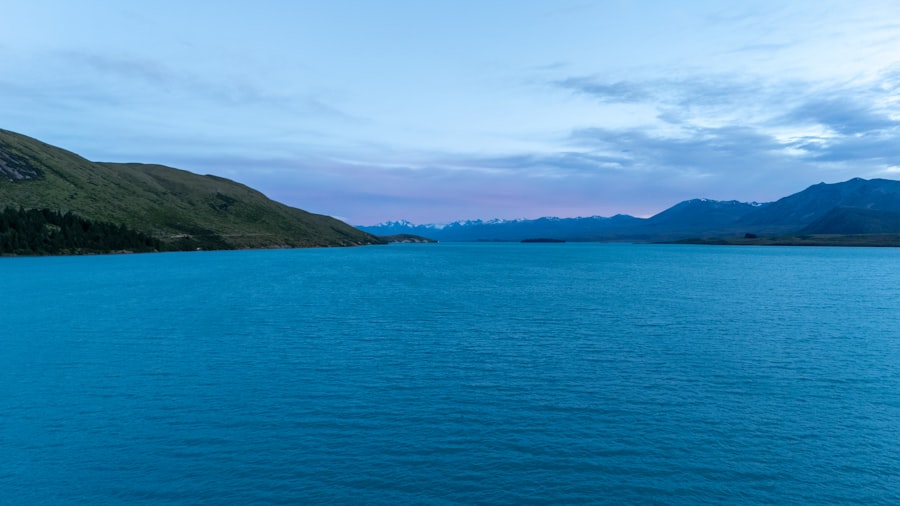
If you want to capture the magic of the night sky, mastering Lake Tekapo astrophotography 2026 is the ultimate adventure for your camera portfolio this year.
I still remember my first night standing on the cold shores of Lake Tekapo years ago. I had my tripod set up, the majestic Church of the Good Shepherd was right in front of me, and the Milky Way was blazing overhead like a river of diamonds. I dialed in my settings, pressed the shutter, and waited twenty seconds. When the screen lit up, my heart sank. The church was a blurry mess of orange light, the stars looked like tiny, smudged bananas, and the sky was filled with ugly, multicolored digital noise. I had failed completely because I did not understand how to balance my camera settings for the dark night sky.
But do not worry! I made those mistakes so you do not have to. In this guide, I will coach you through everything you need to know to create jaw-dropping images during your own Lake Tekapo astrophotography 2026 expedition. Let us get your gear ready and turn those blurry night shots into masterpieces.
Why Lake Tekapo is an Astrophotographer's Dream in 2026
The secret is that Lake Tekapo sits in the heart of the Aoraki Mackenzie International Dark Sky Reserve. This is one of the gold-tier dark sky reserves in the world, meaning light pollution is strictly controlled. In 2026, with solar activity creating spectacular potential for the Aurora Australis (the Southern Lights) alongside the core of the Milky Way, your Lake Tekapo astrophotography 2026 journey will be truly historic.
When you stand out there in the darkness, the sky feels three-dimensional. However, capturing this on a digital sensor requires a shift from your daytime shooting habits. We need to maximize light collection without introducing noise or star trailing. To do this, we must understand our camera gear and settings.
Essential Gear for Lake Tekapo Astrophotography 2026
First, let us look at the tools you need to pack. You do not need the most expensive gear on the planet, but you do need a few specific items to handle the dark environment.
- A Camera with Manual Control: A camera that allows you to control ISO, aperture, and shutter speed independently is essential. Full-frame sensors are ideal, but crop sensors work wonderfully too.
- A Fast, Wide-Angle Lens: Look for a lens with a focal length between 14mm and 24mm, and a maximum aperture of f/2.8 or wider (like f/1.8 or f/1.4). This lets in the maximum amount of light.
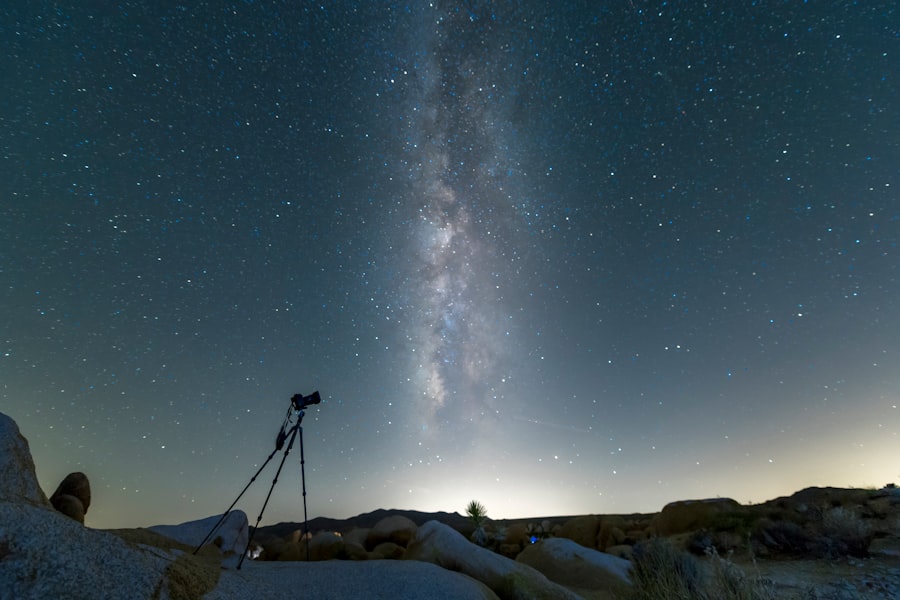
- A Sturdy Tripod: The mountain winds at Tekapo can be fierce. A heavy, stable tripod is non-negotiable to prevent camera shake.
- A Headlamp with Red Light Mode: Red light preserves your night vision and is polite to other photographers sharing the space.
If you are looking to upgrade your camera system before your trip, check out the latest mirrorless camera specifications on the Official Canon Website or explore the low-light capabilities detailed on the Official Sony Website.
Understanding Night Photography Jargon
Before we press the shutter, let us simplify the photography terms you need to master for your Lake Tekapo astrophotography 2026 shoot.
RAW vs JPEG
Always shoot in RAW format, never JPEG. A JPEG is a finished image processed by your camera, which throws away tons of shadow detail. A RAW file saves all the data captured by your sensor. This gives you the power to rescue dark shadows and fine-tune colors later in editing software.
ISO and Exposure Compensation
ISO measures your camera sensor's sensitivity to light. In daytime photography, you keep this low (like ISO 100). At night, we must raise it to ISO 3200 or 6400 to see the stars. Note that Exposure Compensation (the little +/- button) does not work in full Manual mode, so you will control the brightness entirely yourself by adjusting ISO, aperture, and shutter speed.
The Rule of Thirds and Bokeh
Use the Rule of Thirds to compose your shot. Imagine your frame divided into a nine-box grid; place the Church of the Good Shepherd or the lake shoreline along those grid lines to create a balanced composition. Also, keep in mind that we want our stars tack-sharp, so we will not be looking for soft background blur, which photographers call Bokeh, in our sky. We want everything from the foreground to the stars to be in focus!
The Golden Rule of Astrophotography: To keep your stars looking like sharp points of light instead of blurry streaks, use the 500 Rule. Divide 500 by your lens focal length to find your maximum safe shutter speed. For example, if you use a 20mm lens, 500 divided by 20 equals 25 seconds.
Step-by-Step Guide to Capturing Your First Star Shot
Now try this step-by-step workflow when you arrive at the lake shore. This is the exact routine I use to guarantee sharp, beautiful images.
- Set up your tripod: Find a safe spot on the stony shores of Lake Tekapo. Make sure your tripod is planted firmly and all locks are tight.
- Switch to Manual Mode: Turn your camera dial to 'M'. Turn off your autofocus on both your camera body and your lens.
- Focus on the stars: Turn on your camera's Live View screen. Find a bright star, zoom in digitally on your screen, and manually turn your focus ring until the star becomes a tiny, sharp pinprick of light.
- Dial in your exposure settings: Set your aperture to its widest setting (e.g., f/2.8). Set your shutter speed using the 500 Rule (usually around 15 to 20 seconds). Set your ISO to 3200.
- Use a 2-second delay: Do not press the shutter button directly, as this causes camera shake. Set your drive mode to a 2-second self-timer so the camera is perfectly still when the photo starts.
- Review and adjust: Take the shot! Zoom in on your LCD screen to check the sharpness of the stars and the brightness of the foreground.
Recommended Settings for Lake Tekapo Astrophotography 2026
Every night is slightly different depending on the moon phase, but here is a fantastic starting point for your camera settings during your Lake Tekapo astrophotography 2026 adventure:
- File Format: RAW
- Aperture: f/2.8 (or your lowest possible f-number)
- Shutter Speed: 15 seconds (adjust based on the 500 Rule)
- ISO: 3200 (increase to 6400 if the image is too dark; decrease to 1600 if it is too bright)
- White Balance: Kelvin 4000K (this keeps the night sky looking beautifully blue rather than muddy brown)
- Focus: Manual focus on a bright star
Before & After: Fixing Common Mistakes
Let us look at a classic "Before & After" scenario to show you how easy it is to fix common mistakes during your Lake Tekapo astrophotography 2026 session.
The Before: Your image is incredibly bright, but the stars look like short white lines instead of points of light. The sky is a weird, glowing green-brown color, and there is a lot of grain.
The Fix: The lines mean your shutter speed was too long (perhaps 30 seconds), causing the camera to record the rotation of the Earth. Lower your shutter speed to 15 seconds. The strange color is likely due to Auto White Balance (AWB) getting confused by the dark. Change your White Balance to a manual setting of 4000K. If the image has too much grain, lower your ISO slightly and ensure you are editing your RAW file in post-processing program to apply gentle noise reduction.
The After: The sky is a deep, majestic cosmic blue. The Milky Way stands out in sharp contrast, and the stars are crisp, bright pinpricks. The silhouette of the Southern Alps in the background adds breathtaking depth to your image.
Don't forget to practice these steps at home in your backyard before you travel. Getting comfortable with your dials in the dark is the absolute best way to prepare for your Lake Tekapo astrophotography 2026 trip. Keep practicing, stay warm, and enjoy the incredible beauty of the New Zealand night sky!
Frequently Asked Questions
What makes Lake Tekapo a prime location for astrophotography in 2026?
Lake Tekapo is part of the Aoraki Mackenzie Dark Sky Reserve, one of the best spots on Earth for star photography, with minimal light pollution and high altitude. In 2026, the area continues to offer exceptional clarity for capturing the Milky Way and Southern Hemisphere stars.
What equipment is essential for shooting the night sky at Lake Tekapo?
A good DSLR or mirrorless camera with a wide-aperture lens (f/2.8 or lower), a sturdy tripod, and a remote shutter release are essential. Additionally, a red headlamp and lens heater help prevent dew and maintain your night vision.
What are the best months to photograph stars at Lake Tekapo in 2026?
The best months are from April to September, when nights are longer and darker. In particular, June and July offer the core of the Milky Way high in the sky, though check moon phases to avoid bright nights.
Do I need a permit for astrophotography at Lake Tekapo?
You do not need a permit for general astrophotography at public locations like the Church of the Good Shepherd or lakeside areas, but respect private property and any local restrictions. For commercial shoots, you may require a permit from the local council.
What is the best way to find dark sky spots around Lake Tekapo?
On a clear night, the Dark Sky Project Night Observatory offers guided programs, but many photographers find isolated spots along the lake's shore or up Mount John (closing at sunset). Use an app like PhotoPills to preplan composition with dark sky map overlays.

Matthias Weber digs into the craft of travel photography, from camera settings to editing. He explains the technical side in plain language so you can spend less time fiddling with dials and more time shooting.
💬 Comments (0)
No comments yet. Be the first!