Galapagos wildlife photography 2026 guide
Master Galapagos wildlife photography 2026 with our expert guide to capturing endemic species using the best camera settings.
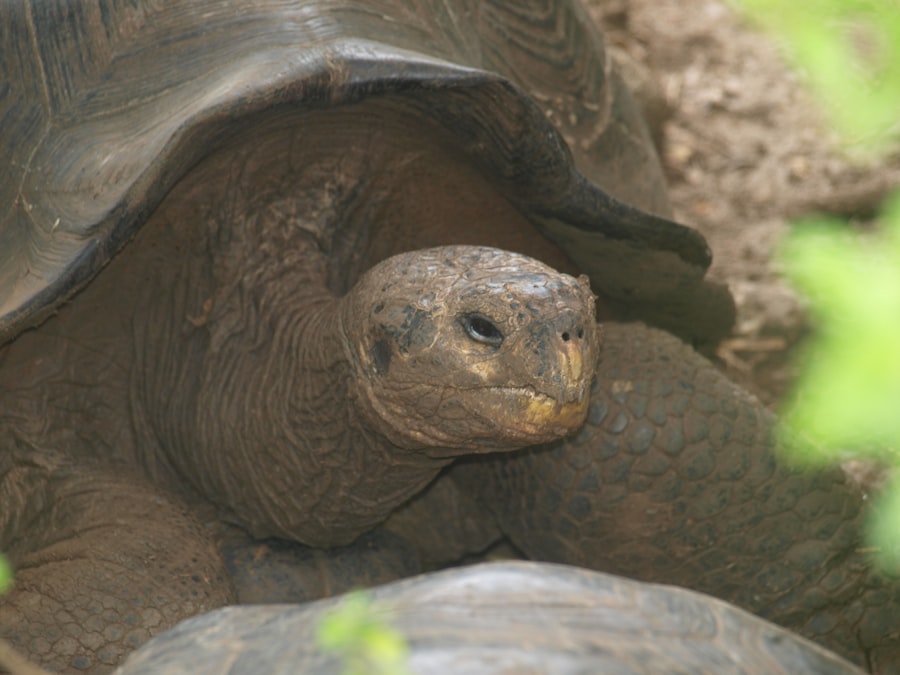
Mastering Galapagos wildlife photography 2026 is the ultimate dream for nature lovers, and this comprehensive guide will help you capture the archipelago's iconic species like a professional. Imagine standing just three feet away from a fearless blue-footed booby or watching a giant tortoise slowly crawl through the highlands of Santa Cruz. The year 2026 brings new park regulations and advanced camera technology, making it more important than ever to arrive prepared. I will show you how to dial in your settings, compose breathtaking shots, and bring home a portfolio that tells a true conservation story.
As your photography coach, I want to reassure you that you do not need the most expensive gear to get incredible results. What you do need is a solid understanding of light, animal behavior, and your camera manual. Let's embark on this visual journey together and transform your skills before you even step foot on the islands.
Understanding the Light and Wildlife of the Galapagos
The Galapagos Islands sit directly on the equator. This means the sun rises and sets quickly, and the midday light can be incredibly harsh. First, let's look at how this unique geography affects your exposure. Between 11:00 AM and 3:00 PM, the bright equatorial sun can blow out the highlights on a white bird or create harsh shadows under the eyes of a marine iguana. To combat this, we use a tool called Exposure Compensation. This setting tells your camera to make the image darker or lighter than what the automatic meter suggests. When shooting a dark lava lizard on bright white sand, you will want to dial your Exposure Compensation down to prevent overexposing the background.
Another crucial element of Galapagos wildlife photography 2026 is understanding animal behavior. Because these animals evolved without natural predators, they show no fear of humans. This is a double-edged sword. While you can get close, you must respect the official 2-meter (6-foot) rule. Never crowd the wildlife. Instead, use a telephoto lens to compress the distance and create a intimate portrait without disturbing the creature's natural behavior.
The Golden Rule of Galapagos Photography: Always shoot from the animal's eye level. Instead of standing up and looking down at a marine iguana, get down on your stomach. This simple perspective shift instantly creates a powerful, emotional connection between the viewer and the subject.
Essential Gear and Recommended Settings for 2026
The secret is keeping your gear lightweight and weather-sealed. You will be embarking on zodiac rides (locally called pangas) and walking over rough, wet volcanic rock. For high-quality gear insights, you can check out the latest mirrorless camera bodies on DPReview to see which systems offer the best dust and moisture resistance.
Your camera settings need to be locked in before you step off the boat. Use this checklist as your starting point to ensure you never miss a shot:
- Shooting Mode: Aperture Priority (A or Av) or Manual (M) with Auto ISO.
- Image Format: Always shoot in RAW vs JPEG. RAW files preserve all the data from your camera sensor, allowing you to recover shadows and highlights later in editing software like Adobe Lightroom.
- Autofocus Mode: Continuous AF (AI Servo for Canon / AF-C for Nikon and Sony) with Animal Eye Tracking enabled.
- Drive Mode: High-speed continuous burst mode to capture fast action like a diving booby.
- Shutter Speed: Minimum of 1/1000s for moving animals, and 1/2000s or faster for birds in flight.
Must-Have Gear for Your 2026 Expedition
- A Versatile Zoom Lens: A 100-400mm or 200-600mm lens is perfect for safely capturing distant birds and close-up details of reptiles.
- Circular Polarizer Filter: This helps cut through the glare of the Pacific Ocean, revealing the stunning turquoise water and underwater marine life.
- Dry Bag: Essential for protecting your camera body and lenses from salt spray during panga rides.
- Microfiber Cloths: Ocean spray and volcanic dust will get on your lens; carry plenty of clean cloths to wipe them down safely.
Step-by-Step Guide to Capturing Action and Portraits
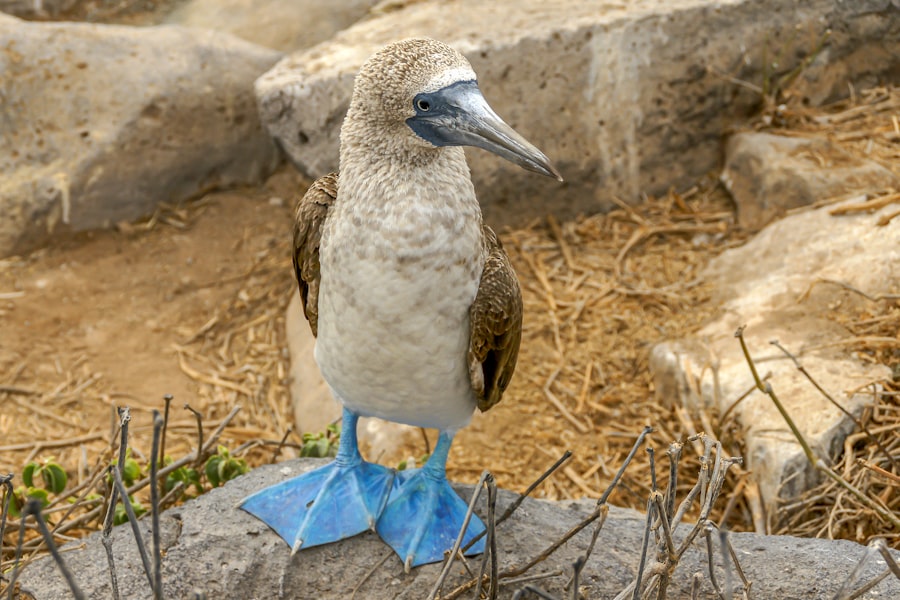
Now try this step-by-step workflow when you encounter your first major wildlife subject, such as a blue-footed booby performing its mating dance or a sea lion pup playing in the surf. This method ensures your Galapagos wildlife photography 2026 images look professional and polished.
Step 1: Analyze the Background and Light Direction
Before you even raise the camera to your eye, look at where the sun is. Position yourself so the sun is behind you, illuminating your subject. Look at the background. Is there a distracting tourist or a bright white boat in the frame? Take two steps to the left or right to clean up the background and keep the focus entirely on the animal.
Step 2: Isolate Your Subject with Bokeh
To make your subject pop, you want a creamy, blurry background. This beautiful blur is called Bokeh. You achieve this by opening your lens aperture to its widest setting (like f/4 or f/5.6) and ensuring there is plenty of physical distance between your subject and the background. Your photos will look instantly three-dimensional.
Step 3: Apply the Rule of Thirds
Don't just place the animal dead-center in the frame. Imagine your viewfinder is divided by a grid of nine equal rectangles. Place the animal's eye at one of the intersecting points. If the animal is looking or moving to the right, place them on the left side of the frame so they have "room to look" into the empty space. This creates a balanced, dynamic composition.
Before & After: Learning From My Mistakes
Let me share a quick personal story about a failed photo and how I fixed it. On my first trip, I spotted a magnificent male Great Frigatebird inflating his giant red throat pouch against a bright, overcast sky. I was so excited that I left my camera on standard automatic settings. The camera got confused by the bright sky and underexposed the bird. The result? A muddy silhouette of a bird against a gray background. The vibrant red pouch looked completely black.
I didn't panic. To fix this, I switched my camera to manual mode and changed my file format from JPEG to RAW. I bumped my ISO to 400 to handle the overcast light and adjusted my Exposure Compensation to +1.0. This told the camera to ignore the bright sky and expose for the dark feathers of the bird. By shooting in RAW, I was able to open up the shadows in post-processing later, revealing the stunning iridescence of the feathers and the true, brilliant crimson of the pouch. Remember, Galapagos wildlife photography 2026 is all about adapting to the environment in real-time!
Advanced Creative Techniques for the Modern Photographer
Now that you have the basics down, let's push your creativity further. In 2026, camera sensors have incredible high-ISO capabilities. If you are shopping for a new body, you can explore the official specs on Sony, Canon, or Nikon to see how modern sensors handle low-light noise. Do not be afraid to raise your ISO to 1600 or 3200 during the golden hour just before sunset. It is always better to have a sharp image with a little bit of noise than a blurry image shot at a low ISO.
Don't forget to look for textures and patterns. The scales of a land iguana, the shell of a giant tortoise, or the cracked volcanic mud all make incredible abstract images. Zoom in close and let the texture fill the entire frame. This adds variety to your portfolio and tells a deeper story of the volcanic origins of these islands.
Ready to Capture the Magic?
Your journey to the enchanted islands will be one of the most memorable experiences of your life. By mastering the balance of ISO, aperture, and shutter speed, and practicing patience in the field, your Galapagos wildlife photography 2026 portfolio will be truly spectacular. Keep practicing your settings at a local park before you fly, keep your camera safe from the salt water, and most importantly, remember to put the camera down once in a while to simply enjoy the magic of this untouched paradise. Happy shooting!
Frequently Asked Questions
What is the best time of year to photograph Galapagos wildlife in 2026?
The dry season from June to November offers the clearest skies and cooler temperatures, ideal for capturing sharp images. However, each month brings unique species, so check breeding charts for your target subjects.
What camera gear should I bring for Galapagos wildlife photography in 2026?
Bring a DSLR or mirrorless camera with a 100-400mm or 70-200mm lens for versatile wildlife shots, plus a wide-angle lens for landscapes. A waterproof housing is essential for snorkeling and boat-based photography.
Are there new photography restrictions in the Galapagos for 2026?
Recent rules now require permits for drones, which are heavily restricted. Additionally, photographers must maintain a minimum distance of 2 meters from animals, so use telephoto lenses to avoid disturbance.
Which Galapagos islands are must-visits for wildlife photography in 2026?
Isabela and Fernandina are top for penguins, flightless cormorants, and marine iguanas. Española and Genovesa are excellent for frigatebirds, albatrosses, and boobies due to accessible nesting sites.
What are key safety and ethical tips for photographing wildlife in the Galapagos?
Always prioritize animal welfare by avoiding disruption, flash, and sudden movements. Stick to marked trails, hire a certified guide to know local behaviors, and never touch or feed any creature.

Camille Bernard shares travel photography tips for every kind of traveller, from phone snapshots to full kits. She breaks down light, composition and timing so you come home with photos that actually capture how a place felt.
💬 Comments (0)
No comments yet. Be the first!