Valletta Historic Photography 2026 Guide
Master Valletta historic photography 2026 techniques to capture stunning limestone fortresses and golden alleys effortlessly.
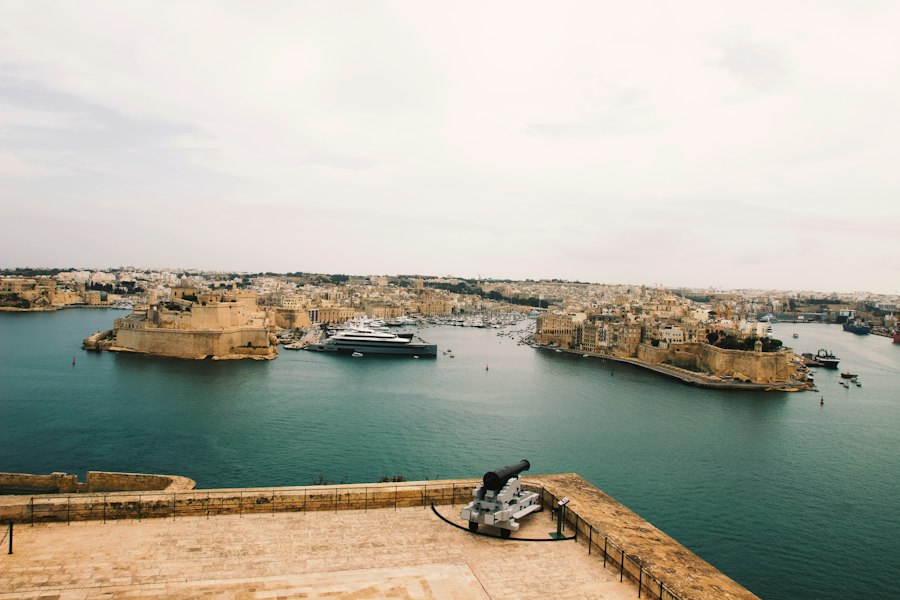
Welcome to my complete Valletta historic photography 2026 guide, where I will help you capture the timeless magic of Malta's capital city like a seasoned professional photographer.
I still remember my very first trip to Malta a few years back. I stood in front of the magnificent St. Johns Co-Cathedral, surrounded by warm limestone walls and deep blue skies. I raised my camera, hit the shutter, and checked my screen. The image was a complete mess! The grand golden limestone looked completely washed out, the intricate shadowy details were totally lost, and the bright Mediterranean sun made the sky look like a flat white sheet. I had failed to master contrast and light management. But do not worry, my friend. The secret is knowing how to set up your gear to handle intense sunlight and complex architecture. By applying a few simple photographic techniques, your photos will look like they belong in a high-end travel magazine.
Understanding the Light in Valletta
First, let us look at what makes Valletta such a unique location for photographers in 2026. The entire city is constructed from rich, yellow Globigerina limestone. During the middle of the day, this stone reflects an immense amount of light, which can easily confuse your camera light meter. If you shoot with automatic settings, your camera might make the city look dull and gray.
To overcome this issue, we need to master Exposure Compensation. Think of Exposure Compensation as a quick dial to override what your camera thinks is right. By dialing your camera to minus 0.7 or minus 1.0 EV, you deliberately darken the image slightly. This protects your highlights from blowing out, preserving the rich texture of the historic walls and keeping the sky a deep, vibrant blue.
Golden Rule Cheat Sheet: When shooting bright limestone monuments under direct sunlight, always dial your Exposure Compensation down to negative values (-0.7 EV) to preserve highlight details in the stone.
Essential Equipment and Camera Settings
Now try this: step away from standard automatic modes and take control of your camera settings. Whether you are using a DSLR, a modern mirrorless system, or a flagship phone, understanding these core photography terms will elevate your work instantly.
Before we jump into the streets, let us discuss camera formats. I always recommend shooting in RAW vs JPEG. A JPEG file is compressed by your camera, discarding extra color and light dynamic range to save space. A RAW file captures every single piece of data your camera sensor sees. When editing historic sites later, RAW files allow you to easily rescue dark shadows and tone down harsh highlights without ruining the image quality. If you want to check your camera sensor capabilities, you can read detailed breakdown reviews on DPReview for your specific camera model.
Must-Have Gear for Historic Street Photography
- Wide-Angle Lens (16-35mm): Essential for fitting massive fortresses and narrow alleyways into a single frame.
- Prime Lens (35mm or 50mm): Perfect for candid street scenes and achieving smooth background blur.
- Circular Polarizer Filter: Helps eliminate reflections from windows and deepens the natural blue hues of the Mediterranean Sea.
- Lightweight Carbon Fiber Tripod: Crucial for tack-sharp blue hour and long exposure night shots along the Grand Harbour.
Recommended Settings for Bright Historic Locations
- ISO: Keep this set to 100 or 200 during the day to prevent digital noise and maximize clarity.
- Aperture: Use f/8 to f/11 for grand architecture so that everything from the foreground to the background stays sharp.
- Shutter Speed: Maintain a minimum of 1/250th of a second when handholding your camera to avoid blur caused by hand shaking.
- Focus Mode: Single-point AF allows you to pinpoint exact focal points like decorative door knockers or statues.
Step-by-Step Guide to Framing Iconic Landmarks
Let us walk through an easy step-by-step process to frame your historic shots like a seasoned visual artist.
Step 1: Master the Rule of Thirds on Straight Street Grids
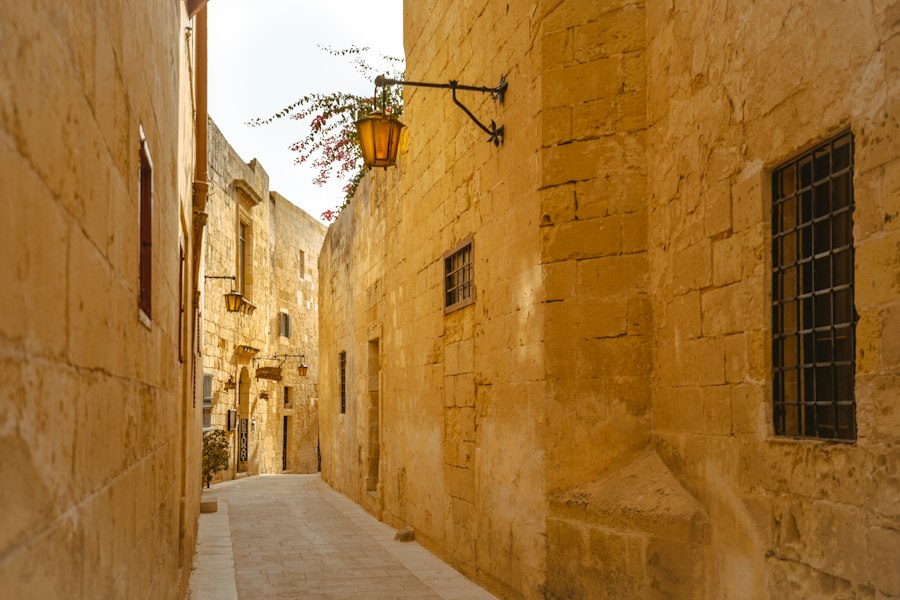
Valletta was built on a grid system, meaning many streets slope directly down toward the sparkling ocean. To make your Valletta historic photography 2026 images pop, enable the grid lines on your camera screen. Position the horizon along the top or bottom horizontal line, rather than right in the middle. Place iconic elements, such as traditional wooden balcony boxes called gallerijas, along the vertical intersection points. This simple change instantly creates dynamic energy in your frame.
Step 2: Isolate Details Using Aperture and Bokeh
Do not spend all your time taking massive wide shots. Valletta is full of tiny historic details like brass door knockers, aged stone coats of arms, and colorful street lamps. To isolate these subjects, lower your aperture number to f/1.8 or f/2.8. This creates a small depth of field, rendering the historic background into a creamy, soft blur known as Bokeh. This contrast between a razor-sharp subject and a smooth background makes historic details stand out beautifully. You can learn more about controlling depth of field through Adobe Lightroom and Photoshop tutorials.
Step 3: Capture the Golden Hour at Upper Barrakka Gardens
The best light hits the city during golden hour, which occurs during the hour after sunrise and the hour before sunset. Head over to Upper Barrakka Gardens right before sunset. Point your lens toward the Grand Harbour and the Three Cities across the water. The low sun casts a warm, magical glow over the stone fortifications, transforming everyday urban views into breathtaking visual masterpieces.
Exploring Top Visual Locations in 2026
As you explore the capital in 2026, keep your camera ready for sudden changes in scene and perspective. The secret is to constantly change your eye level. Get down low to the cobblestones to shoot up toward tall church spires, or climb high steps to look down long, sloping alleys.
Straight Street is a fantastic spot for practicing handheld night photography. As the sun drops, warm hanging lights illuminate the old retro venue signs and stone archways. Turn your ISO up to 1600 or 3200 to keep your shutter speed fast enough for clear shots. Do not worry about modern sensors adding too much noise, as modern cameras handle high ISO levels with incredible ease.
Another incredible spot is the entrance near the Triton Fountain. Framing the modern City Gate alongside historic ramparts creates a brilliant story of contrast between old world charm and modern design. When shooting this spot, remember to apply your Valletta historic photography 2026 skills by balancing your light using proper exposure settings.
Final Checklist for Your Photography Journey
I want you to feel confident every single time you lift your camera to your eye. When you are standing in front of an ancient castle, taking a moment to double-check your light meter and framing will make all the difference between a throwaway snapshot and a frame-worthy print.
Don't forget to pack extra batteries, keep your lens clean of salt spray from the ocean breeze, and most importantly, step out from behind the viewfinder occasionally to enjoy the moment. With these practical tips, your personal journey with Valletta historic photography 2026 will result in stunning visual memories that will last a lifetime. Now pack your gear, charge your batteries, and go create something beautiful!

Matthias Weber digs into the craft of travel photography, from camera settings to editing. He explains the technical side in plain language so you can spend less time fiddling with dials and more time shooting.
💬 Comments (0)
No comments yet. Be the first!