Lake Bled landscape photography 2026 guide
Master Lake Bled landscape photography 2026 with pro tips on framing the island church, capturing morning mist, and filters.
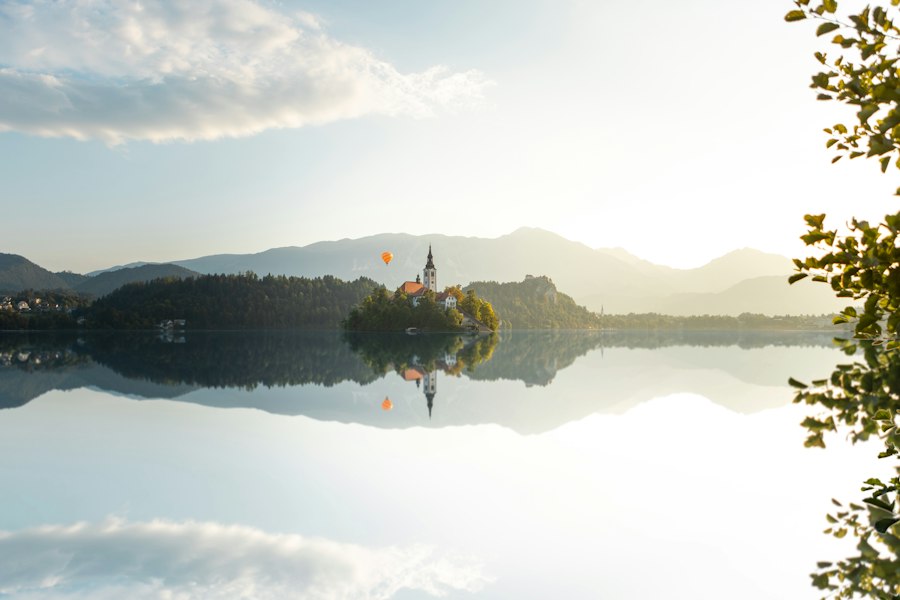
Mastering Lake Bled landscape photography 2026 techniques will completely transform how you capture Slovenia's most iconic alpine location. Whether you are standing on a misty cliff at sunrise or watching the afternoon light paint the Julian Alps, this fairy-tale lake offers endless creative possibilities. I am going to walk you through everything you need to know to capture professional quality images that showcase the magic of this destination.
Essential Gear and Camera Setup for Lake Bled Landscape Photography 2026
First, let us look at the fundamental equipment required to get clean, detailed landscape shots. While high-end gear helps, knowing how to use your camera settings effectively matters far more than having the most expensive setup.
Must-have Gear List
- A modern mirrorless or DSLR camera capable of shooting in high-resolution format. Check out camera specs on DPReview to see how your sensor handles dynamic range.
- A wide-angle lens (16-35mm) for sweeping vistas and a telephoto lens (70-200mm) to isolate the island church against the mountains.
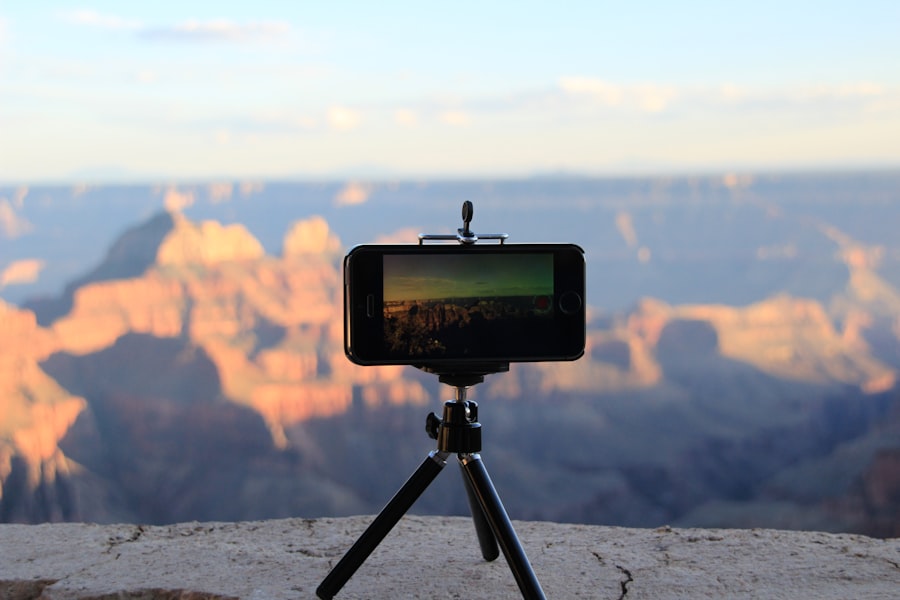
- A sturdy carbon fiber tripod to keep your frames sharp during long exposure shots at dawn.
- A Circular Polarizer filter to reduce water glare and enhance the rich turquoise color of the lake.
- Neutral Density (ND) filters to smooth out water movement and capture soft, floating clouds.
The secret is understanding your digital sensor's native capabilities. Your choice of file format dictates how much detail you can recover later. I always advise shooting in RAW vs JPEG. A JPEG file compresses your image and locks in white balance, throwing away vital pixel data. A RAW file keeps every drop of light data your sensor captures. This gives you ultimate control when color grading your Lake Bled landscape photography 2026 files in post-processing.
Golden Rule Cheat Sheet: For pristine sharpness across the entire frame, set your camera to aperture priority mode, choose f/8 or f/11, keep your ISO at 100, and use a two-second timer delay to eliminate camera shake when pressing the shutter button.
Understanding Composition and Exposure Tricks
To make your images pop, you need to combine smart camera settings with classical framing techniques. Let us break down the jargon into actionable photography habits.
Start by dialing in your ISO. ISO controls your camera sensor's sensitivity to light. A low value like ISO 100 delivers the cleanest, noise-free images. Higher values like ISO 3200 allow you to shoot in dark conditions, but they introduce digital noise and grain. For daytime landscape work, keep your ISO low and rely on a tripod for longer exposure times.
Now try this classic visual structure: apply the Rule of Thirds. Imagine dividing your viewfinder into a three-by-three grid. Instead of placing the island church right in the middle, align it along one of the vertical grid lines. Place the horizon line along the bottom third to emphasize dramatic skies, or along the top third to highlight water reflections.
When you encounter tricky lighting, such as a bright sunrise behind the mountains, rely on Exposure Compensation. This feature lets you manually brighten or darken your shot regardless of what your camera meter recommends. Dialing in a negative Exposure Compensation protects your highlight details from blowing out to pure white.
Step-by-Step Guide to Photographing Lake Bled Sunrise
Step-by-Step Sunrise Workflow
- Step 1: Reach the Viewpoint Early: Hike up to Ojstrica or Osojnica at least 45 minutes before the sun hits the horizon.
- Step 2: Lock Down Your Tripod: Extend the thickest leg sections first for maximum stability against wind.
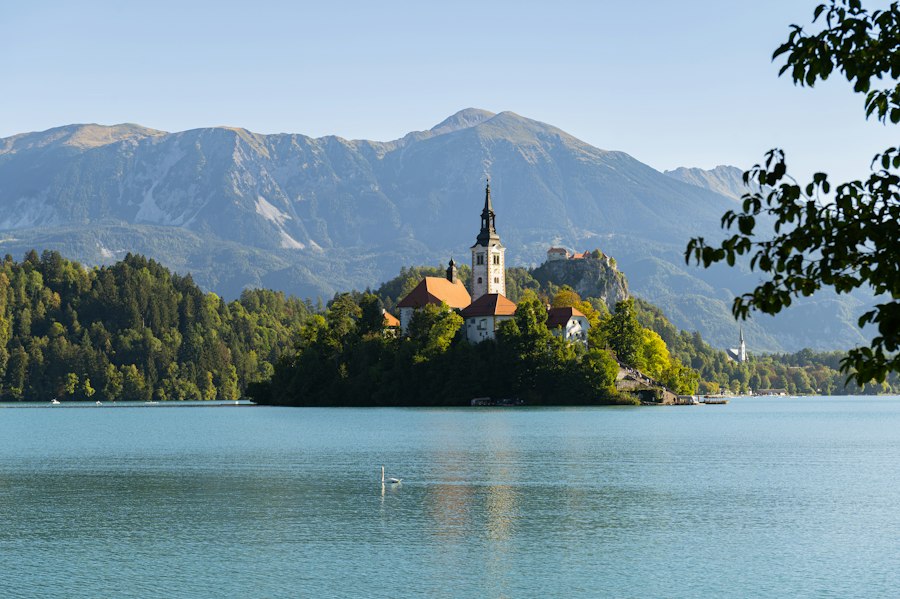
- Step 3: Frame Your Composition: Position your wide lens to capture the wooden bench, the lake below, and the sharp mountain peaks in the background.
- Step 4: Balance Exposure with Bokeh Control: Keep your aperture at f/8 to ensure everything is sharp. If you want a soft, blurry background for foreground details like wild flowers, widen your lens aperture to f/2.8 to create pleasing background blur, known as Bokeh. Learn more about controlling depth of field through Adobe tutorials.
- Step 5: Execute the Shot: Bracket your exposures by taking three shots: one underexposed for the sky, one normal exposure, and one overexposed for the dark forest shadows.
A Personal Story: How I Rescued a Failed Shoot
My first attempt at Lake Bled landscape photography 2026 turned into a complete disaster. I hiked up to the Mala Osojnica lookout in pitch darkness, chilled by the morning air. When the golden hour hit, light burst over the horizon and washed out my camera sensor. I was shooting JPEGs on handheld auto mode with a wide-open aperture. My sky was blown out, the church was out of focus, and my foreground was a muddy, noisy mess.
I stopped, took a deep breath, and reassessed my technique. I mounted my camera to my tripod, switched my file output to RAW format, and dropped my ISO down to 100 to clear up the noise. I dialed my aperture to f/11 to achieve full edge-to-edge sharpness. Then, I adjusted my Exposure Compensation down by one full stop to save the sky highlights. The resulting shot was breathtaking, capturing crisp morning mist hovering over calm turquoise waters. Your photos will look just as stunning when you slow down and apply these precise settings.
Don't forget to keep exploring different angles as light shifts across the valley throughout the day. From rowing a traditional Pletna boat out to the central island to hiking higher alpine trails, mastering Lake Bled landscape photography 2026 comes down to patience, practice, and precise visual control. Pack your camera bag, set your alarm early, and enjoy every frame you capture at this spectacular destination!
Matthias Weber digs into the craft of travel photography, from camera settings to editing. He explains the technical side in plain language so you can spend less time fiddling with dials and more time shooting.
💬 Comments (0)
No comments yet. Be the first!