Plitvice Lakes photography 2026 Guide
Master Plitvice Lakes photography 2026 with our expert guide to capturing Croatia's stunning cascading waterfalls.
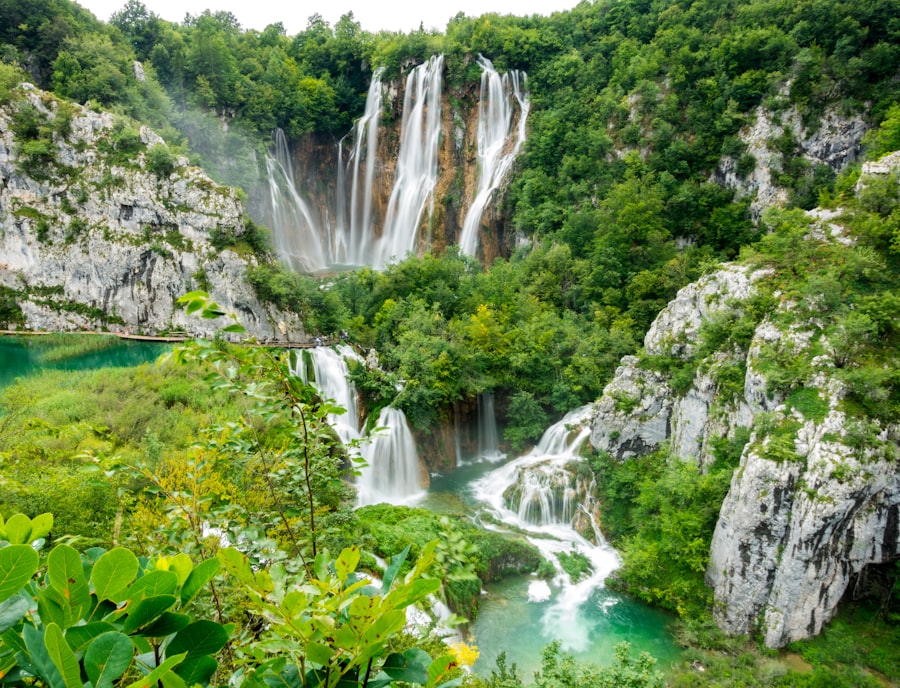
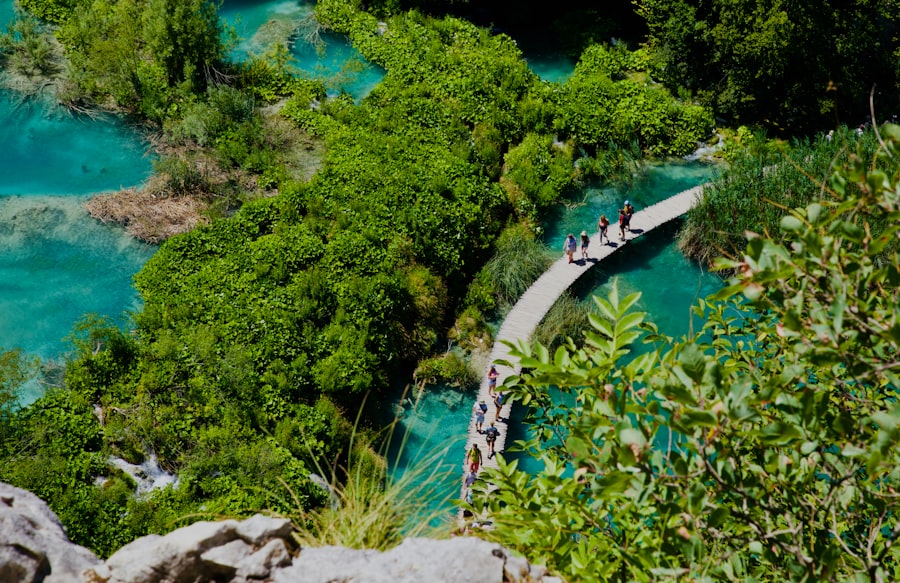
If you are planning a trip to Croatia, this ultimate Plitvice Lakes photography 2026 guide will help you capture the most breathtaking landscape photos of your life. As a professional travel photographer, I have spent years exploring this UNESCO World Heritage site, and I am here to coach you through every step of the process. Whether you are holding a high-end mirrorless camera or a smartphone, your photos will look absolutely spectacular once you master a few simple techniques. Plitvice Lakes is a wonderland of 16 interconnected terraced lakes, travertine barriers, and mossy waterfalls that change colors from emerald green to deep turquoise. Let us dive into how you can capture this magic on your next adventure.
Why Plitvice Lakes Photography 2026 Requires a New Approach
In 2026, travel patterns and park regulations have evolved, making strategic planning more important than ever. To get those pristine, crowd-free shots of the wooden boardwalks and misty waters, you need to understand both the gear and the light. The secret is knowing how to manage the high-contrast light filtering through the dense forest canopy, which can easily ruin your exposures if you are not careful.
First, let us look at the classic mistake most beginners make: shooting in bright, midday sunlight. I learned this the hard way during my first visit years ago. I stood in front of the majestic Veliki Slap (Great Waterfall) at noon, snapped a photo, and was devastated by the results. The white water was completely blown out (pure white with no detail), while the surrounding mossy rocks were lost in deep, dark shadows. It was a total mess! To fix this, I had to learn how to use my camera manual settings and return during the golden hours when the light was soft and even. I will teach you exactly how to avoid my early mistakes so you can get publication-ready shots on your very first try.
The Essential Gear Checklist for 2026
Before you pack your bags, let us talk about the gear that will make or break your photos. You do not need to carry fifty pounds of equipment, but a few key items are absolutely essential for successful Plitvice Lakes photography 2026 sessions.
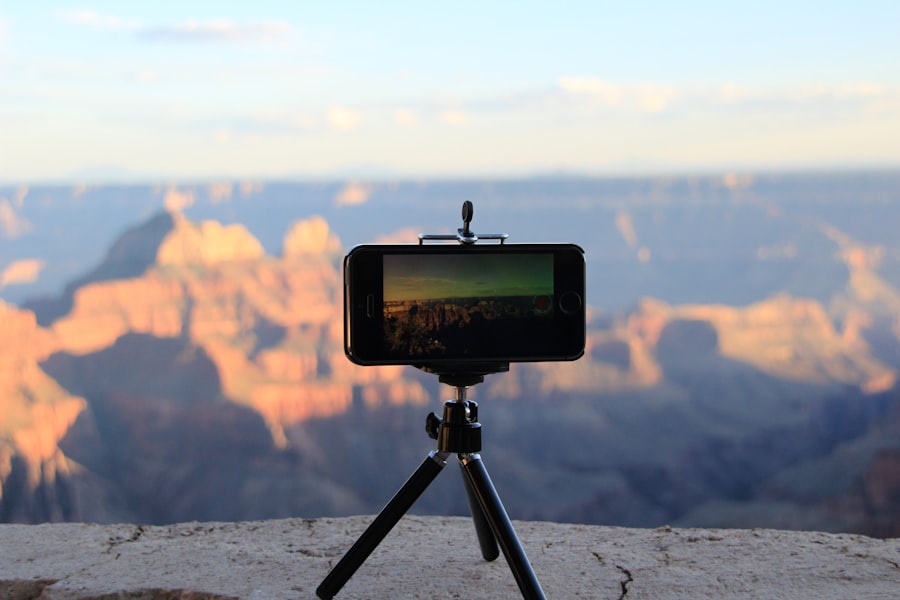
- A Sturdy Lightweight Tripod: Essential for capturing silky, long-exposure waterfalls. Look for carbon fiber models to save your shoulders during long hikes.
- Circular Polarizing Filter (CPL): This is your secret weapon. A CPL cuts through the glare on the water surface, revealing the ancient sunken trees and swimming fish below.
- Neutral Density (ND) Filters: An ND filter acts like sunglasses for your lens, allowing you to use slow shutter speeds even in broad daylight.
- Lens Cleaning Cloths: Spray from the waterfalls will get on your lens. Keep microfiber cloths handy in your pocket.
If you are looking to upgrade your camera body or lenses before your trip, check out the latest mirrorless camera specifications on the Official Sony Camera Site to find lightweight gear perfect for hiking.
Mastering Camera Settings: Jargon Made Simple
Do not let camera settings intimidate you. I am going to break down the most important photography concepts into simple, actionable steps so you can shoot with confidence.
RAW vs JPEG: The Ultimate Choice
Always set your camera to shoot in RAW format rather than JPEG. A JPEG is a finished image compressed by your camera, which throws away valuable color and light data. A RAW file, however, saves all the raw data captured by your camera sensor. This gives you maximum flexibility when editing your photos later in programs like Adobe Photoshop or Lightroom, allowing you to easily rescue dark shadows or bright highlights.
ISO and Exposure Compensation
ISO measures your camera sensor sensitivity to light. In bright daylight, keep your ISO as low as possible (usually ISO 100) to avoid digital noise or graininess in your images. When hiking under the thick forest canopy where it is darker, you might need to raise your ISO to 400 or 800. If your camera meter gets confused by the bright white waterfalls, use your Exposure Compensation dial to manually darken or brighten the image by dialling it down to -0.3 or -0.7. This keeps your highlights perfectly preserved.
Creating Beautiful Bokeh
Bokeh refers to the soft, out-of-focus background blur that makes your subject stand out. You can achieve this by using a wide aperture (like f/2.8 or f/4). Try focusing on a single autumn leaf hanging over a wooden boardwalk while letting the distant waterfalls melt into a creamy, gorgeous blur. Your Plitvice Lakes photography 2026 portfolio will look incredibly professional with this simple trick.
The Golden Rule of Plitvice Photography: Never trust your camera automatic mode to capture water. Use Shutter Priority mode and set your shutter speed to 1/2 second or slower to turn rushing cascades into silky ribbons of white mist.
Step-by-Step Guide to Capturing the Perfect Waterfall Shot
Now try this exact sequence when you arrive at your first major waterfall viewpoint along the lower lakes. This step-by-step method guarantees sharp, well-exposed landscape images every single time.
Step 1: Set Up Your Tripod and Compose
Find a safe spot on the wooden pathway where you will not block other visitors. Mount your camera on your tripod. Use the Rule of Thirds to compose your shot. Imagine your viewfinder is divided by two horizontal and two vertical lines into nine equal squares. Place the main waterfall along one of these vertical lines, and position the shoreline along the bottom horizontal line to create a balanced, visually pleasing composition.
Step 2: Attach Your Polarizer and Spin It
Look through your viewfinder or rear LCD screen and slowly rotate your Circular Polarizing filter. You will magically see the reflections on the water surface disappear, revealing the brilliant turquoise depths of the lake and the mossy logs beneath.
Step 3: Dial in Your Manual Settings
Set your camera to Manual (M) or Shutter Priority (Tv/S) mode. Keep your ISO at 100. Choose an aperture around f/8 or f/11, which is the sweet spot for maximum sharpness across the entire landscape. Adjust your shutter speed to 1/4 of a second. If the image is too bright, attach your ND filter to cut down the light entering the lens.
Step 4: Use a 2-Second Timer
When you press the shutter button with your finger, you introduce tiny vibrations that can blur your photo. To prevent this, turn on your camera internal 2-second self-timer. Press the button, let go, and let the camera take a perfectly still, tack-sharp image two seconds later.
Recommended Camera Settings for Plitvice Lakes
When practicing your Plitvice Lakes photography 2026 techniques, use these baseline settings as your starting point for different scenarios throughout the park.
- Silky Waterfalls (Daylight): Mode: Manual | ISO: 100 | Aperture: f/11 | Shutter Speed: 1/2 sec to 2 sec | Filter: 6-stop ND filter
- Sharp Boardwalk Action (People Walking): Mode: Aperture Priority | ISO: 200 | Aperture: f/4 | Shutter Speed: 1/250 sec or faster | Filter: Polarizer
- Deep Forest Details (Macro & Moss): Mode: Manual | ISO: 400 | Aperture: f/2.8 | Shutter Speed: 1/125 sec | Filter: None
Before and After: The Power of Proper Planning
Let us look at a quick comparison to see how these techniques translate to real-world results. Imagine two photographers standing at the same spot overlooking the Great Cascade.
Before (The Unprepared Shot): The photographer arrives at 1:00 PM on a sunny day. They shoot in JPEG mode using Auto settings, handholding the camera. The resulting image has harsh, dark shadows under the trees, the rushing water looks frozen and messy, the surface of the lake is covered in a blinding white glare, and the colors look washed out.
After (The Plitvice Lakes Photography 2026 Method): The photographer enters the park right at 7:00 AM. The light is soft, even, and golden. They shoot in RAW, use a tripod, attach a polarizing filter to remove water glare, and set the shutter speed to 1 second. The resulting image displays rich, emerald-green waters, vibrant orange autumn leaves, and a dreamy, silk-like waterfall that looks like a painting. This is the photo that will get hundreds of likes on your social media and look amazing printed on your living room wall!
Final Tips for Your 2026 Adventure
Don't forget to protect your gear from moisture. Even on dry days, the misty spray from the larger falls can collect on your camera body. Pack a simple plastic rain sleeve to protect your investment. Keep practicing these settings at home on local streams before you arrive in Croatia so that your muscle memory takes over when you are standing in front of these world-famous vistas. Your Plitvice Lakes photography 2026 journey is going to be an unforgettable creative experience, and I cannot wait to see the incredible images you bring home. Happy shooting!
Frequently Asked Questions
What is the best time of day for photography at Plitvice Lakes in 2026?
Early morning, right at opening time (around 7-8 AM), offers the softest light and fewest crowds, ideal for capturing the lakes without tourists. Golden hour just before sunset also works, but afternoon hours are often too harsh and busy.
Which lenses are recommended for shooting the waterfalls and boardwalks?
A wide-angle lens (16-35mm) is essential for dramatic waterfall vistas, while a telephoto lens (70-200mm) helps isolate details like streams and distant cascades. A polarizing filter is also a must to reduce glare from water.
Do I need a special permit for tripods at Plitvice Lakes in 2026?
Yes, as of recent years,Plitvice Lakes National Park requires a free photography permit for using a tripod or professional gear, which can be obtained at the entrance. Handheld photography for personal use does not require a permit, but commercial shoots have separate rules.
How can I avoid crowds for cleaner shots in 2026?
Visit during the park's off-season (November to March) or enter at the earliest possible time each day, as most visitors arrive after 10 AM. Also, follow the 'long route' trails—they see far fewer tourists than the short routes near the entrance.
What is the best season for dramatic fall colors in the 2026 photography guide?
Late September to mid-October is prime for fall foliage, with vibrant reds, oranges, and yellows reflecting on the turquoise lakes. Photographer's peak is around early October, but weather patterns can shift so check local forecasts before planning.

Matthias Weber digs into the craft of travel photography, from camera settings to editing. He explains the technical side in plain language so you can spend less time fiddling with dials and more time shooting.
💬 Comments (0)
No comments yet. Be the first!