Guide to Iguazu Falls photography 2026
Master Iguazu Falls photography 2026 with our expert guide to capturing these massive, misty waterfalls safely.
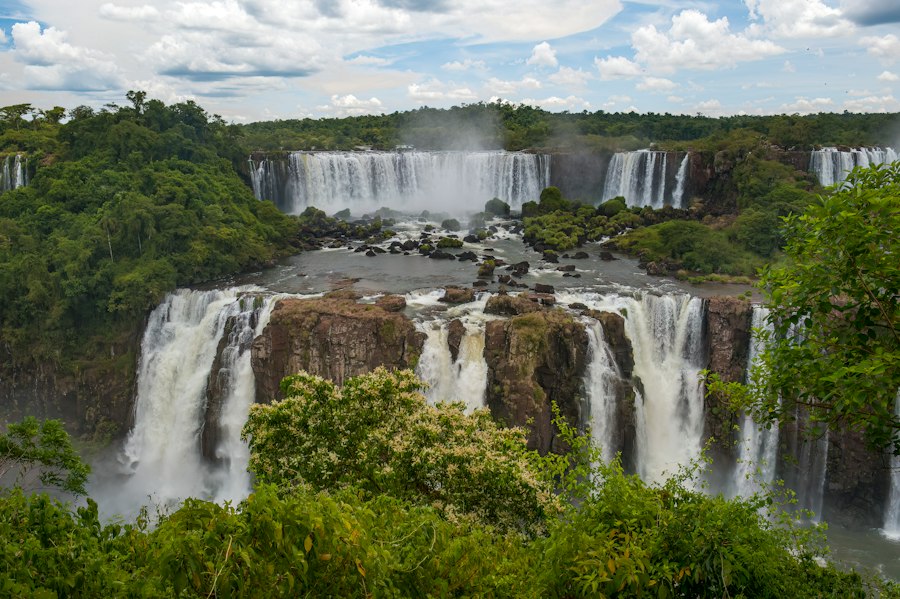
Mastering Iguazu Falls photography 2026 is all about learning how to capture the sheer power of water while protecting your gear from the constant mist. Stretching across the border of Argentina and Brazil, this natural wonder presents a thrilling challenge for photographers of all skill levels. If you have ever dreamed of standing on the wooden catwalks surrounded by hundreds of roaring cascades, I am here to coach you through every step of the process. Together, we will make sure your 2026 trip results in breathtaking, gallery-worthy images.
Why Iguazu Falls is a Photographer's Dream in 2026
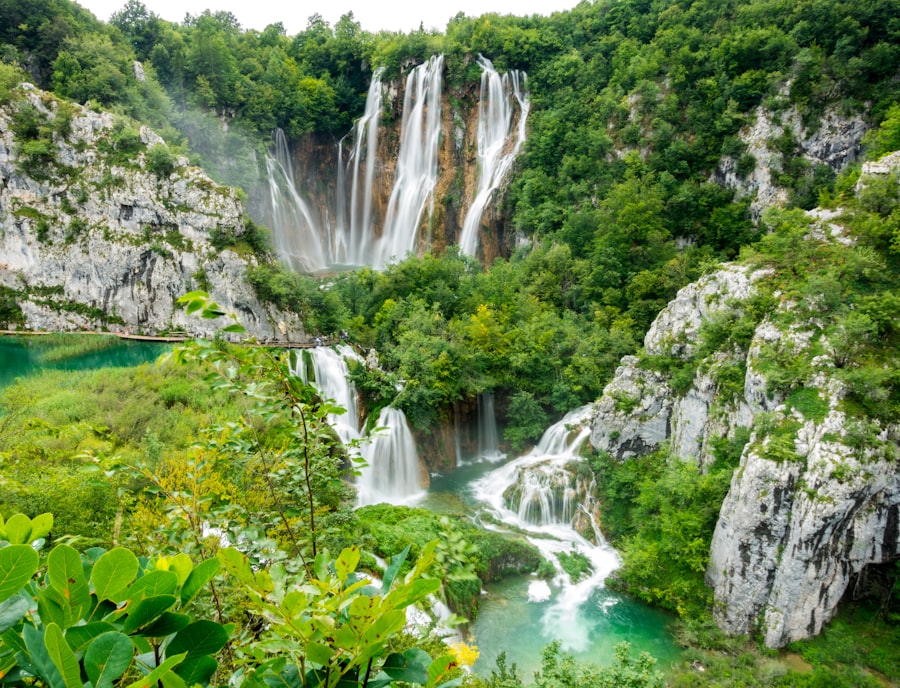
There is nothing quite like the sensory overload of Iguazu. The sheer volume of water creates a perpetual cloud of spray, refracting the sunlight to produce brilliant rainbows. For your Iguazu Falls photography 2026 journey, you need to think of the landscape as a moving, breathing canvas. The contrast between the dark basalt rocks, the lush green subtropical jungle, and the white, churning water offers endless opportunities for dramatic compositions.
But beauty comes with a price. The very thing that makes this location beautiful—the moisture—is also your camera's worst enemy. In 2026, camera technology is more advanced than ever, but even the best weather-sealed bodies need extra care here. I will teach you how to manage the elements so you can focus on creative composition rather than worrying about water damage.
Essential Gear for Iguazu Falls Photography 2026
Before you pack your bags, let us talk about the tools that will make or break your shoot. You do not need the most expensive camera on the market, but you do need the right accessories to keep your gear safe and your images sharp.
First, let's look at the must-have gear list for your adventure:
- Weather-Sealed Camera Body and Lens: A body like the Sony Alpha series or Canon EOS R system will offer excellent protection against the heavy mist. You can check the official weather-sealing standards on the DPReview website.
- Circular Polarizer (CPL): This is non-negotiable. A polarizer cuts through the glare on wet rocks, enriches the greens of the jungle, and makes rainbows pop.
- Neutral Density (ND) Filters: A 3-stop or 6-stop ND filter is essential if you want to capture those silky, smooth water motions during the bright midday sun.
- Microfiber Cloths (Lots of them!): You will be wiping your lens after almost every single shot. Keep several dry cloths in a waterproof zip-lock bag.
- A Sturdy, Lightweight Tripod: While many paths are crowded, a compact tripod is crucial for long-exposure shots on the quieter trails.
The Golden Rule of Iguazu Falls Photography 2026: Never change your lenses while standing on the catwalks. The airborne mist will instantly find its way onto your camera sensor, leaving permanent spots on your photos that are incredibly difficult to clean. Choose one versatile zoom lens, like a 24-70mm, and stick with it for the day.
Understanding Camera Settings: From Silky Water to Frozen Power
To get the most out of your Iguazu Falls photography 2026 experience, you must master manual settings. I want you to feel confident adjusting your camera on the fly. Let us break down the jargon and look at how to set up your camera for success.
The Magic of Shutter Speed
Your choice of shutter speed determines the mood of your photo. Do you want to freeze the violent crash of the water, or do you want to create a dreamy, ethereal silk effect? To freeze the action, use a fast shutter speed of 1/1000s or higher. To blur the water, you will want a slower shutter speed of 1/4s to 2 seconds. This is where your ND filter comes into play, as it blocks light from entering the lens, allowing for longer exposures without overexposing your image.
Balancing ISO, Aperture, and Bokeh
Keep your ISO as low as possible (usually ISO 100) to ensure the cleanest images with minimal digital noise. For landscapes, you want a deep depth of field so that everything from the foreground rocks to the distant falls is sharp. I recommend using an aperture between f/8 and f/11. However, if you spot a colorful butterfly or a coati in the jungle, open your aperture to f/2.8 or f/4. This creates a beautiful Bokeh—the pleasing, out-of-focus background blur that isolates your subject and makes it stand out.
RAW vs JPEG and Exposure Compensation
Always shoot in RAW rather than JPEG. A RAW file preserves all the data captured by your camera sensor, giving you maximum flexibility when editing in software like Adobe Lightroom. You can learn more about managing these files through the Adobe tutorials hub. Because the white foam of the waterfalls can trick your camera's light meter into underexposing the scene, don't forget to use your Exposure Compensation dial. Bumping it up by +0.3 or +0.7 will keep your whites looking bright and clean.
Step-by-Step Guide to Shooting the Devil's Throat
The Devil's Throat (Garganta del Diablo) is the climax of your Iguazu Falls photography 2026 journey. It is a massive, horseshoe-shaped curtain of water where the spray is intense. Here is how to nail the shot without ruining your gear.
- Prepare your gear before you walk out: Put on your rain poncho, wrap your camera in a plastic sleeve, and mount your lens hood to deflect flying droplets.
- Set your focus and exposure in advance: While still in a drier area, set your camera to manual focus and dial in your exposure settings. This saves valuable seconds when you are standing in the mist.
- Now try this composition: Use the Rule of Thirds. Position the handrails or the walkway in the lower third of your frame to lead the viewer's eye directly into the roaring abyss of the falls.
- The "Wipe and Shoot" technique: Keep your lens cap on until the very last second. Wipe the lens element with a dry microfiber cloth, immediately compose, take one or two quick frames, and replace the lens cap.
- Check your histogram: Do not just rely on your LCD screen to see if the photo is good. Check the histogram to ensure you have not clipped your highlights in the white water.
A Before and After Story: Learning from a Wet Lens
Let me share a quick story from my own journey with Iguazu Falls photography 2026. On my first visit to the Brazilian side, I was so excited by the panoramic views that I forgot the basic rules of water management. I stood on the lower walkway, dialed in a perfect f/11 aperture, and started shooting. I did not check my lens between shots.
When I got back to my hotel and opened the files, I was devastated. Every single photo was ruined by massive, blurry water droplets right in the center of the frame, turning what should have been a sharp landscape into a smudgy mess. The contrast was ruined, and the beautiful jungle green looked washed out.
The next day, I went back with a plan. I used a lens hood to protect the glass from the wind-blown spray. I kept my camera tucked under my poncho, only pulling it out for three-second windows. The difference was night and day. My "Before" photos were blurry, low-contrast snapshots. My "After" photos, shot with the "Wipe and Shoot" technique and a circular polarizer, were incredibly sharp, with rich colors and crisp water textures. It taught me that patience and preparation always win over excitement.
Recommended Camera Settings for Iguazu Falls
To make things easy for your 2026 trip, here is a quick reference guide for your camera settings depending on the style of image you want to create:
- The "Silky Water" Look: Mode: Manual | ISO: 100 | Aperture: f/11 | Shutter Speed: 1/2s to 2s | Filter: 6-Stop ND and CPL | Focus: Manual on a static rock.
- The "Powerful Action" Look: Mode: Shutter Priority or Manual | ISO: 400 (to allow fast shutter) | Aperture: f/5.6 | Shutter Speed: 1/1500s or faster | Filter: CPL only.
- Jungle Wildlife Look: Mode: Aperture Priority | ISO: Auto (up to 1600) | Aperture: f/2.8 or f/4 (for beautiful bokeh) | Shutter Speed: Minimum 1/500s | Focus: Continuous AF.
By mastering these techniques, your Iguazu Falls photography 2026 portfolio will be something you are proud to show off for years to come. Remember to stay patient, protect your camera, and enjoy the incredible creative process of capturing one of the world's greatest spectacles!
Frequently Asked Questions
What is the best time of day to photograph Iguazu Falls in 2026?
Early morning right after the park opens offers the softest light and fewest crowds. Late afternoon also provides warm golden-hour tones on the water.
Which camera gear should I bring for shooting Iguazu Falls?
A wide-angle lens is essential for the panoramic views, and a telephoto lens helps capture distant details like Devil's Throat. A waterproof cover or rain sleeve is a must to protect your gear from constant spray.
How do I protect my camera from the heavy mist at Iguazu Falls?
Use a rain cover, microfiber cloths, and silica gel packs to manage moisture throughout the day. Wipe your front lens element frequently, as spray will cause blurry spots in your images.
What are the best viewpoints for photographing Iguazu Falls?
The Devil's Throat upper walkway, the Lower Circuit, and the Brazilian side's panoramic trail are top spots. Each offers a different perspective, so plan at least two days to cover them all.
Do I need special permits or tickets for photography at Iguazu Falls in 2026?
Standard park admission covers personal photography on both the Argentine and Brazilian sides. Commercial shoots or drone use require advance permits from the respective park authorities.

Matthias Weber digs into the craft of travel photography, from camera settings to editing. He explains the technical side in plain language so you can spend less time fiddling with dials and more time shooting.
💬 Comments (0)
No comments yet. Be the first!