Lauterbrunnen Waterfall Photography 2026 Guide
Our Lauterbrunnen waterfall photography 2026 guide reveals the best camera settings and locations for stunning Swiss shots.
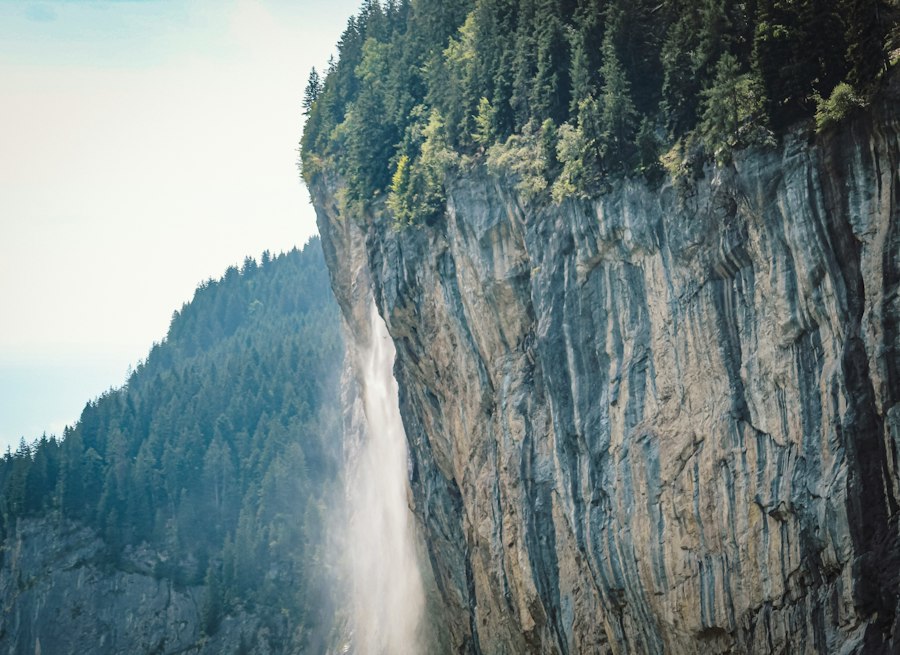
Mastering your Lauterbrunnen waterfall photography 2026 technique is the ultimate goal for any landscape photographer visiting the Swiss Alps this year. There is nothing quite like standing in the valley of 72 waterfalls, feeling the cool mist on your face, and capturing that perfect shot of Staubbach Falls plunging over massive limestone cliffs. As your photography coach, I am here to guide you through the exact steps, gear, and camera settings you need to create breathtaking images. Whether you are using a professional mirrorless camera or a smartphone, your photos will look absolutely stunning after you apply these practical tips.
I still remember my first trip to this magical valley years ago. I was so excited that I just ran out of my hotel, pointed my camera upward, and pressed the shutter. The result? A completely blown-out, bright white sky, a tiny, insignificant-looking waterfall, and dark, muddy shadows in the valley. I made the classic mistake of not understanding dynamic range and composition. But do not worry, I learned the hard way so you do not have to. Today, I will show you how to avoid those mistakes and capture the true magic of the region with your Lauterbrunnen waterfall photography 2026 adventures.
Essential Photography Jargon Demystified
Before we head out into the field, let us quickly demystify some of the photography terms we will be using today. Understanding these basics will give you complete creative control over your camera.
- ISO: This is your camera sensor's sensitivity to light. A low ISO (like ISO 100) keeps your images clean and sharp, while a high ISO (like ISO 3200) helps you shoot in low light but introduces digital noise (grain).
- Bokeh: This refers to the soft, out-of-focus background blur created when you use a wide aperture. It is perfect for isolating a subject, like a wildflower in the foreground with a blurry waterfall behind it.
- Rule of Thirds: Imagine your screen divided into a 3x3 grid. By placing your main subject, like the waterfall or a rustic Swiss chalet, along these lines or at their intersections, your composition instantly feels more balanced and engaging.
- Exposure Compensation: This is a handy button (marked with a +/- symbol) that tells your camera to make the image brighter or darker than its automatic system thinks it should be. It is incredibly useful when bright white waterfalls confuse your camera's light meter.
- RAW vs JPEG: Always shoot in RAW format. A JPEG is a compressed file where the camera throws away image data. A RAW file saves all the data captured by your sensor, giving you maximum flexibility to recover shadows and highlights later in editing software like Adobe Lightroom.
Must-Have Gear for Lauterbrunnen Waterfall Photography 2026
To get the most out of your Lauterbrunnen waterfall photography 2026 shoot, you need the right tools for the job. You do not need the most expensive camera on the market, but a few key accessories will make a massive difference in your final images.
- A Sturdy Tripod: If you want to capture that silky, smooth water effect, you must keep your camera perfectly still. A high-quality travel tripod is non-negotiable.
- Neutral Density (ND) Filters: Think of these as sunglasses for your lens. They reduce the amount of light entering your camera, allowing you to use slower shutter speeds even in the middle of the day.
- Circular Polarizing Filter (CPL): This magic filter cuts down on reflections from wet rocks and leaves, while making the deep greens of the valley and the blues of the sky pop.
- A Weather-Sealed Camera Body: The mist from Staubbach Falls can travel surprisingly far. A weather-sealed camera, like the latest options detailed on the Canon Official Site or Nikon Official Site, will protect your gear from moisture.
- Lens Cloths: Keep several microfiber cloths in your pockets. You will be wiping mist off your lens constantly!
The Golden Rule of Waterfall Photography: Overcast days are your best friend. Bright, direct sunlight creates harsh shadows and blown-out highlights on the white water. A cloudy sky acts as a giant softbox, distributing light evenly across the entire Lauterbrunnen valley.
Step-by-Step Guide to the Perfect Waterfall Shot
Now try this step-by-step workflow when you are standing in front of Staubbach Falls or Muerrenbach Falls. This is the exact process I use to ensure a sharp, well-exposed image every single time.
Step 1: Set Up and Compose Your Shot
First, let us look at your composition. Do not just stand at the main viewpoint and shoot eye-level photos. Explore different angles. Try placing a rustic wooden fence or some vibrant alpine wildflowers in the lower third of your frame to create depth. Use the Rule of Thirds to position the waterfall on the left or right grid line, leaving room for the massive cliffs and the sky to tell the story of the valley's scale.
Step 2: Dial in Your Camera Settings
Switch your camera to Manual Mode or Aperture Priority Mode. Set your ISO to its lowest native value (usually ISO 100) to ensure maximum image quality. Next, choose an aperture between f/8 and f/11. This range is the sweet spot for most lenses, ensuring that both the foreground elements and the distant waterfall remain tack-sharp. If you want to create beautiful bokeh with a flower in the foreground, open your aperture to f/2.8 or f/4.
Step 3: Control Your Shutter Speed
The secret is all in the shutter speed. If you want to freeze the powerful rush of the water, use a fast shutter speed of 1/1000th of a second or quicker. However, if you want that dreamlike, silky water effect, you need a slow shutter speed between 1/2 second and 4 seconds. This is where your tripod and ND filter become essential. If your image looks too bright when using a slow shutter speed, use your Exposure Compensation button to tone down the brightness, or consult helpful camera guides on expert platforms like DPReview.
Before and After: A Real-World Editing Scenario
Let us look at how you can transform a mediocre photo into a masterpiece during post-processing. Imagine a typical raw shot of Staubbach Falls taken on a cloudy afternoon.
Before: The raw image looks flat, grey, and uninspiring. The white water of the waterfall is slightly overexposed, losing its detail, while the deep green pine trees look dark and muddy. The sky is a dull, uniform white block.
After: After importing the RAW file into your editing software, you lower the highlights to bring back the intricate textures of the rushing water. Next, you boost the shadows to reveal the beautiful details in the rocky cliffs and pine trees. You add a touch of clarity and vibrance to make the alpine greens pop, and apply a subtle vignette to draw the viewer's eye directly to the center of the waterfall. With these simple adjustments, your Lauterbrunnen waterfall photography 2026 image transforms from a simple snapshot into a professional-grade landscape photograph.
Top Locations for Lauterbrunnen Waterfall Photography 2026
Now that you have the skills, you need to know where to point your lens. The valley offers endless opportunities, but there are a few iconic spots you simply cannot miss during your 2026 trip.
Staubbach Falls from the Valley Trail
This is the classic shot. Walk along the main footpath leading south from the village. Look back toward the town to frame the iconic church steeple with the massive waterfall cascading down in the background. It is the quintessential Swiss postcard image.
The Staubbach Gallery
For a unique perspective, hike up the steep path that leads behind Staubbach Falls. Here, you can shoot through the mist, capturing the dramatic contrast of the dark wet rock tunnels looking out over the lush valley below. Be sure to protect your camera from the heavy spray here!
Trummelbach Falls
These are ten glacier-fed waterfalls hidden inside the mountain itself. Because they are illuminated by artificial lights inside subterranean caves, you will need to push your ISO higher (around ISO 800 to 1600) and shoot handheld with a fast lens to capture the raw, roaring power of the water cutting through the rock.
Final Pro Tips for Your 2026 Adventure
Don't forget to pack extra batteries, as the cooler mountain air can drain them faster than you expect. Also, try to shoot during the golden hours—just after sunrise or just before sunset. During these times, the light is soft, warm, and incredibly photogenic. Keep practicing, experiment with different shutter speeds, and enjoy every moment in this alpine paradise. Your dedication to mastering Lauterbrunnen waterfall photography 2026 will reward you with stunning images that you will cherish for a lifetime!
Frequently Asked Questions
What is the best time of year to photograph Lauterbrunnen's waterfalls in 2026?
Late spring through early summer offers the strongest water flow from snowmelt, while autumn brings colorful foliage and clearer skies. Summer afternoons can be crowded, so early mornings are ideal for both light and fewer tourists.
What camera settings work best for shooting waterfalls in Lauterbrunnen?
Use a tripod with a slow shutter speed of 0.5 to 2 seconds to create that silky water effect, paired with a low ISO and a narrow aperture like f/11 to f/16. A polarizing filter or ND filter helps control glare and lets you slow the shutter further in bright conditions.
Which waterfalls in Lauterbrunnen are the most photogenic for 2026?
Staubbach Falls and Trümmelbach Falls are the standout subjects, with Staubbach offering iconic valley views and Trümmelbach providing dramatic interior cascades. Mürrenbach Falls, one of Switzerland's tallest, is a lesser-known gem worth the hike.
Do I need a permit or special access to photograph the waterfalls in Lauterbrunnen?
No permit is required for general landscape photography in the valley, but Trümmelbach Falls charges an entry fee and has restricted tripod use inside. Always respect posted signs and private property, especially near farms and trails.
How do I avoid crowds and get the best light for Lauterbrunnen waterfall photos?
Shoot at sunrise or on overcast days when soft, even light reduces harsh shadows and tourist traffic is minimal. Visiting in the shoulder seasons of May or October also helps you avoid peak summer crowds.

Matthias Weber digs into the craft of travel photography, from camera settings to editing. He explains the technical side in plain language so you can spend less time fiddling with dials and more time shooting.
💬 Comments (0)
No comments yet. Be the first!