Tofino Seascape Photography 2026 Guide
Master Tofino seascape photography 2026 with our expert guide to capturing rugged PNW coastlines, mist, and wild Pacific waves.
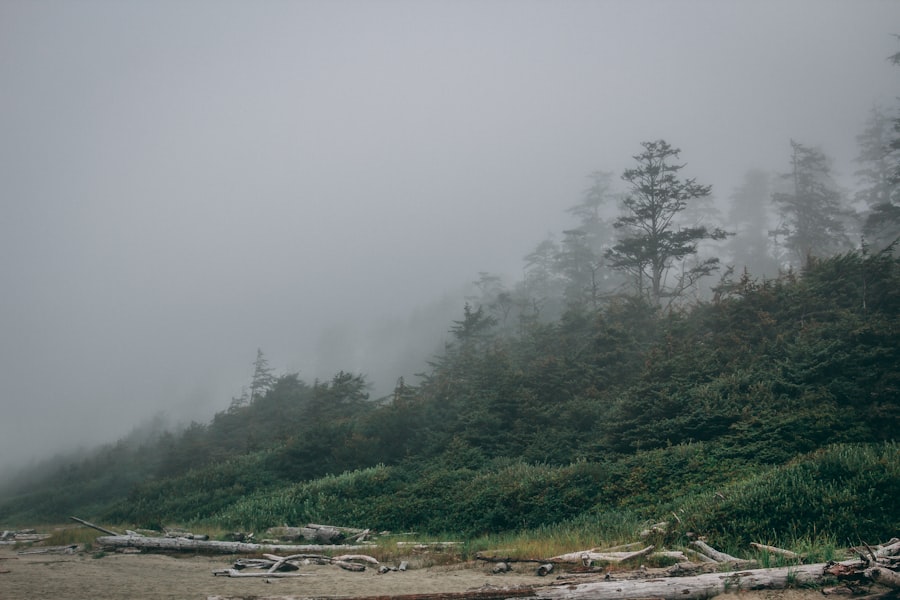
Mastering Tofino seascape photography 2026 requires a blend of patience, technical skill, and an understanding of the wild Pacific coast. There is a unique magic to the rugged beaches of Vancouver Island, where towering Sitka spruces meet the untamed ocean. If you have ever stared at a postcard of a misty, moody shoreline and wondered how to capture that same depth in your own camera, you are in the right place. I am going to coach you through the exact techniques, settings, and gear choices you need to create breathtaking coastal images this year.
Tofino is famous for its dramatic weather transitions, shifting tides, and soft, diffused light. But capturing these elements can be tricky without the right approach. Whether you are aiming to freeze a crashing wave or blur the ocean into a dreamlike mist, this guide will help you elevate your landscape portfolio.
The Secrets of Coastal Light and Exposure in Tofino
The secret is understanding how the moisture-rich air of the Pacific Northwest affects your camera sensor. In Tofino, the sky is often overcast, acting as a giant softbox. While this prevents harsh shadows, it can also trick your camera into underexposing your shots, leaving you with dull, gray images. This is where mastering manual settings becomes your greatest superpower.
First, let's look at how we manage light. You must understand how to balance your ISO, aperture, and shutter speed. ISO controls your camera sensor's sensitivity to light. On a bright day, you want a low ISO, like 100, to keep your images clean and free of digital noise. When the storm clouds roll in over Cox Bay, you might need to raise your ISO to 400 or 800 to maintain a fast enough shutter speed to capture the action.
Now try this: use your camera's Exposure Compensation dial. When shooting bright wet sand or reflective foam, your camera's light meter often tries to darken the scene. By adjusting your Exposure Compensation to +0.7 or +1.0, you tell the camera to keep those whites bright and clean, ensuring your coastal scenes look vibrant and true to life.
The Golden Rule of Tofino Seascapes: Always shoot in RAW format rather than JPEG. A JPEG discards valuable image data to compress the file, while a RAW file preserves every bit of light and shadow captured by your sensor, giving you maximum recovery power during post-processing in tools like Adobe Photoshop.
How I Saved a Ruined Shot at Chesterman Beach
Let me share a quick story about a mistake I made during a moody sunset at Chesterman Beach. I wanted to capture the dramatic sea stacks with a beautiful soft blur in the water. I set up my tripod, composed my shot using the classic Rule of Thirds, and dialed in a long exposure of five seconds. The Rule of Thirds is a composition guide where you divide your frame into a 3x3 grid, placing your main subject, like a sea stack, along those grid lines or intersections to create balance.
When I looked at the back of my screen, the photo was a blurry, bright white mess. The sea spray had coated my lens filter, and my shutter speed was far too slow for the bright ambient light, completely blowing out the highlights. I had also set my aperture to f/22, thinking it would give me maximum sharpness, but instead, it caused diffraction, which actually softened the image.
To fix this, I made three quick adjustments. I wiped my lens clean, dropped my aperture back to its sweet spot at f/11, and slipped an Neutral Density (ND) filter onto my lens to block some of the incoming light. Finally, I adjusted my shutter speed to 1.5 seconds. The next shot was perfect: the sea stacks were tack-sharp, the water looked like silk, and the dynamic range was beautifully balanced. Learning how to adapt to the elements is the heart of Tofino seascape photography 2026.
Step-by-Step Guide to Capturing Long Exposure Waves
Creating those silky, ethereal water patterns is a staple of professional coastal photography. Follow these steps on your next outing to the beaches of Pacific Rim National Park.
Step 1: Secure Your Setup
First, mount your camera securely on a sturdy tripod. The wet, sinking sand of Tofino beaches can cause micro-movements that ruin your sharpness. Push your tripod legs deep into the wet sand until they are stable, and hang your camera bag from the center column hook for extra weight.
Step 2: Compose and Focus
Look for leading lines, such as a curving shoreline or a row of polished stones, to guide the viewer's eye into the frame. Switch your lens to manual focus. Use your camera's live view screen to zoom in on a distant rock and pull focus until it is perfectly sharp. This prevents your lens from hunting for focus in the moving surf.
Step 3: Dial in the Settings and Shoot
Select your camera's Manual mode. Set your ISO to 100 for the cleanest image quality. Choose an aperture between f/8 and f/11 to ensure a deep depth of field. To get that beautiful, misty water look, you want a shutter speed between 1 and 3 seconds. If the light is too bright, attach a 6-stop or 10-stop ND filter to slow down your exposure without overexposing your image.
Essential Gear for the Pacific Northwest Coast
To get the most out of your Tofino seascape photography 2026 adventures, you need the right tools to protect your gear and capture the creative vision you have in mind. The salty air and constant drizzle mean weather sealing is a priority.
- A Weather-Sealed Camera Body: High-end mirrorless systems like the Sony Alpha series or the Canon EOS R system offer excellent moisture protection.
- A Solid Carbon Fiber Tripod: Carbon fiber does not rust in saltwater and dampens vibrations better than aluminum.
- Neutral Density (ND) Filters: Essential for slowing down your shutter speed during daylight hours to create motion blur.
- Circular Polarizer: This filter helps cut down on glare from wet rocks and sand, while boosting the saturation of the coastal evergreens.
- Microfiber Cloths and Rocket Blower: Salt spray will get on your lens; having clean cloths to wipe it away is non-negotiable.
Recommended Settings for Tofino Seascapes
While settings will always change based on the available light, having a baseline starting point will save you time in the field. Use these recommended configurations to kickstart your next shoot.
- For Crashing Waves (Action): ISO 400, Aperture f/5.6, Shutter Speed 1/1000s, Continuous Autofocus.
- For Misty Water (Long Exposure): ISO 100, Aperture f/11, Shutter Speed 2s to 10s (using an ND filter), Manual Focus.
- For Creative Details (Macro Sand & Shells): ISO 200, Aperture f/2.8 to f/4, Shutter Speed 1/250s. This lower f-number creates a beautiful bokeh, which is the soft, out-of-focus background that makes your main subject pop.
Elevating Your Creative Composition
Now that you have the technical foundations down, let us talk about creativity. The secret to standing out in the crowded space of Tofino seascape photography 2026 is finding unique perspectives. Do not just stand at eye level and point your camera at the horizon. Get low to the wet sand to capture the reflection of the sky, or look for tide pools filled with colorful starfish and anemones to use as an interesting foreground.
Don't forget to pay attention to the edges of your frame. It is easy to get so focused on a beautiful wave that you miss a distracting branch or a piece of drift log cutting awkwardly into the corner of your shot. Take a second to scan the borders of your viewfinder before pressing the shutter button.
With these professional techniques in your photography toolkit, you are fully prepared to tackle the wild, moody, and deeply rewarding landscapes of Vancouver Island. Pack your rain gear, keep your lenses clean, and enjoy the process of capturing the rugged beauty of the West Coast.
Frequently Asked Questions
What are the best seasons for seascape photography in Tofino in 2026?
Winter and early spring offer the most dramatic storm waves, while late summer provides calmer mornings for reflections and star trails.
What essential gear should I pack for Tofino seascapes?
Bring a waterproof camera housing, a sturdy tripod with sand feet, and neutral density filters for long exposures.
Which locations are must-visits for new seascape perspectives in 2026?
Explore Cox Bay for rawness, Tonquin Beach for quiet foregrounds, and Chesterman Beach for moody layers after storms.
are there any photography etiquette rules specific to Tofino beaches?
Respect wildlife and tidal zones, always clear your footprints, and never block access for other beachgoers during shoots.
When are the best tides for capturing breaking waves in Tofino?
Mid-to-rising tides within an hour of sunset create powerful splashes, while low tide reveals rock textures for intricate foregrounds.

Matthias Weber digs into the craft of travel photography, from camera settings to editing. He explains the technical side in plain language so you can spend less time fiddling with dials and more time shooting.
💬 Comments (0)
No comments yet. Be the first!