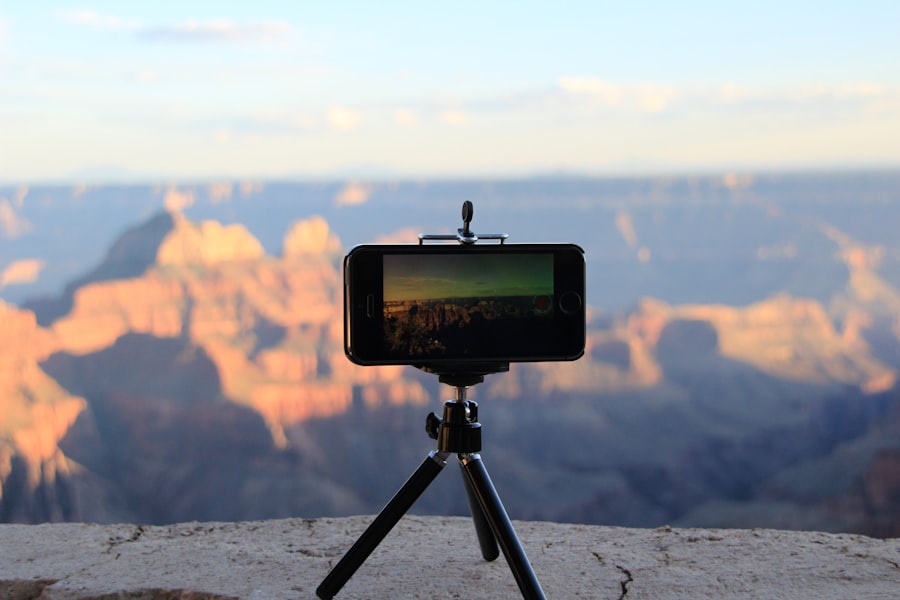
Telephoto Travel Photography Tips 2026
Master telephoto travel photography in 2026 to compress stunning landscapes and capture unique details on your trips.
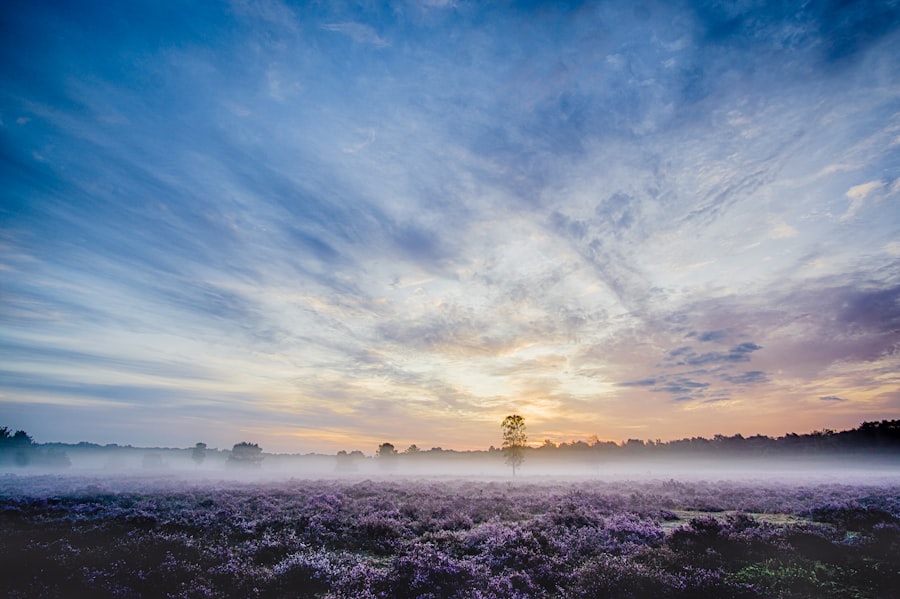
Mastering telephoto travel photography will completely transform the way you capture the world, turning ordinary vacation snapshots into cinematic masterpieces. When you pack your bags for your next adventure in 2026, you might be tempted to only bring a wide-angle lens to capture those sweeping landscapes. But I am here to tell you that leaving your long lens at home is a massive mistake. A telephoto lens allows you to crop out the clutter, compress distant layers, and focus on the intimate details that truly define a destination.
Why Telephoto Lenses Are Your Secret Travel Weapon in 2026
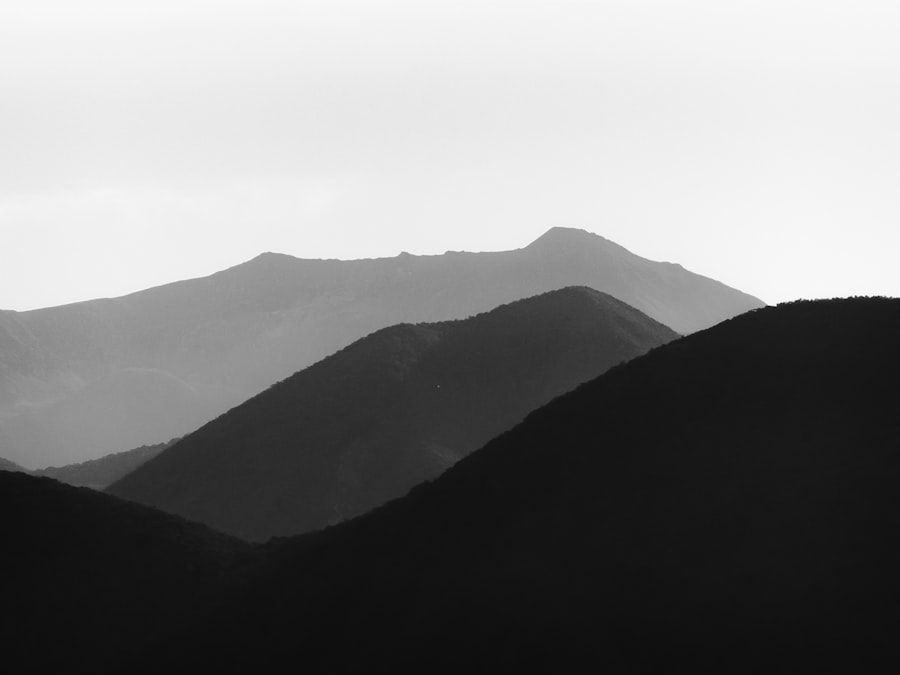
The secret is compression. While a wide lens pushes elements away, a telephoto lens pulls the background closer to your subject. Think of a massive rising moon behind a mountain peak, or a colorful taxi navigating a crowded street with towering skyscrapers looming right behind it. This visual compression creates a sense of scale and drama that our human eyes cannot naturally see.
First, let's look at how a telephoto lens simplifies your compositions. Travel destinations are often crowded and messy. By narrowing your field of view, you can easily isolate a beautiful temple spire, a local artisan at work, or a distant sailboat, completely cutting out the distracting tourists and trash cans in the foreground.
My Favorite Fail: A Lesson in Shutter Speed
Let me share a quick story from my early days of telephoto travel photography. I was in a bustling market in Morocco, trying to capture a portrait of a spice merchant from across the square. I dialed in my settings, framed the shot beautifully, and pressed the shutter. On my camera screen, the image looked okay. But when I got back to my hotel and opened the file on my laptop, it was a blurry mess.
My mistake? I forgot the Golden Rule of handholding a long lens: the reciprocal rule. I was shooting at a focal length of 200mm, but my shutter speed was set to only 1/50th of a second. Because telephoto lenses magnify your physical camera shake, you need a much faster shutter speed to get sharp images. Now try this instead: always make sure your shutter speed is at least 1 over your focal length. If you are shooting at 200mm, keep your shutter speed at 1/200s or faster!
The Golden Rule of Telephoto Sharpness: To eliminate camera shake when shooting handheld, always set your shutter speed to at least 1 divided by your focal length (e.g., 1/300s for a 300mm lens). If your camera or lens has Optical Image Stabilization, you can lower this slightly, but faster is always safer!
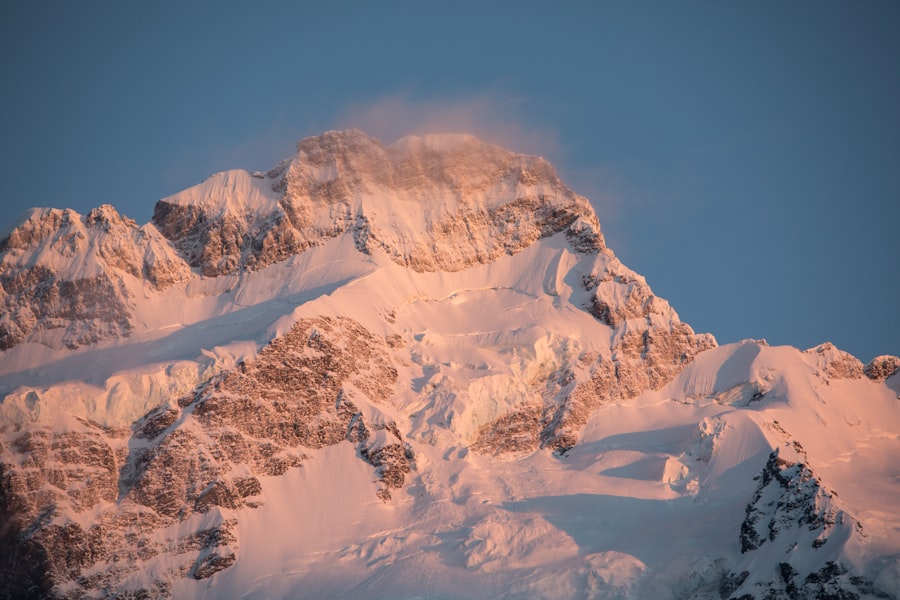
Essential Camera Settings for Telephoto Travel Photography
To get the absolute best results from your telephoto travel photography gear, you need to step away from auto mode and take control of your camera settings. Modern cameras in 2026 have incredible sensors, but they still need your guidance to make creative decisions.
Recommended Settings for Crispy Telephoto Shots
- Image Format: Always shoot in RAW vs JPEG. RAW files preserve all the data captured by your sensor, giving you maximum flexibility to recover shadows and highlights in post-processing. JPEG files are pre-compressed and limit your editing power.
- Aperture: Use a wide aperture like f/2.8 or f/4 to create a beautiful, blurry background, also known as Bokeh. If you want the entire landscape sharp from front to back, stop down to f/8 or f/11.
- ISO: Keep your ISO as low as possible (ISO 100 or 200) to avoid digital noise. However, do not be afraid to raise your ISO to 1600 or 3200 if you need to maintain a fast shutter speed in low light.
- Exposure Compensation: When shooting bright scenes like snowy mountains or backlit sunsets, your camera meter can get confused. Use the Exposure Compensation dial to manually brighten (+1) or darken (-1) your image.
Step-by-Step Guide to Composition with a Long Lens
Now that your settings are dialed in, let us look at how to actually compose a breathtaking shot using your new telephoto travel photography skills.
Step 1: Scan for Layers
Look for repeating patterns, rolling hills, or overlapping buildings. The compression effect of your telephoto lens works best when there are distinct layers of depth in your frame.
Step 2: Apply the Rule of Thirds
Do not just stick your subject right in the middle of the frame. Imagine your viewfinder is divided by a grid of nine equal rectangles. Place your main point of interest, like a distant lighthouse or a mountain peak, along those gridlines or at their intersections to create a balanced, dynamic composition.
Step 3: Isolate Your Subject with Bokeh
Find a subject with some distance between it and the background. Open your aperture wide, focus precisely on your subject, and watch the background melt away into a smooth, creamy blur that makes your subject pop right off the screen.
Must-Have Gear for Your 2026 Travel Adventures
You do not need to carry a heavy backpack full of giant lenses to succeed at telephoto travel photography. Modern lens design has made telephoto glass lighter and more compact than ever before.
- The Versatile Zoom: A 70-200mm f/4 or f/2.8 lens is the ultimate travel companion. It gives you incredible reach while still being manageable to carry all day. Check out the latest lightweight mirrorless options on the Sony Official Site or the Canon Official Site.
- A Sturdy Travel Tripod: When shooting at sunset or during the blue hour, a lightweight carbon fiber tripod is essential to keep your camera perfectly still during long exposures.
- Lens Hood: Don forget to keep your lens hood attached! It protects your front glass element and prevents unwanted lens flare when shooting towards the sun.
Before and After: The Power of Telephoto Travel Photography
Let us paint a picture of how this works in the real world. Imagine you are standing at a famous viewpoint in Tuscany at sunrise.
Before: You pull out your smartphone or a wide-angle lens and take a shot. The final image shows a vast sky, a lot of empty green grass in the foreground, and a tiny, tiny villa sitting on a hill in the distance. The villa is lost in the frame, and the image feels empty and uninspiring.
After: You switch to your telephoto lens and zoom in to 150mm. You apply the Rule of Thirds, placing the villa on the lower-left intersection. Because of the lens compression, the rolling hills behind the villa now look like massive, dramatic waves of golden fog. The distracting empty grass in the foreground is gone, and the viewer is drawn directly into the cozy, magical Italian scene. That is the magic of telephoto travel photography!
Now it is your turn to get out there and explore. Grab your camera, zoom in on the world, and capture the travel memories of a lifetime in 2026. Happy shooting!
Frequently Asked Questions
What is the best focal length for telephoto travel photography?
A 70-200mm lens is versatile for most travel scenarios, offering good reach without excessive weight.
How can I stabilize a telephoto lens while traveling?
Use a monopod or a bean bag on solid surfaces, and enable image stabilization on your camera or lens.
What are the best camera settings for telephoto wildlife shots?
Start with shutter speed at least 1/500s, aperture wide open for light, and auto ISO to maintain exposure.
How do I avoid camera shake with a long lens?
Use a faster shutter speed (e.g., 1/focal length), brace against a stable object, or use remote shutter and tripod.
Can I use a telephoto lens for landscape photography?
Yes, telephoto lenses compress distant elements, making them ideal for isolating mountains, patterns, or detailed scenes.
Matthias Weber digs into the craft of travel photography, from camera settings to editing. He explains the technical side in plain language so you can spend less time fiddling with dials and more time shooting.
💬 Comments (0)
No comments yet. Be the first!