5 Leading Lines Tips for Travel Photography 2026
Learn how to use 5 leading lines tips for travel photography 2026 to guide your viewer's eye and create deeper, professional images.
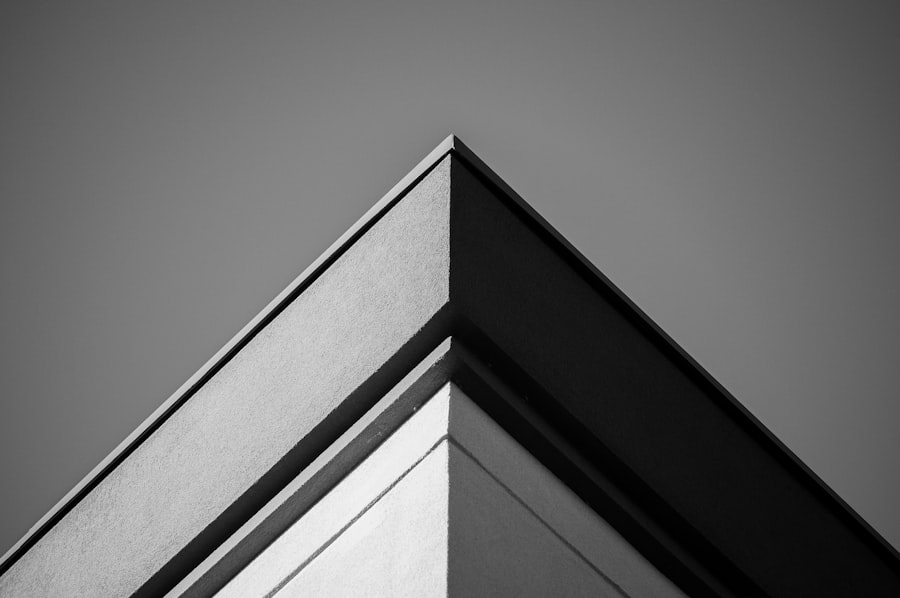
5 Leading Lines Tips for Travel Photography 2026
Mastering leading lines tips for travel photography is the single most effective way to turn a flat, uninspired landscape into a dynamic visual journey that pulls your viewer right into the frame. As we move into 2026, camera technology has become incredibly advanced, but the fundamental principles of composition remain the heartbeat of a great image. I have spent years wandering through crowded markets and quiet mountain trails, and I have learned that the gear in your bag matters far less than how you guide the human eye.
When you first start out, you might feel like your photos look chaotic. Perhaps you are capturing everything in front of you, but nothing feels like it has a clear subject. This is where I want to help you. I'll show you how to identify natural pathways, structural geometry, and perspective shifts to transform your portfolio. Your photos will look more professional and intentional the moment you start applying these simple visual cues.
Understanding the Power of Geometry in Your Travels
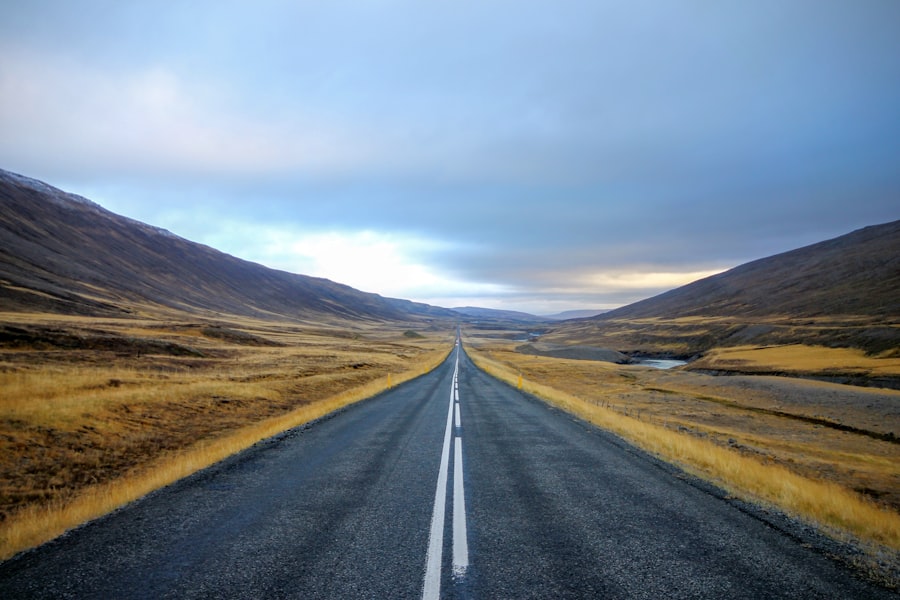
The secret is realizing that the world is filled with invisible arrows. Whether it is a cobblestone street in Italy or a coastline in Bali, these shapes direct our gaze. When you look at a scene, do not just see the objects. See the connections between them. A fence, a shadow, or even a row of palm trees can act as a bridge that transports the viewer from the foreground to the main subject.
Many beginners struggle because they forget that leading lines tips for travel photography are not just about straight lines. They are about flow. If you are standing in front of a grand cathedral, look for the tiles on the floor or the archways of the ceiling. These elements naturally pull the eyes toward the altar or the stained glass, creating a sense of depth that a flat, head-on shot simply cannot replicate.
A Personal Lesson in Perspective
I remember standing in the middle of a massive desert in 2026, trying to photograph a lonely camel caravan. I took fifty shots, but they all looked like tiny specks on a blank canvas. I was frustrated. Then, I realized I was shooting from eye level, ignoring the texture of the dunes. I dropped to my knees, got my camera inches away from a sand ripple, and used that natural curve of the dune to point directly at the camels. The difference was night and day. That simple shift—using the ground as a leading line—fixed the entire composition.
Step-by-Step Guide to Perfecting Your Composition
Now try this: follow these steps the next time you are out on location to ensure you are utilizing the best leading lines tips for travel photography.
1. Scout the Scene for Natural Anchors
Walk around your subject before you even lift your camera. Look for walls, rivers, paths, or even lines of clouds that could serve as a visual guide. If you find a path, try to place it starting from one of the bottom corners of your frame.
2. Adjust Your Aperture for Depth
If you want those lines to remain sharp throughout the entire frame, you need a high f-stop number. Use an aperture around f/8 or f/11 to increase your depth of field. This ensures that both the line in your foreground and the subject in the background are crisp. If you are unfamiliar with these settings, visit DPReview to understand how your lens choice affects your depth of field.
3. Incorporate the Rule of Thirds
Combine your lines with the Rule of Thirds. Don't just place your line dead center. Align your leading lines with the grid lines on your camera display. This creates a much more balanced and pleasing image for the viewer.
Recommended Settings and Must-Have Gear
To master these leading lines tips for travel photography, you need to be comfortable with your camera controls. Here is a quick list of what I keep in my bag:
- Wide-angle lens (16-35mm): Essential for exaggerating lines that converge in the distance.
- Circular Polarizer: Helps to cut glare on water or glass, allowing your lines to pop against the background.
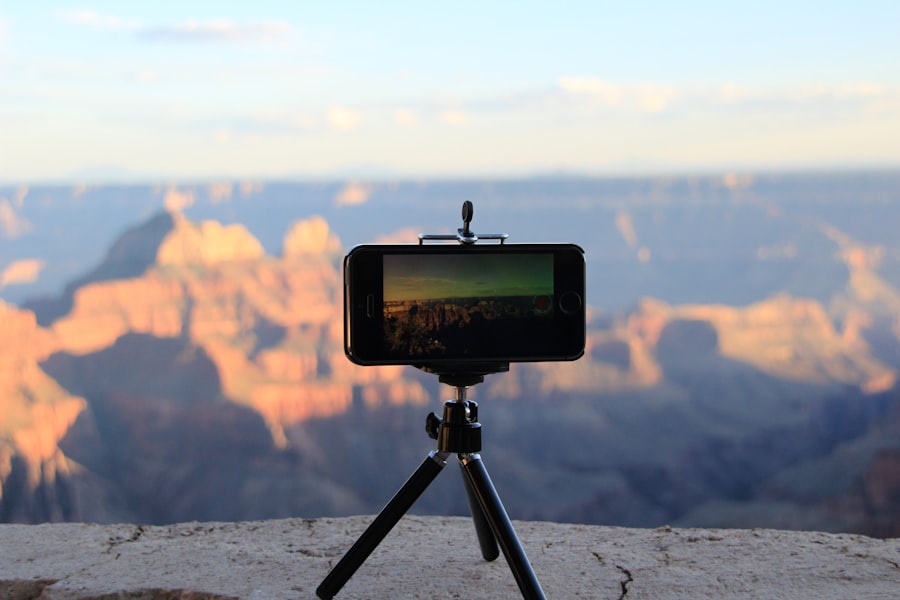
- Tripod: Necessary for low-light scenarios where you need a slower shutter speed.
- RAW format: Always shoot in RAW instead of JPEG to ensure you have the maximum data for editing your highlights and shadows.
- Exposure Compensation: Use this to brighten or darken your shot if your lines are lost in deep shadows.
Golden Rule: If the lines do not point to your subject, they are just distractions. Always ensure that your composition has a clear destination for the eye to land on.
Advanced Techniques for the Modern Photographer
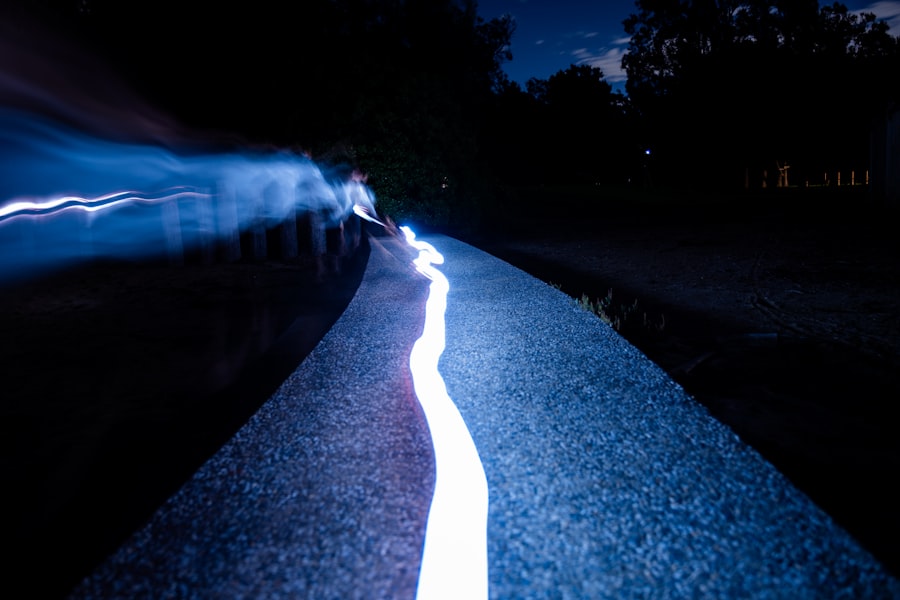
As we enter 2026, many photographers are experimenting with long exposures to create "motion" as a leading line. By using a Neutral Density (ND) filter, you can drag your shutter speed to several seconds. This turns moving water or drifting clouds into soft, blurry streaks that act as perfect, smooth pathways for the eye. This is one of the most powerful leading lines tips for travel photography because it adds a sense of time and fluidity to a static image.
Don't forget to check your ISO settings. When shooting with a long exposure, keep your ISO as low as possible (usually 100) to maintain high image quality without digital noise. If you want to see how these settings interact with your specific camera body, you can reference the official manuals from manufacturers like Sony for deep dives into sensor performance.
Why Composition Still Beats Resolution
You can have the most expensive camera on the market in 2026, but if your composition is cluttered, the photo will fail. Leading lines are the secret language of photography. They tell the viewer where to look and how to feel about the space. When you learn to lean into these patterns, you stop just taking snapshots and start creating narratives.
Final reminder: practice makes perfect. Spend an afternoon in your own city looking for lines in architecture and street patterns. Use your camera screen to experiment with different angles. Once you master the art of guiding the eye, you will find that your travel photography reaches a level of sophistication you never thought possible. Go out there, find those lines, and start telling better stories today!
Frequently Asked Questions
What are the best types of leading lines for travel photography?
Natural elements like rivers, roads, and shorelines make excellent leading lines, while man-made structures like bridges and corridors also work well.
How do I effectively incorporate leading lines into my composition?
Use the lines to guide the viewer's eye from the foreground toward your main subject, ensuring they naturally draw focus without distraction.
Can leading lines work in cramped spaces?
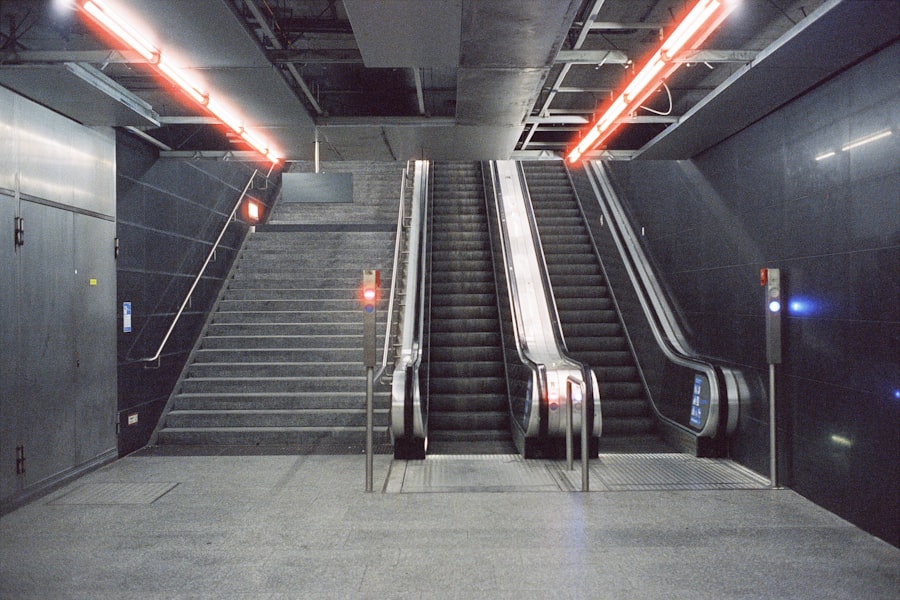
Yes, even narrow alleys or staircases can create powerful leading lines by emphasizing depth and perspective in tight environments.
What mistake ruins leading lines in photos?
The most common mistake is allowing leading lines to exit the frame without direction, which breaks the visual flow.
Should with leading lines as trails for sunrises or sunsets?
Paths or shorelines leading toward the horizon create striking compositions that enhance golden hour shots with added depth.
Camille Bernard shares travel photography tips for every kind of traveller, from phone snapshots to full kits. She breaks down light, composition and timing so you come home with photos that actually capture how a place felt.
💬 Comments (0)
No comments yet. Be the first!