Reflector for Portraits: Travel Photography Tip
Master using a reflector for portraits on your travels. Control harsh light for flattering, professional travel portraits.
Let me start with a confession: my first attempt at using a reflector for portraits was a disaster. I was in a sun-drenched plaza in Seville, the year was 2026, and my subject's face was half hidden in harsh shadow while the other half was blown out. I had a fancy camera but no clue how to control the light. Then a local photographer walked by, pulled out a simple white disc, and showed me how a reflector for portraits could transform a scene. Your photos can look just as polished once you learn this one travel photography tip.
Why You Need a Reflector for Portraits on the Road
Light is everything in photography. On location you can't always wait for golden hour or find open shade. A reflector for portraits is your portable light source that fills harsh shadows, adds catchlights to eyes, and softens contrast. It weighs almost nothing, folds flat, and fits in your daypack. I never leave for a trip without mine.
The beauty of a reflector is that it works with natural light. You don't need a flash or extra batteries. You simply bounce sunlight back onto your subject. First, let's look at the different surfaces available: silver, gold, white, and translucent. Silver gives a crisp, cool fill. Gold warms skin tones. White provides a soft, neutral bounce. And translucent fabric diffuses harsh sun into a softer glow. For most travel portraits, a 5-in-1 reflector (white, silver, gold, black, and translucent) is the best investment you can make.
Understanding Light Direction
The secret is to position your reflector opposite the main light source. If the sun is coming from the left, hold the reflector for portraits on the right side of your subject, angled to bounce light into the shadow side of their face. This fills the dark areas without eliminating the natural three-dimensional shape. Your subject's eyes will sparkle with a tiny catchlight, and the overall image will have a professional, studio-like quality.
Before & After: A Failed Photo That Changed My Approach
I had a trip to Marrakech in early 2026. I was photographing a spice merchant under a market awning. The light was dappled and unpredictable. Without a reflector, the portrait had deep shadows under his hat, and his neck was lost in darkness. The background was blown out. I felt frustrated. Now try this: I pulled out a white reflector and asked an assistant (a friend I'd bribed with mint tea) to hold it at waist level, angled upward. The result was night and day. The shadows lifted, his skin texture looked rich, and the background fell into a pleasing, slightly soft bokeh. That single piece of gear turned a forgettable snapshot into a frame-worthy portrait.
Step-by-Step: Using a Reflector for Portraits
Follow these steps to get consistent results with your reflector for portraits:
- Assess the main light. Identify where the sun (or window light) is hitting your subject. Look for deep shadows around the eyes, nose, and chin.
- Choose your reflector side. For natural-looking fill, start with white or silver. Use gold only if you want a warm, sunset-like glow.
- Position the reflector. Hold it at arm's length, slightly in front of your subject, opposite the light source. Tilt it until you see the fill light hit the shadowed area. You can check the effect by looking at the reflected patch on your subject's face.
- Adjust distance. The closer the reflector, the stronger the fill. Start about 3 feet away and move closer or farther to control intensity.
- Use the rule of thirds. Frame your subject so their eyes fall on the top third line. Then micro-adjust the reflector for portraits angle to enhance the catchlight in those eyes.
Golden Rule of Reflectors: Bounce light, don't direct it. A slight, soft fill is always more flattering than a hard, direct blast. Think of it like whispering to the light, not shouting.
Recommended Settings for Reflector Portraits
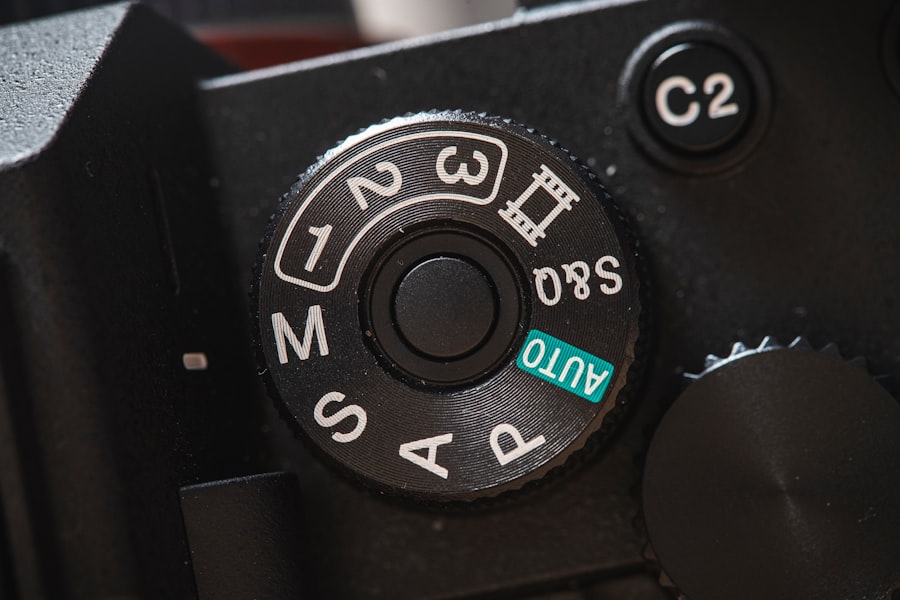
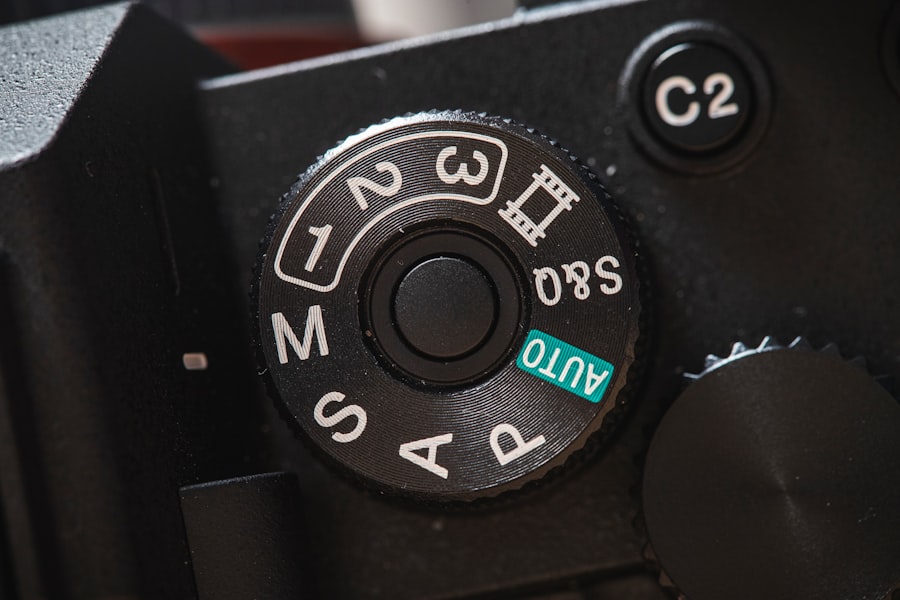
Your camera settings work together with the reflector for portraits to create a balanced exposure. Here are the settings I use when shooting with a reflector in midday sun. Remember, you may need to adjust based on your camera model—check your camera's manual or official specs online, e.g., the Sony Alpha 7 IV specifications for ISO ranges, or DPReview's guide on using reflectors.
- ISO: Keep it low—100 to 400 to maintain clean shadows.
- Aperture: Shoot wide open (f/1.8 to f/2.8) to blur the background and create creamy bokeh.
- Shutter Speed: At least 1/125s to freeze movement; increase if handholding.
- Exposure Compensation: Dial down -0.3 to -0.7 EV to prevent highlight clipping on the bright side.
- File Format: Shoot RAW for maximum flexibility in post-processing. RAW gives you latitude to fine-tune the fill effect later in Lightroom or Photoshop.
Choosing the Right Reflector Color for Different Skin Tones
Don't forget to match your reflector surface to your subject's skin tone and the mood you want. Silver works universally and adds a crisp, modern look. Gold can be beautiful on warm skin tones, but it can make fair skin look jaundiced if overdone. White is my go-to for a natural, subtle fill—perfect for travel portraits where you want the environment to feel authentic. Black (included in most 5-in-1 kits) is useful when you need to subtract light from a scene, creating deeper shadows for drama.
Must-Have Gear for Travel Photographers
Besides your camera and a quality lens (I recommend a 50mm f/1.8 or 85mm f/1.4 for portraits), this is the gear that makes a reflector for portraits easy to use on the road:
- A 5-in-1 collapsible reflector (24-inch or 32-inch diameter) – large enough to cover a torso, small enough to fold into your bag.
- A lightweight stand or clamp if you're shooting solo (or you can always use a willing travel buddy as a "light stand").
- A lens hood to reduce flare when the sun is behind your subject.
- A UV or skylight filter for lens protection—dust and sand are the enemies of sharp portraits.
Troubleshooting Common Mistakes
Even with the best reflector for portraits, things can go wrong. Here are the three most common issues and how I fix them:
Too much fill: Your subject looks flat and over-lit. Move the reflector farther away, or use white instead of silver. Alternatively, angle the reflector so it only bounces light onto the lower part of the face, leaving the eyes with natural depth.
Unwanted color cast: Gold reflector making skin look orange? Switch to white or silver. If shooting RAW, you can correct the white balance in post-processing, but it's better to get it right in-camera.
Wardrobe or background reflection: A bright white shirt or a nearby wall can also act as a reflector, creating weird glare. Use a black side of your reflector to block that bounce, or reposition your subject.
Final Thoughts: Why a Reflector Is Your Best Travel Partner
By now you should feel confident picking up a reflector for portraits and using it to shape light anywhere you travel. Whether you're capturing local artisans in a souk, friends on a beach, or yourself in a solo self-portrait, this simple tool gives you control over contrast and mood. I always carry mine folded in the side pocket of my backpack. When the light is harsh, I know I have a secret weapon.
Remember the rules: assess your light source, position the reflector opposite, and adjust the distance for a natural fill. Use the camera settings I shared, shoot RAW, and don't be afraid to experiment with different surfaces. Every travel portrait you create from now on will have that professional polish—the kind that makes viewers stop and ask, "How did you light that?" Now go out, find some beautiful light, and bounce it into your next masterpiece.
Frequently Asked Questions
What is a reflector and why is it useful for travel portrait photography?
A reflector is a portable tool that bounces light onto your subject, helping to fill in shadows and create more flattering portraits on the go.
What type of reflector is best for travel?
A collapsible, 5-in-1 reflector (white, silver, gold, black, translucent) is lightweight and versatile, ideal for fitting in a suitcase.
How can I use a reflector to improve outdoor portraits?
Position it opposite the sun to bounce light into your subject's face, reducing harsh shadows and adding a catchlight to their eyes.
What if I don't have a reflector while traveling?
You can improvise with a white wall, a piece of foam board, or even a mirror from your hotel room to reflect light.
How do I use a reflector for indoor portraits?
Use a silver or white side near a window to redirect natural light onto your subject, or bounce flash off the reflector for softer illumination.
💬 Comments (0)
No comments yet. Be the first!