Travel Photography Autofocus Modes 2026
Master Travel Photography Autofocus Modes for sharp vacation photos. Covers single, continuous, manual focus for travel in 2026.
Travel Photography Autofocus Modes are the secret weapon that transforms your travel images from blurry memories into sharp, professional-looking shots – and in 2026, mastering them is easier than ever. I still remember the sinking feeling when I reviewed my photos from a bustling market in Marrakech. I had used the wrong autofocus mode, and every candid portrait of the spice vendor was out of focus. That day taught me that understanding Travel Photography Autofocus Modes is non-negotiable if you want to capture the world with clarity and confidence. Whether you are shooting a speeding tuk-tuk in Bangkok or a portrait of a smiling farmer in Tuscany, the right autofocus mode will ensure your subject is tack sharp while the background melts into beautiful bokeh.
Understanding Travel Photography Autofocus Modes in 2026
First, let's look at what we mean by autofocus modes. Modern cameras offer three main options: Single-Servo AF (AF-S or One-Shot), Continuous AF (AF-C or AI Servo), and Automatic AF (AF-A or AI Focus). The secret is knowing when to use each one. For example, if you are shooting a stationary landmark like the Eiffel Tower, Single AF locks focus once and holds it – perfect for sharp images using the Rule of Thirds to compose your frame. But if you are chasing a child running through a lavender field, Continuous AF tracks the motion and adjusts focus in real time. As of 2026, even entry-level mirrorless cameras have sophisticated eye-detection and subject-tracking capabilities that make Travel Photography Autofocus Modes incredibly intuitive.
The Three Main Travel Photography Autofocus Modes
- Single AF (AF-S / One-Shot): For static subjects – landscapes, architecture, portraits where your subject is posing. Lock focus with a half-press, then recompose. Ideal for low-light situations where you want to minimize focus searching.
- Continuous AF (AF-C / AI Servo): For moving subjects – wildlife, street photography, or any action scene. The camera continually adjusts focus as your subject moves. In 2026, many cameras use AI to predict motion, so you can even track a cyclist weaving through traffic.
- Automatic AF (AF-A / AI Focus): The camera decides whether the subject is still or moving and switches modes accordingly. This can be a crutch, but it sometimes misses the mark. I recommend learning to choose the mode manually for full control.
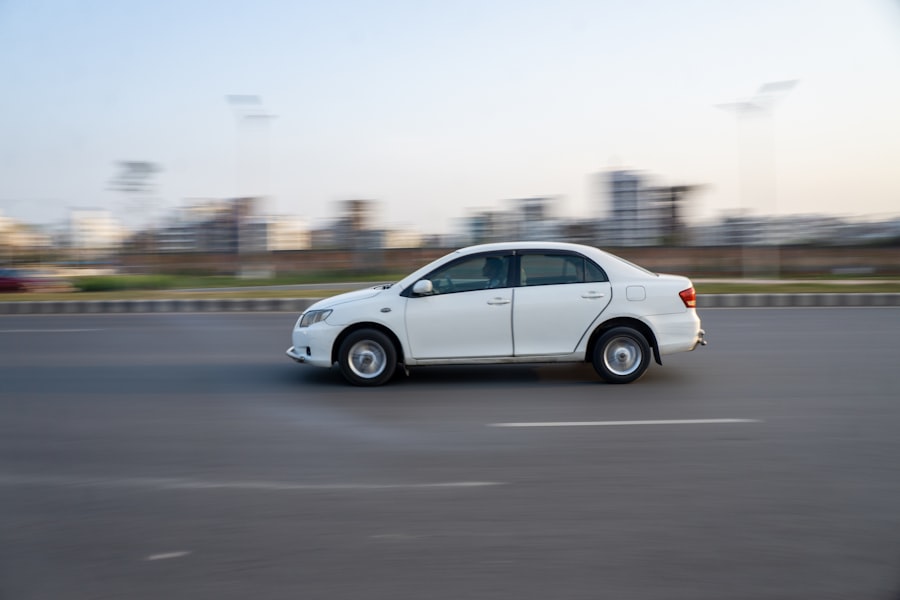
Now try this: set your camera to AF-C and practice tracking a slow-moving car. Notice how the autofocus points follow the vehicle. This muscle memory will save you in the field. Don't forget to also adjust your Exposure Compensation when the scene is very bright or dim – autofocus works best in good light.
How to Choose the Right Autofocus Mode for Travel
The secret to nailing your travel shots is matching the autofocus mode to the scene. Imagine you are at a sunset viewpoint: the light is fading, and your ISO is already climbing to 3200. Using Single AF with a single central focus point gives you the precision you need. Now contrast that with a morning market where street performers are dancing – you need Continuous AF with wide-area tracking. Your photos will look dramatically sharper when you master this decision. In 2026, cameras like the Sony A7 V or Canon EOS R6 Mark III have custom autofocus settings that remember your preferred Travel Photography Autofocus Modes for different lenses.
- Recommended Settings for Common Travel Scenarios:
- Landscapes: Single AF, center point, low ISO (100-400), shoot in RAW for maximum editing flexibility.
- Street Portraits: Single AF with eye detection, aperture priority at f/2.8 for creamy bokeh, +0.7 Exposure Compensation to keep skin tones bright.
- Action / Wildlife: Continuous AF with zone tracking, shutter speed at least 1/500, auto ISO capped at 3200. Shoot in RAW+JPEG so you have a backup.
- Night Scenes: Single AF, manual focus assist if needed, tripod mandatory, low ISO and long exposure.
Step-by-Step Guide to Setting Up Your Autofocus for Travel
This step-by-step guide will help you prepare your camera for any travel scenario in 2026.
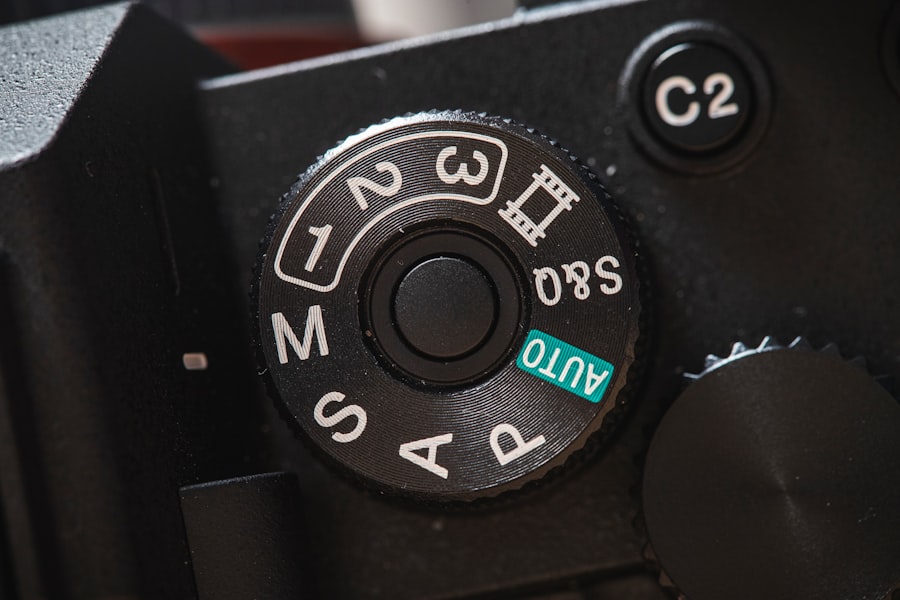
- Step 1: Research your camera's autofocus menu. Most modern cameras have a dedicated AF button. If you own a Sony, check their official autofocus guide at Sony's AF page. For Canon, visit Canon's autofocus tutorial.
- Step 2: Practice switching between Single and Continuous AF without looking at the menu. Assign a custom button if your camera allows it. This becomes second nature when you are in a busy setting.
- Step 3: Set your focus point selection to “flexible spot” or “single point” for static subjects. For moving subjects, switch to wide or zone tracking. Many cameras in 2026 offer real-time eye tracking for humans, animals, and even birds.
- Step 4: Use back-button autofocus. Separate the AF function from the shutter button. This lets you lock focus once and fire multiple shots without refocusing – a game changer for street photography.
- Step 5: Test your setup at home. Point at a moving ceiling fan or a pet. See how the camera handles Travel Photography Autofocus Modes in different lighting. You will build confidence before your next trip.
Common Autofocus Mistakes and How to Avoid Them
I almost missed the shot of a lifetime because I forgot to check my autofocus mode. In 2026, I was photographing a traditional boat race in Venice. I had left my camera in Single AF from the previous day’s cathedral shots. As the boats sped past, my camera kept hunting for focus. I lost the decisive moment. The fix? I now use a quick checklist before any new scene: check AF mode, check ISO, check shooting mode. Travel Photography Autofocus Modes are only as good as your habit of switching them. Another common mistake is using too many focus points in a chaotic scene – the camera may grab the background instead of your subject. The secret is to reduce the focus area. For portraits, use a single point on the eye. For landscapes, use a single point on the area of interest (like a mountain peak).
Golden Rule of Travel Photography: Your autofocus mode is the first thing you check when the light changes or the subject starts moving. In 2026, with AI-assisted autofocus, you can trust the technology – but only if you tell it what to track. Memorize this: still subject = Single AF, moving subject = Continuous AF, unsure = use a single focus point and become the coach of your camera.
Advanced Tips: Combining Autofocus with Exposure Compensation and RAW
Now try this: shoot a backlit subject – someone standing in front of a sunset. Your camera’s autofocus might struggle because the background is bright. Use Exposure Compensation to brighten the subject (+1 to +2 stops) and set your autofocus to face/eye detection. In 2026, most cameras have a “human priority” mode that works even in these high-contrast scenarios. Shooting in RAW instead of JPEG gives you the latitude to recover shadow details if your exposure is off. Remember, Travel Photography Autofocus Modes work hand-in-hand with your overall exposure strategy. For example, if you are using a wide aperture (f/1.8) for bokeh, the depth of field is razor thin – your autofocus must be precise. Single AF with a single point is your best friend here. If you miss focus by even a centimeter, the subject will be soft. Don't forget to zoom in on your camera’s display to verify sharpness.
Final Thoughts and Your Next Adventure
Mastering travel photography autofocus modes in 2026 will elevate every image you take. Your photos will look crisp, your subjects will be the star, and you will stop worrying about blurry shots. I encourage you to download a PDF of your camera’s manual and highlight the autofocus section. For deeper reading, check out DPReview’s in-depth analysis of autofocus systems at DPReview’s autofocus guide. The more you practice, the more intuitive these modes become. So pack your bag, charge your batteries, and go capture the world with confidence. In 2026, Travel Photography Autofocus Modes are your ticket to stunning, frame-worthy memories.
Frequently Asked Questions
Which autofocus mode is best for capturing quickly moving subjects like street performers?
AI Servo AF (Canon) or AF-C (Nikon/Sony) continuously tracks moving subjects, making it ideal for dynamic street scenes.
How can I ensure sharp photos of static landmarks without constant focus hunting?
Use Single AF (One-Shot AF) and select a single central focus point for precise, locked focus on non-moving subjects.
What autofocus mode works best for nighttime cityscape photography in low light?
Manual focus with live view magnification is most reliable for pinpoint accuracy in dim conditions, as autofocus may struggle.
When should I use the innovative subject-tracking AF modes introduced in 2026?
These modes are excellent for unpredictable scenes, like wildlife or busy markets, as they can intelligently lock on and follow moving subjects automatically.
How does eye-detect autofocus improve portrait photography while traveling?
Eye-detect AF automatically locks onto a subject's eye, ensuring sharp, engaging portraits even when the subject moves slightly.
💬 Comments (0)
No comments yet. Be the first!