Lisbon Street Photography 2026: Pro Tips
Master Lisbon street photography 2026 with our pro guide to capturing historic trams, golden cobblestones, and dramatic shadows.
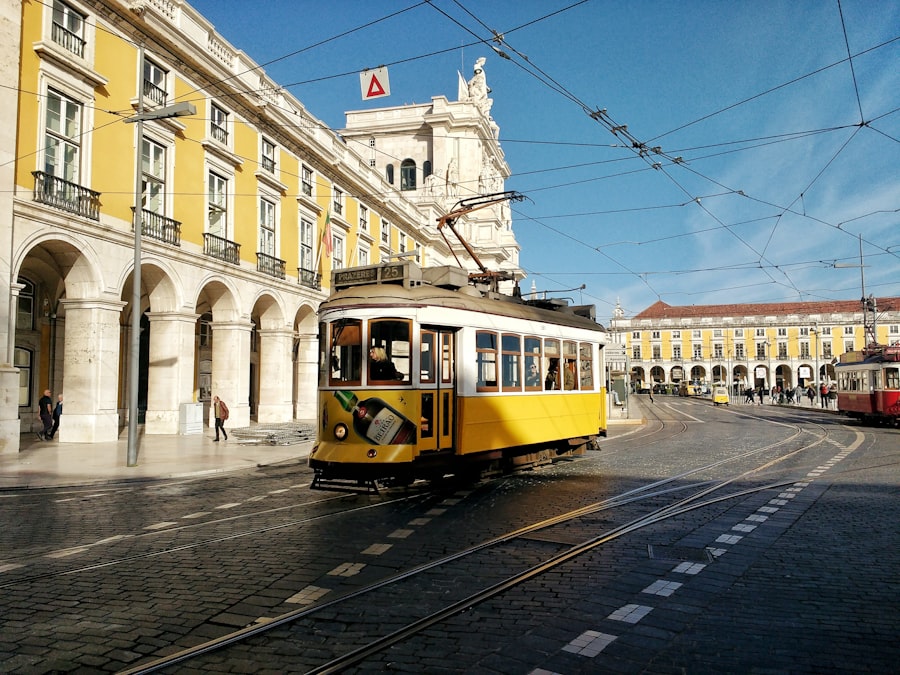
If you want to capture the soul of Portugal's capital, then mastering Lisbon street photography 2026 is the ultimate creative adventure for your camera this year.
I still remember my first morning walking through the steep alleyways of Alfama years ago. The sun was rising, casting a perfect golden glow on the cobblestones. Suddenly, a yellow tram rattled around the corner. I pressed the shutter, thrilled with what I thought was a masterpiece. When I looked at my screen, the photo was a blurry, overexposed mess. The tram was a yellow streak, and the beautiful sky was completely washed out.
We have all been there! But that failed shot taught me exactly how to handle the unique, high-contrast light of this coastal city. In this guide, I am going to coach you through the essential techniques, gear settings, and secret locations so your Lisbon street photography 2026 images look absolutely stunning and professional.
Understanding the Light and Color of Lisbon
Lisbon is famous for its luminous quality. The city is built on seven hills, and the white limestone cobblestones (called calcada portuguesa) act as giant natural reflectors. This bounces light up into the streets, creating a bright, glowing atmosphere. However, this also creates deep, dark shadows right next to brilliant highlights.
To handle this extreme contrast, we need to talk about Exposure Compensation. This is a dial on your camera that tells it to make the image darker or brighter than what the automatic sensor thinks is correct. When shooting in bright Lisbon streets, I recommend setting your Exposure Compensation to -0.3 or -0.7. This slightly darkens your image, protecting your highlights from getting "blown out" (turning solid white with no detail) and keeping those beautiful pastel paint colors rich and saturated.
The secret is to shoot in RAW vs JPEG. While JPEG files are compressed and ready to share, RAW files save all the uncompressed data from your camera sensor. According to the Adobe RAW vs JPEG guide, shooting in RAW gives you the dynamic range needed to recover lost shadow details in post-processing without ruining your image quality.
Must-Have Settings and Gear for 2026
When you are walking up and down the steep hills of Baixa and Bica, you want to travel light. Leave the heavy tripod at your hotel. For Lisbon street photography 2026, a lightweight setup will keep you energized and let you blend into the crowd.
Recommended Gear for Street Shooters
- A Mirrorless Camera: Brands like Sony, Canon, or Fujifilm offer incredible autofocus and compact bodies. For example, check out the Sony Alpha series specs for class-leading eye tracking.
- A Prime Lens (35mm or 50mm): Prime lenses do not zoom, which forces you to move your feet and interact with the environment. They also have wider apertures (like f/1.8), which are perfect for creating a blurry background.
- Comfortable Walking Shoes: Do not underestimate the slippery, steep cobblestones!
- A High-Speed SD Card: You will want to use burst mode to capture fast-moving trams.
Recommended Camera Settings
- Shooting Mode: Aperture Priority (A or Av). You control the depth of field; the camera handles the shutter speed.
- ISO: Auto ISO with a minimum shutter speed limit of 1/250s to freeze moving pedestrians and trams. Keep your base ISO (the camera sensor's sensitivity to light) as low as possible (ISO 100 or 200) during the day to avoid digital grain.
- Focus Mode: Continuous Autofocus (AF-C or Servo) with tracking enabled.
- White Balance: Daylight or Cloudy to enhance the warm, golden tones of the city.
The Golden Rule of Lisbon Street Photography 2026: Always expose for the highlights. It is much easier to lift dark shadows in your editing software than it is to recover a sky that is completely blown out and white.
Mastering Composition on the Hills
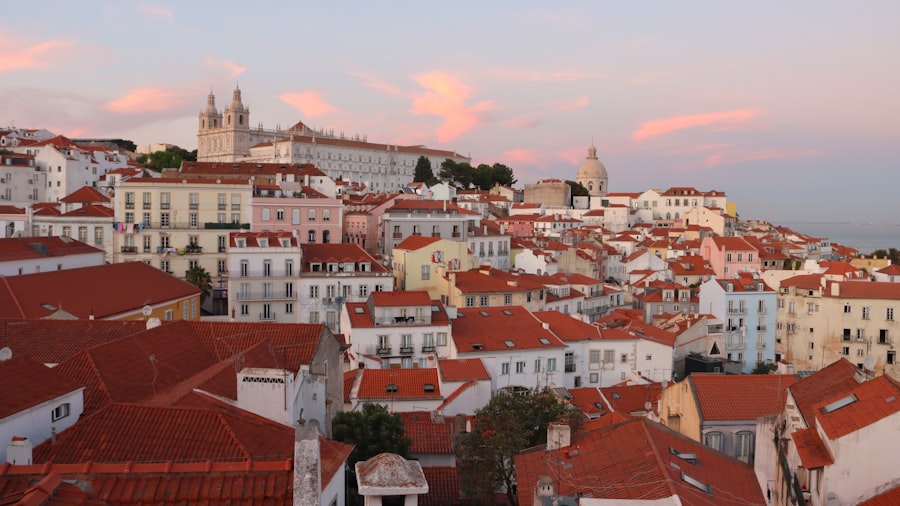
Lisbon is a three-dimensional playground. You are rarely standing on flat ground, which offers amazing opportunities to play with height, depth, and layers. This is where you can truly elevate your Lisbon street photography 2026 portfolio.
First, let's look at the Rule of Thirds. Imagine your frame is divided into a nine-box grid. Instead of placing your main subject dead center, try placing them along the grid lines or at the intersections. If you are shooting Tram 28, place the tram on the left vertical third line, leaving the right side of the frame open for the street it is traveling into. This creates a sense of movement and tells a stronger story.
Now try this: look for natural frames. Lisbon is full of beautiful archways, hanging laundry, and narrow window frames. By shooting through these elements, you create a sense of depth that draws the viewer's eye directly to your subject. You can also use a wide aperture like f/2.0 to create a beautiful Bokeh effect, where your foreground or background is softly blurred, making your main subject pop out of the screen.
Step-by-Step Guide: Capturing the Perfect Tram Shot
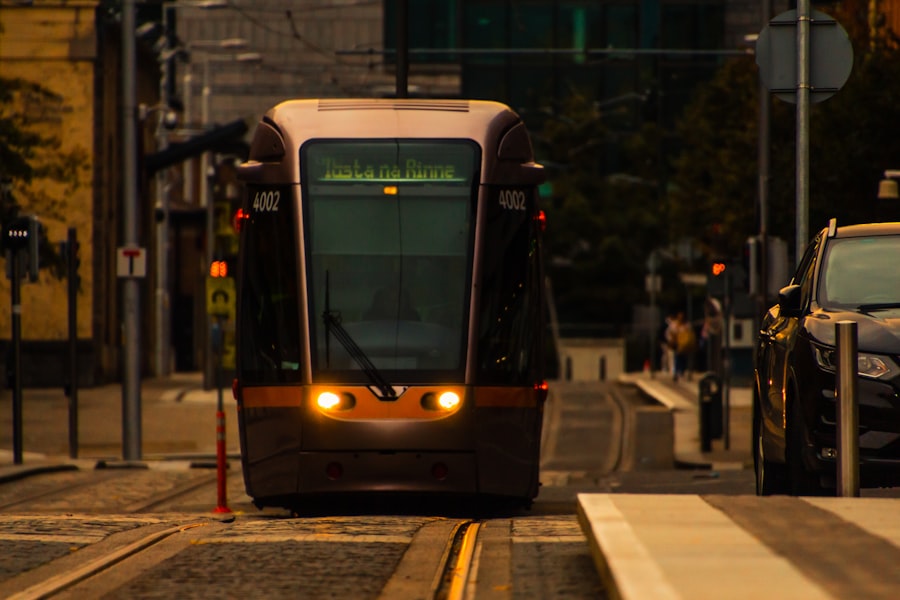
Capturing the iconic yellow vintage trams is a rite of passage for anyone practicing Lisbon street photography 2026. Here is how to get a professional, sharp image instead of a blurry snapshot.
Step 1: Find Your Location in Advance
Do not just chase the tram. Find a spot where the tracks curve, or where there is a steep hill in the background, like the famous street of Rua da Bica de Duarte Belo. Stand safely on the sidewalk with a clear view.
Step 2: Set Your Camera to Freeze the Motion
Switch your camera to Shutter Priority mode or manual mode. Set your shutter speed to at least 1/500s. Even though the trams look slow, they can shake and move quickly through your frame, especially on steep downhills.
Step 3: Compose Using Leading Lines
Use the metal tram tracks on the ground as leading lines. Position your camera low to the ground so the tracks lead the viewer's eyes from the bottom of the frame straight up to where the tram will appear.
Step 4: Wait for the Human Element
A photo of just a tram is nice, but a photo of a tram with a local resident walking past, or a driver looking out the window, is a story. Wait patiently for that human element to enter your frame before pressing the shutter.
Before & After: Fixing a Classic Lisbon Mistake
Let us look at a common scenario to show you how to apply these tips in the real world.
The Before Scenario: You are standing at the Portas do Sol viewpoint at noon. You see an elderly man reading a newspaper on a bench. You take a quick shot on Auto mode. Because the sun is directly overhead, the man's face is hidden in deep shadow under his hat, the white stone bench is blindingly bright, and the background is a chaotic mess of tourists.
The After Fix: You analyze the scene. First, you adjust your position, stepping to the side to use a nearby archway to block out the distracting tourists. Next, you dial your Exposure Compensation down to -1.0 to protect the bright highlights on the stone bench. You open your lens aperture to f/1.8 to create a creamy Bokeh, throwing the background out of focus. Finally, you wait for the man to look up from his paper. As he does, the bounced light from the limestone pavement illuminates his face perfectly. You click the shutter. The result is a stunning, intimate portrait with rich colors and zero distractions.
Go Out and Explore
The beauty of Lisbon street photography 2026 is that the city is constantly changing. The light shifts by the minute, and the people you meet will bring your frames to life. Remember to be respectful, smile at your subjects, and enjoy the process of wandering through these historic streets. Keep your camera set to RAW, watch your highlights, and let the magic of Lisbon guide your lens. Happy shooting!
Frequently Asked Questions
What's the best time of year for street photography in Lisbon in 2026?
Spring (March-May) and early autumn (September-October) offer the best light and fewer crowds, but winter's low sun creates dramatic shadows.
Which Lisbon neighborhoods are must-visits for street photographers in 2026?
Alfama's winding alleys, Mouraria's multicultural vibe, and the modern architecture of Parque das Nações provide diverse backdrops.
What camera settings work well for capturing movement on Lisbon's trams and funiculars?
Use a fast shutter speed (1/250s or higher) to freeze motion, or try panning with 1/30s-1/60s for creative blur.
Are there any photography permits or restrictions in Lisbon for street photographers in 2026?
Social and non-commercial photography is generally allowed in public spaces, but avoid using tripods in busy areas without a permit, and respect locals' privacy.
How can I handle harsh midday sunlight in Lisbon's narrow streets?
Use shadows and contrast to your advantage, or focus on shaded areas and reflective surfaces like azulejo tiles for unique compositions.

Matthias Weber digs into the craft of travel photography, from camera settings to editing. He explains the technical side in plain language so you can spend less time fiddling with dials and more time shooting.
💬 Comments (0)
No comments yet. Be the first!