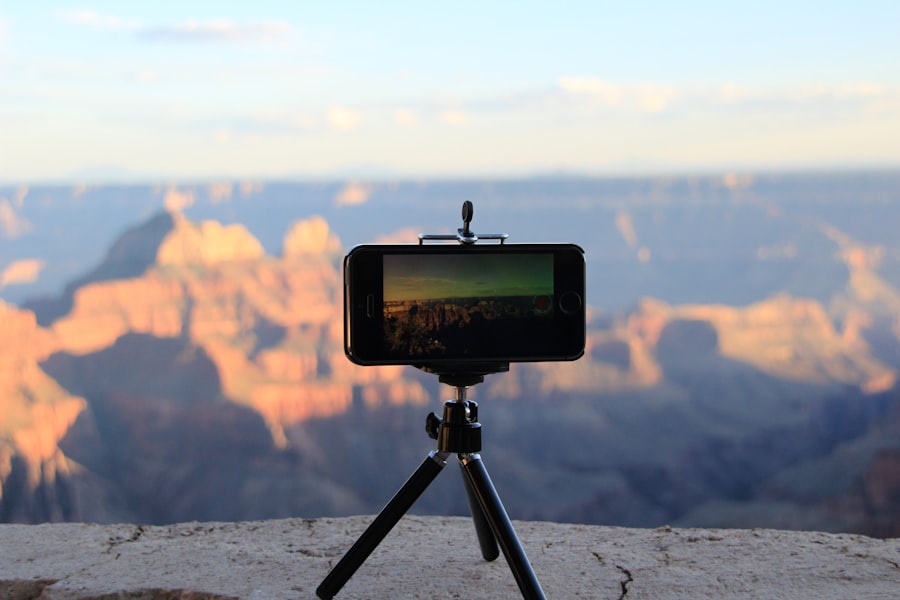
Giant's Causeway coastal photography 2026 Guide
Our guide to Giant's Causeway coastal photography 2026 helps you master long exposures of Ireland's dramatic basalt columns.
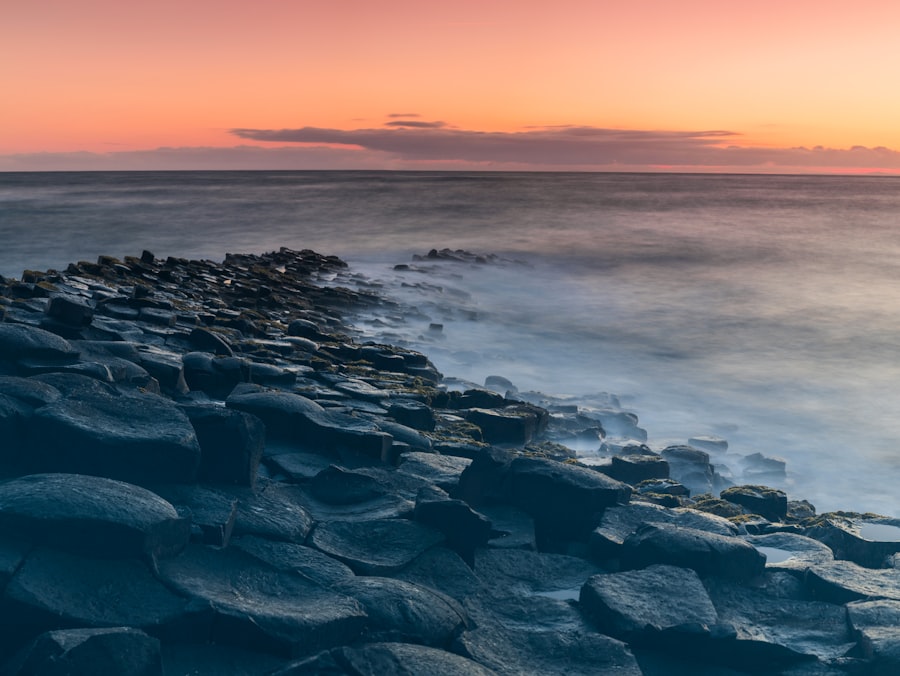
If you want to capture the raw, mythic beauty of the Northern Irish coast, our Giant's Causeway coastal photography 2026 guide will help you master this geological wonder like a seasoned pro.
I still remember my very first trip to these famous interlocking basalt columns. I arrived at sunrise, expecting instant magic. Instead, I ended up with flat, dark, lifeless images that looked more like a heap of wet coal than a legendary landscape. My highlights were blown out, the shadows were pitch black, and the famous columns blended into one giant, confusing mess. But that failure taught me exactly how to read the unique light of the Antrim coastline. Today, I am going to share those hard-earned secrets with you so you can skip the frustration and go straight to capturing gallery-worthy art.
Why Giant's Causeway Coastal Photography 2026 Requires a New Approach
Coastal landscapes are constantly shifting, but capturing the Giant's Causeway in 2026 demands a fresh perspective. With changing weather patterns and increased visitor numbers, you need to know exactly when to shoot, where to stand, and how to configure your camera to stand out from the crowd. To truly succeed with your Giant's Causeway coastal photography 2026 goals, you must move beyond basic snapshots and learn how to control your camera manual settings to paint with light.
First, let's look at the gear. You do not need the most expensive camera on the market, but you do need to understand how to use what you have. Whether you are shooting on a modern mirrorless system or a classic DSLR, the principles of exposure and composition remain your ultimate tools.
Must-Have Gear for the Antrim Coast
- A Sturdy Tripod: The wind on the Northern Irish coast can be fierce. A heavy, stable tripod is non-negotiable for sharp long exposures.
- Neutral Density (ND) Filters: These act like sunglasses for your lens, allowing you to slow down your shutter speed even in broad daylight to get that silky water effect.
- A Circular Polarizer: This essential filter cuts down on the glare from wet rocks and boosts the natural blues and greens of the sea.
- A Microfiber Cloth: Sea spray will get on your lens. Keep a dry cloth in your pocket to wipe your glass between shots.
Mastering the Technical Settings: Jargon Demystified
To elevate your Giant's Causeway coastal photography 2026 portfolio, we need to talk about camera settings. Do not let the technical terms scare you; they are simply tools to help you express your creative vision.
First, always shoot in RAW vs JPEG. A JPEG is a finished image compressed by your camera, which throws away valuable color and shadow data. A RAW file, on the other hand, saves every bit of information your camera sensor captures. This gives you maximum flexibility when editing your files later in programs like Adobe Lightroom.
Next is ISO, which measures your camera sensor's sensitivity to light. A low ISO (like ISO 100) gives you the cleanest, sharpest image. As you raise the ISO to 1600 or 3200, the camera becomes more sensitive to light, but you introduce digital noise, which looks like ugly grain. For landscape shots on a tripod, keep your ISO as low as possible.
Then we have Bokeh, which refers to the out-of-focus, blurry background in an image. While portrait photographers love a shallow depth of field with creamy bokeh, landscape photographers usually want the opposite. We want everything from the closest stone to the distant cliffs to be tack-sharp.
The Golden Rule of Coastal Exposure: When the bright white sea foam crashes against the dark basalt columns, your camera's light meter will get confused. Use your Exposure Compensation button (the little +/- icon) to dial down the exposure by -0.3 or -0.7 to protect your bright highlights from blowing out.
Step-by-Step Guide to Capturing the Perfect Column Shot
Now try this practical exercise when you are standing on the basalt columns. Follow these steps to balance your exposure and create a powerful composition.
Step 1: Compose Using the Rule of Thirds
Imagine your viewfinder is divided by two vertical and two horizontal lines, creating a grid of nine equal squares. The Rule of Thirds suggests placing your main subject, like a striking cluster of hexagonal columns, along these lines or at their intersections. Instead of putting the horizon right in the middle, place it on the upper third line to emphasize the foreground rocks, or on the lower third line to highlight a dramatic stormy sky.
Step 2: Dial in Your Recommended Settings
Set your camera to Manual mode or Aperture Priority mode. Use these baseline settings as your starting point for your Giant's Causeway coastal photography 2026 adventure:
- File Format: RAW
- ISO: 100 (for maximum image quality)
- Aperture: f/11 (to keep the entire scene in sharp focus)
- Shutter Speed: 1/2 second to 2 seconds (to capture motion in the waves)
- Focus: Manual focus, targeting a stone about one-third of the way into your frame
Step 3: Time the Waves
The secret is to shoot right as the wave recedes. When the water flows backward over the dark stones, it creates beautiful, leading lines that guide the viewer's eye straight into your photo. Press the shutter button just as the wave begins to pull back into the ocean.
Before and After: Fixing a Common Coastal Mistake
Let us look at a common scenario to see how a few simple adjustments can completely transform your Giant's Causeway coastal photography 2026 results.
The Before: You arrive at midday. You stand at eye level, point your camera down at the stones, and press the shutter. The resulting JPEG image is flat. The sun is harsh, creating ugly, bright white reflections on the wet rocks and deep, black shadows with no detail. The horizon cuts the photo exactly in half, and the water looks static and messy.
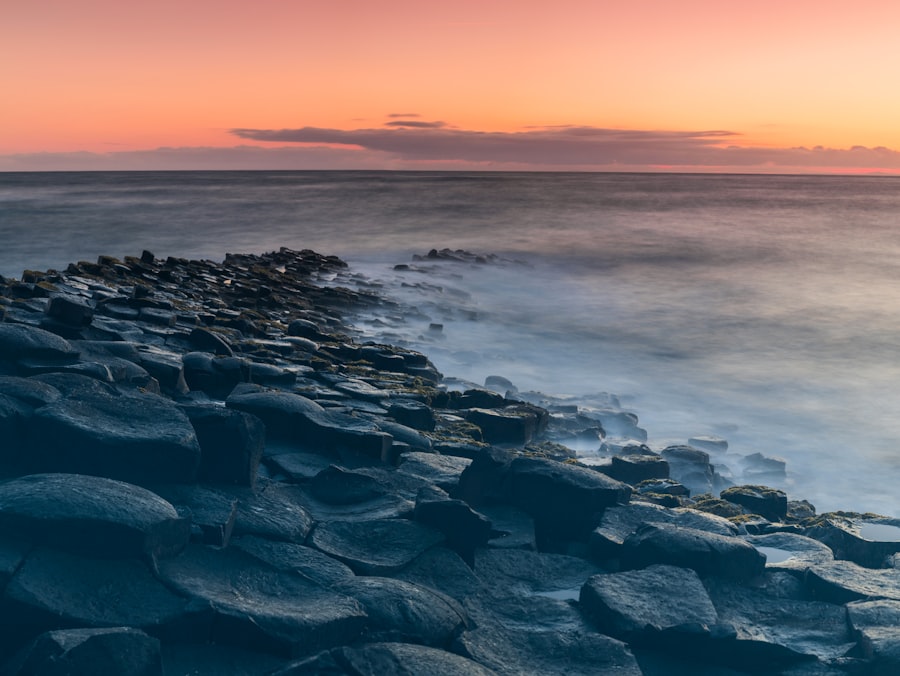
The After: You return during the golden hour, just before sunset. You switch your camera to RAW format. You lower your tripod close to the ground, using a wide-angle lens to make the hexagonal columns in the foreground look massive and powerful. You screw on an ND filter and a circular polarizer to cut the glare. You set your aperture to f/11 and use a 1.5-second shutter speed. Now, the dark basalt glows with warm, golden light, the sea is transformed into a dreamy, ethereal mist swirling around the rocks, and the colors are rich and vibrant. This is the power of deliberate technical choices!
Advanced Creative Techniques for 2026
If you want to push your Giant's Causeway coastal photography 2026 images even further, try experimenting with perspective. Most tourists take photos from standing height. To make your images unique, get down low, almost touching the water, to make the columns look like towering giants. Alternatively, hike up the cliffside path to capture the sweeping, dramatic curve of the entire bay.
Don't forget to check the tide tables before you set out. A low, incoming tide is generally the best time to shoot, as it exposes the seaweed-covered rocks while still providing plenty of active wave action. Always prioritize your safety; those wet basalt rocks can be incredibly slippery, and rogue waves are common along this stretch of the Atlantic.
To learn more about the best gear setups for challenging environments, you can read the latest camera reviews and weather-sealing tests on trusted sites like DPReview. Understanding your camera's physical limits will give you the confidence to shoot in the wind and mist of Northern Ireland.
With these tools, tips, and techniques in your creative arsenal, your Giant's Causeway coastal photography 2026 journey will yield stunning, professional-grade images that tell the true story of this wild, majestic coast. Now, pack your gear, watch the weather forecast, and go capture some magic!
Frequently Asked Questions
What is the best time of year for photography at Giant's Causeway in 2026?
Late spring and early autumn offer the best light and fewer crowds, with sunrise and sunset providing dramatic colors.
What camera gear is recommended for coastal photography at Giant's Causeway?
A wide-angle lens for landscapes, a sturdy tripod for long exposures, and a polarizing filter to manage reflections and enhance colors.
Are there any photography restrictions or permits needed for 2026?
Personal photography is free and unrestricted, but commercial shoots require a permit from the National Trust.
What are the top photographic spots at Giant's Causeway?
The Grand Causeway for iconic basalt columns, the amphitheatre for sweeping views, and Chimney Tops for framing the coast.
How can I protect my camera from sea spray and weather?
Use a weather-sealed camera body, lens hood, and a rain cover; always wipe down equipment after shooting near the ocean.

Camille Bernard shares travel photography tips for every kind of traveller, from phone snapshots to full kits. She breaks down light, composition and timing so you come home with photos that actually capture how a place felt.
💬 Comments (0)
No comments yet. Be the first!