Dubrovnik historic photography 2026 Guide
Learn how to shoot the Old Town without the crowds using this Dubrovnik historic photography 2026 guide.
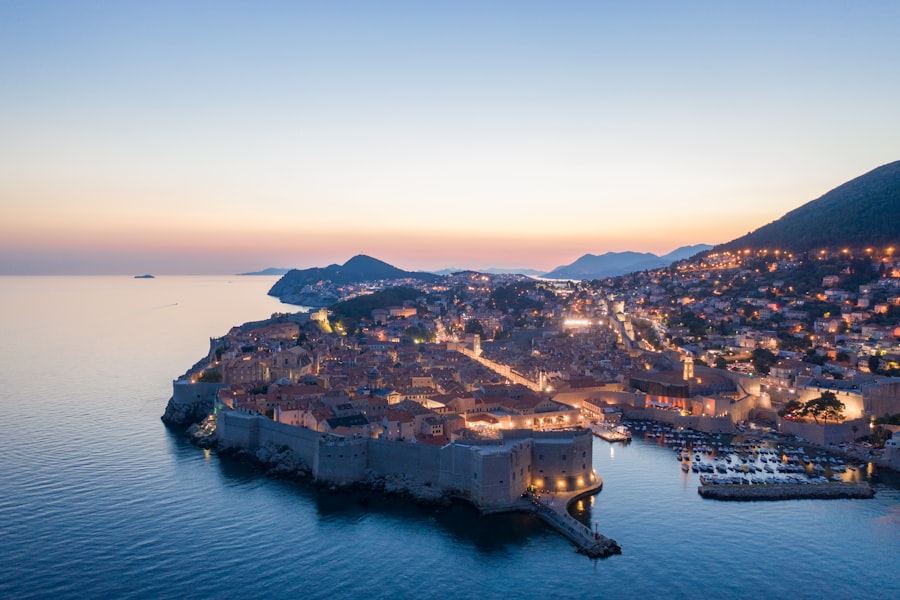
Welcome to your ultimate Dubrovnik historic photography 2026 guide, designed to help you capture the timeless magic of the Pearl of the Adriatic like a seasoned professional.
I still remember my first morning standing on the limestone streets of the Stradun. The sun was just peeking over the stone walls, bathing the entire city in a warm, golden glow. I raised my camera, snapped a quick shot, and looked at my screen, only to feel a wave of disappointment. The bright morning sky was completely washed out, and the ancient stone buildings looked like dark, featureless blobs. My exposure was a total mess. I almost packed up my gear and went to grab a coffee, but instead, I paused, adjusted my settings, and figured out how to tame the harsh Adriatic light. Today, I am going to share those exact secrets with you so you can bypass the frustration and create breathtaking images on your very first try.
Whether you are shooting on a professional mirrorless camera or a smartphone, this tutorial will elevate your visual storytelling. Let us dive into the art of historic travel photography in 2026.
The Secrets of Composition in an Ancient City
First, let us look at how to frame the dramatic architecture of Dubrovnik. This city is a maze of towering stone walls, narrow alleyways, and steep staircases. If you just point your camera straight ahead, your photos can quickly look cluttered and chaotic. The secret is to use classic compositional techniques to guide your viewer's eyes through the frame.
Our primary tool for this is the Rule of Thirds. This is a fundamental photography concept where you mentally divide your frame into a grid of nine equal rectangles using two horizontal and two vertical lines. Instead of placing the main subject right in the dead center of your photo, you place them along these grid lines or at the points where the lines intersect. For example, when photographing the iconic clock tower, place the tower on the left vertical third line, leaving the right two-thirds of the frame to showcase the sweeping open space of the Luza Square.
Now try this: look for natural frames within the city. Dubrovnik is full of stone arches, gated doorways, and narrow window openings. By positioning yourself so that an archway frames a distant church dome or a passing sailboat, you create a sense of depth and mystery. This technique instantly draws the viewer into the scene, making them feel like they are peeking into a secret medieval world.
The Golden Rule of Historic Photography: Always look up and look down. In historic cities, the ground is paved with centuries-old polished limestone that reflects light beautifully, while the rooftops offer a dramatic sea of terracotta tiles. Do not just shoot at eye level.
Mastering Exposure and Light in Dubrovnik
The Adriatic sun is incredibly bright, especially during the summer of 2026. This creates a high contrast environment with blinding highlights and deep, dark shadows. To capture the true texture of the ancient stone, you must master your camera settings.
This is where understanding RAW vs JPEG becomes critical. When you shoot in JPEG format, your camera makes permanent decisions about color, contrast, and brightness, discarding a massive amount of image data. If you shoot in RAW format, your camera preserves all the raw data captured by your camera sensor. To understand how to utilize this extra data in your editing software, check out the official Adobe Camera Raw guide. Shooting in RAW allows you to rescue those dark shadows and tone down the bright highlights during post-processing, which is absolutely essential for your Dubrovnik historic photography 2026 portfolio.
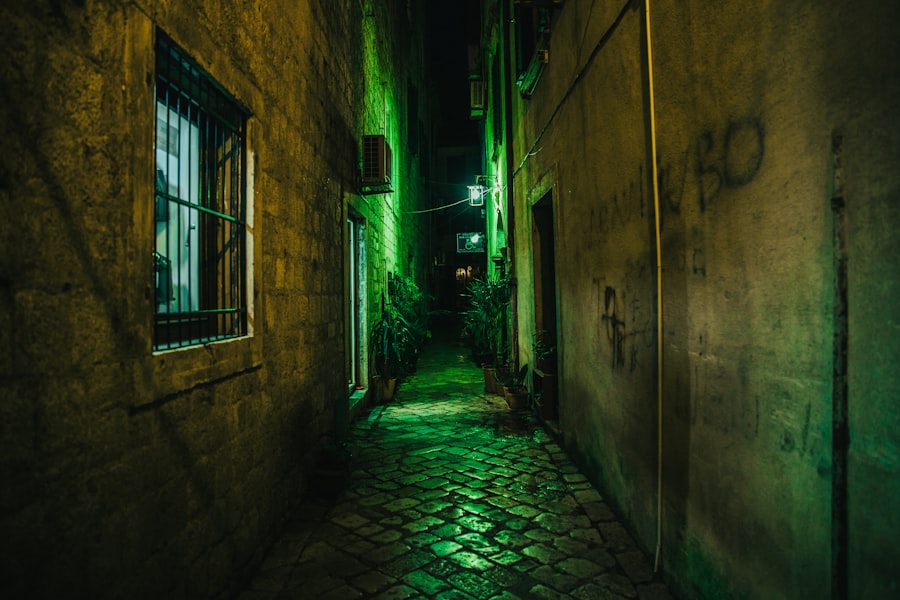
Another crucial tool is Exposure Compensation. This is a button or dial on your camera (usually marked with a plus and minus sign) that tells your camera to make the image darker or brighter than what its automatic meter thinks is correct. When shooting the bright limestone streets of Dubrovnik, your camera might get confused by the reflection and underexpose the image. By dialing in a positive exposure compensation (+0.3 or +0.7), you can make the stones look bright and clean. Conversely, if you want to capture a moody, dark alleyway, dial in a negative exposure compensation (-0.7) to keep the shadows deep and mysterious.
Your Step-by-Step Guide to the Perfect Sunrise Shot
Step 1: Arrive Before the Sun
To get the most out of your Dubrovnik historic photography 2026 experience, you must beat the crowds. Aim to arrive at the Ploce Gate or the Stradun at least 30 minutes before the official sunrise time. The pre-dawn light, also known as the blue hour, offers a soft, even illumination that makes the stone streets look almost ethereal.
Step 2: Set Up Your Camera and Settings
Keep your ISO as low as possible, ideally ISO 100 or 200. ISO controls your camera sensor's sensitivity to light. A higher ISO allows you to shoot in darker conditions, but it introduces digital noise, which makes your photos look grainy and pixelated. To keep your images crisp and clean, use a low ISO and stabilize your camera on a tripod or a flat stone ledge.
Step 3: Dial in Your Aperture for Maximum Depth
Set your camera to Aperture Priority mode and select an aperture around f/8 or f/11. This ensures a deep depth of field, meaning everything from the cobblestones right in front of your lens to the distant fortress walls will be in sharp focus. If you are unfamiliar with how aperture affects your images, you can learn more about camera physics on the DPReview learning center.
Step 4: Capture the Golden Reflection
As the sun rises over the hills, it will strike the tops of the buildings first, eventually spilling down onto the polished limestone street. Position yourself low to the ground to capture the golden light reflecting off the smooth, shiny stone of the Stradun. Use your exposure compensation dial to ensure the bright reflections do not blow out into pure white.
Must-Have Gear and Recommended Settings
Before you pack your bags for your Dubrovnik historic photography 2026 adventure, make sure you have the right equipment. You do not need the most expensive gear on the market, but a few key items will make a massive difference in your final images.
- A Wide-Angle Zoom Lens: A 16-35mm or 24-70mm lens (full-frame equivalent) is perfect for capturing the tight alleyways and grand city walls.
- A Lightweight Travel Tripod: Essential for sharp, low-light golden hour and blue hour shots.
- A Circular Polarizer Filter: This helps cut down on glare from the shiny limestone streets and makes the blue of the Adriatic Sea pop.
- Comfortable Walking Shoes: You will be climbing hundreds of steep stone stairs, so leave the fashionable but uncomfortable shoes at home.
Now, let us look at a quick-reference setup guide for your camera. Use these baseline settings as a starting point, and adjust them as the lighting conditions change throughout the day.
- File Format: RAW (to maximize your dynamic range and editing flexibility).
- Shooting Mode: Aperture Priority (A or Av mode).
- ISO: 100 for daytime, up to 1600 for hand-held night shots.
- Aperture: f/8 for sharp landscapes, f/1.8 to f/2.8 for beautiful background blur.
- Focus Mode: Single-point autofocus (to precisely choose your subject).
Creative Techniques: Capturing Details and Portraits
While sweeping landscapes of the city walls are breathtaking, do not forget to capture the smaller, intimate details that give Dubrovnik its unique character. Look for historic door knockers, colorful laundry hanging between stone buildings, and ancient stone carvings worn smooth by centuries of touch.
To make these details stand out, you want to use a shallow depth of field to create beautiful Bokeh. Bokeh is the aesthetic quality of the blur in the out-of-focus parts of an image. To achieve this, select a wide aperture like f/1.8 or f/2.8, move close to your subject, and ensure there is some distance between your subject and the background. The background will melt into a soft, creamy blur, making your main subject pop dramatically off the screen.
Now try this: find a quiet side street where the light is spilling through the gaps in the buildings. Wait for a local resident or a fellow traveler to walk through that beam of light. By using a fast shutter speed to freeze their motion and a wide aperture to blur the background, you will capture a powerful, storytelling portrait that feels alive and spontaneous.
Before & After: Fixing the Midday Sun
Let us look at a common scenario you will face during your Dubrovnik historic photography 2026 trip. It is 1:00 PM, the sun is directly overhead, and you are standing at the top of the Minjeta Tower. You take a photo of the red rooftops against the sea.
Before: The photo looks flat and harsh. The red tiles are oversaturated and bright, the sea has a glaring white sheen on it, and the shadows inside the city streets are pitch black with zero detail. The image feels amateurish and uninspiring.
After: To fix this, first, screw a circular polarizer onto your lens to cut the glare on the water and enrich the blue of the sea. Next, adjust your exposure compensation to -0.3 to protect the highlights on the terracotta tiles. Finally, because you shot in RAW, you import the photo into your editing software, gently boost the shadows to reveal the hidden details in the narrow streets, and reduce the highlights slightly. The result is a balanced, vibrant, and professional-looking landscape that perfectly captures the grandeur of the fortress.
Dubrovnik is a city that rewards the patient, observant photographer. By mastering your exposure, understanding composition, and chasing the right light, your Dubrovnik historic photography 2026 images will stand out as true works of art. Grab your camera, hit the stone streets, and start creating!
Frequently Asked Questions
What makes 2026 a special year for historic photography in Dubrovnik?
2026 marks the 700th anniversary of the city's defensive walls, offering unique ceremonial lighting and restored medieval scenes ideal for historic captures.
Which locations in Dubrovnik are essential for historic-themed photography?
Must-shoot spots include the Lovrijenac Fortress, the Old Town's Stradun, and the Rector's Palace, all preserved with authentic Renaissance and Gothic elements.
Are there any special permits required for professional historic photography in Dubrovnik?
Yes, tripod usage and commercial shoots require a permit from the Dubrovkinova (city heritage office), which can be obtained online 7 days in advance.
What is the best time of day to capture authentic historic ambience in 2026?
Early morning (5-7 AM) avoids crowds and offers a golden haze over the limestone streets, recreating medieval light; sunset adds dramatic shadows.
How can photographers incorporate 2026 anniversary themes into their work?
Include the official anniversary torch-lighting ceremonies every Saturday evening, and frame shots to include temporary heraldic banners hanging along the walls.

Matthias Weber digs into the craft of travel photography, from camera settings to editing. He explains the technical side in plain language so you can spend less time fiddling with dials and more time shooting.
💬 Comments (0)
No comments yet. Be the first!