Cornwall coastal photography 2026 guide
Master Cornwall coastal photography 2026 with our expert tips on capturing dramatic cliffs, ocean movement, and golden light.
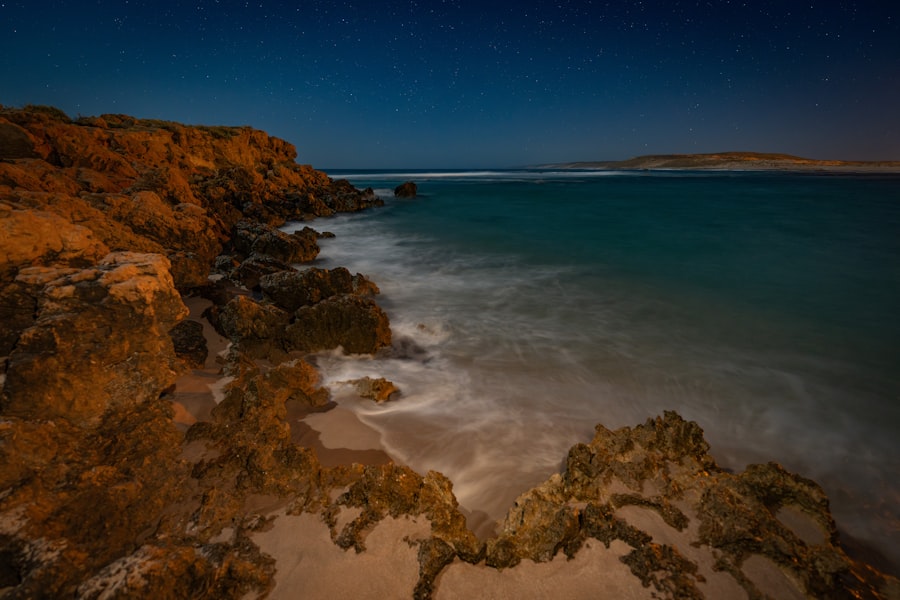
If you want to capture the raw, untamed beauty of the British coastline, this Cornwall coastal photography 2026 guide will show you how to transform your sea landscapes into breathtaking pieces of art. From the jagged granite cliffs of Land's End to the turquoise waters of St Ives, Cornwall is a paradise for photographers. But shooting where the land meets the wild Atlantic Ocean is not without its challenges. The light changes in a heartbeat, the salt spray threatens your gear, and the tides can completely alter your composition in minutes. Do not worry. I am here as your personal photography coach to help you navigate these elements so your photos will look professional, polished, and absolutely spectacular this year.
Whether you are shooting with a high-end mirrorless camera or just starting out with an entry-level DSLR, Cornwall offers endless creative opportunities. To get the most out of your trip, you need to understand both the technical settings of your camera and the creative composition rules that bring a scene to life. Let us dive into the ultimate toolkit for your Cornwall coastal photography 2026 adventure.
Essential Gear and Camera Setup for Coastal Landscapes
Before we head out to the windy cliffs, we need to talk about your gear. You do not need the most expensive camera on the market, but you do need to know how to use what you have. Sea air is damp and salty, so protecting your equipment is just as important as choosing the right lens.
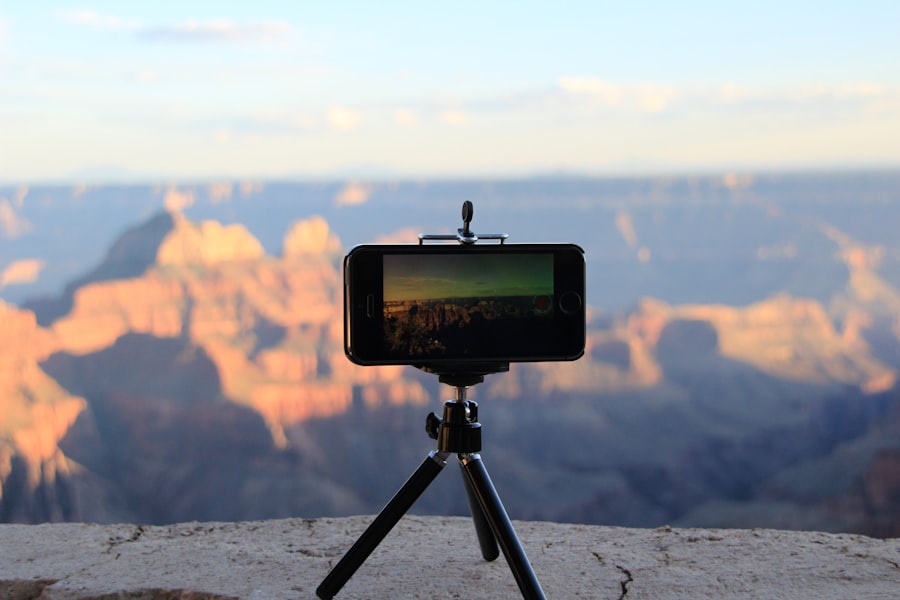
First, let us look at the essential gear you should pack in your camera bag. For landscape work, a sturdy tripod is non-negotiable because the coastal winds in Cornwall can easily shake your camera, causing blurry images.
Must-Have Gear for Cornwall Beaches
- A Sturdy Tripod: Carbon fiber is best to prevent rust from the salty sea spray.
- Circular Polarizer Filter: This magic piece of glass cuts down on water reflections and makes the turquoise Cornish sea pop.
- Neutral Density (ND) Filters: Essential for dark-tinting your lens, allowing for long exposures during the day.
- Microfiber Cloths and Air Blower: Salt spray will get on your lens; you must clean it constantly.
- Weather-Sealed Camera Body: Protects your delicate internal electronics from the damp sea air.
Now try this: set your camera to shoot in RAW instead of JPEG. When you choose RAW vs JPEG, you are choosing between complete creative control and a compressed, pre-processed file. RAW files capture all the uncompressed data from your camera sensor. This means that when you edit your photos later in software like Adobe Lightroom, you can easily rescue dark shadows in the cliffs or bright highlights in the crashing waves without losing image quality.
Mastering the Technical Settings: Jargon Made Simple
To succeed with Cornwall coastal photography 2026, you must master the relationship between ISO, aperture, and shutter speed. Let us break down these terms simply so you can use them with confidence on the beach.
The secret is to keep your ISO as low as possible, usually ISO 100. ISO measures your camera sensor's sensitivity to light. A low ISO ensures your images are clean, sharp, and free of digital noise (that ugly graininess you see in low-light photos). Next is aperture, which controls your depth of field. To get the entire coastline sharp from the pebbles at your feet to the distant horizon, use an aperture between f/8 and f/11.
Recommended Settings for Coastal Landscapes
- Image Format: RAW (for maximum dynamic range and recovery options).
- Exposure Mode: Manual or Aperture Priority.
- ISO: 100 (or the lowest native setting on your camera to avoid noise).
- Aperture: f/8 to f/11 (the sweet spot for maximum sharpness).
- Focus Mode: Single-point autofocus, targeted one-third of the way into your scene.
Do not forget about Exposure Compensation. This is a handy button on your camera (marked with a +/- icon) that lets you quickly brighten or darken your image. Sand and bright white sea foam can often trick your camera's light meter into thinking the scene is brighter than it actually is, resulting in a dark, underexposed photo. If your shots look too dark on your screen, dial in some positive Exposure Compensation (+0.3 or +0.7) to bring back the brightness.
The Golden Rule of Coastal Photography: Always prioritize the safety of your gear and yourself. Never turn your back on the ocean, watch the incoming tides closely, and use a high-quality protective filter to shield your expensive lens glass from corrosive salt spray.
How I Saved a Ruined Shot at Bedruthan Steps
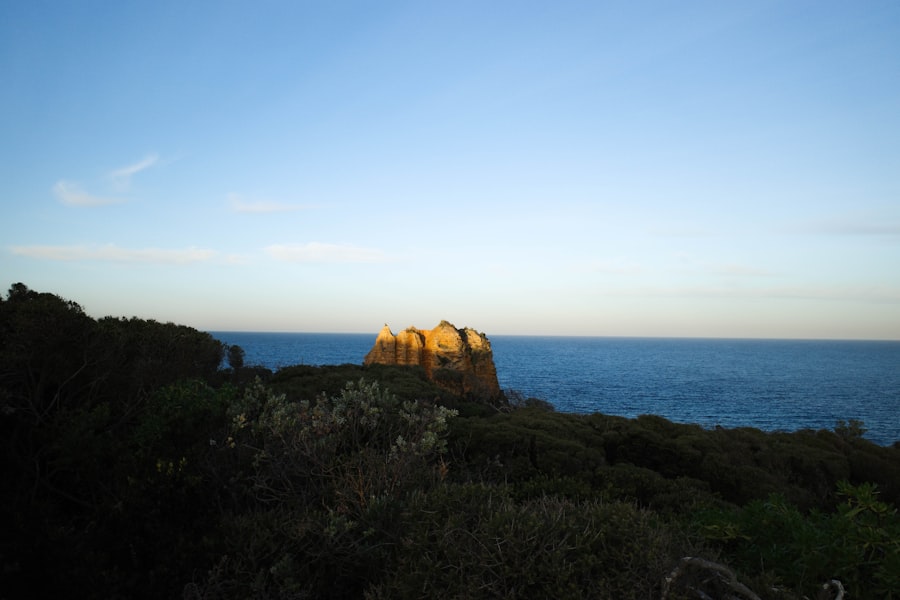
Let me share a personal story about a failed photo and how I fixed it, which completely changed how I approach Cornwall coastal photography 2026. A few years ago, I was standing on the cliffs overlooking the famous rock stacks of Bedruthan Steps. It was a moody, overcast evening. I wanted to capture the contrast between the dark rocks and the wild white foam of the waves.
I set up my tripod, kept my ISO at 100, and took a shot. It looked terrible. The sky was a washed-out white sheet, the rocks were pitch black with no detail, and the sea looked messy rather than majestic. I had made two classic mistakes: I did not pay attention to my exposure balance, and my shutter speed was too fast, which froze the messy waves instead of smoothing them out.
To fix this, I made three quick adjustments. First, I put a 6-stop ND filter on my lens. This allowed me to slow my shutter speed down to 2 full seconds, turning the chaotic waves into a beautiful, misty silk that wrapped around the base of the rocks. Second, I turned on my camera's HDR mode (or took multiple bracketed exposures) to capture both the bright sky and the dark cliffs. Finally, I used the Rule of Thirds, placing the largest rock stack on the left vertical grid line and the horizon line on the upper third of the frame. The result was a dramatic, award-winning fine art landscape instead of a messy snapshot.
Step-by-Step Guide to Shooting a Long Exposure Sunset
If you want your photos to have that dreamlike, ethereal quality where the sea looks like smooth mist and the clouds streak across the sky, you need to learn the art of long exposure. This is a staple technique for stunning Cornwall coastal photography 2026 results.
Your Sunset Long Exposure Workflow
- Find your composition early: Arrive at least one hour before sunset. Scout the beach for interesting foreground elements like wet rocks, tidal pools, or sea weed.
- Lock down your tripod: Set up your tripod on firm ground. If you are on wet sand, push the tripod legs down into the sand until they stop sinking.
- Compose using the Rule of Thirds: Place your horizon on the top third line if the foreground is interesting, or the bottom third line if the sky is filled with dramatic, colorful clouds.
- Focus and lock: Autofocus on a rock about mid-way into your scene, then switch your lens to Manual Focus (MF) so the camera does not hunt for focus when it gets dark.
- Attach your ND filter: Slide in a 10-stop ND filter to dramatically slow down the light entering your camera.
- Calculate your shutter speed: If your shutter speed without the filter was 1/30th of a second, with a 10-stop filter, your new shutter speed will be approximately 30 seconds. Use a remote shutter release to avoid touching the camera and causing shake.
By using a long shutter speed, you will also notice a beautiful side effect if there are waves washing over rocks: a soft, creamy bokeh-like texture in the moving water. While bokeh usually refers to the out-of-focus background blur created by a wide-open aperture (like f/1.4 on a portrait lens), in coastal landscape photography, we can create a similar pleasing, minimalist softness in our water backgrounds by using motion blur. Check out expert guides on sites like DPReview to see how different camera sensors handle long exposures and noise reduction.
Advanced Tips for Capturing the Perfect Cornish Wave
Not all coastal photography is about slow, peaceful water. Sometimes, you want to capture the sheer power of the Atlantic Ocean crashing against the rugged cliffs of Porthleven or Sennen Cove. For this style of Cornwall coastal photography 2026, you need speed.
To freeze a crashing wave mid-air and capture every single droplet of water in sharp detail, you need to set your shutter speed to at least 1/1000th of a second or faster. This requires a lot of light, so you may need to raise your ISO to 400 or 800, especially on cloudy days. Don't worry, modern cameras like the latest models from Sony, Canon, or Nikon handle higher ISO levels beautifully without introducing distracting noise.
Switch your camera's drive mode to "Continuous High" (burst mode) so you can shoot a rapid sequence of images as the wave hits the rocks. This ensures you capture the exact millisecond the wave reaches its peak height and dramatic form.
Go Out and Capture the Coast!
The cliffs and beaches of Cornwall are waiting for you. Remember, great photography is not about luck; it is about preparation, understanding your camera settings, and learning how to read the natural light. By applying the tips in this Cornwall coastal photography 2026 guide, you will be well on your way to creating stunning, gallery-worthy coastal images. Grab your tripod, pack your filters, check the tide times, and go create something beautiful!
Frequently Asked Questions
What is the best time of year for Cornwall coastal photography in 2026?
Spring (April-May) and autumn (September-October) offer the most dramatic light and fewer crowds. However, winter storms can provide unique, moody seascapes with crashing waves.
Which locations in Cornwall are top picks for coastal shots in 2026?
Must-visit spots include Land's End, St Michael's Mount, Kynance Cove, Bedruthan Steps, and the rugged cliffs around Tintagel. Each offers varied perspectives from sweeping bays to hidden rock arches.
How can I avoid crowds when photographing Cornwall's beaches this year?
Shoot during golden hours (sunrise or sunset) or just after winter storms. Also, explore lesser-known coves north of St Ives, like Gwithian or Portheras, which remain off the typical tourist trail.
What camera gear is essential for capturing the coast in Cornwall's changeable weather?
Bring a sturdy tripod, a polarizing filter, and a weather-sealed camera body with a wide-angle zoom. A neutral-density filter is also useful for silky water effects on wave crashes.
Are there any photography workshops or permits needed for 2026?
No permit is needed for personal photo use in public areas. For workshops, consider local experts near Newlyn or Penzance, but often you can rely on tide timetables and online forecasts.

Matthias Weber digs into the craft of travel photography, from camera settings to editing. He explains the technical side in plain language so you can spend less time fiddling with dials and more time shooting.
💬 Comments (0)
No comments yet. Be the first!