Bora Bora Sunset Photography 2026 Guide
Learn Bora Bora sunset photography 2026 to capture breathtaking golden hour reflections and vibrant colors over the quiet lagoon.
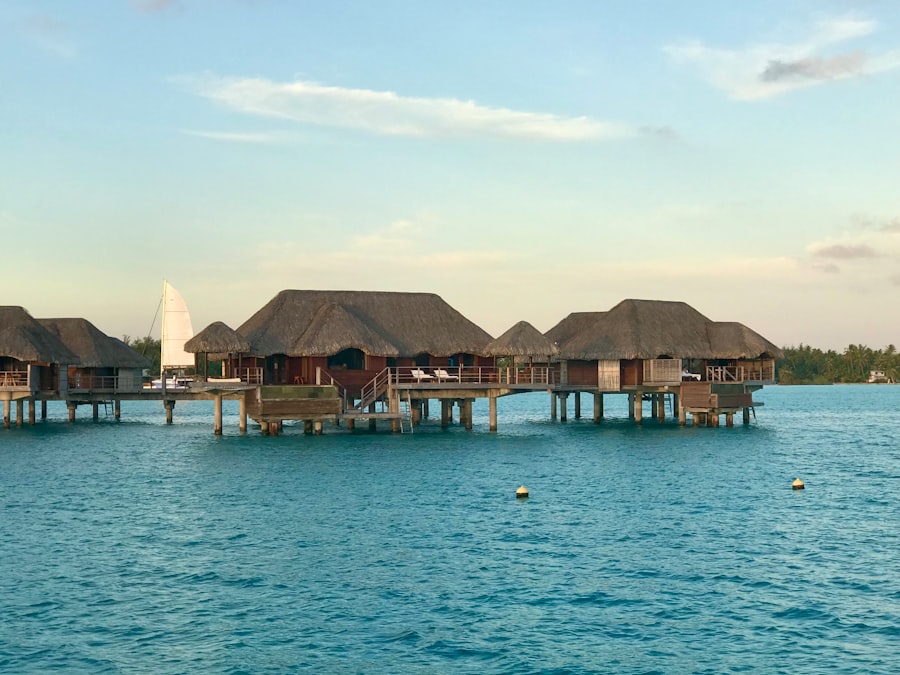
Welcome to your ultimate Bora Bora sunset photography 2026 guide, where we will transform your tropical vacation snapshots into professional-grade gallery prints. There is a distinct magic when the Pacific sun dips below the jagged peak of Mount Otemanu, painting the lagoon in hues of violet, orange, and gold. But capturing this beauty requires more than just pointing your phone and clicking. I will show you how to master your camera settings, read the light, and bring home breathtaking images that capture the true essence of French Polynesia.
As a travel photographer, I have spent years chasing the perfect light across the globe. Today, I am going to be your personal photography coach. Whether you are using a brand-new mirrorless camera or trying to get the absolute most out of your smartphone, we will break down the technical barriers together so you can focus on creativity. Let us dive into the secrets of Bora Bora sunset photography 2026!
First, Let us Look at the Core Camera Settings
Before we step onto the white sands, we need to speak the language of your camera. Photography jargon can feel intimidating, but the secret is understanding that every setting is just a tool to control light and creative expression. Let us demystify the three pillars of exposure, plus a few key formats you must use in 2026.
- ISO: This measures your cameras sensitivity to light. A lower number like ISO 100 means clean, crisp images. As the sun sets and it gets darker, you might need to raise this to ISO 800 or 1600. Keep it as low as possible to avoid digital noise (that grainy texture that ruins sunset gradients).
- RAW vs JPEG: This is your most important decision. A JPEG is a compressed image file processed by your camera. A RAW file saves all the uncompressed data captured by your sensor. Always shoot in RAW! This gives you the maximum data to recover dark shadows and bright highlights when editing later in tools like Adobe Lightroom.
- Bokeh: This is the soft, out-of-focus background blur. You get beautiful bokeh by using a wide aperture (like f/1.8 or f/2.8). It is perfect for isolating a tropical flower or a cocktail against a dreamy, blurred sunset lagoon.
- Rule of Thirds: Imagine your screen divided into a nine-box grid. Instead of putting Mount Otemanu dead center, place it along one of the vertical gridlines, and place the horizon along the bottom third line. This instantly creates balance and visual tension.
- Exposure Compensation: This is the little button with the plus and minus (+/-) signs. Sunset skies often trick your cameras built-in light meter into overexposing the scene, turning your vibrant orange sky into a bland, washed-out white. Dialing this down to -1 or -2 will deepen your shadows and make those sunset colors pop.
The Golden Rule of Sunset Photography: Always expose for the highlights, not the shadows. You can easily brighten dark palm trees in editing, but if your sunset sky is too bright and blown out to pure white, those colors are gone forever.
My Failed Sunset Photo (And How I Fixed It)
I want to share a quick story from my first trip to Bora Bora. I was standing on the beach of a luxury resort, watching the sky turn a dramatic shade of crimson. I kept my camera on Auto mode, thinking the expensive technology would handle it. When I pressed the shutter, the camera saw the dark water and the dark beach, panicked, and forced a massive flash to fire. The flash lit up some ugly seaweed at my feet, turned the nearby water a muddy gray, and completely washed out the sunset in the background.
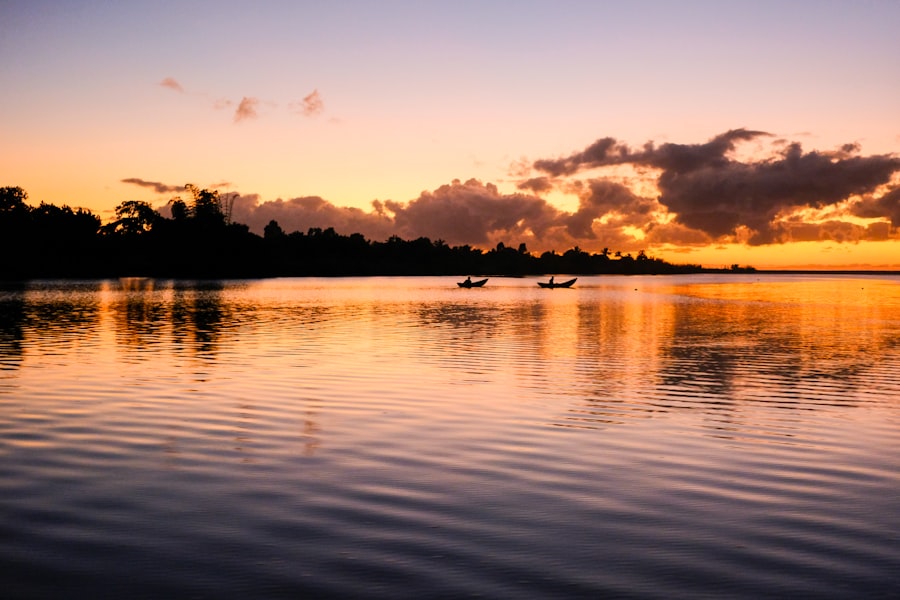
It was a total disaster. But I did not give up. I switched my camera to Manual mode, turned off the automatic flash, lowered my ISO to 100 to keep the image clean, and set my exposure compensation to negative. Suddenly, the magic happened. The dark beach turned into a beautiful, clean black silhouette, and the sky exploded with rich purple and orange hues. That failed moment taught me that controlling your camera is always better than letting the camera control you.
Step-by-Step Guide to Capturing the Perfect Silhouette
Now try this step-by-step technique during your next evening shoot. Silhouettes are a staple of premium Bora Bora sunset photography 2026 because they emphasize shape and color over distracting details.
Step 1: Find a Strong Subject
Look for a subject with a recognizable outline. An overwater bungalow, a lone palm tree leaning over the lagoon, or a couple holding hands on the dock work beautifully. The subject must stand between your camera lens and the brightest part of the sunset sky.
Step 2: Dial in Your Manual Settings
Set your camera to Manual (M) mode or Aperture Priority (A/Av) mode. Set your aperture to f/8. This middle-ground setting ensures that both your foreground subject and the distant clouds remain sharp and in focus.
Step 3: Force the Underexposure
Point your camera focus point at the brightest part of the sky (but not directly at the blazing sun). Use your exposure compensation dial to lower the exposure until your subject turns into a solid, dark silhouette. Your photos will look instantly dramatic, dramatic, and incredibly professional.
Must-Have Gear for Bora Bora Sunset Photography 2026
You do not need a truckload of gear, but having the right tools makes a massive difference. Here is what I recommend packing in your camera bag for your 2026 trip:
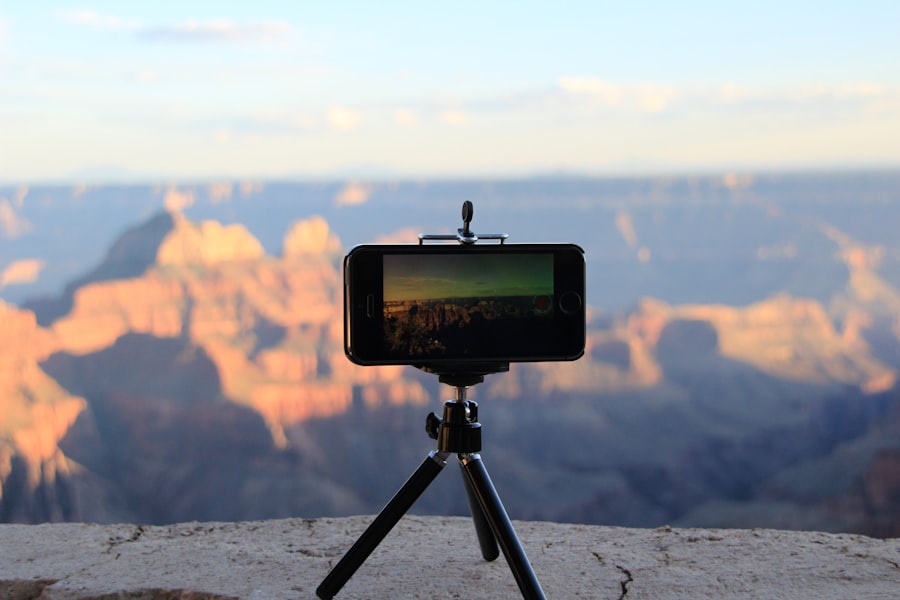
- A Sturdy Travel Tripod: As the sun goes down, your shutter speed will slow down to let in more light. Holding the camera with your hands will cause blurry images. A lightweight carbon fiber tripod is essential for those sharp, long-exposure shots of the fading light.
- A Circular Polarizer Filter: This is a special glass filter that screws onto your lens. It helps cut down on glare from the water, allowing the camera to see the beautiful coral reefs beneath the surface even during the golden hour.
- High-Quality Lenses: For landscapes, a wide-angle lens (like a 16-35mm) is perfect for capturing the vastness of the lagoon. If you are shooting with a modern mirrorless system, check out compatible lenses on the Sony Alpha or Canon RF lens database to find a sharp, weather-sealed option.
- Lens Cleaning Cloths: The salty ocean air in Bora Bora is humid and wet. A greasy smudge on your lens will scatter the sunset light and make your images look hazy and soft. Keep a microfiber cloth in your pocket at all times!
Advanced Techniques to Elevate Your Shots
If you want to take your Bora Bora sunset photography 2026 to the absolute next level, we need to talk about timing and movement. Do not pack up your camera gear the second the sun disappears behind the horizon. The best light, known as the afterglow or the blue hour, actually happens 15 to 20 minutes after the sun has set. During this time, the sky glows with deep blues, pinks, and purples, and the water becomes calm like a mirror.
Try a long exposure during this blue hour. Set your camera on your tripod, change your shutter speed to 10 or 20 seconds, and use a self-timer so your finger pressing the button does not shake the camera. The movement of the ocean waves will turn into a silky, dreamy fog, and the overwater bungalows will look like they are floating on a cloud. This technique creates a sense of peace and luxury that standard snapshots simply cannot match.
Don't forget to look behind you, too. While everyone else is staring at the sun, the light reflecting off the clouds behind you can paint Mount Otemanu in a soft, pastel pink light that is equally breathtaking.
With these tips, your Bora Bora sunset photography 2026 journey will be an absolute success. Get out there, experiment with your manual settings, embrace the creative process, and capture the tropical memories of a lifetime!
Frequently Asked Questions
What is the best time of year to photograph sunsets in Bora Bora in 2026?
The dry season from May to October offers the clearest skies, while November to April can bring dramatic clouds and intense colors, perfect for unique shots.
What camera settings are ideal for capturing Bora Bora sunsets?
Use aperture priority mode with a low ISO (100-200) and a mid-range aperture like f/8 to f/11 to keep both foreground and sky sharp. A shutter speed of 1/60s or slower may be needed as light dims, so a stable tripod is essential.
Which locations in Bora Bora offer the most photogenic sunset views for 2026?
Matira Beach, the west-facing shores of the main island, and elevated viewpoints like Mount Otemanu's base are top spots for unobstructed sunsets. Opt to photograph from a lagoon-facing overwater bungalow for classic Bora Bora shots.
Do I need special ND filters or a polarizer for sunset photography in Bora Bora?
A gradient neutral density (GND) filter helps balance the bright sky and darker lagoon, while a circular polarizer can enhance the water's clarity. For a sleek, long-exposure effect, use a 10-stop ND filter after the sun dips below the horizon.
Are there locally guided sunset photography tours that work best for small groups in 2026?
Yes, you can book private boat tours at the Vaitape pier; most locals are flexible, offering stops at lagoons with palm tree silhouettes at sunset. It's wise to book a few days ahead in February 2026, as weather patterns can shift, allowing guides to adjust schedules.

Camille Bernard shares travel photography tips for every kind of traveller, from phone snapshots to full kits. She breaks down light, composition and timing so you come home with photos that actually capture how a place felt.
💬 Comments (0)
No comments yet. Be the first!