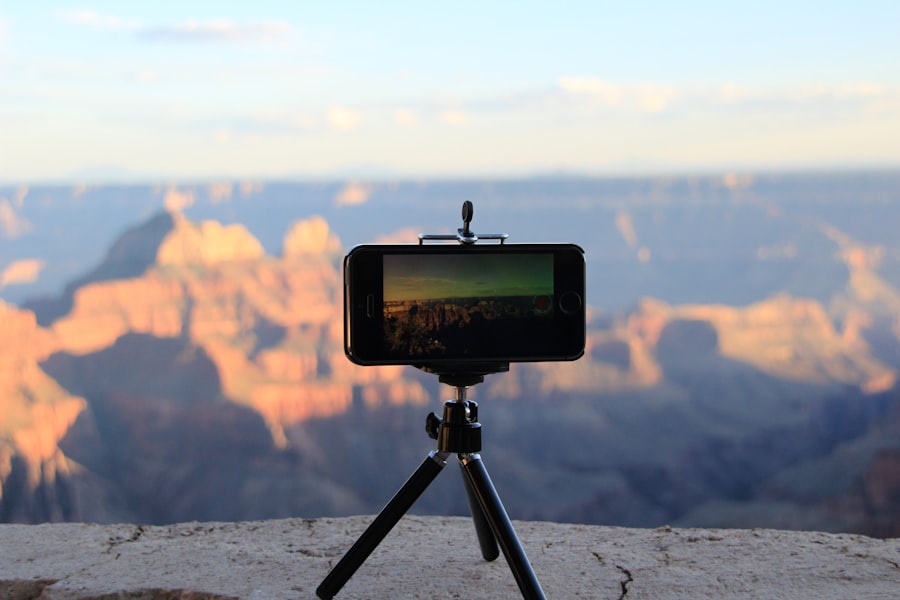

Best Travel Tripod 2026: Compact & Pro Picks
Choose the perfect travel tripod in 2026. Our guide compares compact, lightweight options for sharp landscape, night, and group photos on any trip.

Finding the best travel tripod 2026 is your first step towards capturing razor-sharp landscapes, creamy night skies, and professional-quality travel portraits. I've been there, struggling with shaky hands and missed sunsets, and I'll show you how the right support can unlock your camera's full potential. Your photos will look crisper, your compositions more deliberate, and your creative options will explode. Let's dive into what makes a tripod great for travel and how to use it to elevate your photography this year.
Why Your Gear Matters: More Than Just a Stand
A tripod isn't just a tool to hold your camera still. It's a creative partner that forces you to slow down and think. When you're not worrying about camera shake, you can focus on the finer points: perfecting the Rule of Thirds, managing your ISO for cleaner shots, and playing with long exposures. The secret is that stability breeds creativity. I promise, once you start using a reliable tripod, you'll see your travel photography improve overnight.
The Night I Almost Missed the Shot: A Personal Story
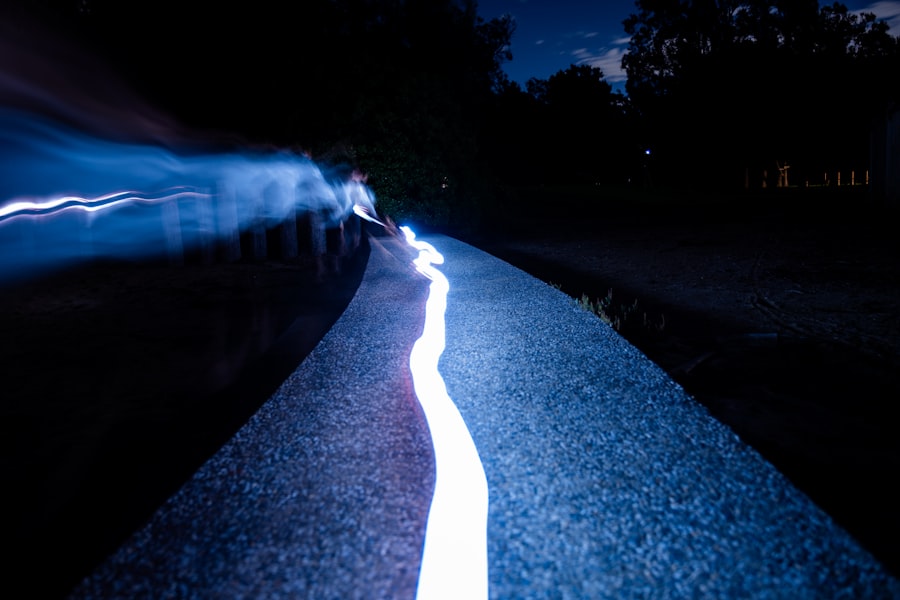
I was in the mountains, trying to capture the Milky Way. My handheld shots were a blurry mess, even at high ISO. Frustrated, I realized my cheap, flimsy tripod was vibrating in the wind. I had to fix it fast. I found a rock, used my bag to weigh down the tripod's center column, and switched my camera to a 2-second timer. Suddenly, my shots were sharp. The stars were pinpoint lights, and the foreground was detailed. That failure taught me that having the best travel tripod 2026 has to offer isn't a luxury—it's essential for the shots that matter.
What Makes a Tripod the Best Travel Tripod 2026?
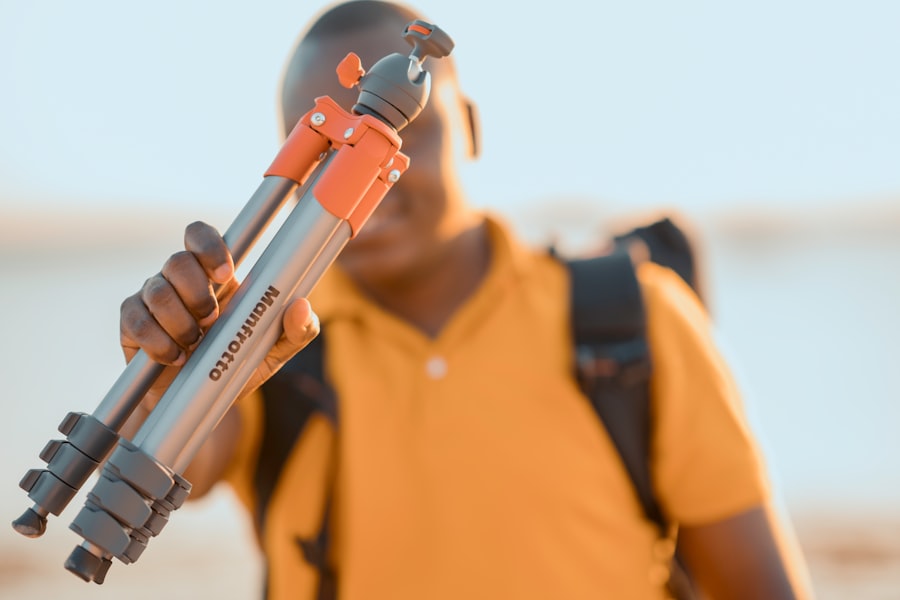
For 2026, the top contenders blend lightweight materials, compact folding sizes, and robust stability. First, let's look at the non-negotiables. You want something made of carbon fiber or high-grade aluminum—strong yet light. It should fold down to under 16 inches for easy packing. Pay attention to the load capacity; it must comfortably hold your camera and heaviest lens. Don't forget to check the leg locks and the head type. A ball head is versatile for most travel needs.
Key Features to Prioritize
Now try this: make a checklist. Weight under 4 pounds. Packed length that fits in your suitcase. A reversible center column for low-angle macros. A hook at the bottom to hang your bag for extra stability in wind. These features define the best travel tripod 2026 models that professionals seek out. It's about finding the perfect balance between portability and performance.
Mastering Your Camera with a Tripod
With your tripod set up, you can explore settings that are impossible handheld. This is where photography jargon becomes your friend, not a foe. Let's break it down simply.
Step-by-Step: From Wobbly to Wow
Follow this guide to get a perfect, stable shot every time.
- Extend the Legs: Start with the thickest sections first. Make sure all locks are secure.
- Level the Tripod: Use the bubble level if it has one, or adjust leg lengths on uneven ground.
- Attach Your Camera: Securely fasten it to the plate and click it into the head.
- Compose Your Shot: Use the Rule of Thirds grid in your viewfinder to position key elements.
- Set Your Exposure: Switch to Manual mode or Aperture Priority. Use a low ISO (like 100) for clarity. Choose a small aperture (like f/11) for deep focus.
- Eliminate Vibration: Use Exposure Compensation to fine-tune brightness, then activate your camera's timer or a remote shutter.
- Review and Adjust: Check your histogram and zoom in to ensure sharpness.
Photography Jargon Decoded
Let's clarify those terms so you can shoot with confidence. ISO is your camera's sensitivity to light; keep it low on a tripod. Bokeh is the beautiful blur in the background, achieved with a wide aperture—tripods let you use narrower apertures for opposite effect. Rule of Thirds is a composition guide dividing your frame into nine squares; place subjects where the lines intersect. Exposure Compensation (+/- button) brightens or darkens your shot without changing manual settings. RAW vs JPEG: RAW files contain all image data for flexible editing, while JPEGs are processed in-camera. For tripod work, shoot RAW to maximize quality, as recommended in Adobe's tutorials.
Must-Have Gear for 2026 Travel Photography
Your tripod is the cornerstone, but these items complete your kit. I've curated this list based on what will be essential in 2026.
- The Best Travel Tripod 2026 Model: Look for one with a quick-release plate and arca-swiss compatibility.
- Remote Shutter Release: Wireless or wired, to prevent any camera touch.
- Neutral Density (ND) Filter: For long exposures of waterfalls or crowds in daylight.
- Lens Cleaning Kit: Dust is a tripod shooter's enemy when changing settings.
- Backpack with Tripod Holder: For comfortable carry during long hikes.
Pro Tips for Tripod Use in the Field
The secret is in the details. Now try this: for ultra-sharp images, disable image stabilization when your camera is on a tripod. It can cause micro-vibrations. Don't forget to use live view to check focus, as it often gives a more accurate preview than the viewfinder. And always, always check your leg locks before walking away!
Cheat Sheet: The Golden Rule of Tripod Stability. Always extend the legs from the thickest section first, and only use the thin center column as a last resort. The lower and wider your setup, the sharper your shots.
Conclusion: Elevate Your Travel Photos in 2026
Investing time in selecting and using the best travel tripod 2026 will pay dividends in your image quality. It allows you to master technical skills like long exposure and focus stacking, and it encourages artistic growth. Remember, great travel photography isn't about having the most expensive camera; it's about using the right tools with knowledge. Start with a solid foundation, and watch your portfolio transform. For further technical details on camera compatibility, always refer to official specs like those for the Sony camera series or reviews on sites like DPReview. Now, get out there, set up your tripod, and create something amazing.

Matthias Weber digs into the craft of travel photography, from camera settings to editing. He explains the technical side in plain language so you can spend less time fiddling with dials and more time shooting.
💬 Comments (0)
No comments yet. Be the first!