Athens Historic Night Photography 2026 Guide
Learn how to ace Athens historic night photography 2026 with these camera settings for capturing illuminated ruins.
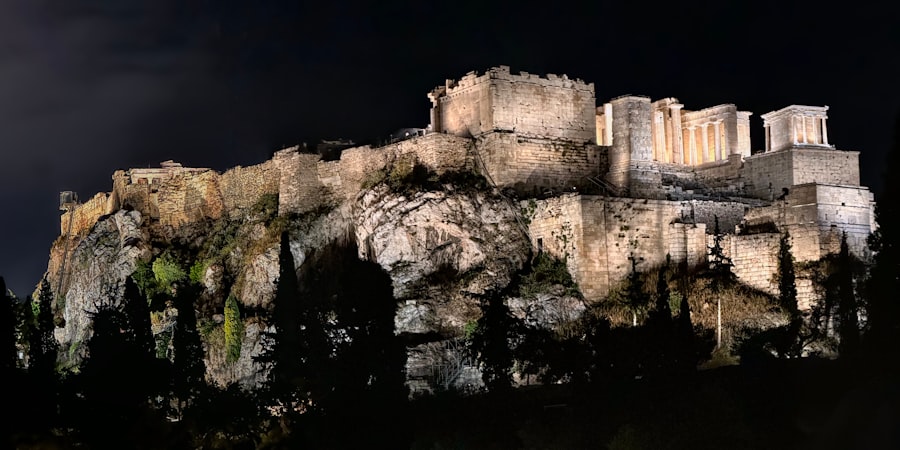
Mastering Athens historic night photography 2026 is one of the most rewarding challenges you can undertake as a travel photographer this year. There is something truly magical about watching the ancient cradle of Western civilization light up under a velvet Greek sky. When the sun goes down, the bustling modern city of Athens fades into the background, leaving the illuminated Parthenon, the ancient Agora, and the winding streets of Plaka to take center stage. But capturing this magic requires more than just pointing your camera and clicking the shutter.
I will show you how to navigate the unique challenges of night photography in this historic metropolis. Whether you are standing on Areopagus Hill looking out at the Acropolis or tucked away in a quiet alleyway, these tips will elevate your images from simple vacation snapshots to gallery-worthy art. Your photos will look sharp, vibrant, and full of mood once you master these simple techniques.
The Magic of Athens Historic Night Photography 2026
Night photography in a historic city like Athens is all about managing contrast. You are dealing with incredibly bright, artificially lit ancient monuments set against pitch-black skies and dark, shadowed ruins. If you rely on your camera's automatic mode, you will likely end up with blurry shots or blown-out highlights where the ancient marble looks like a glowing white blob.
That is why understanding your camera settings is crucial for successful Athens historic night photography 2026. In 2026, camera sensors are more powerful than ever, but they still need your guidance to interpret the scene correctly. By taking control of your exposure, you can capture the warm, golden glow of the floodlights reflecting off 2,500-year-old stone while keeping the deep blue of the twilight sky intact.
The Golden Rule of Night Photography: Always shoot in RAW format rather than JPEG. A RAW file saves all the uncompressed data captured by your camera sensor, giving you the power to recover hidden details in the dark shadows and bright highlights when you edit your photos later.
Essential Gear for Your Night Adventure
Before we head out into the Athenian night, let's talk about the gear you need to pack. You don't need the most expensive camera on the market, but a few key tools will make a massive difference in your image quality.
First, let's look at the must-have gear list:
- A Sturdy Tripod: This is non-negotiable. To keep your camera perfectly still during long exposures, you need a solid base.
- A Fast Prime Lens: A lens with a wide maximum aperture like f/1.8 or f/2.8 allows more light to reach your sensor.
- A Remote Shutter Release: Even the physical press of your finger on the shutter button can cause camera shake. A remote, or using your camera's built-in 2-second timer, solves this.
- Lens Cleaning Cloth: Athenian dust is real, and any smudges on your lens will create nasty flares when pointed at bright streetlights.
If you are looking to upgrade your setup before your trip, check out the latest mirrorless camera bodies on the official Sony camera specs page or browse through the expert reviews on DPReview to find the best low-light performer for your budget.
My Epic Night Photography Fail (And How I Fixed It)
Let me share a quick story from my early days of travel photography. Years ago, I climbed up Philopappos Hill for my very first attempt at Athens historic night photography 2026 style shots. I wanted to capture the Acropolis with the bustling traffic of the city swirling below. I set up my camera, left it on auto, and pressed the shutter.
The result? A grainy, blurry mess. The sky was a noisy gray, the Parthenon was completely overexposed, and the entire image lacked sharpness because my tripod was shaking in the wind. I felt incredibly frustrated and almost packed up my gear to go grab a gyros instead.
But instead of giving up, I took a deep breath and analyzed what went wrong. The secret is that I had let the camera make all the decisions. I switched my camera to Manual mode, lowered my ISO to its base level to eliminate the grain, closed my aperture to f/8 to get a deep depth of field, and extended my shutter speed to 15 seconds. I also hung my heavy camera bag from the center column of my tripod to stabilize it against the wind. When I pressed the shutter again, the difference was night and day. The Acropolis was perfectly sharp, the sky was a deep royal blue, and the city traffic below had transformed into beautiful, glowing ribbons of red and white light.
Step-by-Step Settings for Perfect Exposures
Now try this yourself. Follow this step-by-step guide to set up your camera for stunning night shots of the ancient monuments.
Step 1: Choose Your Shooting Mode
Turn your mode dial to Manual (M). This gives you full control over the three pillars of exposure: aperture, shutter speed, and ISO.
Step 2: Dial in the Recommended Settings
To get you started, here is a baseline of settings that work beautifully for Athens historic night photography 2026:
- ISO: 100 or 200. Keeping your ISO low prevents digital noise (grain) from ruining your dark skies.
- Aperture: f/8 to f/11. This range is the sweet spot for most lenses, ensuring your entire scene is sharp from the foreground to the background. It also turns bright streetlights into beautiful "starburst" shapes.
- Shutter Speed: 8 to 15 seconds. Because your ISO is low and your aperture is narrow, you need a long shutter speed to let enough light in.
- White Balance: Tungsten or Manual (around 3200K to 4000K). This keeps the warm floodlights from looking too yellow or orange.
Step 3: Refine with Exposure Compensation
If you find that the illuminated ruins are still looking a bit too bright, don't hesitate to use your Exposure Compensation dial to dial it down a notch. Underexposing the image slightly will help preserve those delicate highlights in the ancient marble. You can learn more about managing complex lighting scenarios by visiting the Adobe Lightroom tutorials page, which offers great guides on recovering shadow and highlight detail in post-processing.
Composition Techniques for Athenian Nights
Now that you know how to get a sharp, well-exposed image, let's talk about composition. This is what separates a standard travel postcard from a compelling piece of visual storytelling.
Using the Rule of Thirds
Don't just place the Acropolis dead center in your frame. Use the Rule of Thirds to create a more dynamic composition. Imagine your frame divided into a grid of nine equal rectangles. Place the horizon along the bottom third line, and position the glowing Parthenon at one of the intersecting points on the left or right side. This creates a sense of balance and guides the viewer's eye through the entire image.
Creating Beautiful Bokeh in the Streets of Plaka
While the grand monuments demand sharp details from front to back, the narrow streets of the Plaka district offer a great opportunity to play with creative focus. Turn your aperture to its widest setting (like f/1.8) and focus on a foreground subject, like a colorful tavern sign or a blooming bougainvillea branch. The distant streetlights and restaurant lanterns will blur into soft, glowing circles of light, a beautiful effect known as Bokeh. This adds a romantic, dreamlike atmosphere to your Athens historic night photography 2026 portfolio.
Using Leading Lines
The ancient paved pathways winding around the base of the Acropolis serve as perfect leading lines. Position your camera low to the ground to emphasize the texture of these historic stones, letting the pathway curve from the bottom of your frame up toward the illuminated ruins in the distance. This draws the viewer into the scene and creates a powerful sense of depth.
Your Athenian Night Awaits
Now you have the knowledge, the settings, and the creative techniques to capture the timeless beauty of Athens after dark. Don't forget to pack your patience, dress warmly for the cool evening breeze on the hills, and take a moment to look step away from the viewfinder and simply enjoy the view. With these tips in mind, your journey into Athens historic night photography 2026 will yield incredible images that you will cherish for a lifetime. Happy shooting!
Frequently Asked Questions
What is the best time for night photography in Athens in 2026?
The best time is during the late spring or early autumn when the weather is mild, and the blue hour aligns with historical landmarks.'s soft golden sunlight can be ideal for stunning urban shots.
Are tripods allowed at major archaeological sites in Athens at night?
Generally, no tripod permits are granted for photography after hours at key sites like the Acropolis, unless part of an organized tour with special permission.
Which iconic spots are most accessible for night photography in Athens city center?
The Acropolis and its surroundings, Monastiraki Square, Panathenaic Stadium, and Syntagma Square are accessible, though the archaeological hill requires a separate walking path at night.
What camera settings should be used for shooting the Acropolis under artificial lighting in 2026?
A slow ISO (100-200), aperture around f/8 to f/11, and a bulb or long exposure of 10-30 seconds, possibly with AEB, work well to prevent overexposure while capturing streaks.
Is there a special night tour focused on photography in Athens during 2026?
Yes, there are 'NightPhoto Athens' workshops arranged on full-moon nights, offering guided access to quiet ruins and technical setup, but they require booking in advance.

Matthias Weber digs into the craft of travel photography, from camera settings to editing. He explains the technical side in plain language so you can spend less time fiddling with dials and more time shooting.
💬 Comments (0)
No comments yet. Be the first!