Angkor Wat Sunrise Photography 2026 Guide
Master your Angkor Wat Sunrise Photography 2026 sessions with these pro exposure settings, composition tips, and gear secrets.
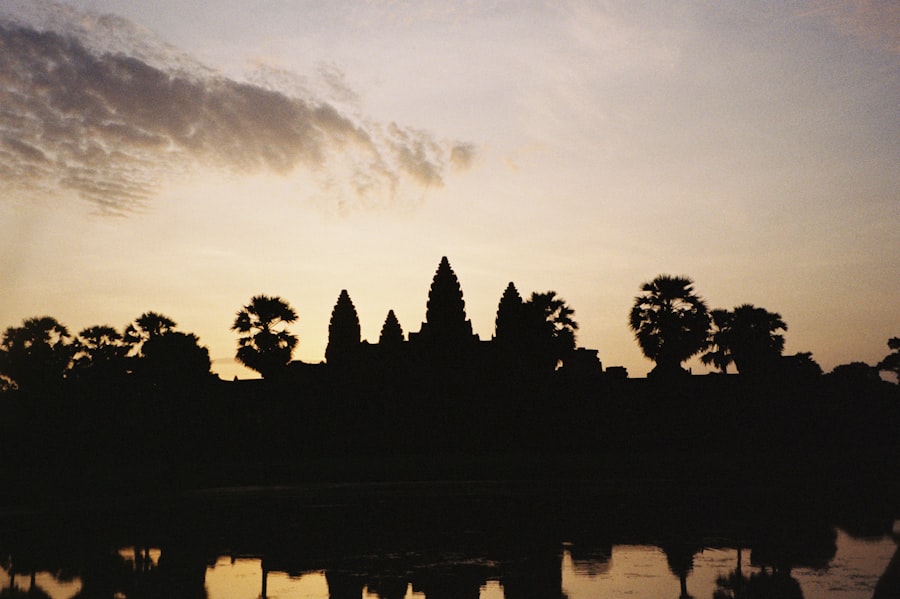
Mastering your Angor Wat Sunrise Photography 2026 session requires preparation, patience, and a few insider secrets to capture the iconic reflection of the ancient temple towers in the lotus ponds. I still remember my very first attempt at this shot years ago. I arrived late, stumbled through the dark, and set my camera to automatic mode. The result? A blurry, grainy mess because my camera tried to compensate for the darkness by raising the ISO too high, creating digital noise that ruined the details. I want to make sure you do not make those same mistakes, which is why I have put together this ultimate guide to elevate your travel portfolio in 2026.
The Magic of Angkor Wat at Dawn
There is a reason why thousands of travelers flock to this UNESCO World Heritage site in Cambodia every single year. The way the sun rises directly behind the central towers of Angkor Wat during the equinoxes is a visual spectacle unlike any other. But to capture this beauty, you need to understand how to control your camera manually rather than relying on automatic settings.
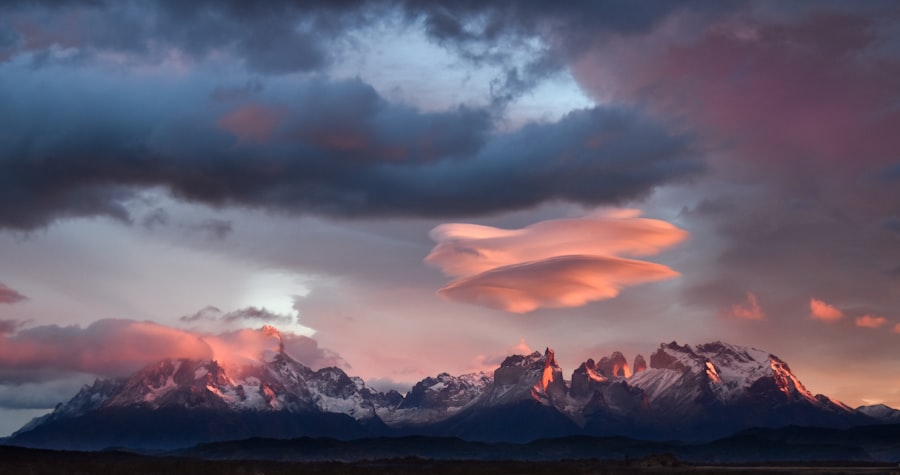
First, let's look at the atmosphere. Before the sun actually peeks over the horizon, you will experience the blue hour. This is when the sky glows with deep blues and purples. Many photographers make the mistake of waiting until the sun is fully up, but the blue hour is actually the best time to capture moody, ethereal reflections. Your Angor Wat Sunrise Photography 2026 adventure starts long before the first ray of light hits the stone carvings.
Essential Camera Gear for 2026
You do not need the most expensive camera on the market, but you do need the right tools to handle low-light conditions. Here is my curated list of must-have gear for your morning shoot at the temple.
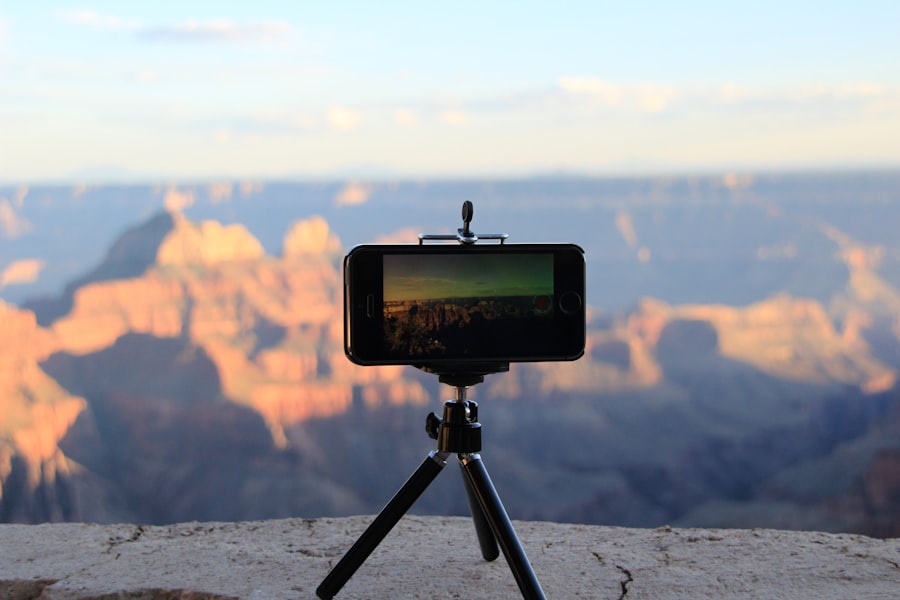
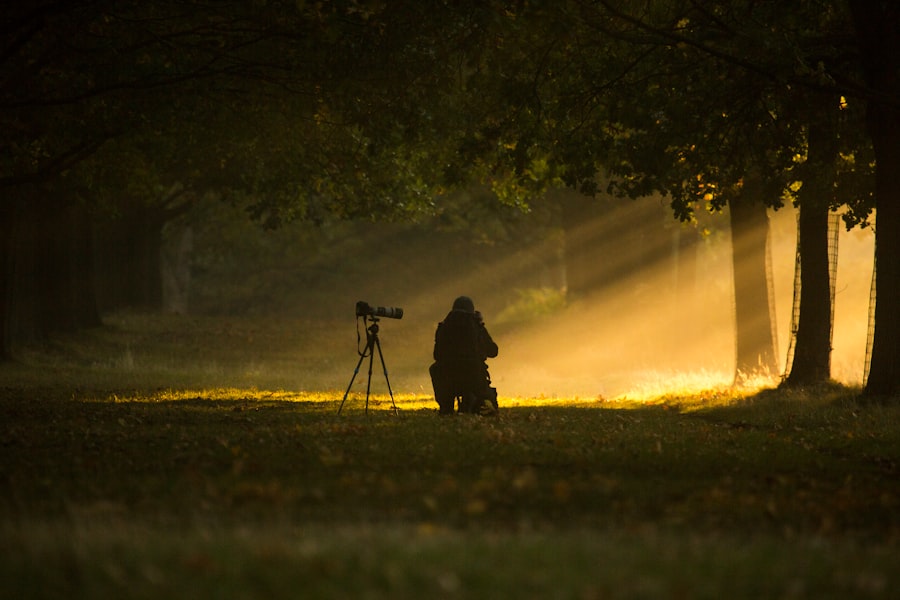
- A Sturdy Tripod: This is non-negotiable. You will be shooting with long shutter speeds in the dark, and any camera shake will blur your image.
- A Wide-Angle Lens: A 16-35mm lens is perfect for capturing the massive scale of the temple and its reflection in the pond.
- A Telephoto Lens: A 70-200mm lens will help you zoom in on the intricate carvings and monks walking through the temple grounds.
- Lens Cleaning Cloth: The morning humidity in Cambodia can cause your lens to fog up instantly. Keep a microfiber cloth handy in your pocket.
For more details on choosing the right gear, check out the latest camera sensor comparisons on DPReview to see how your camera handles dynamic range.
Your Step-by-Step Guide to the Perfect Shot
Now, let's walk through the actual process of setting up your camera on-site. Follow these steps, and your photos will look like they belong in a travel magazine.
Step 1: Arrive Early and Claim Your Spot
The gates to the outer enclosure open at 5:00 AM. You want to be through those gates and standing by the left reflection pond by 5:15 AM. Use a headlamp to navigate the uneven stone pathways safely.
Step 2: Switch to RAW Format
The secret to professional editing is shooting in RAW vs JPEG. A JPEG file compresses the image data, throwing away valuable information in the dark shadows and bright highlights. A RAW file preserves all the data captured by your camera sensor, allowing you to recover dark shadows and bright skies later in programs like Adobe Lightroom.
Step 3: Dial in Your Manual Settings
First, set your ISO to 100. ISO controls your camera sensor's sensitivity to light. A low ISO ensures your images are clean and free of grain. Next, set your aperture to f/8 or f/11. This sweet spot ensures that both the temple in the background and the lotus flowers in the foreground are sharp and in focus. Finally, adjust your shutter speed to balance the exposure. In the pre-dawn darkness, your shutter speed might be 10 or 20 seconds long.
The Golden Rule of Angkor Wat Sunrise Photography 2026: Always prioritize your tripod and manual focus. In low light, autofocus will struggle to lock onto the dark temple silhouette. Switch your lens to Manual Focus (MF), turn on your camera's live view screen, zoom in digitally on the temple towers, and twist the focus ring until the stone edges are perfectly sharp.
Understanding Photography Jargon
To truly master Angor Wat Sunrise Photography 2026, you need to understand how light works. Let's break down the key concepts you will use on location.
The Exposure Triangle: ISO, Aperture, and Shutter Speed
Think of your exposure as a bucket of water. To fill the bucket perfectly, you can open the tap wide for a short time, or open it slightly for a long time. In photography, your aperture is how wide the tap is open, and your shutter speed is how long it stays open. ISO is the sensitivity of the bucket itself. Balancing these three elements is key to a perfect exposure.
Composition and the Rule of Thirds
Now try this: turn on the grid lines on your camera screen. The Rule of Thirds divides your frame into nine equal rectangles. Place the horizon along the bottom third grid line to give the colorful sky more prominence. Position the central tower of Angkor Wat where the grid lines intersect to create a balanced, visually pleasing composition. If you want a perfect reflection shot, you can break this rule and place the horizon directly in the middle to create perfect symmetry.
Using Exposure Compensation to Avoid Silhouettes
As the sun rises behind the temple, your camera's light meter will get confused by the bright sky and turn the temple into a solid black silhouette. If you want to see the details in the stone carvings, use your Exposure Compensation button (the little +/- icon) to intentionally overexpose the image by one or two stops. This tells the camera to let in more light, revealing the beautiful textures of the ancient sandstone.
Recommended Settings for Sunrise
Here is a quick-reference guide to input into your camera as the light changes during your Angor Wat Sunrise Photography 2026 shoot.
- Blue Hour (5:15 AM - 5:45 AM): ISO 100, Aperture f/8, Shutter Speed 10s to 30s, Manual Focus, RAW format.
- Golden Hour (5:45 AM - 6:15 AM): ISO 100, Aperture f/11, Shutter Speed 1/10s to 1/100s, Exposure Compensation +1.
- Creative Portrait (Bokeh Effect): Switch to your telephoto lens, set your aperture to f/2.8 or f/4 to create a shallow depth of field, which gives you that beautiful, blurry background (Bokeh) behind a subject like a local monk.
Before and After: The Power of Manual Control
Let's look at a quick comparison to see why these settings matter. In a typical "Before" scenario using automatic mode, the camera gets fooled by the bright sky, sets a high ISO of 3200, and fires a fast shutter speed. The resulting image has a noisy, grainy sky, and the temple is a dark, detail-less blob.
In the "After" scenario using my recommended Angor Wat Sunrise Photography 2026 manual workflow, the camera sits on a sturdy tripod at ISO 100. With a 15-second shutter speed, the camera captures the smooth, glass-like reflection of the water, preserves the vibrant pinks and oranges of the sky, and allows you to pull out the gorgeous details of the historic carvings during post-processing. You can learn more about managing these high-contrast scenes in the Adobe Lightroom Tutorials.
Don't forget to pack extra camera batteries and an empty memory card the night before. Angkor Wat is a magical place, and with these tips in your creative toolkit, you are fully prepared to capture stunning, professional-grade images that you will cherish forever. Happy shooting!
Frequently Asked Questions
What is the best time to photograph sunrise at Angkor Wat in 2026?
The best time is between 5:00 and 6:00 AM, ideally from November to March when dry skies prevail.
Do I need a special photography pass or permit for sunrise photos?
No special permit is needed; your standard Angkor Wat temple pass is sufficient for sunrise photography.
What camera settings work best for Angkor Wat sunrise?
Use a low ISO, aperture around f/8-f/11, and a slow shutter speed – use a tripod to avoid camera shake.
Where is the iconic reflection pond viewpoint located?
It is in front of the main temple, to the left of the main causeway – arrive early to secure your spot.
Can I use a drone at Angkor Wat for aerial shots?
No, drones are strictly prohibited within the Angkor Archaeological Park.

Camille Bernard shares travel photography tips for every kind of traveller, from phone snapshots to full kits. She breaks down light, composition and timing so you come home with photos that actually capture how a place felt.
💬 Comments (0)
No comments yet. Be the first!