Sofia Travel Guide 2026: Local Tips
This complete Sofia Travel Guide 2026 helps you discover Bulgaria's rich history, top local eats, and hidden budget gems.
Welcome to your ultimate Sofia Travel Guide 2026, where ancient history meets a vibrant, modern European lifestyle under the watchful eye of Vitosha Mountain. If you are planning a trip to the Bulgarian capital this year, you are in for a wonderful surprise. Sofia is one of Europe's oldest cities, yet it feels incredibly youthful, dynamic, and budget-friendly. Whether you are a history buff, a foodie, or an outdoor enthusiast, this guide will help you navigate the city like a true local.
As we step into 2026, Sofia has become increasingly popular on Booking.com for its highly rated boutique hotels, yet it still remains blissfully free of the massive tourist crowds found in Western Europe. Let us dive into everything you need to know to make your trip unforgettable.
Top Things to Do in Sofia in 2026
Sofia is a city where you can literally walk over Roman ruins while shopping for modern fashion. The city center is compact, making it incredibly easy to explore on foot. To help you plan your itinerary, here is a curated list of experiences you absolutely cannot miss.
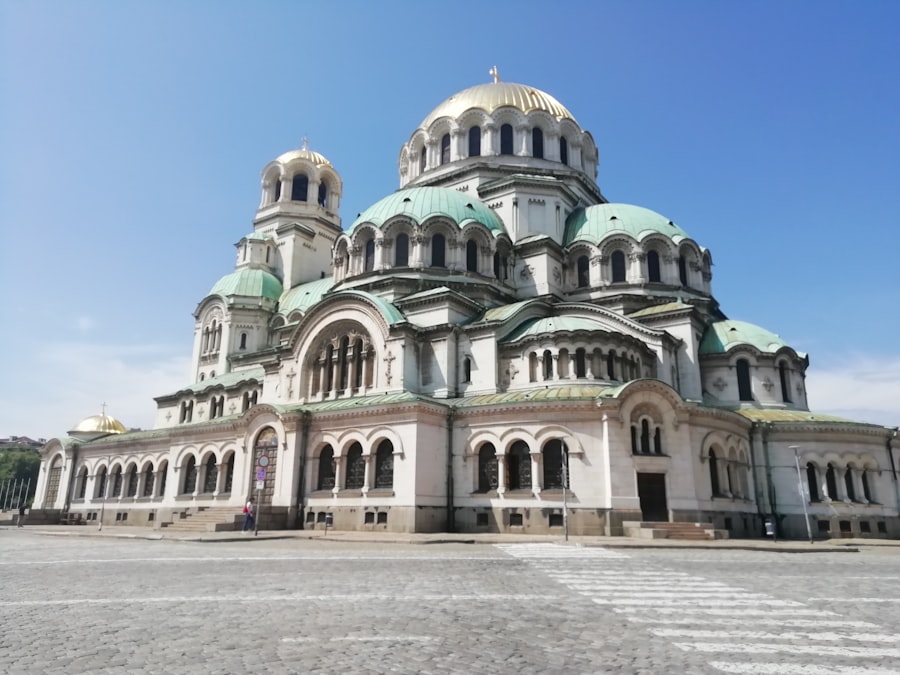
- Alexander Nevsky Cathedral: This massive gold-domed cathedral is the undisputed symbol of the city. Built in the neo-Byzantine style, its interior is filled with dark, atmospheric frescoes and glittering chandeliers. Entrance is free, though you will need to pay a small fee to take photos.
- The Red Flat: If you want to understand Bulgaria's recent history, this immersive museum is a must-visit. It is a preserved 1980s apartment where you can sit on the sofa, look through family photo albums, and listen to an audio guide explaining what daily life was like during the Communist era.
- The Ancient Serdica Archaeological Complex: Located right in the middle of the main metro station, this open-air museum showcases the remains of the ancient Roman city of Serdica. You can walk along 4th-century brick streets completely free of charge.
- Vitosha Boulevard: This bustling pedestrian street is lined with cafes, bars, and shops. On a clear day, you will get a stunning, uninterrupted view of Vitosha Mountain rising up at the end of the boulevard.
- Boyana Church: Located on the outskirts of the city, this UNESCO World Heritage site features stunning 13th-century frescoes that are incredibly well-preserved. I recommend you take public transit here early in the morning to beat the tour buses.
If you are wondering about the best way to structure your days, this Sofia Travel Guide 2026 recommends spending at least three full days in the city. This gives you two days to explore the urban center and one full day to head up into the mountains.
Money-Saving Secret: Do not buy individual transit tickets if you plan to travel around the city. Instead, buy a Sofia Card or use your contactless bank card directly at the metro turnstiles and on buses. The system automatically caps your daily spending at 4 Bulgarian Lev (about 2.05 Euros), giving you unlimited rides for the day.
How to Get Around the Bulgarian Capital
Moving on to transportation, Sofia boasts one of the most efficient and affordable public transit networks in Eastern Europe. You will find that you rarely need to take taxis, but if you do, there are a few important rules to keep in mind.
The Sofia Metro Network
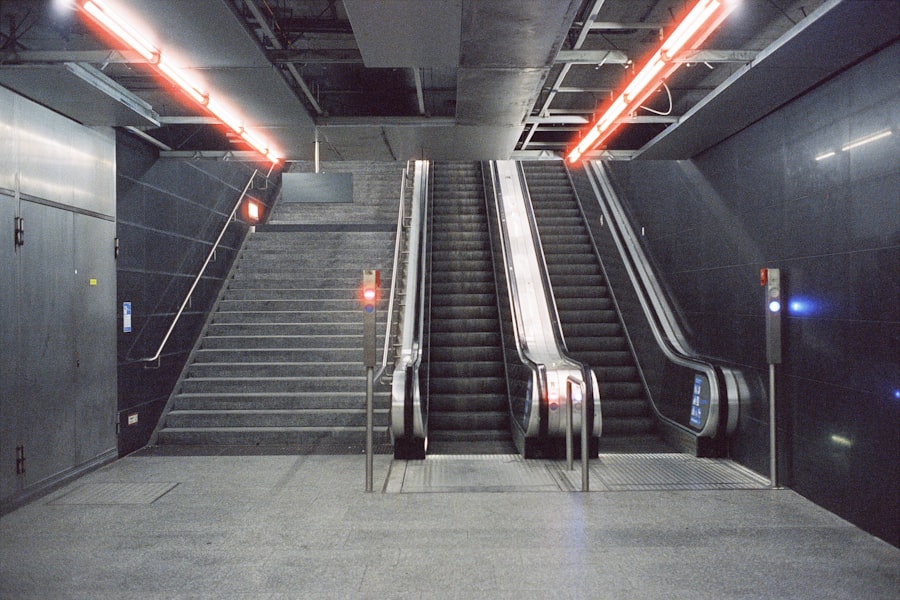
The metro system is clean, safe, and very easy to navigate. Line M2 connects the Sofia Airport directly to the city center (Serdika Station) in just 25 minutes. Tickets cost 1.60 Lev (around 0.80 Euros). The trains run from 5:00 AM until midnight, making it the most reliable way to get to your accommodation upon arrival.
Buses, Trams, and Trolleybuses
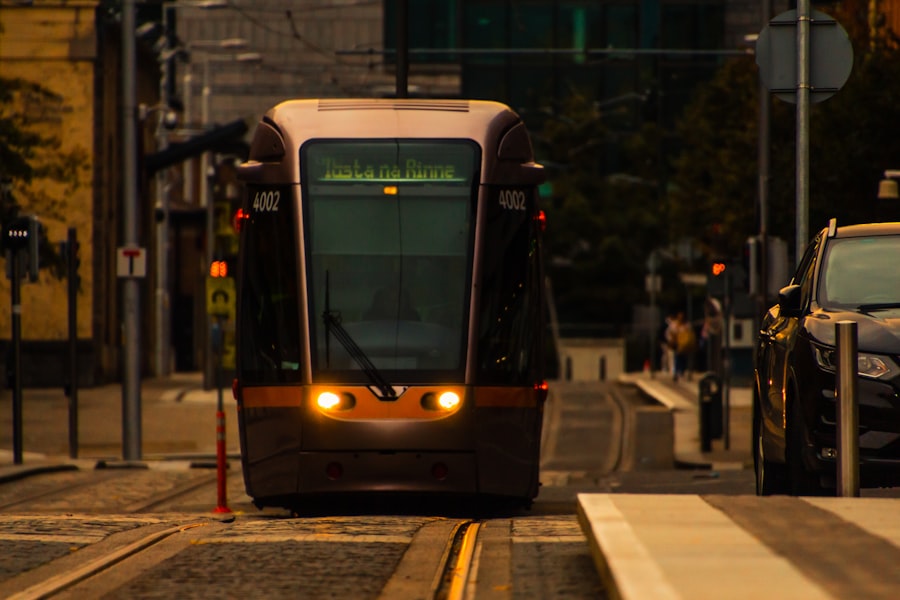
For destinations not covered by the metro, the city's iconic yellow trams and modern electric buses fill the gaps. Tram Line 10 is particularly scenic, taking you through the lush Borisova Gradina park. You can check real-time schedules on the official Sofia Urban Mobility Center website, which is highly integrated with Google Maps for easy navigation.
Taxis and Ride-Hailing
If you need a direct ride, do not wave down random taxis on the street, as some unlicensed drivers may overcharge tourists. Instead, use local ride-hailing apps like Yellow! Or Taxime. A typical ride across the city center should cost between 8 to 15 Lev (4 to 8 Euros).
A Quick Transport Guide
- Metro Line M2: Airport to city center (Serdika). Cost: 1.60 Lev.
- Tram Line 10: Scenic route through the city and parks.
- Yellow! App: The safest way to book a registered taxi.
- Lime and Spark: Electric scooters and electric car-sharing options available throughout the downtown core.
Where to Eat: Traditional Bulgarian Cuisine and Trendy Cafes
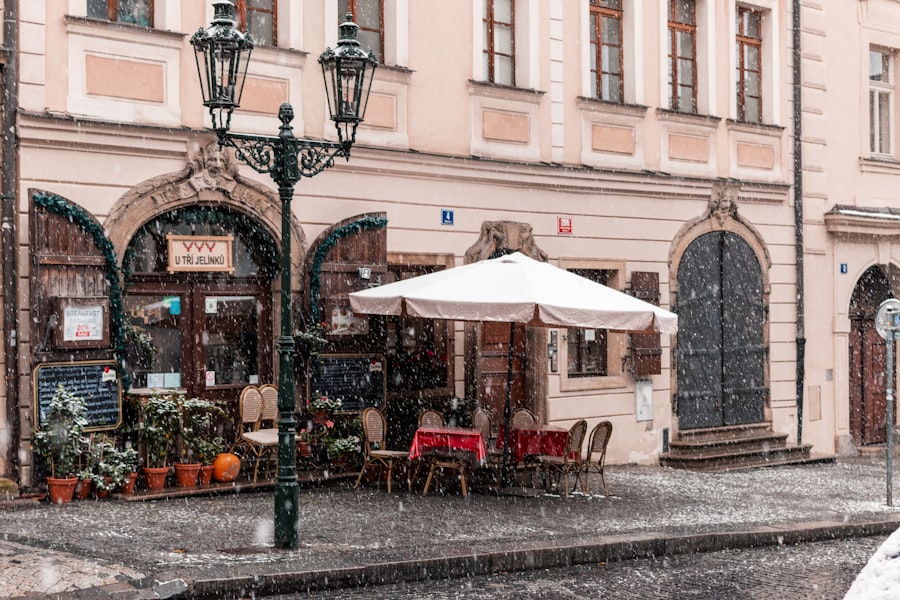
Now let's talk about food. Bulgarian cuisine is a delicious mix of Balkan, Greek, and Turkish influences. It is hearty, packed with fresh vegetables, and incredibly affordable compared to Western European capitals. According to top TripAdvisor reviews, the local culinary scene has exploded with creative fusion restaurants in 2026.
When using this Sofia Travel Guide 2026, make sure to seek out these traditional dishes:
- Supa Star: A fantastic, budget-friendly spot specializing in traditional Bulgarian soups, including Shkembe Chorba (tripe soup) and Tarator (cold cucumber and yogurt soup).
- Moma Bulgarian Food & Wine: Located in a beautiful multi-story house, this restaurant offers a modern take on traditional dishes like Shopska Salad and Kavarma (a slow-cooked clay pot stew).
- Sito Bakery: The perfect place to grab a morning Banitsa (flaky filo pastry filled with sirene cheese) along with a glass of Ayran (a salty yogurt drink).
- The Little Things: A cozy, bohemian restaurant hidden in a courtyard near the Sveti Sedmochislenitsi Church, offering great vegetarian options and local wines.
Pro tip for you: Bulgarian meals are meant to be enjoyed slowly. When you order a Shopska salad, it is customary to pair it with a shot of Rakia, the local grape or plum brandy. Take your time, sip it slowly, and enjoy the lively atmosphere around you.
Best Neighborhoods to Stay and Explore
If you're wondering about where to book your accommodation, Sofia has several distinct neighborhoods, each with its own unique vibe. Booking your stay in the right area will make your experience much more enjoyable.
Oborishte: The Trendy and Leafy District
This is Sofia's upscale, artistic neighborhood. It is filled with beautiful early 20th-century architecture, embassies, trendy coffee shops, and excellent restaurants. It is incredibly safe and quiet, yet only a 10-minute walk from the Alexander Nevsky Cathedral. It is highly recommended for couples and foodies.
The Center (around Vitosha Boulevard)
If you want to be in the middle of all the action, search for hotels near Vitosha Boulevard. You will be steps away from the major ruins, shopping centers, and nightlife spots. Keep in mind that this area can get a bit noisy on weekend nights due to the high concentration of bars.
Lozenets: A Quiet Green Escape
Located just south of the center, Lozenets is a residential neighborhood built on a hill. It is home to beautiful parks, upscale apartment buildings, and great views of the mountain. It is connected to the center via the metro, making it a peaceful base for families.
Essential Local Tips for Your 2026 Trip
To wrap up this Sofia Travel Guide 2026, let us look at some practical tips that will save you time, money, and awkward cultural misunderstandings.
First, be aware of the body language. In Bulgaria, shaking your head side-to-side actually means "yes," while nodding up and down means "no." It takes some getting used to, so when in doubt, listen to the verbal words "Da" (yes) and "Ne" (no).
Second, do not buy bottled water. Sofia is famous for its natural hot mineral springs. You can bring a reusable bottle to the Central Mineral Baths area in the city center and fill it up with warm, drinkable mineral water directly from the public brass taps for free.
Finally, make sure you have some cash. While almost every restaurant, supermarket, and museum in Sofia accepts contactless card payments, you will still need cash (Bulgarian Lev) for small souvenir stalls, public toilets, and tips for tour guides.
Sofia is a city that rewards curious travelers. I highly recommend you take your time exploring its hidden courtyards, vibrant street art, and welcoming cafes. Use this Sofia Travel Guide 2026 to navigate the city, and you are guaranteed to fall in love with this Balkan gem.
Frequently Asked Questions
What is the best time to visit Sofia in 2026?
The best time is late spring (May-June) or early autumn (September-October) when weather is mild and crowds are thinner. Summer can be hot, and winters are cold but charming for festive markets.
Is Sofia budget-friendly for travelers?
Yes, Sofia is one of the most affordable capitals in Europe, with low costs for food, transport, and accommodation. You can enjoy a good meal for under $10 and use the metro for less than $1.
What local dishes should I try in Sofia?
Don't miss shopska salad, banitsa (cheese pastry), and kavarma (slow-cooked meat stew). Pair them with local Bulgarian wine or rakia (fruit brandy) for an authentic taste.
What is the best way to get around Sofia?
The metro is fast, cheap, and covers major sights, while walking is ideal for the center. Avoid renting a car due to traffic and limited parking; use taxis or rideshare apps.
Are there any hidden gems near Sofia?
The Vitosha Mountain is just a short bus ride away, offering hiking and panoramic views, and Boyana Church is a quieter, must-see UNESCO site stunning murals. Ask locals for secret bars in the old city courtyards.

Lars Lindgren puts together detailed guides to cities and regions, drawing on his own travels to flag the things worth your time. He focuses on clear, honest advice that holds up once you are actually on the ground.
💬 Comments (0)
No comments yet. Be the first!