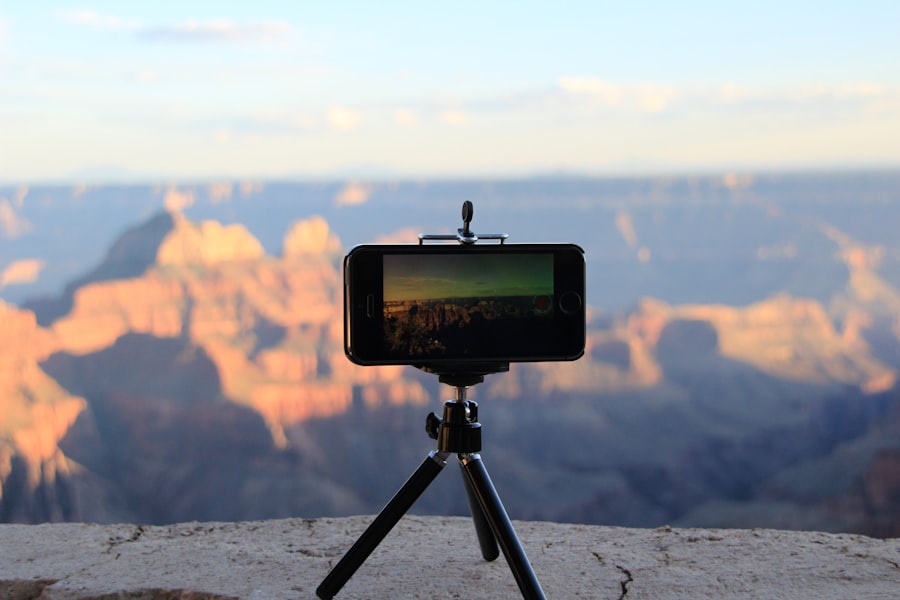
Venice Cityscape Photography 2026 Guide
Learn how to capture stunning canals and historic architecture with our Venice cityscape photography 2026 guide for travelers.
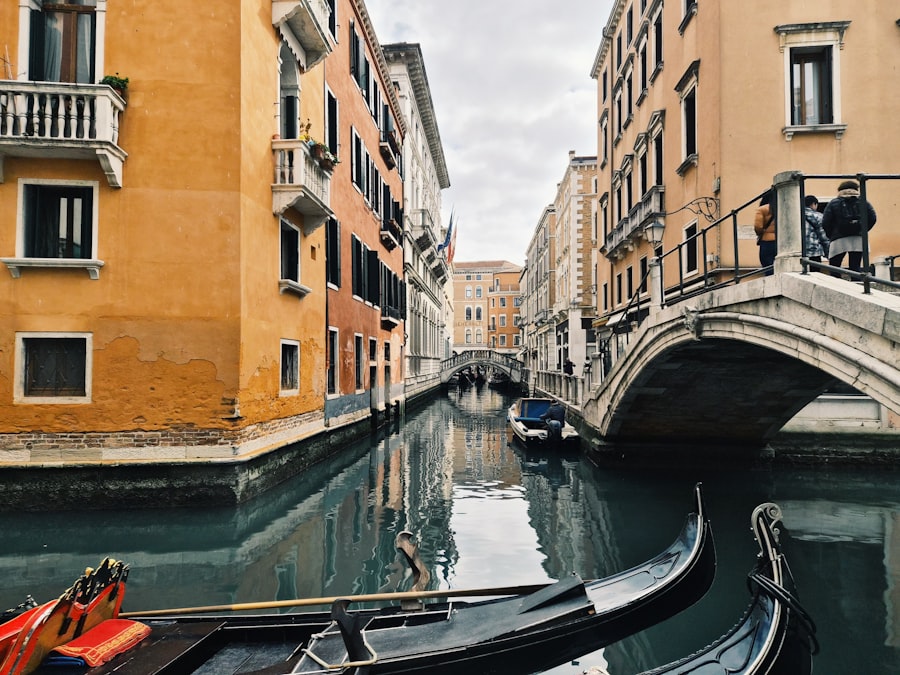
Mastering Venice cityscape photography 2026 is all about capturing the timeless magic of the floating city while navigating its modern, bustling streets. As your photography coach, I want to help you move beyond simple snapshots of gondolas. Together, we will transform your travel images into breathtaking pieces of art that tell a story. Whether you are using a professional mirrorless camera or a smartphone, this guide will elevate your skills and prepare you for your creative journey this year.
The Evolution of Venice Cityscape Photography 2026
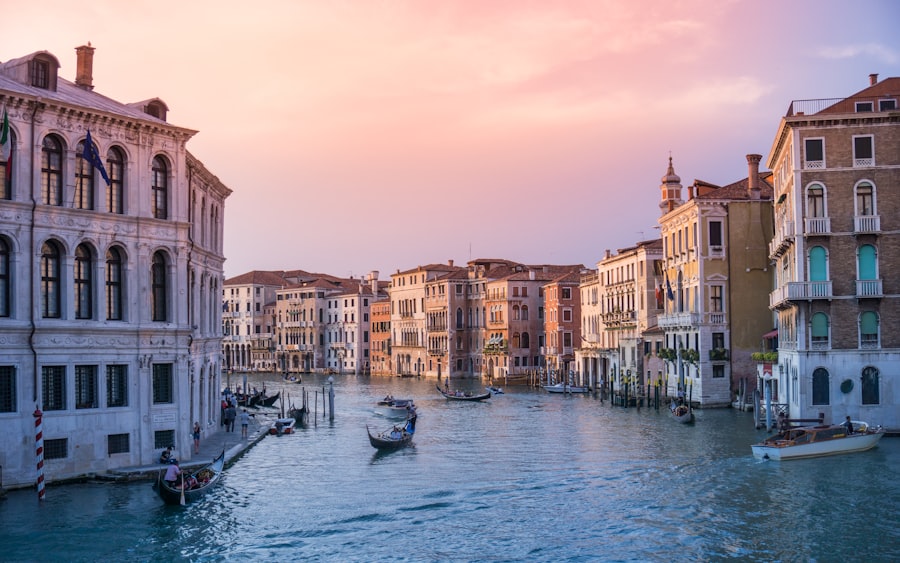
Venice is changing, and so is the way we photograph it. In 2026, the city has implemented new visitor regulations to preserve its fragile beauty. This means our approach to Venice cityscape photography 2026 must be smarter, more respectful, and highly strategic. The secret is to beat the crowds by embracing the blue hour and sunrise, when the light is soft and the canals are perfectly still.
I learned this lesson the hard way during my first trip to the Rialto Bridge. I arrived at noon, set up my tripod, and snapped what I thought would be a masterpiece. The result? A messy, overexposed image cluttered with delivery boats and tourists squinting in the harsh midday sun. My highlights were completely blown out, and the water looked like mud. First, let us look at how I fixed this: I returned at 5:30 AM the next day. The water was like a dark green mirror, the sky glowed with a soft pink hue, and I had the entire bridge to myself. That is the magic we are going to capture on your trip.
Essential Camera Gear for the Floating City
To capture stunning images, you need the right tools in your bag. While you do not need the most expensive gear on the market, having a versatile setup will make a massive difference in your final results.
Must-Have Gear List
- A Wide-Angle Zoom Lens: A 16-35mm lens is perfect for tight canal corners and massive plazas. For industry-leading optics, check out the latest mirrorless lenses on the Sony Official Site.
- A Sturdy Lightweight Tripod: Essential for long exposures during the blue hour and sunrise.
- Neutral Density (ND) Filters: These act like sunglasses for your lens, allowing you to blur the water even in broad daylight.
- A Comfortable Camera Strap: You will be walking miles over stone bridges, so comfort is key.
The Golden Rule of Venice Photography: Always shoot in RAW format rather than JPEG. RAW files preserve all the data captured by your camera sensor, giving you the power to rescue dark shadows and bright highlights during editing.
Mastering Camera Settings and Terminology
Before we step out onto the cobblestones, let us demystify some essential photography jargon. Knowing how these settings interact is your ticket to creative freedom.
First, let us talk about ISO, which controls your camera sensor's sensitivity to light. A lower ISO (like 100) ensures the cleanest image quality, while a higher ISO (like 3200) helps you shoot in the dark but adds digital noise. Next is Bokeh, which is the beautiful, soft blur in the out-of-focus areas of your image. You get this by using a wide aperture like f/1.8 or f/2.8.
To keep your horizons straight and your compositions balanced, we use the Rule of Thirds. Imagine your screen split into a grid of nine equal rectangles; place your main subjects, like a distant church tower, along these lines or at their intersections. Finally, when the bright reflections off the canals trick your camera into making the image too dark, use Exposure Compensation to manually brighten or darken your shot with the turn of a dial.
Recommended Camera Settings
- File Format: RAW (for maximum editing flexibility)
- Shooting Mode: Aperture Priority (A or Av) or Manual (M)
- Aperture: f/8 to f/11 for sharp cityscapes, f/2.8 for soft bokeh portraits
- ISO: 100 (base) to 1600 (low light)
- White Balance: Daylight or Cloudy (or Auto if shooting RAW)
Step-by-Step Guide to Your First Masterpiece
Now try this step-by-step method to capture a classic Venetian canal scene with silky-smooth water and glowing lights.
Step 1: Find Your Vantage Point
Locate a quiet bridge overlooking a canal that faces east or west. The Accademia Bridge offers an iconic view of the Santa Maria della Salute church, which is a prime location for Venice cityscape photography 2026.
Step 2: Stabilize Your Camera
Set up your tripod securely on the bridge. Avoid placing it in the middle of pedestrian walkways to keep fellow travelers happy. Turn off your lens image stabilization when your camera is mounted on a tripod to prevent internal vibrations.
Step 3: Dial in Your Settings
Set your camera to Manual mode. Choose an aperture of f/9 to ensure the entire scene from the foreground gondolas to the distant church is tack-sharp. Set your ISO to 100. If you want to learn more about balancing these settings, explore the comprehensive guides on DPReview.
Step 4: Use a Long Exposure
To get that dreamy, glassy water look, you need a slow shutter speed of 2 to 10 seconds. If it is too bright outside, screw on your ND filter. Use a 2-second shutter delay timer so your hand pressing the button does not shake the camera.
Step 5: Compose and Shoot
Apply the Rule of Thirds. Place the canal line leading from the bottom corner of your frame toward the church in the upper third. Check your exposure histogram, adjust your Exposure Compensation if needed, and press the shutter.
Before and After: Bringing Your Images to Life
The magic of Venice cityscape photography 2026 does not end when you click the shutter. Post-processing is where your personal style shines. Let us look at a typical "Before and After" scenario to see what is possible with software like Lightroom.
The Before: You captured a shot of the Bridge of Sighs at dusk. Out of the camera, the image looks flat. The ancient stones look gray, the water is a dull green, and the glowing streetlamps look like overexposed white blobs.
The After: First, you open the RAW file. You boost the shadows to reveal the intricate stone carvings under the bridge. Next, you lower the highlights to bring back the warm, golden glow of the streetlamps. Finally, you adjust the white balance to enhance the deep blue of the twilight sky. Your photo is no longer just a document of a place; it is an emotional, romantic experience. To master these adjustments, you can follow tutorials directly on the Adobe Lightroom Support Page.
Advanced Tips for Capturing the Soul of Venice
Now that you have the basics down, I want you to push your creative boundaries. The secret to standout Venice cityscape photography 2026 is looking where others do not. Instead of just shooting at eye level, crouch down low to the water's edge to capture reflections of colorful palazzos. Look for puddles after a rainstorm in Saint Mark's Square to create perfect, symmetrical reflection shots.
Don't forget to look for human elements too. A solitary figure walking through a misty alleyway adds scale and a sense of mystery to your cityscapes. Your photos will look far more powerful when they evoke a feeling of quiet solitude in this ancient stone maze.
With these techniques, your journey into Venice cityscape photography 2026 will yield incredible, professional-quality images that you will be proud to display on your walls. Pack your bags, respect the local culture, and let your creativity guide you through the historic canals.
Frequently Asked Questions
What are the best locations for Venice cityscape photography in 2026?
The Rialto Bridge, St. Mark's Square, and the Accademia Bridge are top spots. For unique views, try the gondola-packed canals early morning.
When is the ideal time of year to photograph Venice cityscapes in 2026?
Spring (April-May) and autumn (September-October) offer soft light and fewer crowds. Carnival in February adds vibrant colors.
What photography gear is recommended for Venice cityscape shoots in 2026?
A wide-angle lens (16-35mm) and a sturdy tripod are essential. Don't forget neutral density filters for long exposures on canals.
How do I capture the iconic canals without people in 2026?
Shoot before sunrise (5-6 AM) when the city wakes up. Many alleys and arches work well too.
Are there any new restrictions for photography in Venice in 2026?
Tourist guides must register, but casual photography remains free. Just avoid tripods in super crowded zones.

Matthias Weber digs into the craft of travel photography, from camera settings to editing. He explains the technical side in plain language so you can spend less time fiddling with dials and more time shooting.
💬 Comments (0)
No comments yet. Be the first!