Cape Town Coastal Photography 2026 Guide
Master Cape Town coastal photography 2026 with our expert guide to capturing dramatic ocean shores and golden cliffs.
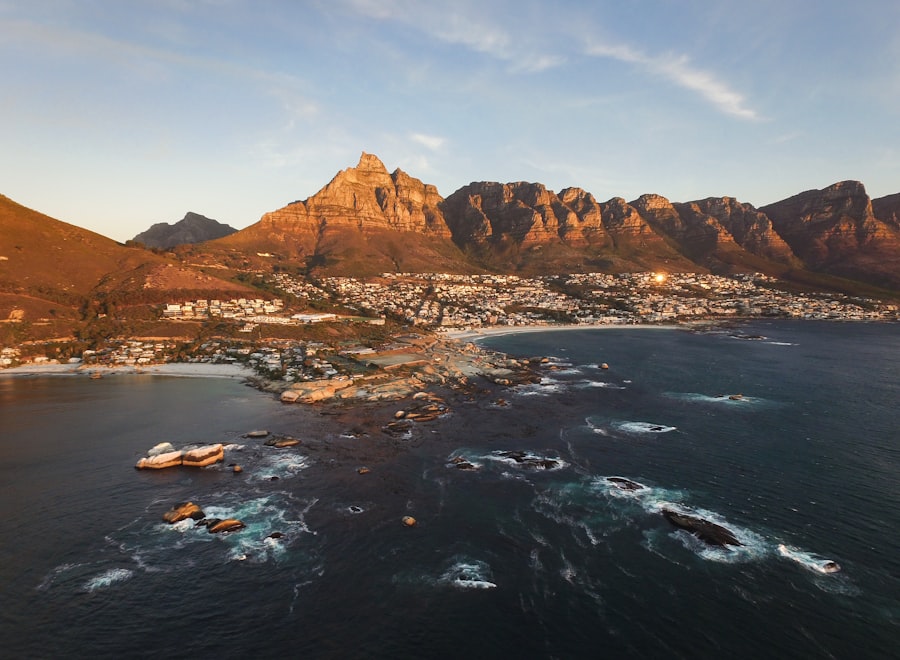
Mastering Cape Town coastal photography 2026 is one of the most rewarding adventures you can embark on as a landscape photographer this year.
With its dramatic collisions of mountain and ocean, the Cape Peninsula offers a visual playground unlike anywhere else on Earth. But capturing these world-class views requires more than just pointing your camera and clicking. As your photography coach, I am here to guide you through the changing coastal light, the rugged terrain, and the technical settings you need to transform your ordinary snapshots into breathtaking gallery prints. Whether you are standing on the white sands of Camps Bay or the windswept cliffs of Cape Point, let us unlock the true potential of your camera together.
Why Cape Town Coastal Photography 2026 Demands a New Approach
The Atlantic Seaboard and the False Bay coastline are famous for their intense, high-contrast light. In 2026, camera sensor technology has reached incredible heights, but the fundamental physics of coastal light remain the same. The secret is learning how to balance the bright sea spray with the deep shadows of the Table Mountain sandstone cliffs.
Many photographers struggle with the sheer scale of these landscapes. They capture a vast horizon, but the final image feels flat and uninspiring. To fix this, we must look beyond basic snapshots and focus on composition, timing, and mastering your camera settings. Let us dive into the core concepts that will elevate your Cape Town coastal photography 2026 portfolio.
Coastal Photography Golden Rule: Always prioritize protecting your highlights. In coastal environments, the white foam of crashing waves can easily become overexposed, losing all detail. Use your histogram to ensure your whites are not clipping!
Understanding Your Camera Settings (Jargon Busting)
Before we head out to the beaches, let us quickly demystify the essential camera settings you will need to master. Don't worry if you are a beginner; I will explain these terms simply so you can use them with confidence.
- ISO: This measures your camera sensor's sensitivity to light. A lower ISO (like ISO 100) means less digital noise and cleaner images, which is perfect for bright daytime coastal shots.
- Bokeh: This refers to the soft, out-of-focus background blur created when you use a wide aperture. It is perfect for isolating a beautiful seashell or a coastal flower against the ocean.
- Rule of Thirds: Imagine your frame divided by two horizontal and two vertical lines. Placing your horizon or main subject along these lines creates a much more balanced and pleasing composition.
- Exposure Compensation: This handy button (marked with a +/- sign) tells your camera to make the image brighter or darker than what its automatic meter suggests. It is vital for handling tricky reflections on wet sand.
- RAW vs JPEG: Always shoot in RAW! While JPEG files are compressed and processed by your camera, RAW files preserve all the data captured by your sensor. This gives you maximum flexibility when editing your Cape Town coastal photography 2026 images in software like Adobe Lightroom.
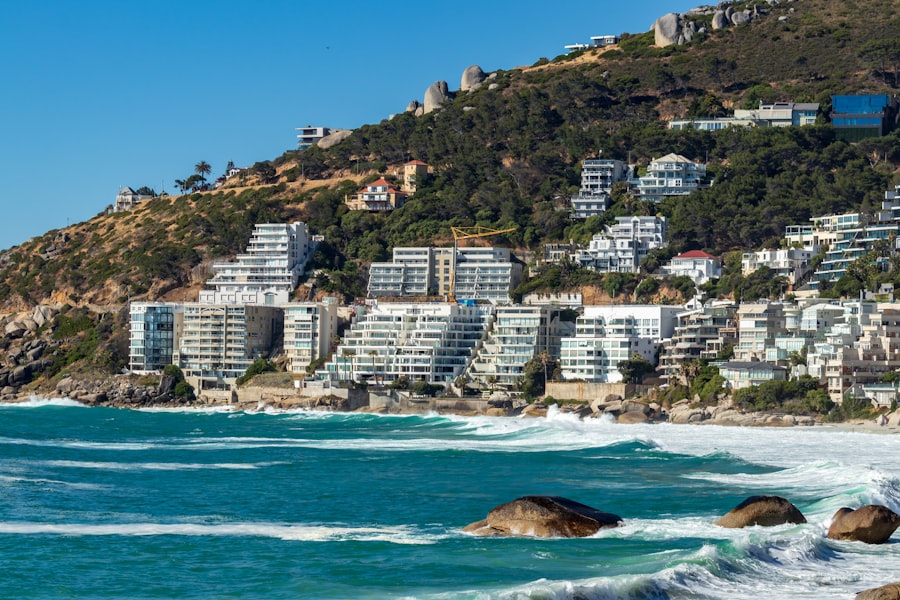
Step-by-Step Guide to Capturing a Perfect Cape Sunset
Step 1: Arrive Early and Scout Your Foreground
First, let's look at your composition before the sun starts to set. Do not just stand on the beach and shoot at eye level. Walk around the rocks at Llandudno or Windmill Beach. Look for leading lines, such as a channel of water or a chain of boulders, that guide the viewer's eye from the front of the frame toward the horizon.
Step 2: Dial in Your Baseline Settings
Now try this: mount your camera on a sturdy tripod to avoid camera shake. Turn your camera dial to Manual mode or Aperture Priority. Set your ISO to 100 for the cleanest possible image quality. Choose an aperture between f/8 and f/11; this sweet spot ensures that both your foreground rocks and the distant mountains remain sharp.
Step 3: Control the Motion of the Water
The secret is managing your shutter speed. If you want to freeze the dramatic power of a wave crashing against the ocean rocks, use a fast shutter speed like 1/1000th of a second. If you want that dreamy, misty water effect, use a slow shutter speed of 2 seconds or more. To achieve this during the golden hour, you may need a Neutral Density (ND) filter to block some of the light entering your lens, similar to sunglasses for your camera. You can learn more about how different lenses handle these light dynamics on expert sites like DPReview.
Step 4: Execute the Shot and Review
Don't forget to use a 2-second self-timer or a remote shutter release. When you press the shutter button with your finger, you introduce tiny vibrations that can blur your image. Once the photo is taken, zoom in on your LCD screen to check the sharpness of your foreground details.
A Personal Story: My Failed Attempt at Diaz Beach
Let me share a quick story about a mistake I made that completely changed how I approach Cape Town coastal photography 2026. A few years ago, I hiked down the steep steps to Diaz Beach at Cape Point. The wind was howling, and the waves were massive. I was so excited by the raw power of the ocean that I just started shooting wildly in JPEG mode, using my camera's fully automatic settings.
When I got home and opened the files on my computer, I was devastated. The bright white sea spray was completely blown out with zero detail, and the dramatic cliffs of Cape Point were nothing but dark, black silhouettes. The camera's light meter had been fooled by the bright sky, resulting in terrible exposure.
To fix this on my next trip, I switched my camera to RAW format. I lowered my ISO, used exposure compensation to darken the image slightly to protect the highlights, and planned to lift the shadows later during editing. The difference was night and day! The new photo captured the rich textures of the dark cliffs and the delicate patterns of the sea foam perfectly. This experience proved that understanding your gear is just as important as finding a beautiful location.
Essential Gear and Settings for Your Coastal Shoot
To make your Cape Town coastal photography 2026 experience seamless, you need the right tools for the job. Here is a quick checklist of the gear you should pack and the settings you should start with.
- Sturdy Tripod: The Cape winds can be fierce. A heavy-duty tripod is essential for keeping your camera still during long exposures.
- Circular Polarizer Filter: This magic filter cuts through glare on the water surface and makes the beautiful turquoise colors of the Atlantic Ocean pop.
- Microfiber Cloths: Salt spray will get on your lens. Keep several clean cloths in your bag to wipe your lens elements frequently.
- Wide-Angle Lens: A focal length between 16mm and 24mm on a full-frame sensor is ideal for capturing the vast scale of the Cape coastline. Check out the latest lens options on the official Sony website.
Must-Have Camera Settings Cheat Sheet
- Shooting Mode: Manual (M) or Aperture Priority (A/Av)
- Image Format: RAW
- ISO: 100 (or lowest native setting)
- Aperture: f/8 to f/16 for maximum depth of field
- Focus Mode: Single-point Autofocus (AF-S) focused on the foreground
- White Balance: Daylight or Cloudy (to warm up the coastal sunset tones)
Putting It All Together for Your 2026 Portfolio
Now that you have the knowledge and the tools, it is time to get out there and practice. Cape Town coastal photography 2026 is all about patience and adapting to the elements. Don't be discouraged if your first few photos do not look perfect. Every professional photographer you admire has a hard drive full of blurry, poorly exposed shots. The key is to keep experimenting with your shutter speeds, keep exploring new compositions, and enjoy the incredible beauty of the South African coast.
Grab your camera bag, check the tide tables, and go capture the magic of the Cape coastline. Your next masterpiece is just a shutter click away!
Frequently Asked Questions
What are the best locations for coastal photography in Cape Town in 2026?
Top spots include Chapman's Peak, Boulders Beach, and Signal Hill for diverse coastline views.
What equipment should I bring for coastal photography in Cape Town?
Bring a DSLR with wide-angle and telephoto lenses, a sturdy tripod, and polarizing filters.
Are there any seasonal considerations for 2026 coastal photography?
Yes, the best months are October to March for summer sun and clear skies.
Where can I find sunset photography spots along Cape Town's coast?
Popular sunset spots are Chapman's Peak, Sunset Beach, and the area around Hout Bay.
What permits or permissions are needed for coastal photography in Cape Town?
Permits are required for certain reserves like Table Mountain National Park; check park websites for details.

Camille Bernard shares travel photography tips for every kind of traveller, from phone snapshots to full kits. She breaks down light, composition and timing so you come home with photos that actually capture how a place felt.
💬 Comments (0)
No comments yet. Be the first!