Canyonlands Astrophotography 2026: A Pro Guide
Learn essential Canyonlands astrophotography 2026 techniques. Discover the best settings to capture the dark desert night skies.
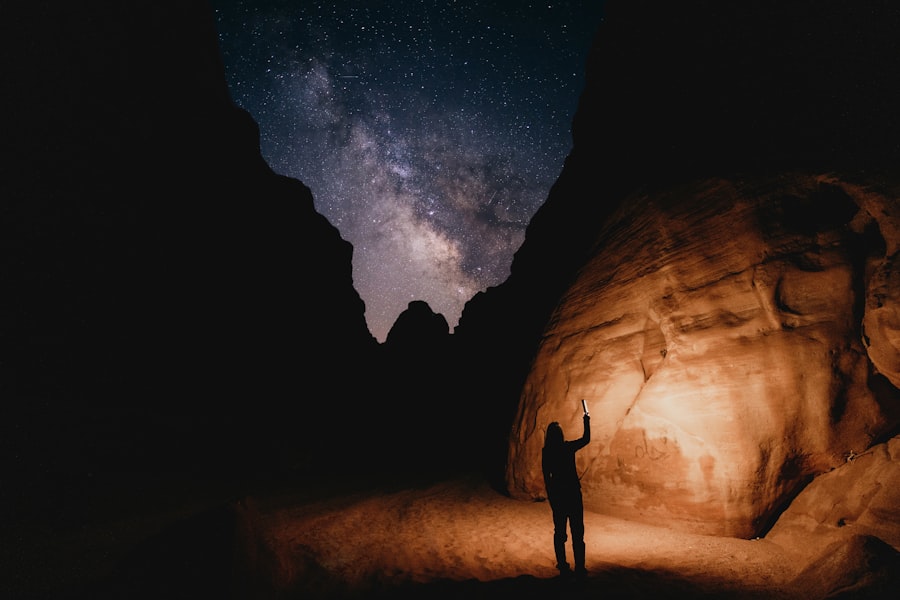
Canyonlands astrophotography 2026 is an adventure that every landscape photographer needs to experience at least once.
When I first stood on the edge of Mesa Arch, the sheer scale of the Utah wilderness felt overwhelming. I remember my first attempt at capturing the Milky Way back in the day; my images were blurry, noisy, and frankly, disappointing. I had forgotten to turn off my image stabilization, and my focus was slightly off. Today, I am going to teach you how to master Canyonlands astrophotography 2026 so you can avoid those rookie mistakes and come home with portfolio-grade imagery.
The Gear You Need for Success
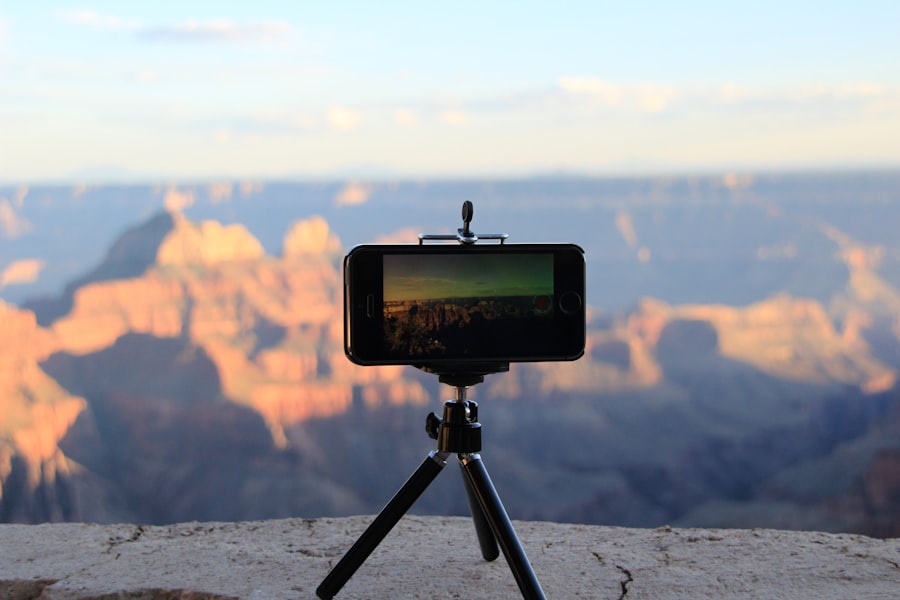
To succeed at night, you need equipment that can handle low light. Think of your camera as a bucket catching light; in the dark, you need a wide aperture to let in as much as possible. Canyonlands astrophotography 2026 requires gear that is reliable in harsh, desert environments.
Must-have Gear List
- Full-frame camera body with high ISO performance (check the latest camera sensor reviews).
- A wide-angle lens with an aperture of f/2.8 or wider.
- A sturdy tripod that will not shake in the desert wind.
- A remote shutter release or a built-in intervalometer to prevent camera shake.
- Extra batteries, as cold desert nights drain power faster than you expect.
Understanding the Technical Fundamentals
Before you hit the trail, let us demystify the technical jargon. ISO refers to your sensor sensitivity; high ISO settings make your camera more sensitive to light, but they can introduce digital grain or noise. Exposure Compensation is your way of telling the camera to brighten or darken an image, but in manual night shooting, you will control this via your shutter speed and aperture.
You must always shoot in RAW format. Unlike JPEG, which compresses your photo and loses data, RAW files keep all the original information from the sensor. This gives you the flexibility to recover details in the shadows of the canyon walls during post-processing. If you want to see how to manipulate these files, check out this professional post-processing workflow.
Golden Rule of Astrophotography: Always use manual focus and zoom in on a bright star on your LCD screen to ensure the star appears as a tiny, sharp point. If it looks like a soft blur, your focus is off.
Step-by-Step: Capturing the Desert Sky
Now that you have your gear, let us look at the practical application of Canyonlands astrophotography 2026 in the field.
The Workflow Guide
- Arrive before sunset to scout your composition. Look for interesting rock formations to provide a foreground anchor.
- Set your camera to Manual Mode (M) to take full control of the light.
- Open your lens aperture as wide as possible, such as f/2.8.
- Set your shutter speed based on the 500 Rule: divide 500 by your lens focal length to find the longest exposure time before stars begin to trail.
- Adjust your ISO. Start at 3200 and increase if the sky is too dark, but watch for excessive digital noise.
Recommended Settings for Canyonlands Astrophotography 2026
- Mode: Manual (M)
- Aperture: f/2.8 (or your lens widest setting)
- Shutter Speed: 15 to 25 seconds (depending on focal length)
- ISO: 1600 to 6400
- White Balance: Manual (set to 3500K to 4000K for a cool blue night look)
- Focus: Manual (Live View zoom to verify)
Solving the Composition Puzzle
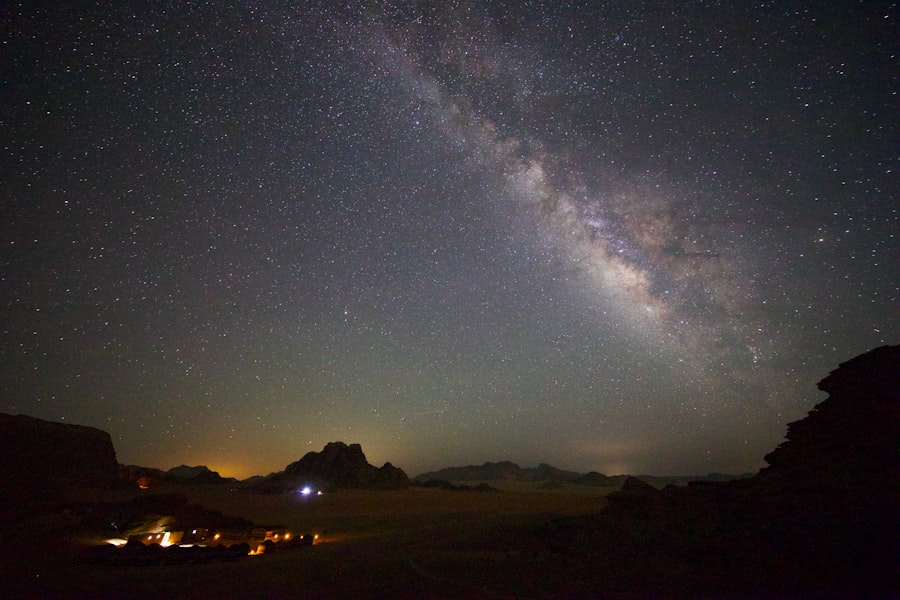
A common mistake I see beginners make is ignoring the foreground. A photo of just stars can be boring. Use the Rule of Thirds to place your key rock formation off-center. When you incorporate the massive cliffs of the canyon as a frame, you create a sense of depth and scale that makes the image pop. In Canyonlands astrophotography 2026, the goal is to make the viewer feel like they are standing there with you.
If you find your image looks too flat, try using a very subtle amount of "light painting." Use a dim headlamp to quickly sweep across the foreground rocks during the long exposure. This creates a soft, natural look that mimics moonlight without ruining the atmosphere of the night sky. Remember, the goal is to create a sense of wonder, not a stage production.
Final Pro Tips for 2026
Canyonlands astrophotography 2026 is as much about patience as it is about camera settings. You will have nights where the clouds roll in, or the wind makes your tripod vibrate. Do not get discouraged! That is simply part of the learning process. I once spent four hours waiting for a gap in the clouds at Mesa Arch, only to have the sky clear for exactly sixty seconds. Those sixty seconds gave me the best shot of my entire career.
When you are back home, spend time in your editing software playing with the white balance and the exposure settings of your RAW files. Your photos will look drastically different once you learn to pull the details out of those deep shadows. Keep practicing, keep checking your focus, and keep exploring. The beauty of the Utah desert is waiting for you to capture it in 2026. If you follow these steps, you will master the art of Canyonlands astrophotography 2026 in no time.
Frequently Asked Questions
What is the best time of year for Canyonlands astrophotography in 2026?
The best time is during the new moon phases from March to October 2026, when the Milky Way core is most visible.
Do I need a permit for astrophotography in Canyonlands?
No permit is needed for standard nighttime photography, but commercial or workshop activities require a special use permit.
What camera settings work best for Canyonlands night skies?
Use a wide aperture (f/2.8 or lower), high ISO (3200-6400), and a shutter speed of 15-25 seconds to minimize star trails.
Are there any stargazing events at Canyonlands in 2026?
Yes, the park hosts annual night sky programs; check the NPS calendar for 2026 dates closer to the year.
How can I avoid light pollution in Canyonlands?
Visit remote areas like the Needles or Island in the Sky districts, and avoid full moon nights for darker skies.
Matthias Weber digs into the craft of travel photography, from camera settings to editing. He explains the technical side in plain language so you can spend less time fiddling with dials and more time shooting.
💬 Comments (0)
No comments yet. Be the first!