Soca River nature photography 2026 Guide
Learn Soca River nature photography 2026 with pro settings to capture crystal turquoise waters and alpine forests.
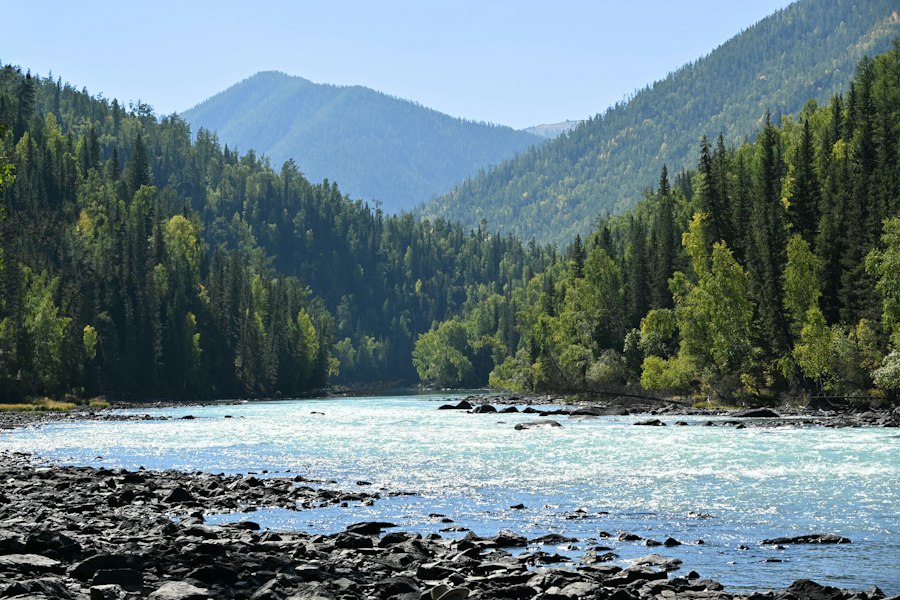
Welcome to your ultimate manual for mastering Soca River nature photography 2026, where I will help you capture the incredible emerald waters of Slovenia like a seasoned professional photographer.
Why Soca River Nature Photography 2026 is Your Ultimate Goal
The Soca River, known as the Emerald Beauty, offers some of the most dynamic water landscapes in all of Europe. First, let's look at why this river captivates creators worldwide. The glacial waters flow over white limestone rocks, creating a vivid turquoise color that almost looks fake on a screen. But when you shoot Soca River nature photography 2026 techniques correctly, your photos will look rich, natural, and breathtaking without requiring hours of extreme editing.
As your visual photography coach, I want to make sure you step up your game this year. The secret is knowing how to handle high-contrast scenes where bright rocks meet dark pine forests under soft alpine light. Whether you shoot with a full-frame mirrorless camera or a reliable DSLR, mastering light and shutter speed here will transform your portfolio.
Essential Photography Gear and recommended Settings
Before you hike down to the river banks in Kobarid or Trenta, you need the right tools in your bag. You do not need thousands of dollars in new gear, but a few specific items will make a world of difference for your images.
Must-Have Gear for Alpine Rivers
- Solid Carbon Fiber Tripod: You need stable footing in wet, rocky riverbeds to shoot slow shutter speeds.
- Circular Polarizer (CPL): This essential filter cuts harsh reflections off the water surface, revealing the green riverbed beneath.
- Neutral Density (ND) Filters: A 6-stop or 10-stop ND filter acts like sunglasses for your lens, allowing long exposures even during bright daylight.
- Wide-Angle Zoom Lens: A 16-35mm lens lets you capture dramatic foreground rocks while keeping distant mountains in the frame.
Recommended Camera Settings Cheat Sheet
- File Format: Always shoot in RAW vs JPEG. RAW files save all uncompressed image data, allowing you to recover dark shadows in the trees and bright highlights on the foam without losing quality. JPEG files compress that data permanently.
- ISO: Set your baseline to ISO 100 or ISO 64 for maximum dynamic range and lowest noise. Higher ISO values make the image brighter but introduce unwanted grain.
- Aperture: Stick between f/8 and f/11 for sharp landscape images from front to back.
- Exposure Compensation: Adjust your Exposure Compensation dial slightly to the negative side (-0.3 or -0.7 EV) to protect the bright white water foam from blowing out to pure white.
Golden Rule of River Photography: Never rely on automatic camera settings when capturing moving water. Shoot in manual mode, use a circular polarizer to control reflection, and always shoot in RAW format so you can recover subtle details in the emerald water.
My Epic Failed Photo and How I Fixed It
Let me share a quick personal story about my own learning curve with Soca River nature photography 2026 practices. A few years back, I stood near the Great Soca Gorge. The morning sun was bright, hitting the rushing rapids. I took a quick snapshot on aperture priority mode, shooting JPEG at ISO 800 with a quick shutter speed.
The result was terrible. The rushing water looked like frozen white plastic, the surrounding rocks were completely pitch black, and the stunning emerald green color was washed out by harsh sky reflections. The image lacked all dramatic depth and emotion.
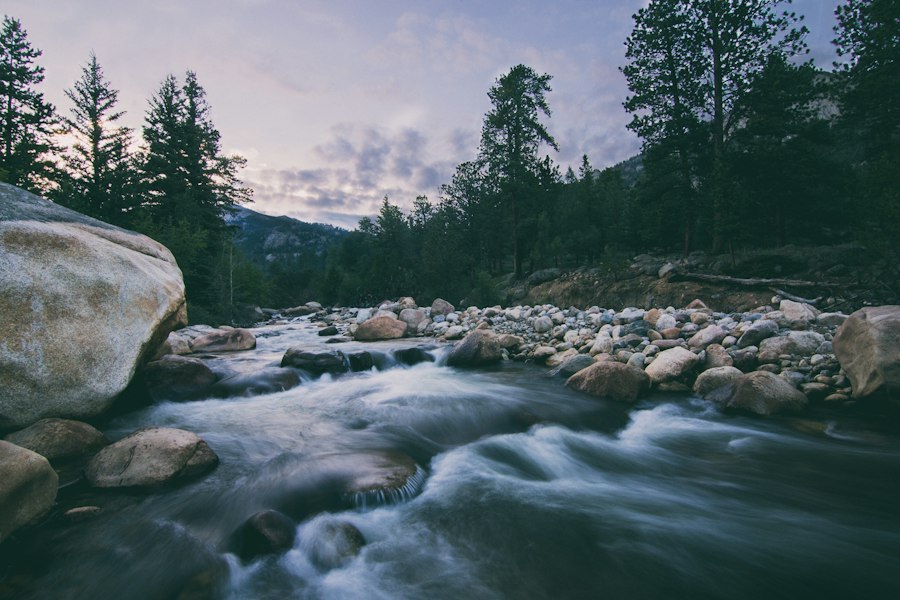
Now try this fix that saved my shot. I mounted my camera firmly on a tripod and switched to RAW format. I screwed a circular polarizer onto my 24-70mm lens and rotated it until the glare on the river surface completely vanished, instantly bringing back the intense deep teal water tones. I dropped my ISO to 100, set my aperture to f/11, and used a 3-stop ND filter to slow my shutter speed down to 1.5 seconds. The resulting image was pure magic: smooth, silky water flowing past razor-sharp, detailed mossy rocks. That transformation is exactly what you will achieve on your trip.
Mastering Composition and Depth in the Gorge
Great landscape photos need strong composition to guide the viewer eyes through the frame. The secret is utilizing the classic Rule of Thirds. Imagine dividing your camera viewfinder into a three-by-three grid. Place the horizon line along the top horizontal line to emphasize the swirling water, or along the bottom horizontal line if you want to feature dramatic storm clouds over the Julian Alps.
You can also use shallow depth of field to create beautiful blur in your close-up images. By using a wider aperture like f/2.8 or f/4, you create soft Bokeh, which turns background water droplets into shimmering, out-of-focus circles of light while keeping a single mountain wildflower in razor-sharp focus.
If you want to review official technical details on how high-resolution sensors handle wide dynamic range, check out the comprehensive gear reviews on DPReview. Understanding your sensor light limit helps you capture better frames under challenging river light.
Step-by-Step Guide to Shooting Silky Water Landscapes
Follow this simple step-by-step workflow when you step up to the water edge for spectacular Soca River nature photography 2026 results.
Step 1: Secure Your Setup
Extend your tripod legs and place them firmly on stable ground. Ensure your camera strap is secure so nothing accidentally dips into the swift current.
Step 2: Dial in Composition and Focus
Compose your shot using natural leading lines, such as a curving riverbank or an overhanging wooden bridge. Set your focus manually on a sharp foreground rock about one-third of the way into your frame.
Step 3: Dial in Manual Camera Controls
Set your camera to Manual mode. Select ISO 100 and an aperture of f/9. Adjust your shutter speed depending on the effect you want: 1/500th of a second to freeze crashing waves, or 1 to 3 seconds for smooth water trails.
Step 4: Rotate Your Polarizing Filter
Look through your electronic viewfinder while spinning your circular polarizer. Watch how the glare disappears and reappears. Stop rotating at the exact point where the water looks deepest green and transparency is at its maximum.
Step 5: Use a Remote Release or Self-Timer
Don't forget to set a 2-second shutter delay or use a wireless remote. Pressing the shutter button directly with your finger causes micro-vibrations that ruin subtle image sharpness during long exposure photography.
For deeper instructional guides on setting up RAW file workflows or mastering technical color spaces, explore official learning resources on Adobe Photoshop Tutorials.
Final Tips for Your 2026 Photography Adventure
The Soca Valley changes dramatically through the seasons. Spring brings raging melted snow runoff, summer offers clear turquoise swimming holes, and autumn coats the surrounding valley walls in glowing yellow larches.
Always respect local nature reserves, stay on designated paths, and double-check weather forecasts before walking into narrow gorges. With the right technique, patient composition, and solid execution, your practical experience with Soca River nature photography 2026 will reward you with gallery-worthy photographs you will cherish for a lifetime. Grab your camera, charge your batteries, and go capture the magic!

Matthias Weber digs into the craft of travel photography, from camera settings to editing. He explains the technical side in plain language so you can spend less time fiddling with dials and more time shooting.
💬 Comments (0)
No comments yet. Be the first!