Porto Architecture Photography 2026 Guide
Improve your skills with our Porto architecture photography 2026 guide, detailing the best camera settings for historic facades.
If you want to capture stunning travel images, this Porto architecture photography 2026 guide will show you exactly how to frame, expose, and capture the soul of Portugal's northern jewel. From the blue-and-white tiles of historic churches to the sweeping steel arches of the famous bridges, Porto is a visual playground. As your photography coach, I am going to share the exact techniques, camera settings, and composition secrets you need to make your images stand out this year.
Why Porto Architecture Photography 2026 is Your Ultimate Creative Challenge
Porto is a city of dramatic contrasts. You will find medieval alleys nestled right next to bold, modern structures. The way the Atlantic light hits the granite facades and colorful houses along the Douro River is magical, but it can also be tricky for your camera sensor. To master Porto architecture photography 2026, you must learn to balance extreme highlights and deep shadows.
The secret is understanding how to read the light. In 2026, travel photography is all about authenticity and high dynamic range. I want to help you move away from flat, boring snapshots and guide you toward creating dramatic, three-dimensional architectural portraits that tell a story.
My Biggest Porto Photography Failure (And How to Fix It)
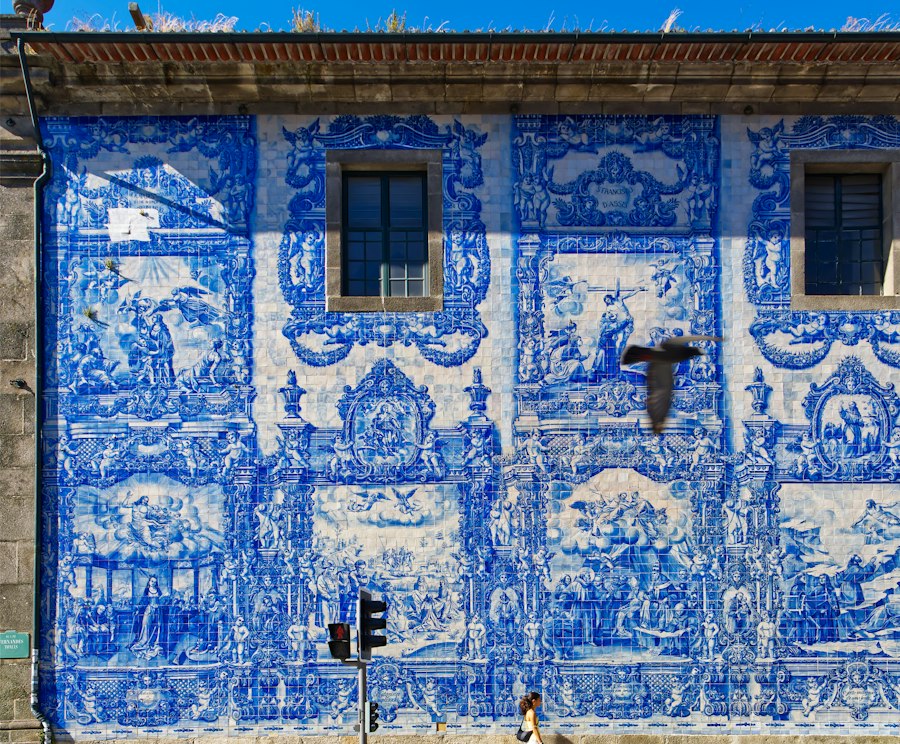
First, let's look at a personal story from my early days in Porto. I remember standing in front of the magnificent Chapel of Souls, famous for its blue Azulejo tiles. I wanted to capture the entire facade, so I stood across the street, pointed my camera upward, and pressed the shutter.
When I looked at the back of my screen, the photo was a disaster. The beautiful blue tiles looked dull and dark, the white grout was totally blown out, and the sides of the building looked like they were falling backward. This is called perspective distortion, and it happens when you tilt your wide-angle lens upward.
Now try this to fix that exact issue: Instead of tilting your camera up, find a higher vantage point or step further back. Keep your camera sensor perfectly parallel to the building facade. To fix the exposure, I switched my camera to spot metering, dialed in some negative Exposure Compensation (which tells the camera to make the image darker to save the bright details), and shot in RAW format. The difference was night and day. The colors popped, the lines became perfectly straight, and the details in the white tiles were preserved.
Porto Architecture Cheat Sheet: When shooting highly reflective surfaces like ceramic Azulejo tiles, always underexpose by 0.3 or 0.7 stops using your Exposure Compensation dial. You can easily bring the shadows back in post-processing, but you can never recover blown-out highlights!
Must-Have Gear for Porto Architecture Photography 2026
You do not need the most expensive gear to take incredible photos, but having the right tools makes a massive difference. Here is what I recommend packing in your camera bag for your 2026 creative journey:
- A Wide-Angle Lens: A 16-35mm lens is perfect for tight alleys and massive church interiors.
- A Sturdy Travel Tripod: Essential for sharp blue hour shots along the Ribeira.
- A Circular Polarizer: This filter cuts down on glare from tiled walls and wet cobblestones, boosting color saturation.
- A High-Resolution Sensor: Cameras like the Sony Alpha series or Canon EOS R system offer incredible dynamic range for high-contrast scenes. You can check the latest sensor capabilities on the Imaging Resource or the DPReview gear database.
Recommended Settings for Sharp Architectural Shots
Before you press the shutter, you need to set your camera up for success. Your photos will look instantly more professional if you dial in these foundational settings:
- Image Format: RAW vs JPEG. Always shoot in RAW. A JPEG file discards most of the light data to save space. RAW files keep all the sensor data, allowing you to rescue dark shadows and bright skies later in programs like Lightroom.
- ISO: Keep your ISO as low as possible (typically ISO 100) to avoid digital noise and keep your images clean and sharp.
- Aperture: Use an aperture between f/8 and f/11. This is the sweet spot for most lenses, ensuring your entire architectural scene is sharp from the foreground to the background.
- Shutter Speed: If you are handholding, keep your shutter speed above 1/125th of a second to prevent blur from camera shake.
Step-by-Step Guide to Shooting Porto's Most Iconic Spots
Now, let's put these concepts into practice. Here is your step-by-step game plan for capturing the best Porto architecture photography 2026 has to offer.
Step 1: Master the Sao Bento Train Station
First, let's look at the grand atrium of Sao Bento. The walls are covered in 20,000 historic tiles. To capture this space, look for symmetry. Stand dead-center in the hall. Use the Rule of Thirds by placing the horizon line along the bottom third gridline, allowing the magnificent ceiling and high tiled walls to dominate the frame.
Step 2: Capture the Dom Luis I Bridge at Blue Hour
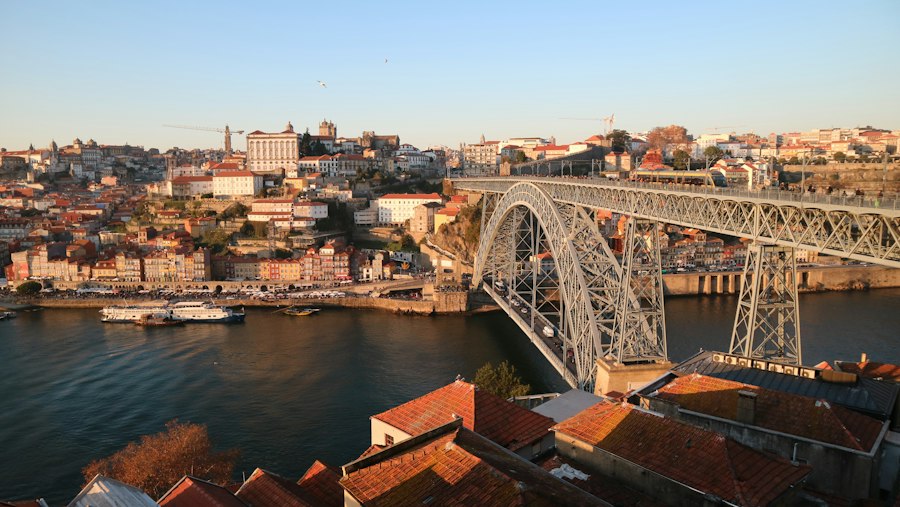
The secret to shooting this iconic double-deck metal bridge is timing. Arrive 30 minutes before sunset. Set up your tripod on the Gaia side of the river. As the sky turns a deep, velvety blue, the orange streetlights on the bridge will turn on. This creates a beautiful complementary color scheme of blue and orange. Set your aperture to f/11 to turn the streetlights into beautiful starbursts.
Step 3: Find Creative Angles at the Casa da Musica
Porto is not just about old world charm. The Casa da Musica is a masterpiece of modern, minimalist architecture. Here, we want to play with abstract shapes. Get close to the white concrete walls and look for sharp angles cutting into the blue sky. Use a wide aperture like f/2.8 to create a soft, blurry background (known as Bokeh) if you are focusing on a specific architectural detail, like a window joint or a curved handrail. If you want to learn more about mastering depth of field and bokeh, check out the official Adobe Photoshop and Lightroom Tutorials.
Advanced Composition Tips for Porto Architecture Photography 2026
To truly elevate your Porto architecture photography 2026 portfolio, you must look beyond the standard tourist views. Don't forget to look down! Rainwater puddles on Porto's cobblestone streets offer incredible opportunities for reflection shots, framing historic towers upside down in a pool of water.
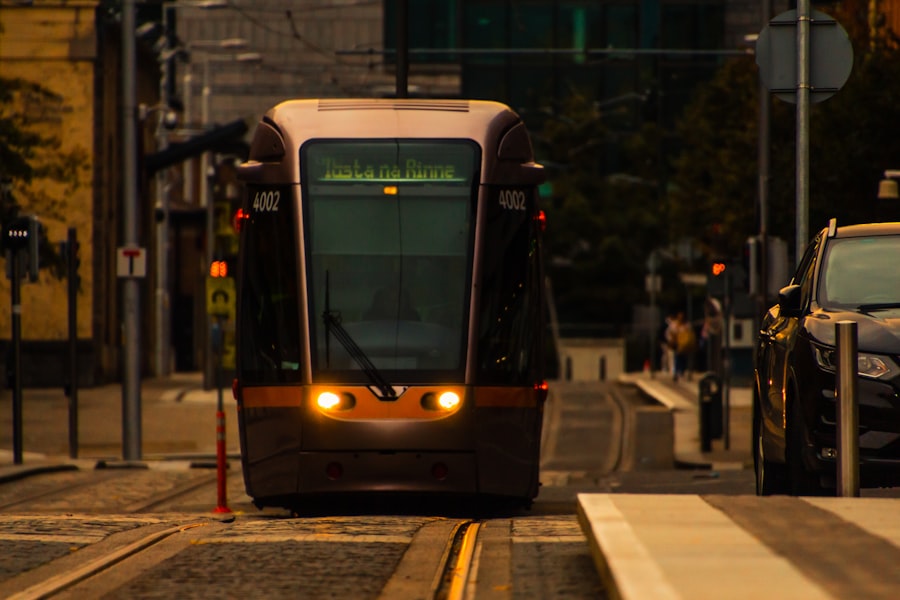
Another great technique is using leading lines. Porto is incredibly hilly, which means you have stairs, narrow streets, and tram tracks everywhere. Use these physical lines to guide your viewer's eyes directly toward your main subject, whether that is a distant church tower or a colorful historic home. Your photos will look much more dynamic and polished when you consciously plan where the viewer's eyes will travel through your frame.
Now it is your turn to head out and explore. Grab your camera, set it to RAW, keep your lines straight, and let the beautiful light of Porto do the rest. Happy shooting!
Frequently Asked Questions
What are the best locations in Porto for architecture photography in 2026?
The Ribeira district and the iconic Dom Luís I Bridge remain top spots for capturing Porto's layered architectural heritage. For contemporary angles, the Casa da Música and the Serralves Museum offer striking modern contrasts.
When is the best time of day to photograph Porto's architecture in 2026?
Early morning golden hour provides soft light on Porto's azulejo-tiled facades with fewer tourists. Late afternoon also works well, especially for the Clérigos Tower and riverside buildings along the Douro.
What camera gear is recommended for Porto architecture photography in 2026?
A full-frame mirrorless camera with a tilt-shift or 16-35mm wide-angle lens handles Porto's narrow streets and grand facades best. A sturdy tripod is essential for blue-hour shots of the Dom Luís I Bridge.
Are there any new architectural landmarks in Porto worth photographing in 2026?
New cultural venues and renovated industrial spaces along the Douro are increasingly popular subjects for architectural photography. Check local listings for temporary pavilions and exhibitions that often feature cutting-edge design.
Do I need permits to photograph Porto architecture professionally in 2026?
Generally, public streets and exteriors don't require permits, but commercial shoots may need authorization from Porto Municipality. For interiors like churches, museums, or São Bento Station, always request permission in advance.

Camille Bernard shares travel photography tips for every kind of traveller, from phone snapshots to full kits. She breaks down light, composition and timing so you come home with photos that actually capture how a place felt.
💬 Comments (0)
No comments yet. Be the first!