Okavango aerial photography 2026 Guide
Master Okavango aerial photography 2026 with our expert guide on camera settings, framing, and capturing wildlife from above.
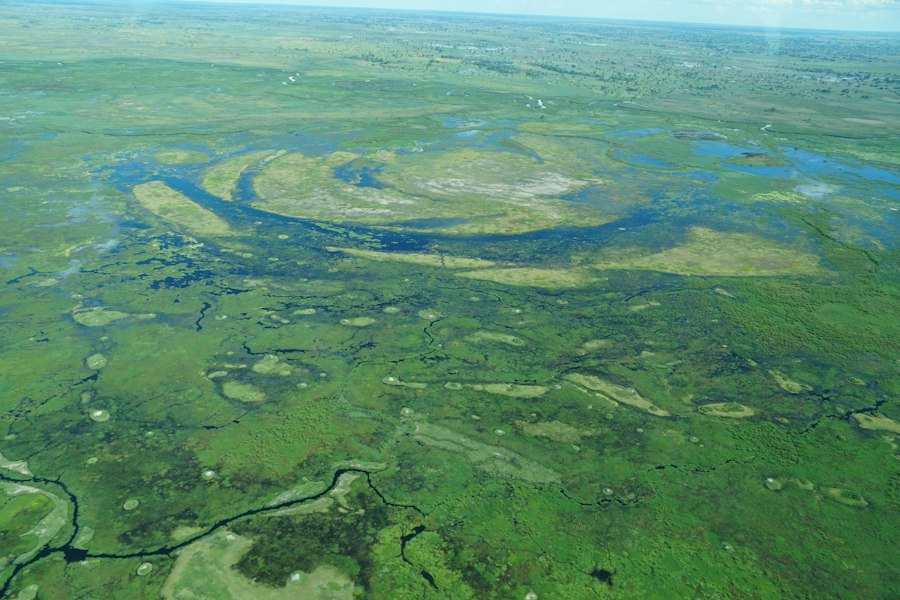
If you are planning a trip to Botswanas famous delta, mastering Okavango aerial photography 2026 is the absolute best way to capture the sweeping beauty of this natural wonder from a doors-off helicopter or small plane. Looking down at the veins of water carving through the golden Kalahari sands is an experience that will change you forever. As your photography coach, I am here to make sure your camera is perfectly set up so you can bring home breathtaking, professional-grade images from your 2026 adventure.
Why Okavango Aerial Photography 2026 is Different
The Okavango Delta is a dynamic oasis that changes with every season. In 2026, shifting weather patterns and water levels mean you must be ready for highly unpredictable lighting and dramatic contrasts between deep water channels and dry floodplains. When you are flying hundreds of feet in the air, you cannot just stop and recompose your shot. You have to make split-second decisions while battling wind, engine vibrations, and rapidly changing altitudes.
The secret is preparation. If you do not have your settings dialed in before the pilot takes off, you will find yourself struggling with blurry images or missed opportunities. Together, we are going to look at the exact techniques you need to turn those fast-moving aerial views into fine-art masterpieces.
Essential Gear and Camera Settings for Success
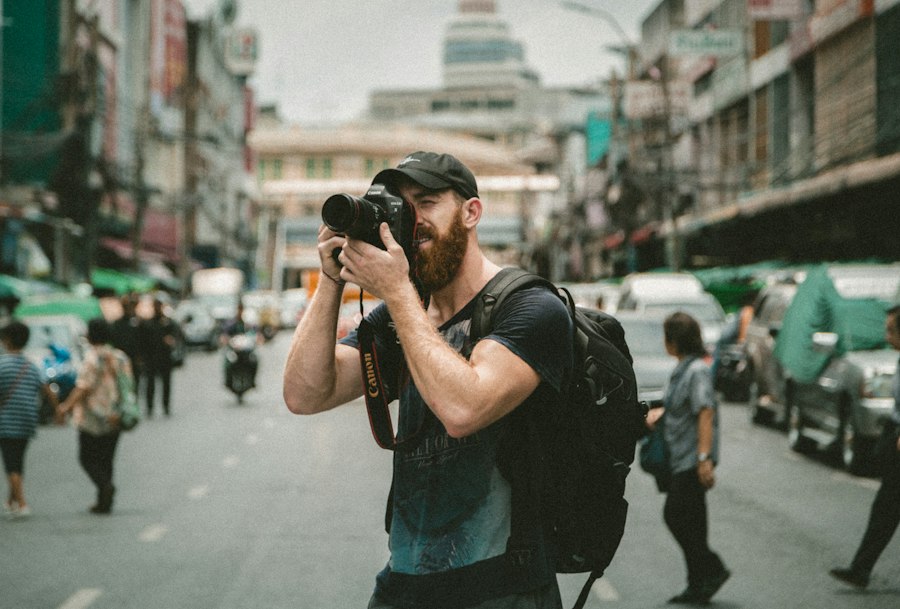
Before we step onto the tarmac, we need to talk about your tools. You do not need to buy the most expensive camera on the market, but you do need gear that can handle high speeds and offer quick autofocus tracking. I highly recommend checking out the official camera specs on DPReview to see how your current body handles high-speed tracking and continuous shooting.
Must-Have Gear List
- Two Camera Bodies: Dust is your worst enemy in Botswana. Avoid changing lenses in the air. Keep a wide-angle zoom (like a 24-70mm) on one body and a telephoto zoom (like a 100-400mm) on the other.
- A Sturdy Camera Strap: The wind rushing through a doors-off helicopter is incredibly strong. Secure your gear to your body!
- Lens Hoods: Use plastic or rubber lens hoods to protect your glass from accidentally knocking against the helicopter frame.
- High-Speed Memory Cards: You will be shooting in continuous burst mode, so you need cards that can write data quickly without buffering.
Recommended Camera Settings
- RAW vs JPEG: Always shoot in RAW. While JPEG files are smaller and easier to share immediately, RAW files capture all the uncompressed data from your sensor. This gives you maximum flexibility to recover shadows and highlights in post-production, which is crucial for Okavango aerial photography 2026.
- Shutter Speed: Minimum 1/1600s, but 1/2000s or 1/2500s is even better to eliminate the vibrations of the aircraft.
- Aperture: f/5.6 to f/8. You do not need a wide aperture to create beautiful background blur, also known as Bokeh, because your subject is far below you. You want a sharp depth of field across the entire landscape.
- ISO: Keep your ISO as low as possible (ISO 2
Matthias Weber digs into the craft of travel photography, from camera settings to editing. He explains the technical side in plain language so you can spend less time fiddling with dials and more time shooting.
💬 Comments (0)
No comments yet. Be the first!