Hyperfocal Distance for Travel Photography 2026
Learn hyperfocal distance travel photography to achieve tack-sharp landscapes. Step-by-step tutorial for beginners.
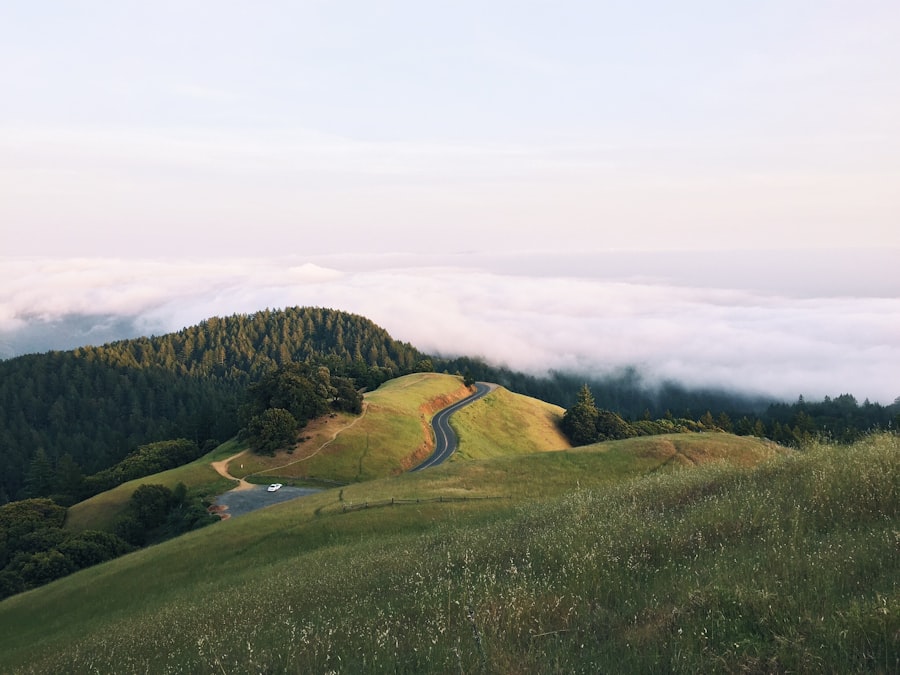
Mastering hyperfocal distance travel photography is the ultimate secret weapon for landscape shooters hitting the road in 2026. I remember standing on a ridge in Patagonia, watching the sun paint the peaks gold. I fired off a dozen shots, only to get home and see that my foreground rocks were a muddy blur while the mountains were only slightly sharper. I had failed to use the hyperfocal distance. That was the day I stopped guessing and started calculating. In this tutorial, I will show you how to guarantee front-to-back sharpness using hyperfocal distance travel photography techniques that are essential for any modern photographer's workflow.
Why Your 2026 Travel Photos Look Soft (And How Hyperfocal Distance Fixes It)
Let's be honest. You are investing in amazing gear in 2026. High-megapixel sensors, carbon fiber tripods, the best glass. Yet, your images still lack that professional "pop." The culprit is usually depth of field. Many photographers crank the ISO to get a faster shutter speed, which introduces noise. Or they stop down to f/22, which ruins sharpness due to diffraction. The secret is understanding where to focus.
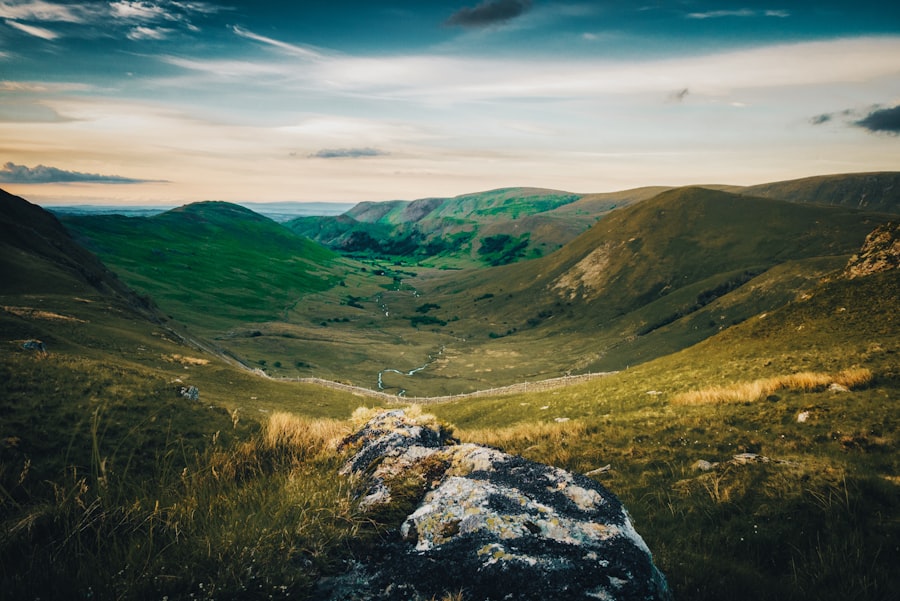
Before & After: Imagine a shot of a lake at sunrise. Before I learned this technique, I focused on the distant mountain. The nearest pebbles were completely soft. After applying the correct calculation, the entire frame is tack-sharp, allowing me to use a lower ISO and a crisper aperture like f/8. Hyperfocal distance travel photography is not just math; it is the difference between a snapshot and a keeper. Your viewers will feel like they can step right into the scene.
The Simple Science Behind Hyperfocal Distance Travel Photography
First, let's look at the three factors that control sharpness in your landscape images: Aperture, Focal Length, and Sensor Size. Understanding how these interact is the foundation of hyperfocal distance travel photography.
- Aperture: A smaller aperture (higher f-number, like f/11) dramatically increases your depth of field. However, diffraction starts to soften your image past f/16, so f/8 to f/11 is the sweet spot.
- Focal Length: Wider lenses (16-24mm) have a naturally deeper depth of field compared to telephotos. This is why wide-angles are preferred for hyperfocal focusing.
- Sensor Size: A full-frame sensor (like the Sony A7RV or Canon R5) behaves differently than a crop sensor. You must account for the "crop factor" when calculating your distance.
The formula sounds scary, but in practice, hyperfocal distance travel photography relies on a simple rule of thumb combined with modern tools. Don't let the jargon scare you. I will show you exactly how to apply it.
Step-by-Step: Using a Hyperfocal Chart in 2026
Now try this method next time you are at a scenic overlook. Don't forget to bring a compass or use an app to track the sun's position.
- Compose your shot. Use the Rule of Thirds to place your foreground interest in the lower third of the frame.
- Set your aperture. For maximum sharpness, choose f/8 or f/11. Avoid f/22 unless you absolutely need it, as diffraction will ruin detail.
- Look up the distance. For a 24mm lens on a full-frame camera at f/11, the hyperfocal distance is roughly 5.5 feet. If you focus on something 5.5 feet away, everything from 2.75 feet to infinity will be sharp.
- Focus manually. Switch your lens to Manual Focus (MF). Zoom in on your LCD or viewfinder (using Focus Magnification) on the object you estimate to be at that exact distance.
- Take the shot. Review it at 100% zoom. Check the background and foreground for sharpness. Adjust your Exposure Compensation if the scene is very bright (snow/beach) or very dark (forest).
Must-have Gear for Perfect Focus in 2026
- A High-Res Camera: Something like a Sony A7RV or Canon EOS R5. More resolution means you will be more demanding of your focus accuracy.
- A Wide-Angle Prime Lens: 20mm or 24mm f/1.8 lenses are lightweight champions for travel and ideal for this technique.
- A Bubble Level: Crucial for aligning horizons when using hyperfocal techniques, so you don't have to crop later.
- A Smartphone App: "PhotoPills" or "DOF Calculator" are essential tools for calculating hyperfocal distance on the go. Use this DPReview guide to understand the math behind the apps.

Recommended Camera Settings for Hyperfocal Distance Travel Photography
When you are dialing in your settings for maximum depth of field, consistency is key. Here are my go-to settings for hyperfocal distance travel photography in 2026.
- File Type: RAW. JPEGs bake in sharpening and noise reduction, but RAW gives you total control over final sharpness and dynamic range in post-processing. Adobe's tools are great for this, check out this Adobe sharpening tutorial.
- ISO: Base ISO (100 or 64). This gives the cleanest shadows and maximum dynamic range for pulling detail from shadows and highlights.
- Shooting Mode: Aperture Priority (Av/A). Let the camera choose the shutter speed while you maintain total control over the depth of field.
- Focus Mode: Manual Focus. Auto-focus often grabs the contrasty background and ignores the foreground. You must take control.
Mastering hyperfocal distance travel photography requires trusting your tools rather than the camera's guess.
Troubleshooting Common 2026 Focus Errors
Even with perfect math, things go wrong. If your background is soft, you focused too close. If your foreground is soft, you focused too far. The Bokeh in your image tells the story. Learn to read it. Adjust your focus point until both extremes are acceptable.
Golden Rule of Landscape Focus (Cheat Sheet)
Golden Rule of Hyperfocal Distance: Focus double the distance of your closest subject. It is almost that simple. If your closest interesting rock is 3 feet away from your lens, focus on something 6 feet away. Your image will be sharp from 3 feet to infinity. This is the shortcut to mastering hyperfocal distance travel photography without needing a calculator for every single shot. Memorize this rule.
Putting It All Together: From Blurry to Brilliant
Let's look at a practical workflow for your 2026 trip. This method elevated my work from "tourist snap" to "editorial quality."
- Scout your location. Find a strong foreground element to anchor the composition.
- Set up your tripod. Compose using the Rule of Thirds and set your bubble level.
- Calculate. Use the "Focus Double" rule or a DOF app. This is the core execution of hyperfocal distance travel photography.
- Focus & Shoot. Use Mirror Lock-up (if DSLR) or an electronic shutter to reduce vibration. Expose for the highlights.
- Review the Bokeh. Is the background smoothly blurred or do you need more depth? Stop down if needed, but stay above f/16.
I no longer fear the foreground. Hyperfocal distance travel photography gives me the confidence to include dramatic leading lines and textures. So, as you pack your bags for 2026, leave the guesswork behind. Your viewers will feel like they can step into the scene. That is the power of sharp focus, front to back.
Frequently Asked Questions
What is hyperfocal distance in travel photography?
Hyperfocal distance is the closest focusing distance at which objects from half that distance to infinity appear sharp.
How do I calculate hyperfocal distance for my lens?
Use the formula (focal length squared) / (aperture f-number × circle of confusion) or check a hyperfocal distance calculator in apps like PhotoPills.
Why is hyperfocal distance useful for travel photography?
It ensures you capture sharp landscapes, cityscapes, and detailed foregrounds without guessing focus, especially when you have limited time to compose.
At what aperture should I set hyperfocal focus when traveling?
Typically f/8 to f/11 offers a good balance, avoiding diffraction that can soften your image at smaller apertures like f/16 or f/22.
Does sensor size affect the hyperfocal distance?
Yes, smaller sensors (like those in APS-C cameras) have a larger depth of field, requiring a closer hyperfocal distance than full-frame sensors.
💬 Comments (0)
No comments yet. Be the first!