Bagan temple photography 2026: Pro Tips
Master Bagan temple photography 2026 with our expert guide to capturing Myanmar's ancient pagodas in golden light.
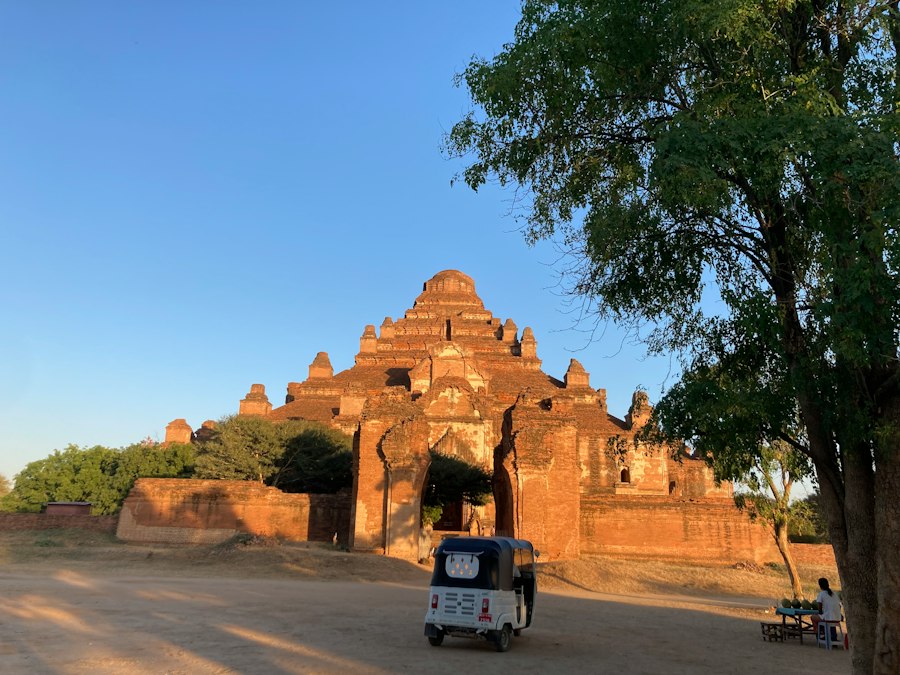
If you want to capture the most breathtaking sunrise of your life, mastering Bagan temple photography 2026 is your ultimate ticket to creating jaw-dropping travel images. Imagine standing atop a dusty hill as the morning mist snakes between thousands of ancient red-brick pagodas, while hot air balloons rise slowly into a golden sky. I want to help you capture that exact magic. Whether you are a beginner with a smartphone or an experienced shooter with the latest mirrorless gear, this guide will coach you through the process of capturing Bagan like a seasoned pro.
The Magic of Bagan: Why 2026 is Your Year
Bagan is a photographer's dream, but capturing its true essence requires more than just pointing and shooting. The secret is understanding how light, dust, and ancient architecture interact. In 2026, the local travel landscape has evolved, making smart planning and technical know-how more critical than ever. We want to avoid the crowds, find the best vantage points, and use our camera settings to paint with light.
First, let's look at why preparation matters. Many of the famous climbing temples are now closed to protect the structures. This means your Bagan temple photography 2026 strategy must rely on finding designated viewing mounds, using telephoto lenses, and mastering creative framing. Do not worry; this limitation is actually a blessing in disguise because it forces you to think outside the box and create truly unique compositions.
Essential Gear and Recommended Settings
To get the sharpest, most vibrant images, you need to prepare your camera bag. You do not need the most expensive gear on the market, but you do need to know how to use what you have. For deep dives into gear capabilities, you can check out the latest mirrorless camera specs on the official Sony or Canon websites to see how your sensor handles low light.
Must-Have Gear for Bagan
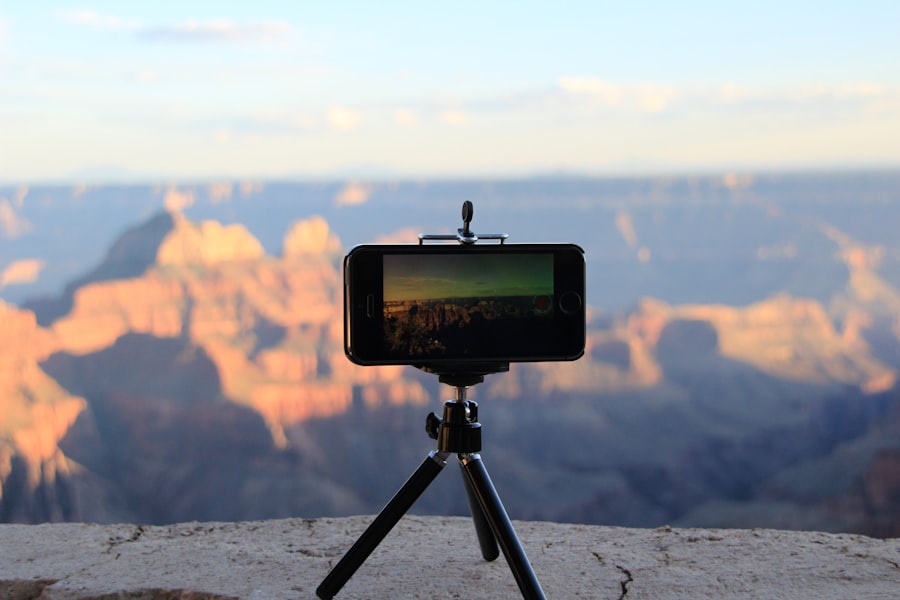
- A Sturdy Tripod: Essential for those low-light pre-dawn shots when your shutter speed slows down.
- Telephoto Zoom Lens: A 70-200mm or 100-400mm lens is crucial for isolating distant temples and compression.
- Wide-Angle Lens: A 16-35mm lens will help you capture the vast plains and dramatic skies.
- Lens Cleaning Kit: Bagan is incredibly dusty. You will need to clean your glass frequently.
- Blower Brush: Never rub dust off your sensor; blow it away safely.
Recommended Camera Settings
- Image Format: Always shoot in RAW vs JPEG. RAW files preserve all the data in your shadows and highlights, allowing you to rescue details in post-processing.
- ISO: Keep this as low as possible (ISO 100 to 400) to avoid digital noise in your skies.
- Aperture: Use f/8 to f/11 for landscape shots to ensure sharpness from the foreground to the horizon.
- Focus Mode: Single-point autofocus, targeting the main temple in your frame.
The Golden Rule of Bagan Photography: Always expose for the highlights. It is much easier to recover shadow details in a RAW file than it is to fix a blown-out, overexposed sky where the golden sun has erased all the texture.
Step-by-Step Guide to Capturing the Perfect Bagan Sunrise
Now try this step-by-step workflow on your first morning in the plains. This is the exact routine I use to ensure I do not miss the fleeting golden hour light.
Step 1: Arrive in the Dark
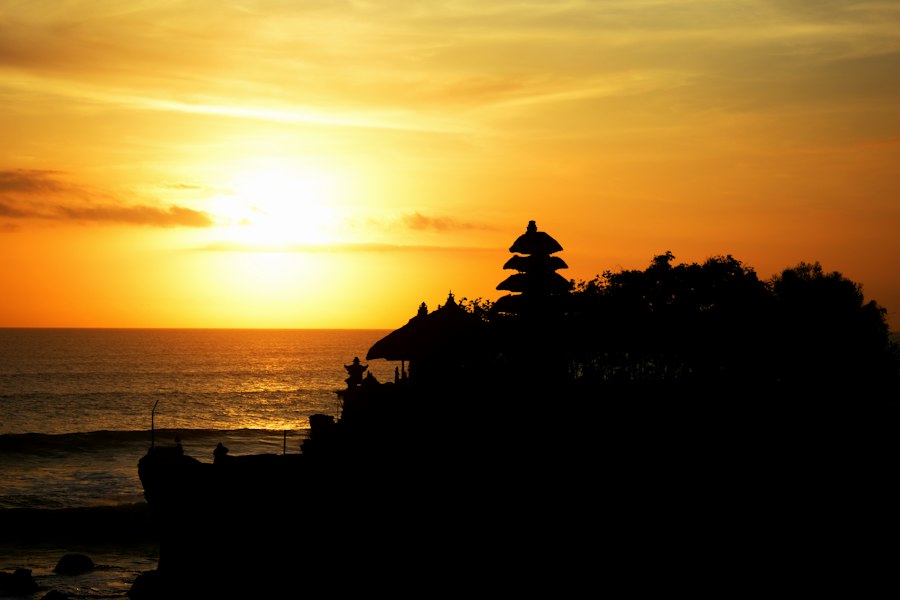
Set your alarm early. You want to be at your chosen viewing mound at least 45 minutes before the sun rises. This gives you time to set up your tripod, compose your shot in the dark, and capture the deep blue twilight. This pre-dawn period is perfect for high-quality Bagan temple photography 2026 because the air is still and the colors are incredibly cool and peaceful.
Step 2: Compose Using the Rule of Thirds
The Rule of Thirds is a classic composition technique where you divide your frame into a nine-grid matrix. Place your main, most dramatic temple along one of the vertical lines or at their intersections. Position the horizon on the bottom third grid line to give more space to the dramatic sky and the rising hot air balloons.
Step 3: Dial in Your Exposure Compensation
As the sun begins to peek over the horizon, your camera light meter might get confused by the bright light and underexpose the rest of the scene. The secret is to use your Exposure Compensation dial. Dial it down to -0.7 or -1.0 to keep the sky rich and saturated, preventing the sun from washing out the frame.
A Personal Lesson: How I Saved a Ruined Shot
I will never forget my first morning shooting in Bagan. I was so excited about the hot air balloons drifting over the pagodas that I forgot my basic settings. I was shooting in JPEG, my ISO was set to a noisy 3200 from the night before, and I did not use a tripod. When I looked at the back of my camera screen, the image looked okay, but when I opened it on my computer later, it was a disaster. The sky was blocky, the temples were blurry from camera shake, and the noise ruined the smooth mist.
Here is how I fixed my approach the next day: I locked my camera onto a sturdy tripod, dropped my ISO down to 100, and switched my camera to write RAW files. I used a remote shutter release to prevent any micro-shakes. The difference was night and day. The second image had a beautiful, creamy sky, tack-sharp brickwork on the pagodas, and zero noise. If you want to learn more about recovering shadow details from your RAW files, check out the processing workflows on Adobe tutorials.
Advanced Techniques: Creating Depth and Drama
Once you master the basics of Bagan temple photography 2026, it is time to push your creative boundaries. One of the best ways to add drama to your images is by playing with depth of field. While landscapes usually require everything to be sharp, you can use a wide aperture like f/2.8 to create a beautiful, soft background blur, also known as Bokeh. Try positioning a colorful wildflower or a dusty tree branch close to your lens, focusing on a distant temple. This creates a gorgeous frame-within-a-frame effect.
Don't forget to look for local elements to add a human touch to your Bagan temple photography 2026 portfolio. A monk walking past a sunlit doorway or a farmer guiding goats through the dust can turn a beautiful landscape into a powerful story. For these shots, switch your camera to a faster shutter speed to freeze the motion, and keep your eyes peeled for the light hitting the dust kicks.
Processing Your Bagan Masterpieces
Your journey with Bagan temple photography 2026 does not end when you click the shutter. Post-processing is where your RAW files truly come to life. When editing, resist the urge to over-saturate the colors. Instead, focus on enhancing the natural contrast. Warm up the white balance slightly to mimic the golden glow of the Myanmar sun, and gently boost the shadows to reveal the intricate carvings on the temple walls.
With these tips, your camera settings dialed in, and a bit of patience, your photos will look absolutely spectacular. Pack your bags, respect the sacred monuments, and get ready to capture the magic of Bagan in 2026!

Camille Bernard shares travel photography tips for every kind of traveller, from phone snapshots to full kits. She breaks down light, composition and timing so you come home with photos that actually capture how a place felt.
💬 Comments (0)
No comments yet. Be the first!