Algarve Coastal Photography 2026: Pro Tips
Elevate your Algarve coastal photography 2026 skills. Learn how to exposure-bracket dynamic sea caves and dramatic cliffs.
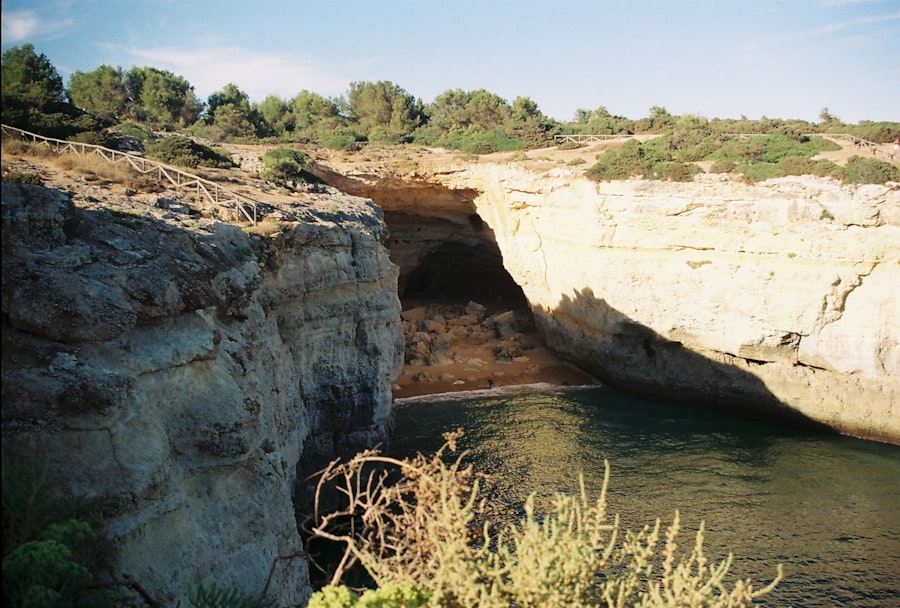
Mastering Algarve coastal photography 2026 requires a blend of planning, technical knowledge, and an eye for the dramatic landscapes of southern Portugal. The towering golden cliffs, hidden sea caves, and Atlantic swells offer some of the most spectacular compositions in the world. As your photography coach, I am here to guide you through the process of capturing these coastal wonders. Whether you are aiming to freeze the crashing waves or create a dreamy, misty sea effect, this tutorial will elevate your landscape photography to a professional level.
The Magic of Algarve Coastal Photography 2026
There is a reason why photographers flock to the south of Portugal. The unique limestone formations react beautifully to light, changing from pale yellow in the midday sun to a fiery orange during sunset. To capture these scenes perfectly, we need to understand our camera gear and settings. When practicing Algarve coastal photography 2026, your goal is to translate the scale and emotion of these massive cliffs into a two-dimensional frame.
First, let's look at the basic camera settings that will serve as your foundation. Landscape photography demands sharpness from the foreground all the way to the horizon. We achieve this through proper exposure management and composition. As we dive into this guide, remember that photography is not just about recording a scene; it is about telling a story with light.
Understanding Your Camera Settings
To get the most out of your coastal shots, you must move away from the automatic mode. Let us break down some essential photography jargon so you can control your camera with confidence.
ISO, Bokeh, and the Rule of Thirds
The secret is managing three core elements: light sensitivity, depth of field, and composition. First, let us look at ISO. This setting determines how sensitive your camera sensor is to light. For daytime coastal shots, keep your ISO at its lowest setting (usually ISO 100) to ensure the cleanest image with the least amount of digital noise.
Next is Bokeh, which refers to the out-of-focus, blurry parts of your image. While portrait photographers love a shallow depth of field for creamy background bokeh, landscape photographers usually want the opposite. We want a narrow aperture (like f/8 or f/11) to keep the entire cliffside sharp.
Finally, we have the Rule of Thirds. Imagine your frame divided into a nine-box grid. By placing the horizon along the top or bottom third line, and positioning key elements like a sea stack on the intersections, you instantly create a more balanced and dynamic image.
RAW vs JPEG and Exposure Compensation
Now try this: switch your camera from JPEG to RAW. A JPEG is a compressed file where the camera decides the colors and contrast for you. A RAW file captures all the data from the sensor, giving you ultimate control when editing your photos in software like Adobe Lightroom.
When shooting bright white sand next to dark cliffs, your camera light meter might get confused. This is where Exposure Compensation comes in. By turning this dial toward the plus (+) or minus (-) signs, you can manually brighten or darken your image to protect your highlights from blowing out.
The Golden Rule of Coastal Photography: Always expose for the highlights. It is much easier to recover shadow details from dark cliffs in a RAW file than it is to fix a sky that is completely blown out and white.
Must-Have Gear and Recommended Settings
Before you pack your bags for your Algarve coastal photography 2026 adventure, make sure you have the right tools in your camera bag. Having the correct gear will make the difference between a snapshot and a gallery-worthy print.
Must-Have Gear for the Algarve
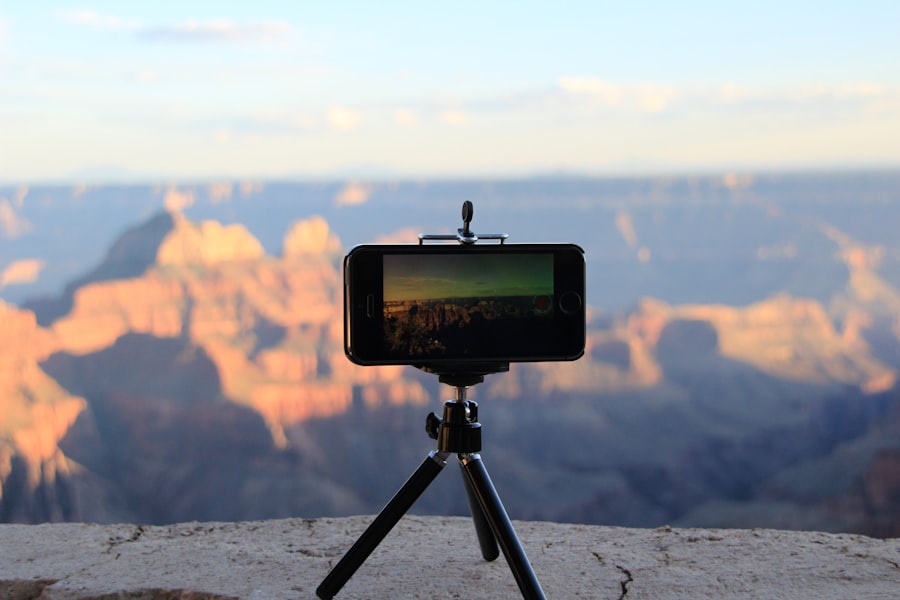
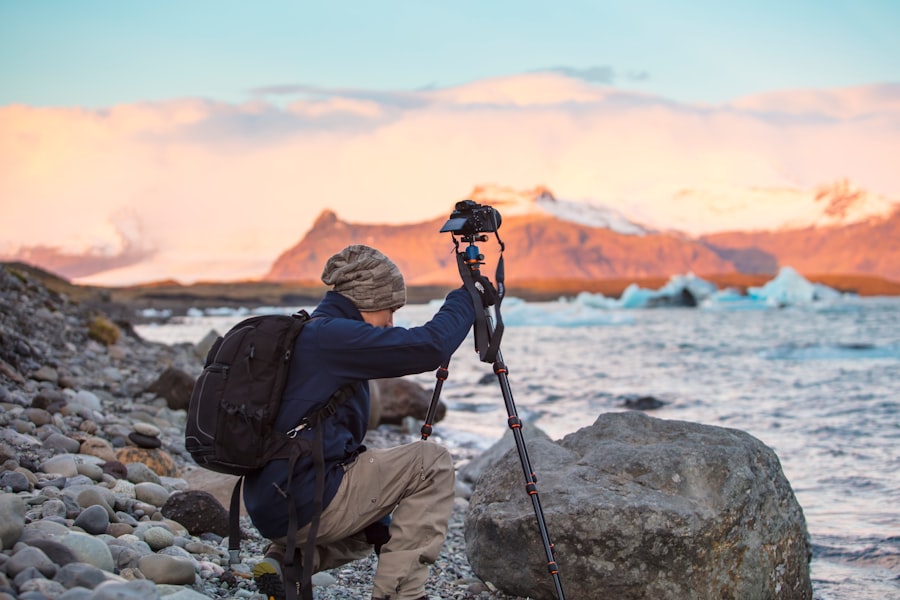
- A Sturdy Tripod: The coastal wind can be strong. You need a heavy, stable tripod to prevent camera shake during long exposures.
- Circular Polarizer Filter: This filter cuts glare off the water surface and makes the beautiful turquoise ocean colors pop.
- Neutral Density (ND) Filters: Essential for blocking light, allowing you to use slow shutter speeds during the day for silky water effects.
- Wide-Angle Lens: A lens in the 16-35mm range is perfect for capturing the immense scale of the Algarve cliffs.
Recommended Camera Settings
- Shooting Mode: Manual (M) or Aperture Priority (A/Av).
- Aperture: f/8 to f/11 for maximum sharpness across the frame.
- ISO: 100 (or the lowest native setting of your camera).
- Focus Mode: Single-point autofocus, aimed at a third of the distance into the scene.
- Image Format: RAW.
Step-by-Step Guide: Capturing the Perfect Sunset at Praia da Marinha
Now, let us put this knowledge into action. Follow this step-by-step guide to capture a stunning sunset image at one of the most famous locations for Algarve coastal photography 2026.
Step 1: Arrive Early for Scouting
Arrive at least one hour before sunset. This gives you time to walk the cliffs of Praia da Marinha and find a compelling foreground element, like a unique rock or a patch of wildflowers. Avoid placing your tripod right at the edge of unstable limestone cliffs.
Step 2: Set Up and Compose
Mount your camera on your tripod. Use a wide-angle lens and apply the Rule of Thirds. Place the dramatic "M" rock formation on one of the grid intersections. Keep the sky in the upper third of the frame if the colors are dramatic, or the sea in the lower two-thirds if the waves are active.
Step 3: Dial in Your Settings
Select Aperture Priority mode and set your aperture to f/11. Set your ISO to 100. Let the camera calculate the shutter speed. If you are using a high-end camera like the Sony Alpha series, you can easily monitor your histogram to ensure your highlights are safe.
Step 4: Use a Remote Trigger or Timer
Don't forget to use a 2-second shutter delay or a remote release. Pressing the shutter button with your finger can introduce micro-movements, which will ruin the sharpness of your final image.
Before & After: My Failed Sunset at Ponta da Piedade
I want to share a personal story about a failed photo shoot to show you how easy it is to make mistakes, and how to fix them. A few years ago, I stood on the cliffs of Ponta da Piedade during a glorious sunset. I was so excited by the colors that I rushed my setup.
My Before photo was a disaster. I shot in JPEG mode with my camera set to Auto. The camera got confused by the bright sky and underexposed the beautiful yellow cliffs, turning them into solid black blobs. Because the wind was blowing, my hand holding the camera shook, resulting in a blurry image. To make matters worse, the horizon line was completely crooked, cutting right through the middle of the frame.
Here is how I fixed it for the After shot. I took a deep breath, mounted my camera on my tripod, and leveled it using the built-in electronic level. I switched to RAW format and turned on manual mode. I set my ISO to 100 and aperture to f/8. I used my exposure compensation dial to brighten the shadows slightly while keeping an eye on my histogram. The result? A tack-sharp, beautifully balanced image with golden cliffs, a rich turquoise sea, and a stunning pastel sky.
Advanced Techniques for Algarve Coastal Photography 2026
The secret to taking your images from good to professional in 2026 is mastering long exposures. By using a 10-stop ND filter, you can slow your shutter speed down to 10 or 20 seconds. This turns the choppy Atlantic waves into a smooth, mist-like fog that wraps around the bases of the cliffs, creating an ethereal, dramatic mood.
When practicing advanced Algarve coastal photography 2026, always check the tide tables. Some of the most spectacular caves, like the famous Benagil Cave, are only accessible or safe to photograph at low tide. Planning your shoots around the tides and solar cycles using apps like PhotoPills will guarantee success.
With these tips, settings, and techniques in your creative toolkit, you are ready to capture the breathtaking beauty of southern Portugal. Pack your gear, respect the cliffs, and have fun creating stunning coastal art!
Frequently Asked Questions
What's the best time of day for coastal photography in the Algarve in 2026?
The 'golden hours' just after sunrise and before sunset offer the softest light, casting dramatic shadows on cliffs and sea stacks.
Which Algarve locations are must-see for coastal photography in 2026?
Focus on Ponta da Piedade near Lagos, the Benagil sea cave, and Cabo de São Vicente for iconic cliffs and coastal formations.
What camera gear is essential for Algarve coastal shots?
A wide-angle lens (16-35mm) and a sturdy tripod are key; a polarizing filter helps reduce glare on the water and enhance rock textures.
How do I handle challenging lighting conditions on Algarve coastlines?
Bracket your exposures or use HDR mode to capture highlights and shadows in harsh midday or backlit scenes.
Are there any photography or drone restrictions on Algarve beaches in 2026?
Yes, drones require a license and must avoid protected bird nesting areas; check local signs or consult Portugal's AAN for up-to-date rules.

Camille Bernard shares travel photography tips for every kind of traveller, from phone snapshots to full kits. She breaks down light, composition and timing so you come home with photos that actually capture how a place felt.
💬 Comments (0)
No comments yet. Be the first!