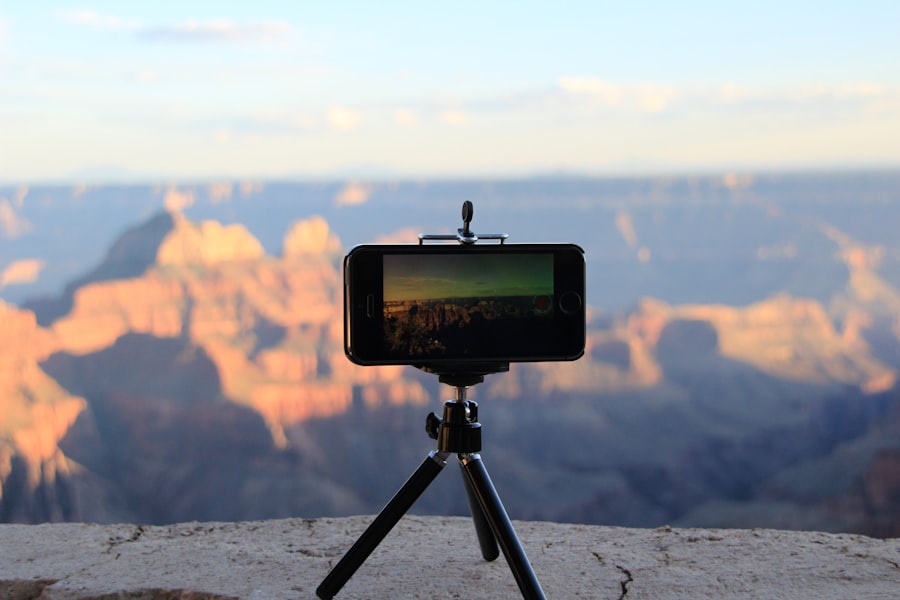
Aerial Nature Photography in Iceland 2026
Capture stunning landscapes with these Aerial Nature Photography in Iceland 2026 techniques. Learn how to pilot for grand shots.
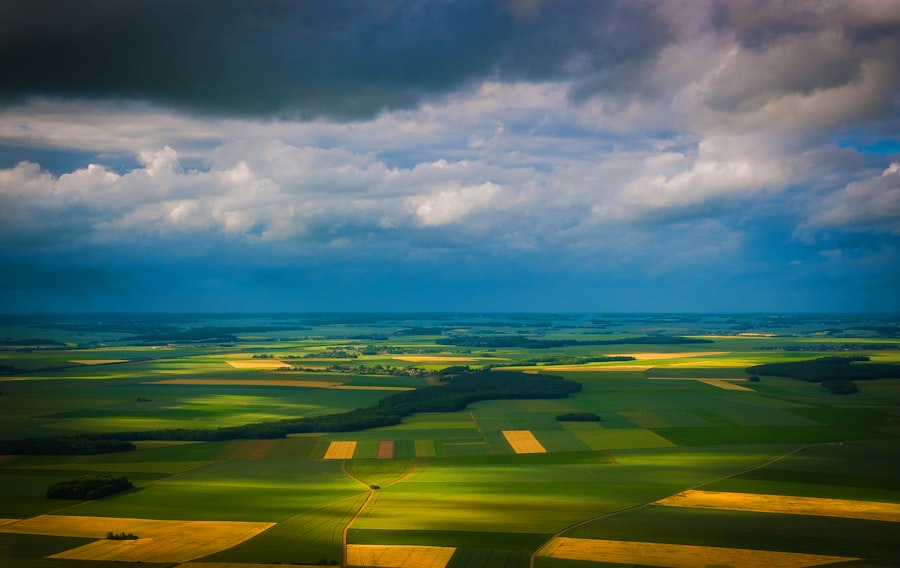
Aerial Nature Photography in Iceland 2026 is the ultimate dream for every landscape photographer looking to elevate their portfolio to new heights.
There is something transformative about viewing the jagged glaciers and black sand beaches of the North from the perspective of a bird. As we look ahead to 2026, the technology available to us has become lighter, sharper, and more accessible than ever before. Whether you are leaning out of a helicopter door or piloting a high-end drone, capturing the dramatic terrain of this island requires a blend of technical precision and creative vision. I am going to show you how to master this craft so your results look professional, crisp, and emotionally resonant.
The Gear You Need for Success
Before you even step onto the tarmac in 2026, you need to ensure your kit is ready for the harsh Icelandic climate. Moisture and high winds are your biggest enemies here. For Aerial Nature Photography in Iceland 2026, you need equipment that balances weight with weather sealing. I always suggest sticking to a high-resolution full-frame sensor to ensure you have enough detail to crop in post-processing without losing quality.
Must-have Gear
- A weather-sealed body: Check the latest Sony Alpha specifications for the most recent durable releases.
- A wide-angle lens: A 24-70mm lens is perfect for capturing the scale of the craters.
- Neutral Density (ND) filters: These help you manage light intensity when the sun reflects off snow or ice.
- Multiple high-speed memory cards: Never rely on just one.
- A sturdy harness: If shooting from an open-door aircraft, safety straps are non-negotiable.
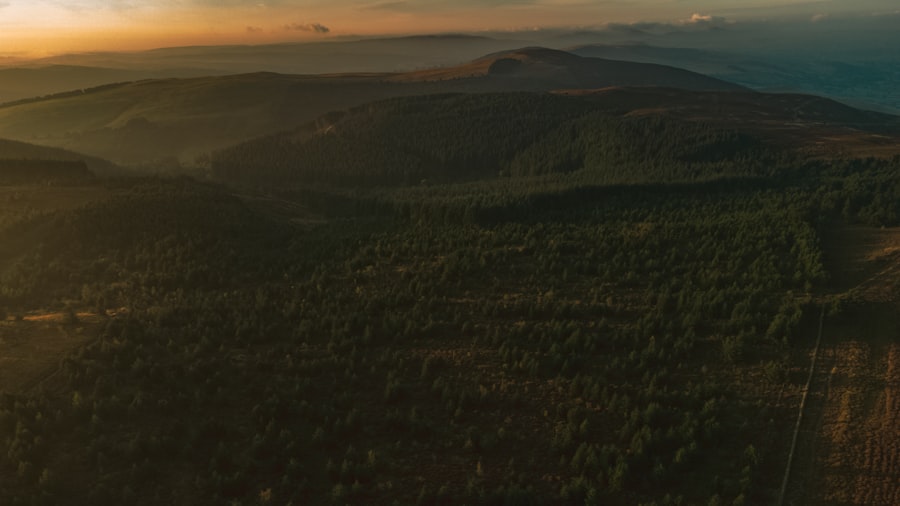
Understanding the Technical Fundamentals
Many beginners fail because they leave their camera on Auto mode. In the air, the camera will often get confused by the high contrast between dark volcanic rock and bright white glaciers. You need to take manual control. First, let's look at ISO. Keep this as low as possible, ideally ISO 100, to prevent digital noise, which is the grainy look that appears in low-light, high-ISO images. If you need more light, open your aperture—the hole in the lens—to allow more light in, keeping the f-number low for a slight Bokeh effect on distant mountain ranges, though usually, we want deep focus for landscapes.
Always shoot in RAW format. A RAW file contains all the original data from the sensor, unlike a JPEG, which is a compressed file that discards information. When you are editing your Aerial Nature Photography in Iceland 2026 shots, that extra data in the RAW file will save you if your exposure was slightly off.
The Golden Rule: Always prioritize a fast shutter speed. Even if it is a bright day, shoot at a minimum of 1/1000th of a second to compensate for the vibration of the aircraft. Blur is the enemy of the aerial photographer.
Step-by-Step: Capturing the Perfect Shot
I remember my first trip to the highlands back in the day. I was so excited that I forgot to adjust my Exposure Compensation. My images of the river deltas came out completely washed out because the white water tricked my light meter into thinking it was darker than it was. I fixed it by manually underexposing by one full stop. Here is how you can do it right:
- Scout your location on a map before the flight.
- Set your camera to Manual Mode (M).
- Select a shutter speed of 1/1000th or faster to freeze the movement.
- Adjust your aperture to f/8 or f/11 for maximum depth of field.
- Use the Rule of Thirds to place the coastline or the glacier edge along the grid lines rather than dead center.
- Check your histogram—a graph showing light distribution—to ensure you are not losing detail in the highlights.
Refining Your Workflow for 2026
Now try this: when you are reviewing your photos, look for textures. The volcanic patterns in Iceland are intricate. If you are shooting drone footage, try to fly lower to catch the shadows during the golden hour—the time just after sunrise or before sunset when the light is soft. This adds a three-dimensional quality to your work. For those using traditional cameras from a helicopter, ensure your lens is clean and that you have a lens hood attached to block lens flare. You can learn more about perfecting your exposure techniques through official editing tutorials to sharpen your post-processing skills.
Consistency is Key to Aerial Nature Photography in Iceland 2026
Don't forget to pack extra batteries. The cold Icelandic air drains lithium-ion batteries much faster than in warmer climates. I recommend keeping your spares in an inside pocket of your jacket, close to your body heat. Aerial Nature Photography in Iceland 2026 is about preparation and patience. You might circle a waterfall three times before the cloud cover breaks just right. That patience is exactly what separates a snapshot from a work of art.
Recommended Settings
- Mode: Manual (M)
- File Format: RAW
- White Balance: Daylight or Cloudy (avoid Auto)
- Focus Mode: Continuous AF (to track moving terrain)
- Drive Mode: High-speed burst
As you plan your journey for 2026, remember that the landscape is constantly shifting. Every flight offers a unique opportunity to see the world differently. Aerial Nature Photography in Iceland 2026 is not just about the gear; it is about your ability to read the light and frame the chaos of nature into a coherent, beautiful image. Keep your shutter speed high, your sensor clean, and your eyes open for those hidden patterns in the landscape. I cannot wait to see the incredible images you will produce on your journey.
Frequently Asked Questions
What is the best time of year for aerial nature photography in Iceland in 2026?
The best time is during the summer months (June to August) for extended daylight and vivid landscapes, but autumn offers stunning colors.
Do I need special permits to fly a drone over Icelandic natural sites in 2026?
Yes, you must register your drone with the Icelandic Transport Authority and follow rules from the Environment Agency, largely similar to 2025.
Which locations in Iceland are most photogenic from the air?
Top spots include the volcanic landscapes around Lake Mývatn, the erupting Fagradalsfjall volcano to capture potentially ongoing eruptions, and the massive Vatnajökull glacier.
What drone camera specs are recommended for Icelandic conditions?
A high-resolution camera with at least 4K video and good low-light performance, plus wind resistance for strong gusts and waterproofing for cold fog.
Are there any no-fly zones near Icelandic airports in 2026?
Yes, drones are strictly prohibited near airports like Keflavík and Reykjavik; check Isavia's no-fly maps before each flight.
Matthias Weber digs into the craft of travel photography, from camera settings to editing. He explains the technical side in plain language so you can spend less time fiddling with dials and more time shooting.
💬 Comments (0)
No comments yet. Be the first!