Valletta Baroque Architecture Photo Walk
Discover the intricate details of Valletta Baroque architecture on this curated photo walk designed for urban enthusiasts in 2026.
Valletta Baroque Architecture Photo Walk
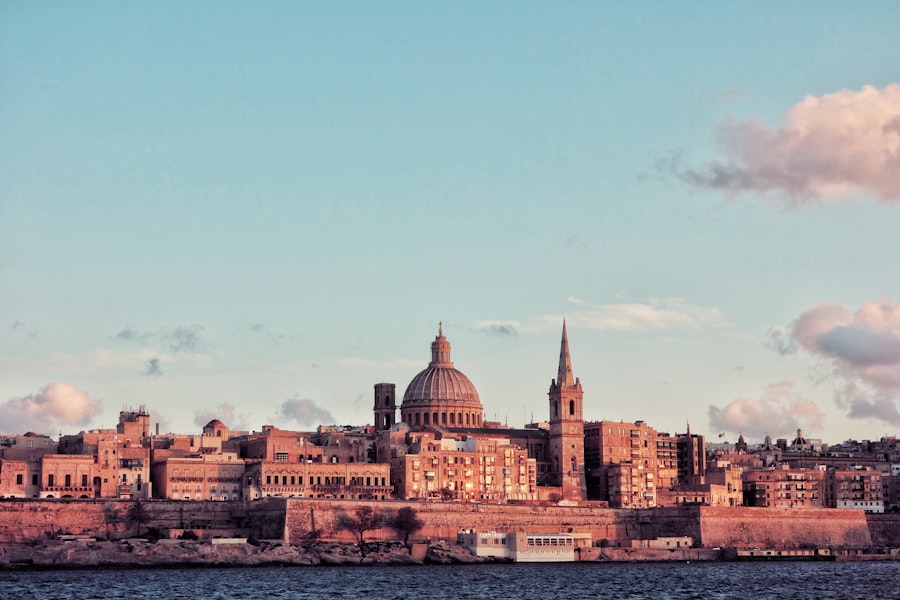
Embarking on a Valletta Baroque architecture photo walk is truly a journey back in time, where every cobblestone street and ornate limestone facade tells a story of grandeur, resilience, and artistic mastery. As a photographer, walking through the capital of Malta feels like stepping onto a giant, open-air movie set where the golden hour light transforms the city into a glowing masterpiece of 17th-century craftsmanship. In this guide, we will explore the best corners of this UNESCO World Heritage city to help you capture the intricate details, the sweeping vistas, and the dramatic shadows that define the unique design style of the Order of St. John.
Preparation and Gear for Your Valletta Shoot
Before you start wandering, it is essential to consider the unique lighting and composition challenges of the city. The narrow streets often create deep, contrasting shadows, while the white limestone reflects sunlight with blinding intensity. To get the best results, you need to be prepared for both wide-angle shots of massive cathedrals and tight, macro-style captures of door handles and sculptures.
- Wide-angle lens (16-35mm) for capturing grand piazzas and imposing building heights.
- Prime lens (50mm or 85mm) for isolating architectural details and portraiture.
- Circular polarizer to cut down on the harsh glare reflecting off the pale limestone surfaces.
- Sturdy tripod for the blue hour, when the city lights start to flicker on against the darkening sky.
Pro Photography Tips: Always set your white balance manually to "Cloudy" or "Shade" to bring out the warm, honey-toned glow of the Maltese stone, which often gets washed out by the camera's automatic settings in direct sunlight.
The Grand Entrance: City Gate and Parliament
Begin your Valletta Baroque architecture photo walk at the main entrance. While the Renzo Piano Parliament building is modern, it provides a striking contrast to the ancient bastions that flank the city entrance. From here, you can look back toward the Triton Fountain. The framing of the fountain with the ancient city gate in the background provides a perfect juxtaposition of eras.
Capturing the Bastion Walls
As you walk past the gate, focus your lens on the massive fortification walls. The sheer scale of these walls is best captured from a low angle, looking upward. This technique emphasizes the power and defensive history of the city. Use the leading lines of the road to draw the viewer’s eye toward the heart of the capital.
St. John's Co-Cathedral: The Baroque Masterpiece
No exploration of the city's design heritage is complete without visiting St. John's Co-Cathedral. While the exterior is austere and fortress-like, the interior is an explosion of gold, marble, and theatrical art. This is the heart of the local design movement. When shooting inside, pay close attention to your composition to ensure the symmetrical altar and the vaulted ceilings are perfectly aligned in your frame.
Mastering Interior Lighting
The interior is notoriously low-light, making it a test of your camera's ISO capabilities. Do not be afraid to push your sensor a bit to maintain a decent shutter speed. Focus on the interplay between the artificial light hitting the gilded carvings and the natural light filtering through the high windows.
- Use a wide aperture (f/2.8 or lower) to gather as much light as possible.
- Look for symmetry; the floors are tiled with elaborate marble tombstones that provide a stunning foreground for wider shots.
- Turn off your flash, as it will ruin the authentic vibe and is usually prohibited anyway.
The Streets of Republic and Merchants
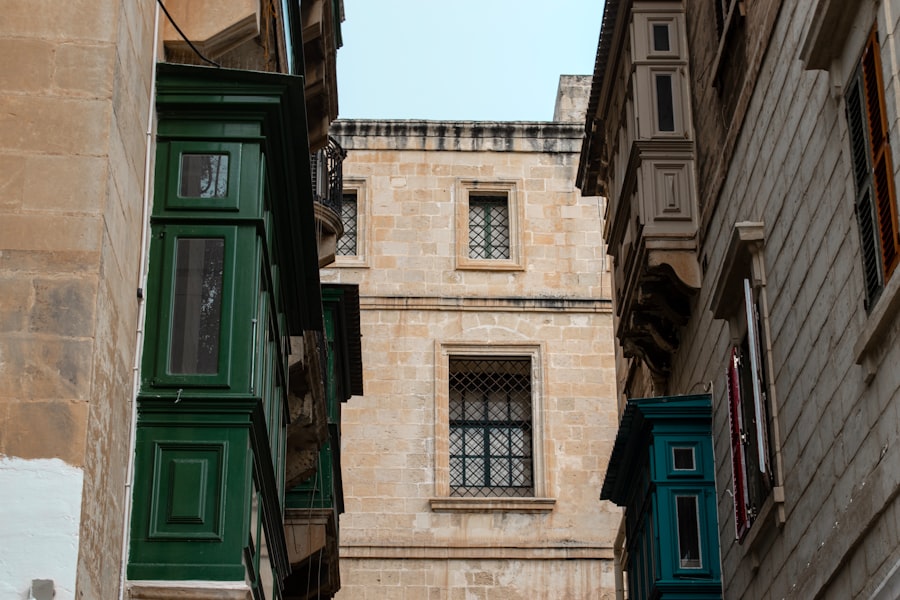
Moving away from the central plaza, head down Republic Street. Here, the focus shifts to the residential side of the capital. The iconic Maltese balconies—enclosed wooden structures painted in vibrant colors—are a staple of the city. These balconies offer incredible geometric patterns that make for fascinating architectural abstracts.
Framing the Balconies
To capture the essence of these balconies, try to find a side-on angle that allows you to see a long row of them receding into the distance. This creates a rhythmic pattern in your composition that is very pleasing to the eye. The bright colors of the wood contrast beautifully with the weathered stone walls.
The Upper Barrakka Gardens Vista
As the afternoon progresses, head to the Upper Barrakka Gardens. This is arguably the best spot for a panoramic photo of the Grand Harbour. The arches of the garden provide a natural frame for the view of the Three Cities across the water. This location is essential for your Valletta Baroque architecture portfolio, as it shows the city in its geographic context.
Pro Photography Tips: For the best results at the gardens, arrive at least an hour before sunset. The lighting hitting the Three Cities across the harbor turns a deep, burning orange, creating a high-contrast Vibe that is simply unmatched.
The Quiet Alleys: Hidden Gems
The true magic of the city lies in its quiet, secondary streets. Avoid the main thoroughfares and duck into the narrow alleys leading toward the sea. Here, the architecture is more raw and personal. You will find weathered doors, intricate ironwork, and religious niches carved into the corners of buildings. These tiny shrines are a testament to the deep-seated faith and history of the island.
Shooting the Hidden Details
When photographing these nooks, switch to your prime lens. Look for textures: the peeling paint on a door, the moss growing in the crevices of the limestone, or the way the sun hits a statue of a saint. These close-ups add depth to your photo set, showing that your interest extends beyond just the famous monuments.
- Focus on "human scale" elements: old door knockers in the shape of dolphins or lions.
- Look for "V" shapes in the architecture of the alleyways to create depth in your composition.
- Capture the shadows cast by the balconies, which change intensity throughout the day.
Sunset at the Siege Bell War Memorial
End your journey at the Siege Bell War Memorial, located at the edge of the peninsula. This area offers a stunning view of the harbor entrance and the massive bells that toll in memory of the fallen. As the sun dips below the horizon, the Valletta Baroque architecture behind you is bathed in a soft, ethereal glow. This is the perfect time to capture the long-exposure shots of the harbor traffic, with the lights of the cruise ships painting streaks across the water.
By following this route, you will not only capture the famous landmarks but also the hidden pulse of the city. Remember to keep your eyes open, your camera ready, and your composition deliberate. Whether you are shooting for a travel blog or just your personal collection, the streets of this capital offer endless inspiration for any lens. Keep experimenting with your angles, respect the local atmosphere, and let the timeless charm of this city guide your shutter finger.
Frequently Asked Questions
What makes Valletta's Baroque architecture unique?
Its uniformity, with honey-colored limestone buildings and elaborate designs applied consistently across the city.
Where are the best spots to photograph Baroque facades in Valletta?
Republic Street and the Upper Barrakka Gardens offer stunning views of ornate palazzos and domed churches.
What time of day is ideal for a Baroque architecture photo walk?
Early morning or late afternoon provides soft, golden light that highlights sculptural details and long shadows.
Are photography permits required for interior shots of churches?
Some churches forbid photography inside; always check signage and avoid using flash.
Which features of Baroque architecture should I focus on for close-up shots?
Capture intricate carvings, wrought-iron balconies, and dramatic stone masks found on doorways and windows.

Sophie Lefebvre writes about the most photogenic places to visit, pairing stunning locations with the practical details of getting there. She helps travellers find the views worth planning a whole trip around.
💬 Comments (0)
No comments yet. Be the first!