Chongqing urban photography spots: Top Views
Explore the ultimate Chongqing urban photography spots in 2026. Master the cyberpunk aesthetic with this guide.
Chongqing urban photography spots: Top Views
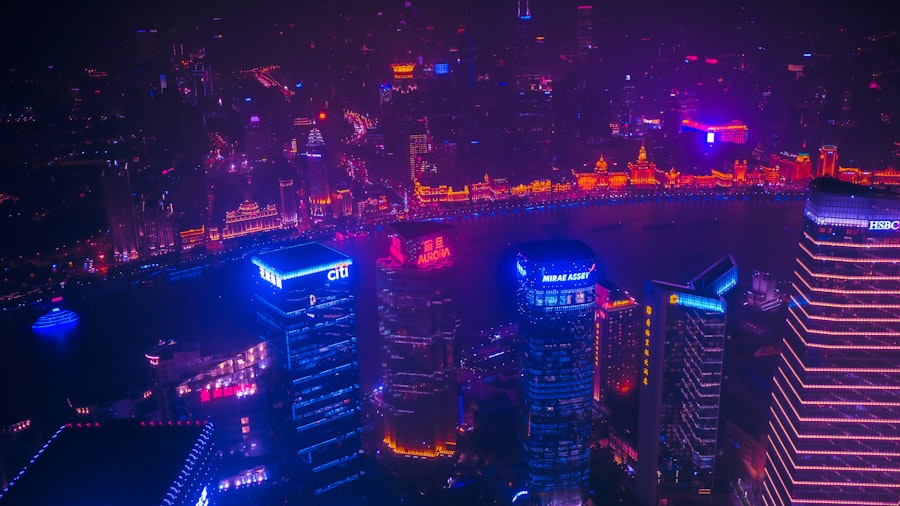
When you first step into the sprawling megacity of Southwest China, you will realize that Chongqing urban photography spots offer some of the most surreal, multi-dimensional, and futuristic landscapes on the planet. Often dubbed the "3D City" or the "Blade Runner of the East," Chongqing is a vertical labyrinth where roads run over the roofs of fifteen-story apartment buildings, monorails slice directly through residential blocks, and pedestrian bridges hang suspended hundreds of feet in the air. For travel photographers seeking dramatic verticality, neon-drenched nights, and moody atmospheric mist, this metropolis is an absolute paradise.
Capturing the ultimate frame here requires more than just pointing and shooting. You need to understand the unique geography of the Yangtze and Jialing rivers, the perpetual layer of mountain fog, and the massive elevation changes that define the local urban architecture. In this comprehensive guide, we will explore the absolute best vantage points, complete with exact walking directions, ideal camera settings, and composition strategies to make your portfolio stand out on TripAdvisor-worthy travel itineraries.
1. Hongyadong: The Mythical Stilted House Wonderland
Perhaps the most famous landmark in the city, Hongyadong is an eleven-story complex of traditional stilted houses (known as Diaojiaolou) built directly into the side of a steep cliff overlooking the Jialing River. When night falls, the entire wooden structure lights up in a warm, golden glow, creating a striking contrast with the cool blue tones of the surrounding skyscrapers. The sheer scale and intricate woodwork of this architectural marvel evoke scenes from famous animated fantasy films, making it a dream location for night photography.
Best Angles and Framing Strategies at Hongyadong
To capture the grandeur of Hongyadong, you must experiment with different elevations. If you stand at the bottom level on Cangbai Road, you can shoot upwards using a wide-angle lens to emphasize the towering, stacked nature of the wooden balconies. Another incredible perspective is from the Qiansimen Bridge walkway. Walk about one-third of the way across the bridge to get a perfect diagonal composition that balances the glowing, ancient-style facades of Hongyadong on the left with the sleek, modern skyscrapers of the Jiefangbei Central Business District in the background.
Optimal Camera Settings for Night Illumination
Because the contrast between the dark river and the brilliant golden lights is extreme, manual exposure is key. Set your camera on a sturdy tripod and use a low ISO of 100 or 200 to keep the digital noise to an absolute minimum. Choose an aperture between f/8 and f/11 to achieve a deep depth of field and turn the bright point-lights into beautiful starbursts. Your shutter speed will likely fall between 2 and 8 seconds depending on the ambient mist. Be sure to shoot in RAW format so you can later recover the shadow details along the riverbanks while taming the highlights of the golden neon lights.
Pro Photography Tips: To get a clean shot without thousands of tourists in your frame, head to the lower viewing platforms after 10:00 PM when the crowds thin out but the lights are still burning bright. Use a circular polarizing filter to cut down the glare reflecting off the river surface.
2. Liziba Station: The Train Through the Building
Nowhere is the three-dimensional nature of this city more evident than at Liziba Station, where the Chongqing Rail Transit Line 2 monorail passes directly through the eighth floor of a nineteen-story residential apartment building. This incredible feat of engineering was designed in the early 2000s to solve the challenge of navigating the city's extreme topography without demolishing existing residential neighborhoods. Today, it stands as a legendary monument to creative urban planning.
- How to get there: Take CRT Line 2 directly to Liziba Station. Exit the station and walk down the stairs to the custom-built viewing platform located at the street level of Liziba Main Street.
- Vibe and atmosphere: Fast-paced, industrial, and highly kinetic. The contrast of a quiet residential building being pierced by a sleek, moving train creates an unforgettable energy.
- Best time of day: Mid-morning to early afternoon when the sun illuminates the front facade of the building, allowing for fast shutter speeds.
When framing this shot, use a mid-range zoom lens (around 24-70mm). Position yourself at the street-level viewing platform and look upward. Use the leading lines of the concrete monorail tracks to guide the viewer’s eye directly into the dark tunnel opening of the building. To freeze the motion of the monorail as it emerges, set your camera to Shutter Priority mode with a speed of at least 1/500th of a second. Alternatively, you can use a neutral density filter to create a long exposure that turns the train into a colorful, abstract motion blur cutting through the static structure.
3. Qiansimen Bridge: Steel Lines and River Vistas
Spanning the Jialing River, the Qiansimen Bridge is a magnificent semi-fan system cable-stayed bridge that serves as a vital artery connecting the Jiangbei district with the old city center. For photographers, this bridge is much more than a transport route; it is an elevated platform that offers unparalleled panoramas of the city skyline. It is one of the premier Chongqing urban photography spots because it allows you to combine structural geometry with natural water elements.
Composition and Geometry
The bright red cables of the bridge provide an incredible structural element for your composition. By walking along the pedestrian pathway, you can use the massive steel cables as leading lines that slice diagonally across your frame, directing the viewer’s eye toward the sparkling skyscrapers of Jiefangbei. For a dramatic wide shot, use an ultra-wide lens (12-16mm) to distort the perspective slightly, making the bridge feel like a futuristic highway launching into a metropolis of towering glass giants.
Handling the Chongqing Mist
Chongqing is famous for its thick, atmospheric fog, which can either be a photographer's best friend or biggest challenge. On misty days, the distant skyscrapers will naturally fade into a soft, minimalist background. Embrace this moody vibe by switching to a telephoto lens (70-200mm) to compress the layers of the city. Focus on the sharp details of the bridge structure in the foreground while letting the background soften into a dreamy, painterly haze that is highly characteristic of traditional Chinese landscape art.
4. Kuixing楼 (Kuixing Building): The Illusion of Ground Level
The Kuixing Building is a mind-bending location that perfectly illustrates why visitors get beautifully lost in this city. Here, you can stand on a massive, bustling public square, look over the edge of a concrete railing, and realize that you are actually on the roof of a twenty-two-story skyscraper looking down at another busy street far below. It is a dizzying, surreal space that challenges your traditional understanding of gravity and architectural space.
Pro Photography Tips: Look for the two massive pedestrian skybridges that connect the Kuixing Building to the adjacent cliffs. Stand in the center of one bridge and shoot downward to capture the dizzying vertical drop, using the parallel concrete walkways to frame the tiny cars and pedestrians below.
To reach this spot, take CRT Line 2 to Linjiangmen Station and take Exit B. Walk toward the Kuixing Square plaza. The best lighting occurs during the late afternoon "golden hour" when the low sun casts long, dramatic shadows across the multi-level courtyards. Use a wide-angle lens to capture both the high-rise apartments soaring upward and the deep canyons of the streets below in a single, high-impact vertical frame. This spot is perfect for creating urban decay and cyberpunk aesthetics in your post-processing.
5. Shibati Traditional Area: Preserving the Soul of the Old City
While Chongqing is famous for its futuristic skyline, its heart lies in its historic neighborhoods. Shibati (the Eighteen Steps) is a beautifully restored historical area that showcases the traditional lifestyle of the mountain city before the era of modern high-rises. With its winding stone staircases, hanging red lanterns, old banyan trees, and traditional teahouses, Shibati offers a nostalgic, moody contrast to the nearby glass towers of Jiefangbei.
- The Vibe: Nostalgic, cozy, cultural, and deeply atmospheric, especially when the red lanterns are lit at dusk.
- Composition Tips: Use the winding stone steps as natural leading lines. Frame your shots through the round stone gateways or archways of traditional wooden houses.
- Best Camera Setup: A fast prime lens, such as a 35mm or 50mm with a wide aperture of f/1.4 or f/1.8, is ideal for isolating details and creating a beautiful bokeh effect with the glowing lanterns.
To capture the ultimate juxtaposition of old and new, walk to the lower sections of Shibati and look back up the hill. By using a telephoto lens, you can compress the image to show the ancient, dark wooden roofs of Shibati nestled directly beneath the colossal, brightly lit modern skyscrapers rising into the clouds behind them. This stark contrast is a powerful visual narrative of China's rapid modernization, a theme highly prized by editors at Lonely Planet.
6. Jiefangbei CBD: The Pulsing Neon Heart
No exploration of Chongqing urban photography spots is complete without visiting Jiefangbei, the bustling commercial center of the city. At the center of this pedestrian shopping district stands the People's Liberation Monument, surrounded by a dense forest of ultra-tall skyscrapers, massive digital billboards, and endless streams of people. The energy here is electric, loud, and visually overwhelming, making it the perfect playground for street and architectural photographers alike.
For the best views of Jiefangbei, look up. Find one of the many rooftop bars or public viewing platforms in the surrounding skyscrapers, such as the Huanyuan Observatory. From these high vantage points, you can shoot straight down into the neon canyons, capturing the ribbons of light created by the heavy traffic and the glowing patterns of the pedestrian walkways. Use a slow shutter speed (around 1/2 to 2 seconds) while holding your camera steady against a ledge to create a sense of frantic movement among the walking crowds while keeping the towering architecture razor-sharp.
Frequently Asked Questions
What are the best times to shoot the Hongya Cave skyline?
The golden hour at sunset and blue hour just after dark offer the most dramatic lighting, when the traditional stilted buildings glow against the darkening sky.
Where can I get an unobstructed view of the Raffles City skyscraper?
The Chaotianmen Square riverside promenade provides a direct, low-angle perspective, or head to the Nanbin Road side for a classic postcard shot.
Is there a free rooftop spot to photograph the Yangtze and Jialing rivers' confluence?
Yes, the top of the Elevated Bridge at Eling Park offers a free, high vantage point where the two rivers' color difference is clearly visible.
What's the best spot for a night shot of the lit-up Nanshan Mountain ridge?
The Yangtze River Cableway gondola gives you a moving aerial view, but for a stable shot, the Yuzhong Peninsula's mountain-facing balconies on Jiefangbei work perfectly.
Can I capture the 'Cyberpunk' elevator-like rail transit with a camera, and if so, where?
Absolutely. Position yourself at the Liziba Station viewing platform to photograph the Monorail passing through the residential building—the iconic sci-fi moment.

Sophie Lefebvre writes about the most photogenic places to visit, pairing stunning locations with the practical details of getting there. She helps travellers find the views worth planning a whole trip around.
💬 Comments (0)
No comments yet. Be the first!