Bologna Food Market Photography: A 2026 Guide
Capture the authentic essence of Italy. This guide explores the best Bologna food market photography spots for your 2026 trip.
Bologna Food Market Photography: A 2026 Guide
Mastering Bologna food market photography is one of the most exciting visual adventures you can experience in Italy this year. The vibrant capital of the Emilia-Romagna region is universally celebrated as the gastronomic heart of the country, offering an endless tapestry of deep terracotta colors, glistening cured meats, and bustling medieval alleys. Whether you are aiming to capture moody, historic market stalls or colorful close-ups of handmade tortellini, navigating these rich culinary hubs requires a sharp eye for detail, an understanding of dynamic indoor lighting, and a respect for local vendors. In this comprehensive guide, we will explore the absolute best market spots, ideal camera settings, and creative composition techniques to elevate your travel portfolio in 2026.
1. Mercato delle Erbe: The Inner City Sensory Feast
Located on Via Ugo Bassi, Mercato delle Erbe is the largest covered market in the city center. It offers a authentic local vibe that contrasts sharply with the more tourist-heavy zones. As you step inside, the sensory overload is immediate: the sharp aroma of aged Parmigiano Reggiano mixes with the fresh scent of basil and seasonal white truffles.
Best Angles and Composition Strategies
To capture the sprawling scale of Mercato delle Erbe, position yourself at the intersection of the main central aisles. Use a wide-angle lens, such as a 24mm or 35mm, to shoot down the long corridors lined with wooden fruit crates. Look for natural framing opportunities by shooting between dangling legs of prosciutto or through the archways of individual cheese stalls. Low angles work exceptionally well here to elevate humble vegetable displays into grand architectural landscapes of color and texture.
Lighting Dynamics in a Covered Space
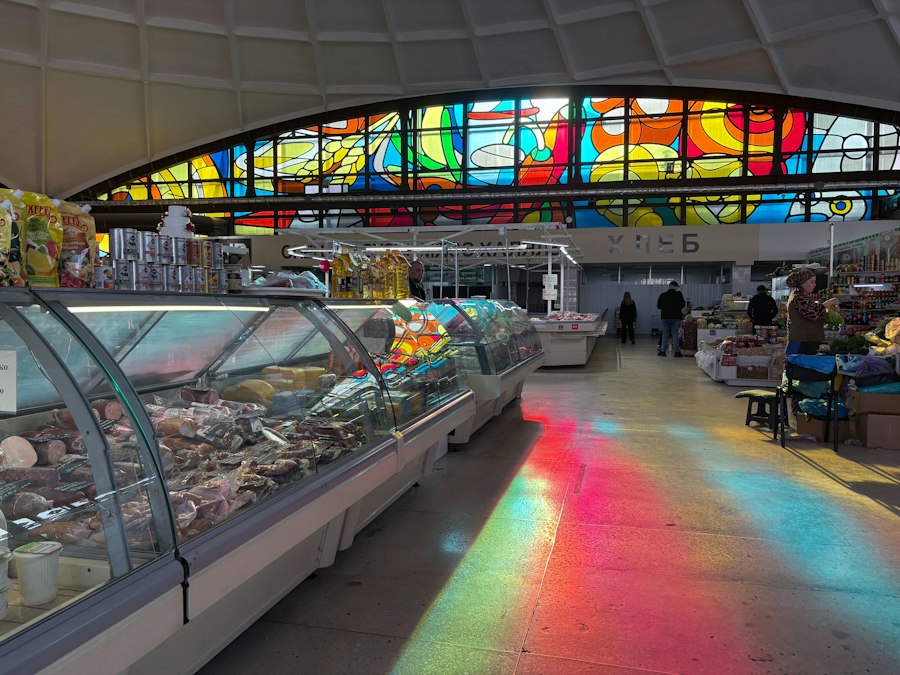
The central hall features high ceilings with overhead skylights that cast a soft, diffused glow during late morning hours. However, individual stalls rely heavily on warm tungsten lights. To master your Bologna food market photography in this lighting environment, manually set your white balance to around 3800K to 4200K, or shoot in RAW format so you can balance the mixed color temperatures during post-processing.
Pro Photography Tips: Look for stalls where natural light from the high windows intersects with the warm spotlighting of the display cases. This creates a striking dual-lighting effect that adds depth and drama to your food close-ups.
2. The Quadrilatero: Medieval Alleyways and Timeless Stalls
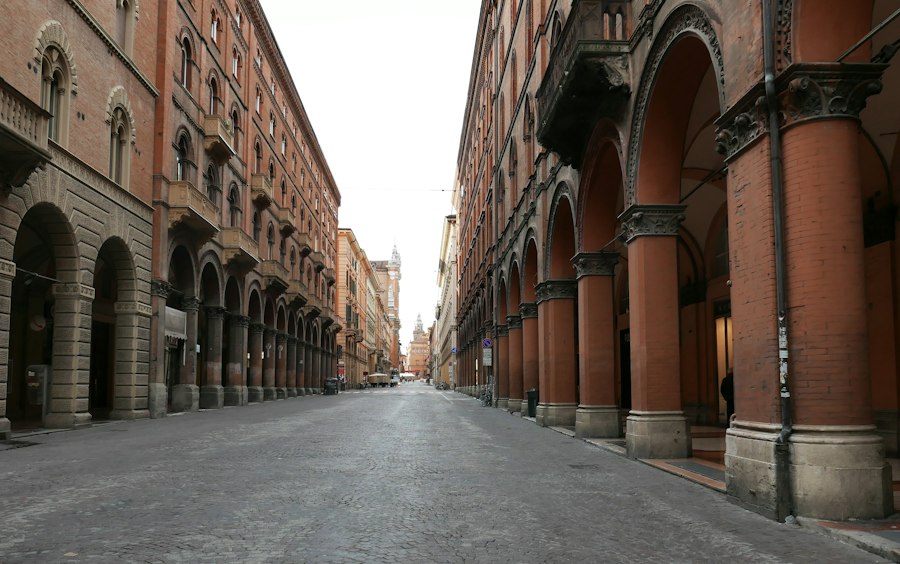
Step back in time as you enter the Quadrilatero, a labyrinth of narrow medieval streets situated right off Piazza Maggiore. Streets like Via Drapperie and Via Pescherie Vecchie have been bustling centers of trade since the Middle Ages, offering an unparalleled aesthetic for travel photographers.
Walking through these ancient passages, you will find historical storefronts overflowing with seasonal produce, fresh seafood laid out on crushed ice, and delicate wheels of local cheese. The high walls of the surrounding historic buildings block direct sunlight, creating a moody, atmospheric ambiance ideal for street and documentary imagery.
- Via Drapperie: Famous for towering displays of mortadella and colorful hanging pasta packages.
- Via Pescherie Vecchie: Excellent for dramatic close-ups of fresh fish, octopus, and oysters displayed on zinc counters.
- Vicolo Ranocchi: Home to some of the oldest taverns where patrons enjoy wine and charcuterie outdoors under historic brick porticoes.
3. Recommended Camera Settings and Gear Selection
Photographing fast-paced market environments demands speed, flexibility, and a lightweight setup. You want to move effortlessly through tight crowds without drawing unnecessary attention to yourself or blocking the narrow pathways.
Lens Recommendations for Food Photography
A fast prime lens is your absolute best friend in low-light indoor markets. A 35mm f/1.8 or 50mm f/1.4 allows you to shoot in dim conditions without pushing your ISO to noisy levels. Prime lenses also generate a beautiful, soft bokeh background that isolates intricate details, such as the dusty rind of an aged cheese wheel or the glistening glaze on a balsamic vinegar bottle.
- 35mm Prime: Perfect for environmental portraits of market vendors and street scene framing.
- 50mm Prime: Ideal for tight food details, macro shots of fresh pasta, and isolating subjects.
- 24-70mm f/2.8 Zoom: The ultimate versatile option if you prefer not to swap lenses in dusty market aisles.
Exposure and Autofocus Settings
Market scenes move quickly. Vendors slice meats, hand over packages, and interact with customers in rapid bursts. Set your camera to Aperture Priority mode or full Manual with Auto-ISO enabled. Keep your shutter speed at 1/250s or faster to freeze movement, and use continuous autofocus with eye-tracking to capture sharp portraits of lively stall owners.
4. Mercato di Mezzo: Crafting Cinematic Food Images
Mercato di Mezzo was the first covered market in the city, recently transformed into a vibrant three-story culinary hub. It seamlessly blends historic charm with modern gourmet culture, making it an essential stop for your visual journey.
Here, the focal point shifts from raw ingredients to fully prepared traditional dishes. You will find artisans crafting piadine, boiling hand-rolled tortellini, and pouring glasses of local Lambrusco. For incredible inspiration on local culinary culture, check out travel updates on Lonely Planet to plan your timing around peak market activity.
Pro Photography Tips: Position yourself near the glass partition of the pasta-making counter. Use a shallow depth of field (f/2.0 or lower) to focus sharply on the hands dusting flour onto the dough, allowing the background movement of the busy market to blur into soft watercolor tones.
5. Walking Routes for Optimal Morning Light
Timing is everything when capturing the spirit of northern Italian markets. To maximize your photographic output, hit the streets early before the delivery trucks leave and before the afternoon crowds pack the narrow walkways.
The Essential Golden Hour Market Route
Start your morning at 7:30 AM at the eastern edge of the Quadrilatero. As the sun rises, warm golden light streams through the gaps in the tall historic buildings, illuminating the morning mist and steam from fresh coffee bars. Walk west along Via Pescherie Vecchie toward Piazza Maggiore to catch vendors setting up their colorful outdoor displays in pristine, uninterrupted light.
After capturing the outdoor street action, head north toward Mercato delle Erbe by 10:00 AM. At this hour, the skylights inside the market provide ideal, soft illumination across the central fruit and vegetable aisles, allowing you to capture crisp, glare-free photos of seasonal produce.
6. Cultural Etiquette and Street Photography Ethics
Capturing stunning travel imagery goes beyond technical settings; it requires respect and genuine connection with the local community. The vendors in Emilia-Romagna are immensely proud of their culinary heritage and are often happy to pose for pictures if approached with courtesy.
Always ask permission before taking close-up portraits of workers. A quick smile, a nod, or a polite greeting in Italian goes a long way. Purchasing a small item, such as an espresso, a fresh pastry, or a slice of prosciutto, not only supports the local economy but also grants you an authentic seat at the table to snap relaxed, candid lifestyle shots.
- Always ask before photographing children or private family moments.
- Avoid using intrusive electronic flashes inside dark stalls, as it ruins the ambient light and disturbs shoppers.
- Keep your camera gear compact and close to your body to prevent blocking busy service walkways.
For more detailed reader reviews on the top market tours and local dining spots, consult destination guidebooks on TripAdvisor before setting out on your photowalk. By combining thoughtful composition, light management, and respect for local customs, your collection of imagery will tell a rich, flavorful story of this iconic Italian destination for years to come.

Sophie Lefebvre writes about the most photogenic places to visit, pairing stunning locations with the practical details of getting there. She helps travellers find the views worth planning a whole trip around.
💬 Comments (0)
No comments yet. Be the first!