Best Utrecht wharf photography spots
Explore the unique Utrecht wharf photography spots in 2026 with our expert visual guide to capturing these medieval canals.
Best Utrecht wharf photography spots
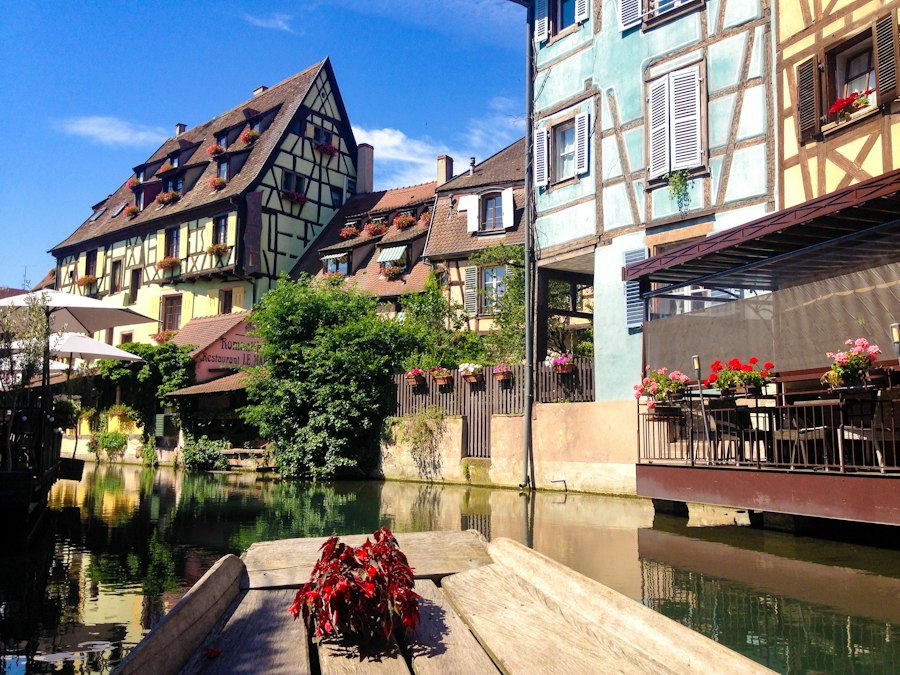
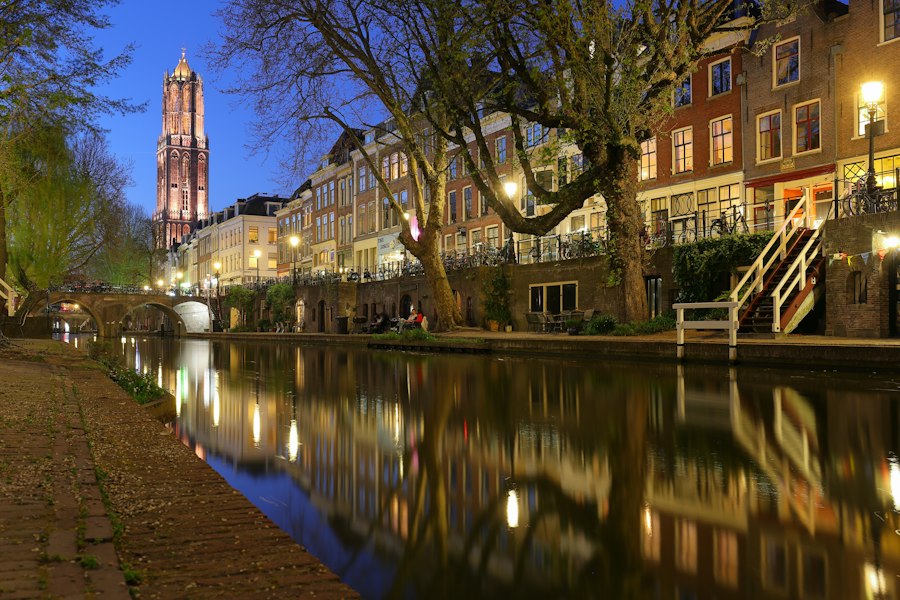
When you first step into the historic heart of Utrecht, you are immediately struck by a landscape that exists nowhere else in the world: the iconic double-level canals. Finding the best Utrecht wharf photography spots is a dream journey for any visual storyteller. Unlike the flat, street-level canals of Amsterdam, Utrecht boasts unique low-level wharves (known locally as werven) that sit right at the water level, once used as medieval loading docks and now transformed into cozy cafes, private terraces, and artistic studios. Capture the vibrant energy, historic charm, and dramatic reflections of these centuries-old waterways with this comprehensive guide.
To help you plan your visual journey, we have scouted the absolute best vantage points, complete with technical advice on lighting, composition, and framing. Whether you are packing a high-end DSLR or capturing the magic on your smartphone, these spots will elevate your travel portfolio. For more information on navigating the city, you can check out the official Lonely Planet travel guides or browse user recommendations on TripAdvisor to pair your photo walk with the best local eateries.
1. The Classic View from Maartensbrug
Maartensbrug is one of the oldest and most central stone bridges spanning the Oudegracht (Old Canal). From this elevated vantage point, you get a classic, sweeping view of the canal levels stretching into the distance, framed by weeping willows and historic facades. It is the perfect starting point to understand the scale of the city's unique double-deck design.
Composition and Framing at Maartensbrug
Position yourself in the center of the bridge to capture a symmetrical composition. Use the parallel lines of the upper street-level railings and the lower stone wharves to lead the viewer's eye toward the towering Dom Tower in the background. If you shoot with a wide-angle lens, you can capture the dramatic contrast between the busy street life above and the tranquil, watery world below.
Optimal Lighting and Vibe
The vibe here changes dramatically throughout the day. Golden hour brings a warm, amber glow to the brickwork, while blue hour offers a magical contrast between the deep blue sky and the warm, artificial lights of the wharf cellars. To get clean shots without tour boats disrupting the water reflections, aim for early morning just after sunrise.
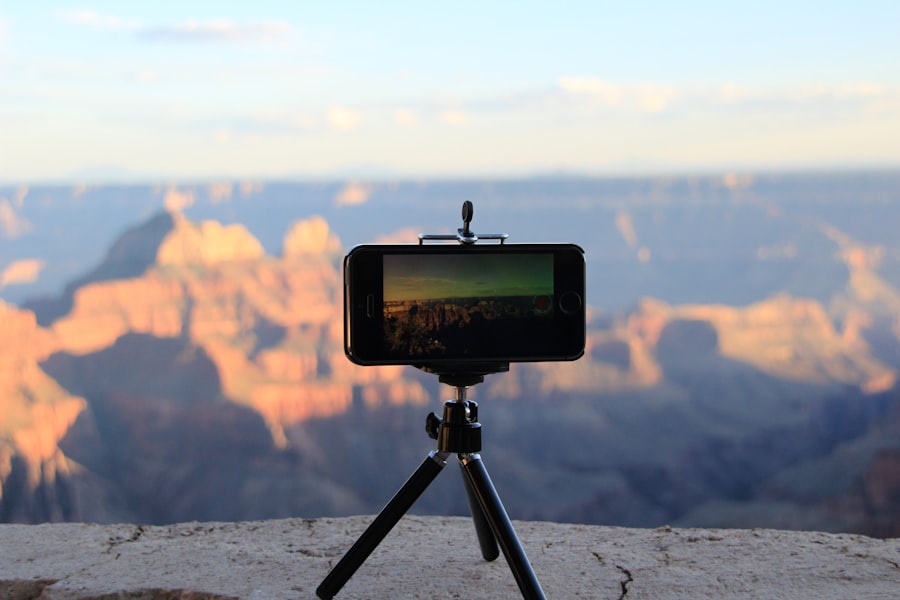
Pro Photography Tip: Set your camera on a sturdy tripod on the bridge, use a neutral density (ND) filter, and opt for a long exposure of 5 to 10 seconds. This smooths out the canal water into a glass-like mirror, perfectly reflecting the illuminated arched cellars.
2. Choorstraat and the Floral Wharves
Just a short walk from the cathedral, the Choorstraat area offers a highly photogenic stretch of the Oudegracht. Here, the lower wharves are often decorated with lush potted plants, colorful flowers, and quirky outdoor seating from local boutiques, making it one of the most vibrant Utrecht wharf photography spots.
Finding the Best Angles
Walk down the historic stone stairs to the water level. Shooting from a low angle looking up at the towering canal houses creates a sense of grandeur. Use the colorful flowers in the foreground to add a pop of color and depth to your image, framing the dark, mysterious arched doorways of the cellar vaults.
- Gear recommendation: A fast prime lens (35mm or 50mm) with a wide aperture (f/1.8 or f/2.4) to create a beautiful, soft background blur (bokeh).
- Walking directions: From the Dom Tower, walk west toward the canal, cross the bridge onto Choorstraat, and take the nearest stone staircase down to the water level.
- Key element: Look for the reflections of the historic lampposts in the still canal water.
3. The Serene Curves of Nieuwegracht
While the Oudegracht is bustling with activity, the Nieuwegracht (New Canal) offers a completely different, intimate vibe. Built slightly later, this canal is quieter, narrower, and lined with grand residential mansions, majestic trees, and peaceful, undisturbed wharves.
Because there are fewer commercial businesses here, the wharves feel like secret, forgotten gardens. Ivy climbs up the old brick walls, and the water is often covered in a delicate layer of green duckweed, adding to the romantic, historic atmosphere.
Chasing the Perfect Reflections
The gentle curves of the Nieuwegracht create excellent opportunities for dynamic diagonal compositions. Walk along the lower path and look for areas where the historic trees drape over the water, framing the elegant bridges. The absence of crowds makes this the ideal spot for quiet, contemplative architectural photography.
Pro Photography Tip: Keep your polarizer filter handy when shooting at Nieuwegracht. Adjusting the filter allows you to either eliminate glare on the water to reveal the mossy canal bed or maximize the reflections of the weeping willows and historic facades.
4. Smeebrug and the Southern Oudegracht
Heading south along the Oudegracht brings you to Smeebrug, a historic bridge that offers an authentic, local perspective of the city's waterways. This area is less touristy, meaning you can capture genuine daily life along the canals without the heavy crowds.
Capturing the Local Canal Vibe
At this section of the canal, many of the lower wharf cellars are still used as private residences or creative workshops. You will often spot locals sitting outside on wooden benches, sipping coffee, or untying small boats for a afternoon cruise. Capturing these candid human moments adds a rich storytelling element to your travel portfolio.
Camera Settings for Street and Architecture Fusion
To capture both the sharp details of the historic brickwork and the fleeting moments of people walking by, use a moderate aperture like f/5.6 or f/8. Keep your shutter speed relatively fast (at least 1/125s) to avoid motion blur from passing cyclists on the upper street level or kayakers on the water below.
- Best time to visit: Late afternoon, when the sun hits the western wharf walls, illuminating the cellar entrances.
- Composition tip: Use the dark archway of the Smeebrug to create a "frame within a frame" effect, capturing a boat as it emerges from beneath the bridge.
- Visual focus: Contrast the cold grey stones of the bridge with the warm wooden details of the wharf doors.
5. The Wharves of Winkel van Sinkel
The Winkel van Sinkel is a grand, neoclassical building on the Oudegracht that stands out from the surrounding medieval architecture. The wharves directly in front of this monumental building offer a fantastic contrast between classical grandeur and rustic, historic waterways.
Creative Framing and Scale
The massive caryatids (statues of women used as columns) on the building's facade provide a stunning backdrop. By standing on the opposite side of the canal and shooting from the lower wharf level, you can capture the dramatic height difference between the water, the bustling cafe terraces, and the towering statues above.
Night Photography and Light Trails
This area is exceptionally beautiful at night. The grand building is brightly illuminated, casting long, golden light trails across the dark water. The lower wharves are lit by soft, warm lanterns, creating a cozy and mysterious atmosphere that is perfect for long-exposure night photography.
- Focus point: Lock your focus on the texture of the old wharf bricks in the foreground.
- White balance: Set your white balance to "Tungsten" or "Fluorescent" to balance the warm yellow glow of the streetlights with the cool blue tones of the night sky.
- Patience is key: Wait for a paddleboarder or a slow-moving boat to pass by with decorative lights to capture beautiful, colorful light streaks across the canal.
6. Plompetorengracht: The Hidden Gem
For those looking to escape the main tourist paths entirely, the Plompetorengracht is the ultimate hidden treasure among the Utrecht wharf photography spots. This short, quiet canal in the northern part of the city center is incredibly peaceful and offers a glimpse into Utrecht’s medieval past without any modern distractions.
Mastering the Intimate Canal Composition
Because the Plompetorengracht is relatively narrow, the architectural details feel much closer. Use a telephoto lens (85mm to 135mm) to compress the perspective, bringing the beautiful arched cellar doors, the stone steps, and the historic canal houses closer together in your frame. This compression highlights the dense, charming complexity of the medieval engineering.
Savoring the Quiet Atmosphere
The vibe here is incredibly tranquil. There are no busy cafe terraces, just the gentle sound of water lapping against the stone walls and the occasional rustle of leaves. It is the perfect location to capture clean, minimalist shots that emphasize texture, symmetry, and the timeless beauty of Utrecht's historic waterways.
Frequently Asked Questions
What is the best time of day to photograph the Utrecht wharves?
Early morning or late afternoon offers soft light and fewer crowds. Blue hour also creates beautiful reflections in the canals.
Which wharf in Utrecht is most iconic for photos?
The Oudegracht wharf with its historic cellars is the most iconic spot. It provides classic views of the canal and arched wharf cellars.
Are tripods allowed on the Utrecht wharves?
Yes, tripods are generally allowed, but be mindful of pedestrians and cyclists. Avoid blocking narrow paths during busy times.
What camera gear is best for shooting the wharves?
A wide-angle lens (16-35mm) captures the canal and wharf cellars well. A polarizing filter helps reduce glare on the water.
Can I photograph the wharves from a boat?
Yes, canal tours offer unique angles from the water. Just keep your gear secure and watch for splashes.

Oliver Janssen scouts the best photography spots in every destination, from sunrise viewpoints to overlooked angles on famous landmarks. He shares exactly where to stand and when to be there for the shot.
💬 Comments (0)
No comments yet. Be the first!