Valencia Modern Architecture Photography Guide
Capture the futuristic curves of the City of Arts and Sciences with our expert guide to Valencia modern architecture photography.
Valencia Modern Architecture Photography Guide
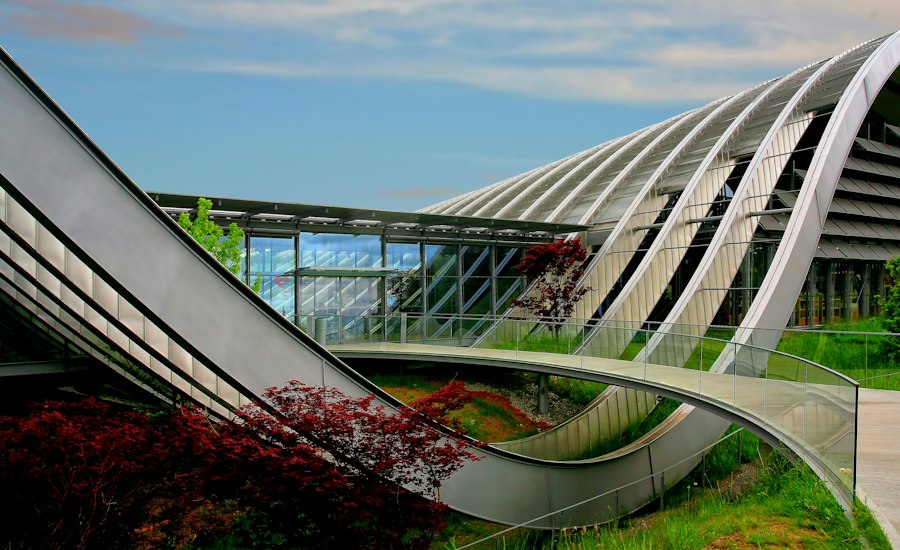
Welcome to the ultimate Valencia modern architecture photography guide, where futuristic design meets the golden Mediterranean coast. Valencia has transformed itself into one of Europe's top destinations for visual storytellers, visual artists, and travel photographers alike. From the sleek curves of Santiago Calatrava’s iconic structures to minimalist urban designs scattered across the city, capturing these structural wonders requires a keen eye for light, dynamic angles, and precise framing. In this comprehensive manual, we will walk you through the absolute best spots, shot compositions, and technical settings to ensure your portfolio stands out.
The Crown Jewel: City of Arts and Sciences
The City of Arts and Sciences, known locally as Ciudad de las Artes y las Ciencias, is the beating heart of modern Spanish design. Designed primarily by local visionaries Santiago Calatrava and Felix Candela, this cultural complex looks less like a series of buildings and more like a landed alien fleet. The white concrete, glittering mosaic tiles, and reflective pools offer endless geometric possibilities for your lens.
Hemisferic: Capturing the Giant Eye
The Hemisferic structure was designed to resemble a giant human eye opening up to the sky. It features an IMAX cinema and planetarium housed inside an oval roof over one hundred meters long. The true magic happens at the water level, where the building sits within a massive glass-bottomed pool.
To photograph the Hemisferic, bring an ultra-wide angle lens, such as a 12-24mm, to keep the entire structure within your frame without distortion. Stand at the far eastern edge of the pool during golden hour to catch the setting sun reflecting off the white ribs. When the water is calm, the symmetry is absolute, giving you an organic eye shape composed half of concrete and half of mirror-like reflection.
- Best Time: Late afternoon into blue hour when the internal yellow lights turn on.
- Key Angles: Low to the ground at the pool margin for full geometric reflection.
- Vibe: High-tech sci-fi, peaceful reflection, futuristic design.
Palau de les Arts Reina Sofia: Sleek Curves and Soaring Heights
Rising like a majestic metallic helmet over the Turia Gardens, the Palau de les Arts serves as Valencia's opera house. It is one of the tallest performing arts centers in the world, featuring sweeping steel arches and intricate white tile mosaics known as trencadis.
Position yourself on the footbridges leading toward the center to frame the sharp nose of the building against a clean sky. Use a narrow aperture like f/8 or f/11 to ensure front-to-back sharpness across the entire mosaic texture. Contrast the sweeping white steel curves with the deep blue Mediterranean sky to make the subject pop out of the canvas.
Pro Photography Tips: Bring a circular polarizer to eliminate unwanted glare on the smooth metallic surfaces and dark glass windows of the opera house. This simple tool will instantly deepen sky blues and bring out the white contrast of the concrete tiles.
Umbracle and Agora: Shadow Play and Bold Colors
Moving further through the complex, you encounter structural spaces where natural elements and bold modern lines collide. These structures allow you to experiment heavily with shadow play and negative space photography.
The Umbracle Open-Air Gallery
The Umbracle is a landscaped walkthrough surrounded by a series of soaring white arches. It houses hundreds of native plant species alongside contemporary sculptures. The arch design acts as a natural frame for every shot you create.
Walk beneath the white steel ribs around midday when the Mediterranean sun is directly overhead. The sunlight streams through the canopy, casting dynamic zebra-striped shadow patterns along the tiled walkway. Frame a subject walking through these light beams using a fast prime lens like a 50mm f/1.8 to isolate them against the rhythmic background.
The CaixaForum and Agora Surface Depth
The Agora structure, now housing the CaixaForum cultural space, is an elliptical, dark blue building that reaches high into the sky. It offers a stark color contrast to the stark white buildings nearby. Capturing this deep indigo structural surface under bright sunlight creates a bold color blocking effect.
- Composition Tip: Position yourself at the base of the Assut de l'Or bridge to lock the dark blue curve against the white cable bridge pylons.
- Lighting: Best shot during direct mid-day sun to maximize the intensity of the blue pigment.
- Equipment: A telephoto lens like a 70-200mm works wonders for isolating geometric cross-sections.
Veles e Vents: Minimalist Coastal Aesthetics
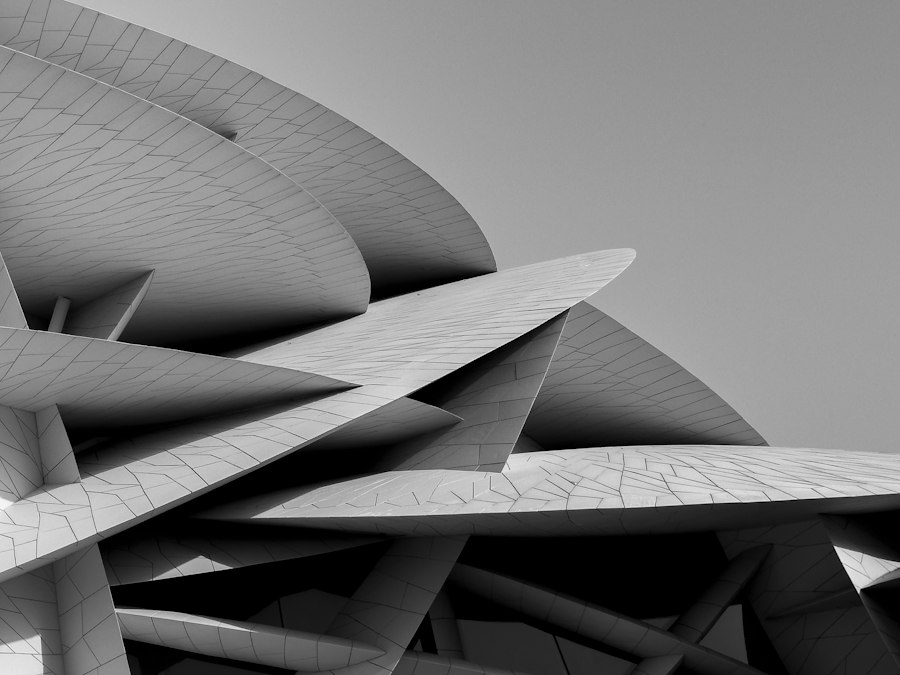
Leaving the Turia riverbed behind, head east toward the coast to find one of the city's most impressive modern architectural marvels, the Veles e Vents building located at the Royal Marina. Designed by David Chipperfield and Fermin Vazquez, this award-winning structure is a masterclass in minimalist design.
The structure consists of deeply cantilevered white concrete platforms that appear to float over one another without vertical support pillars. The horizontal planes create clean, uninterrupted lines against the coastal sea breeze and bright blue horizon.
For high-impact architectural imagery, walk around the base along the harbor front during blue hour. As light dims, the strip lighting installed along the underside of each cantilevered deck glows warm, contrasting beautifully against the cool hues of the evening sky. Frame your shot using the wooden marina decking in the foreground to add leading lines pointing straight into the horizontal structure.
Pro Photography Tips: Use a long exposure setting (15 to 30 seconds) with a neutral density filter at the marina. This smooths out the sea water into a silky mist and turns floating cloud movements into soft streaks, emphasizing the stationary sharp lines of the building.
Modernist Bridges Across the Turia Gardens
The dry bed of the Turia River has been turned into a long green park that cuts through the town. Spanning this park are several incredible bridges that represent various eras of engineering, with modern structures taking center stage for creative visual creators.
Pont de l'Assut de l'Or
Also known as the harp bridge, this white single-pylon cable-stayed bridge was designed by Santiago Calatrava. Its curved pylon reaches a height of 125 meters, making it the highest point in the city. The giant sweeping cables look like strings on a massive acoustic instrument.
Walk underneath the main span along the park pathways. Point your wide lens straight up along the steel pylon to create a sense of massive scale and power. The leading lines of the white stay cables pull the viewer's eye straight up to the peak of the image.
- Directions: Easily reachable by walking straight past the Agora toward the eastern exit of the park.
- Framing: Use the surrounding green palm trees at ground level to frame the stark industrial steel above.
Technical Gear and Best Camera Settings
Capturing high-contrast modern buildings in sunny Spain requires careful exposure management to prevent blowing out bright highlights while keeping deep shadow details clean.
Keep your camera set to ISO 100 to maximize dynamic range and minimize unwanted noise. Shoot exclusively in RAW format to allow full recovery of highlights when editing white concrete and glass. A tripod is essential if you plan to shoot blue hour compositions or long exposure water reflections around the modern pools.
If you want to discover more hidden locations and travel tips, check out user reviews on TripAdvisor to locate local photo walking tours. You can also explore destination guides on Lonely Planet to help plan your visual journey through Spain.
Final Thoughts on Shooting Valencia's Modern Lines
A successful trip focused on a Valencia modern architecture photography project relies on patience, understanding the path of the Mediterranean sun, and experimenting with unique angles. Whether you are capturing the grand scale of the City of Arts and Sciences, the sleek horizontal decks of Veles e Vents, or the shadow patterns of the Umbracle, this visual playground offers endless inspiration. Pack your favorite lenses, set your alarm early to beat the tourist crowds, and get ready to create stunning visual art in one of Europe's top architectural gems.

Oliver Janssen scouts the best photography spots in every destination, from sunrise viewpoints to overlooked angles on famous landmarks. He shares exactly where to stand and when to be there for the shot.
💬 Comments (0)
No comments yet. Be the first!